Cistanche Vs. Cynomorium: A Comparative Analysis
Jul 28, 2023
Cistanche vs. Cynomorium: A Comparative Analysis
Cistanche and Cynomorium are two unique plant species known for their medicinal properties. These plants have been used in traditional medicine for centuries, particularly in Asia. Despite their similarities, there are distinct differences between them in terms of their biology, traditional uses, bioactive compounds, and therapeutic potential.

1. Biological Characteristics
1.1 Cistanche
Cistanche is a genus of parasitic desert plants belonging to the family Orobanchaceae. The species most commonly used for medicinal purposes is Cistanche deserticola, known as desert broomrape. It is commonly found in arid regions of Asia, particularly in China and Mongolia. Cistanche is a holoparasitic plant, meaning it relies entirely on its host plant for nutrients and water.

1.2 Cynomorium
Cynomorium is a genus of parasitic plants belonging to the family Cynomoriaceae. The most commonly used species is Cynomorium coccineum, also known as Maltese mushroom or desert thumb. Unlike Cistanche, Cynomorium is not a true parasite but a hemiparasite, obtaining some nutrients from its host but also performing photosynthesis.
2. Traditional Uses
2.1 Cistanche
In Traditional Chinese Medicine (TCM), Cistanche is known as "rou cong rong" and has been used to treat a variety of conditions. It's often used as a kidney tonic and for promoting vitality. It is also used to treat sexual dysfunction, constipation, and age-related disorders such as memory decline.

2.2 Cynomorium
Cynomorium is used in various traditional medicinal systems, including Chinese, Korean, and Arabian medicine. It's often used to treat sexual disorders, digestive problems, and to boost immune function. In Arabian folk medicine, it's known as "tarthuth" and is used to relieve rheumatic pain.
3. Bioactive Compounds
3.1 Cistanche
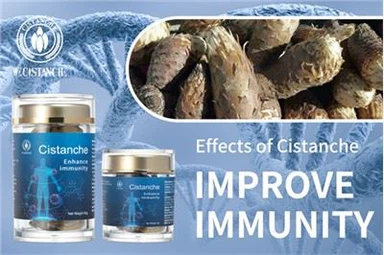
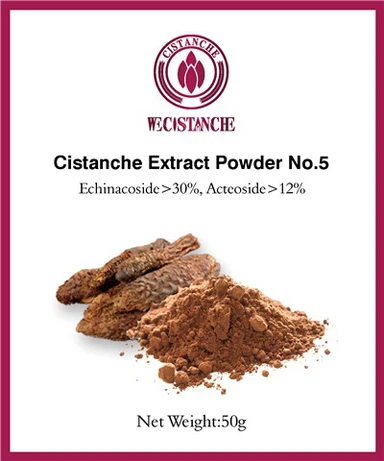
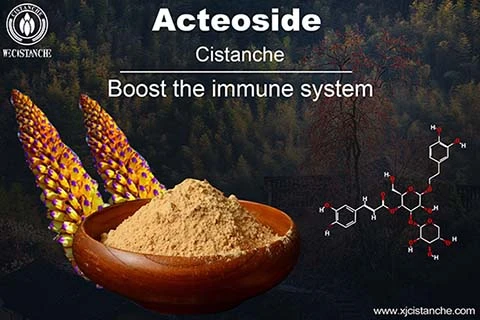
The bioactive compounds in Cistanche include phenylethanoid glycosides (PhGs), iridoids, and polysaccharides. PhGs, such as echinacoside and acteoside, have antioxidant, neuroprotective, and anti-inflammatory effects.
3.2 Cynomorium
The bioactive compounds in Cynomorium include various flavonoids, triterpenes, and polysaccharides. Some of these compounds, like the flavonoid kaempferol, have antioxidant and anti-inflammatory effects.
4. Therapeutic Potential
Both Cistanche and Cynomorium have shown promise in scientific studies for their therapeutic potential.
4.1 Cistanche
Research on Cistanche has focused on its potential for treating neurodegenerative diseases, sexual dysfunction, and immune disorders. Some studies have suggested that Cistanche may improve memory and learning, enhance sexual performance, and boost immune function.
4.2 Cynomorium
Studies on Cynomorium have focused on its potential for treating sexual dysfunction, digestive disorders, and immune-related conditions. Some research suggests that Cynomorium may improve sexual performance, enhance digestive health, and boost immune function.
Conclusion
While both Cistanche and Cynomorium have similar uses in traditional medicine and similar bioactive compounds, they are distinct species with unique biological characteristics and therapeutic potential. Further research is needed to fully understand and validate their medicinal properties.
Supportive Service:
Email:wallence.suen@wecistanche.com
Whatsapp/Tel:+86 15292862950
Shop:
https://www.xjcistanche.com/cistanche-shop