Clinical Effect Of Yishen Jiangtang Recipe in Treating Nephrotic Syndrome Complicated With Steroid Diabetes
Dec 08, 2022
Abstract:
Objective To investigate the clinical effect of Yishen Jiangtang Recipe in treating nephrotic syndrome complicated with steroid diabetes.
Methods A total of 82 patients with nephrotic syndrome complicated with steroid diabetes were divided into a control group and an observation group according to the random number table method. The control group was treated with conventional western medicine, while the observation group was treated with Yishen Jiangtang Recipe on the basis of the control group, both for 12 weeks. The improvement of serum albumin, 24h urine protein, cholesterol, blood glucose, blood urea nitrogen and serum creatinine before and after treatment were observed, and the total effective rate and safety of the two groups were compared. Results After treatment, the level of serum albumin in the observation group was higher than that in the control group (P<0.05). The levels of 24h urine protein, total cholesterol, low-density lipoprotein cholesterol, high-density lipoprotein cholesterol, fasting blood glucose, 2h postprandial blood glucose, glycosylated hemoglobin, blood urea nitrogen and blood creatinine in the observation group were lower than those in the control group (P<0.05). The total effective rate of the observation group (90.24%, 37/41) was higher than that of the control group (73.17%, 30/41) (P<0.05). There was no significant difference in the incidence of adverse reactions between the two groups (P>0.05).
Conclusion: In the treatment of nephrotic syndrome complicated with steroid diabetes, Yishen Jiangtang Recipe combined with conventional western medicine can effectively regulate the levels of blood glucose and cholesterol, reduce the 24-hour urine protein quantitation, improve renal function, with less adverse reactions and significant efficacy.
Keywords: nephrotic syndrome; steroid diabetes; Yishen Jiangtang Recipe; 24h urine protein quantification; cholesterol; serum creatinine; urea nitrogen
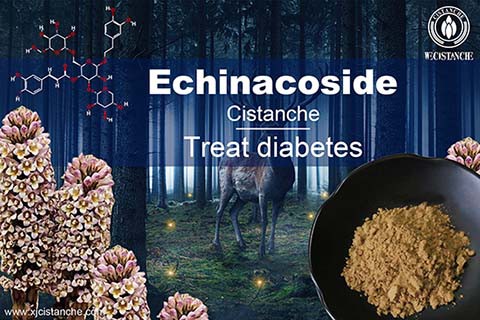
Click Here To Know How Cistanche Treat Nephrotic Syndrome
ASK FOR MORE DETAILS: wallence.suen@wecistanche.com 0015292862950
1 Data and methods
1.1 General data
Eighty-two patients with nephrotic syndrome combined with steroidal diabetes mellitus admitted to our hospital from January 2020 to June 2021 were selected and divided into observation group and control group using random number table method, 41 cases each. In the observation group, there were 27 males and 14 females, aged 34-59 years, with a mean of (47.19±5.02) years; the duration of disease was 7-24 months, with a mean of (13.50±3.45) months. In the control group, there were 26 male and 15 female cases, aged 35-58 years, mean (46.68±5.05) years; duration of disease 8-26 months, mean (13.48±3.48) months. The differences were comparable.
1.2 Diagnostic criteria
Referring to the diagnostic criteria of "primary nephrotic syndrome" in Internal Medicine [5]: 1) large amount of proteinuria, >3.5 g per day; 2) hyperlipidemia; 3) hypoproteinemia; 4) edema; 5) secondary nephrotic syndrome could be excluded. Referring to the diagnostic criteria for type 2 diabetes in the Chinese Guidelines for the Prevention and Treatment of Type 2 Diabetes (2017 edition)[6]: 1) having typical diabetic symptoms, such as polyuria, polydipsia, irritability, polyphagia, unexplained loss of body mass, and random blood glucose monitoring ≥ 11.1 mol-L-1; 2) fasting blood glucose level ≥ 7.0 mmol-L-1; 3) blood glucose level ≥ 11.1 mmol-L-1 2 h after glucose load, if no If there are no typical symptoms, repeat testing is required to confirm.
1.3 Inclusion and exclusion criteria
Inclusion criteria: 1) hormone therapy for more than 6 months; 2) fasting blood glucose level ≥ 7.0 mmol·L-1 or 2h postprandial blood glucose level ≥ 11.1 mmol·L-1; 3) elevated blood glucose during glucocorticoid therapy ; 4) No previous history of diabetes; 5) All signed informed consent. Exclusion criteria: 1) Those with severe cardiovascular and cerebrovascular diseases, abnormal liver and kidney function; 2) Those with systemic infection and malignant tumor diseases; 3) Those with severe diabetic complications such as diabetic ketosis; 4) During pregnancy or breastfeeding patients; 5) those who are allergic to the drug in this study; 6) mentally ill patients.
1.4 Shedding standard
1) Those who have serious adverse reactions after using the drug of this study; 2) Those whose condition worsens or develop serious complications during the treatment; 3) Subjects who voluntarily request to withdraw from the clinical trial.
1.5 Treatment methods
The control group was treated with conventional western medicine, taking DICHEN KANGKA capsules (manufacturer: Wecistanche Bio-Tech L.tD ., specification: 40 s) orally, 2 capsules each time, twice a day; oral metformin hydrochloride tablets (manufacturer: Hetiandi Chen Pharmaceutical Co., Ltd., specification: 0.5 g), 1 g each time, 2 times a day. In addition to the above treatment, the observation group was also treated with Yishen Jiangtang decoction. The prescription consisted of raw astragalus, Radix Pseudostellariae 20 g each, Cornus officinalis, Rehmannia glutinosa, Guijianyu, Dijincao, Liuyuexue 15 g each, and Atractylodes macrocephala 15 g each. , Danshen, Sichuan Achyranthes bidentata, Moutan bark, Gorgon fruit, tangerine peel, golden cherry seed each 10 g, and roasted licorice 6 g. Add or subtract medication according to the syndrome. For severe qi deficiency, add Codonopsis 15 g; for severe yin deficiency, add 10 g each of Eclipta, Ligustrum lucidum, Ophiopogon japonicus, and Rehmannia glutinosa; Grass each 10 g; for severe edema, add 10 g each of cortex, mulberry, and plantain; The medicine was decocted by the traditional Chinese medicine department of our hospital. Each dose was 200 mL, divided into 2 bags, and 1 bag was taken after breakfast and dinner. 4 weeks of treatment was a course of treatment, and there were 3 courses of treatment in total.
1.7 Statistical methods
The data were analyzed using SPSS 22.0 software. Enumeration data are expressed as cases (%), and tested by χ2; measurement data are expressed as mean ± standard deviation (x ± s), and tested by t. P < 0.05 means the difference is statistically significant.
2 results
2.1 Quantitative comparison of serum albumin and 24h urine protein before and after treatment in the two groups is shown in Table 1.
Table 1 Quantitative ratio of serum albumin and 24h urine protein before and after treatment in the two groups
Group Time Serum Albumin/(g L-1) 24h Urine Protein Quantitative/(g D-1)
Observation group Before treatment 20.13±3.18 4.82±0.64
After treatment 36.14±5.17# △ 1.19±0.23# △
Control group Before treatment 20.35±3.31 4.75±0.60
After treatment 29.89±4.08# 2.72±0.42#
2.2 Comparison of cholesterol indicators before and after treatment in the two groups
See Table 2.
Table 2 Comparison of cholesterol indexes before and after treatment in the two groups ( x ± s, n = 41) mmol·L-1
Group Time Total Cholesterol LDL Cholesterol High Density Lipoprotein Cholesterol
Observation group Before treatment 7.52±0.95 5.21±0.73 1.72±0.28
After treatment 4.87±0.62# △ 2.51±0.39# △ 2.51±0.41# △
Control group Before treatment 7.46±1.03 5.14±0.67 1.76±0.32
After treatment 5.76±0.68# 3.86±0.53# 1.83±0.32#
Note: Compared with before treatment, # P < 0.05; compared with the control group, △P < 0.05
2.3 Comparison of blood glucose levels before and after treatment in the two groups is shown in Table 3.
Table 3 Comparison of blood glucose indicators before and after treatment in the two groups ( x ± s, n = 41)
Group Time Fasting blood glucose/(mmol L-1) 2h postprandial blood glucose/(mmol L-1) Glycosylated hemoglobin/%
Observation group Before treatment 10.31±1.89 13.98±2.46 8.85±1.85
After treatment 6.10±0.94# △ 8.03±1.25# △ 6.31±1.35# △
Control group Before treatment 10.33±1.83 13.97±2.47 8.89±1.83
After treatment 7.89±1.02# 10.33±1.28# 7.70±1.37#
Note: Compared with before treatment, # P < 0.05; compared with the control group, △P < 0.05
2.4 Comparison of blood urea nitrogen and blood creatinine levels before and after treatment in the two groups is shown in Table 4.
Table 4 Comparison of blood urea nitrogen and serum creatinine levels before and after treatment in the two groups ( x ± s, n = 41)
Group Time Blood urea nitrogen / (mmol L-1) blood creatinine / (μmol L-1)
Observation group Before treatment 8.29±1.01 145.61±15.50
After treatment 5.85±0.83# △ 92.22±8.29# △
Control group Before treatment 8.31±1.03 146.69±15.48
After treatment 6.77±0.89# 115.20±10.22#
Note: Compared with before treatment, # P < 0.05; compared with the control group, △P < 0.05
2.5 The clinical curative effect results of the two groups are compared in Table 5.
Table 5 Comparison of clinical efficacy results between the two groups (n = 41) Cases
Group Complete Remission Significant Remission Partial Remission Ineffective Total Effective Rate /%
Observation group 9 17 11 4 90.24#
Control group 4 12 14 11 73.17
Note: Compared with the control group, # P < 0.0
2.6 Safety Evaluation
There were no abnormalities in liver function, blood routine, urine routine, stool routine, electrocardiogram and other indicators before and after treatment in both groups. Nausea and vomiting occurred in 3 cases and abdominal pain in 1 case in the control group during treatment, and the incidence of adverse reactions was 9.77% (4/41); nausea and vomiting occurred in 1 case in the observation group during treatment,
There was 1 case of rash, and the incidence of adverse reactions was 4.88% (2/41). The symptoms of adverse reactions in the two groups were mild and resolved spontaneously after the end of the medication. There was no significant difference in the incidence of adverse reactions between the two groups (P > 0.05).

3 Discussion
Clinically, patients with nephrotic syndrome mainly present with hyperlipidemia, limb edema, hypoalbuminemia, and massive proteinuria[8-9]. If not treated promptly and effectively, thromboembolic syndrome, severe infection, and Even acute renal failure seriously threatens the life safety of patients [10-11].
Glucocorticoids are mainly synthesized and secreted by the adrenal cortex, which can prevent macrophages from engulfing antigens, hinder the proliferation of immune cells, inhibit the immune function of complement, and reduce the degree of inflammatory response [12]. The hypoimmunity or hyperactivity of the body is an important pathogenesis of kidney disease. The specific pathological change is the deposition of immune complexes in the human body, causing inflammatory cell infiltration and proliferation. Therefore, glucocorticoids are often used clinically to inhibit the development of kidney disease. Glucocorticoids in the treatment of kidney disease, especially when used for a long time or in large doses, will inhibit glucose utilization, increase amino acids, glycerol, fatty acids, and lactic acid in the liver, promote hepatic gluconeogenesis, and lead to elevated blood sugar. The clinical diagnosis is steroid diabetes [ 13]. After stopping glucocorticoids in most patients with this disease, the disorder of glucose metabolism will gradually return to normal, but there are still some patients whose abnormal glucose metabolism is irreversible, and even transformed into diabetes, requiring long-term related treatment. At present, western medicine treats nephrotic syndrome complicated with steroid diabetes mainly based on symptomatic treatment. Sulodexide is an important drug for the treatment of nephrotic syndrome. Its active ingredients can pass through the glomerular filtration barrier to exert anti-inflammatory response, anti-oxidative stress, protect vascular endothelial function, regulate blood lipids, and inhibit glomerular cell apoptosis. death, reduce proteinuria, and improve renal blood perfusion[14-15]. Metformin hydrochloride tablet is currently the first-line drug for the clinical treatment of type 2 diabetes. The main therapeutic mechanism is to promote insulin sensitivity, improve the utilization of glucose by non-insulin-dependent tissues, inhibit hepatic gluconeogenesis, and reduce the output efficiency of glycogen. Improve the insulin resistance status in patients as a whole [16].

Traditional Chinese medicine believes that nephrotic syndrome belongs to the category of "turbid urine" and "edema", and its etiology is closely related to the kidneys, spleen, and lungs. Unfavorable qi transformation of the triple energizer causes the kidneys to fail to open and close, the lungs to fail to regulate, and the spleen to lose transmission, which in turn leads to internal retention of water and dampness, internal generation of dampness and turbidity, and unsmooth movement of qi. As the disease progresses, the body fluid leaks down, causing the depletion of yin and fluid, and the deficiency of both qi and yin, leading to syndrome change. Therefore, traditional Chinese medicine believes that the pathogenesis of nephrotic syndrome combined with steroid diabetes is mainly due to deficiency of both qi and yin, and mutual obstruction of phlegm and turbidity. Rehmannia glutinosa and Astragalus membranaceus used in this study are both monarch drugs. Rehmannia glutinosa nourishes essence and marrow, nourishes blood and nourishes Yin; Qi nourishes Yin.
Pseudostellariae, Cornus officinalis, and Atractylodes macrocephala are ministerial medicines. Pseudostellariae invigorates the spleen and lungs, nourishes qi and promotes body fluid; Cornus officinalis nourishes the liver and kidneys, solidifies and astringes the body; Liver and kidney, the merit of nourishing qi and promoting body fluid. Guijianyu, Dijincao, Liuyuexue, Danshen, Chuanxuan, Moutan bark, Gorgon fruit, tangerine peel, and golden cherry are all adjuvant medicines, Guijianyu, Danshen promote blood circulation and remove blood stasis, cool blood and eliminate carbuncle; Clearing away heat and detoxifying; Liuyuexue clearing away heat and dampness, activating blood and reducing swelling; Chuan Achyranthes bidentata to expel blood stasis and dredging menstrual flow, diuresis and treating stranguria; Rosa laevigata and Gorgon seed nourishing yin and kidney, astringent and astringent; Tangerine peel strengthens spleen and regulates qi, dries dampness and resolves phlegm. Roasted licorice invigorates the spleen, nourishes qi, nourishes yin and nourishes blood, and harmonizes the properties of the medicine. The whole prescription plays the functions of invigorating the kidney and strengthening the spleen, removing blood stasis and releasing turbidity. Modern pharmacological studies have shown that Astragalus has the functions of protecting kidney tissue,
Regulate immunity, promote insulin sensitization and lower blood sugar[17]; the active ingredients of Pseudostellariae can promote insulin secretion, improve insulin resistance and glucose tolerance, thereby improving blood lipid and blood sugar levels; Pseudostellariae also has better immune Regulatory effect[18]; Cornus officinalis has hypoglycemic, lipid-lowering, anti-inflammatory and insulin-sensitizing effects[19]; Regulating blood lipids, lowering blood sugar, improving renal blood flow, reducing blood urea nitrogen and blood creatinine levels, reducing proteinuria, and protecting renal function [21]; Danshen has lipid-lowering, immune-regulating, anti-thrombosis, improving local microcirculation, and enhancing insulin Sensitization and protection of renal function[22]; Fructus Rosa Fructus can protect renal function through anti-inflammatory, antibacterial, anti-oxidation, regulation of lipid metabolism, etc., and has a good therapeutic effect in various kidney diseases [twenty three].

The results of this study showed that after treatment, the levels of total cholesterol, low-density lipoprotein cholesterol, high-density lipoprotein cholesterol, fasting blood glucose, 2-hour postprandial blood glucose, and glycosylated hemoglobin in the two groups were all reduced (P < 0.05), and the levels of cholesterol and blood glucose in the observation group were significantly lower than those in the observation group. The index levels were lower than those in the control group (P < 0.05), suggesting that Yishen Jiangtang Prescription combined with conventional western medicine in the treatment of nephrotic syndrome complicated with steroid diabetes can better regulate the state of glucose and lipid disorders in patients. Many traditional Chinese medicines in Yishen Jiangtang prescription, such as Astragalus root, Radix Pseudostellariae Pseudostellariae, and Cornus officinalis, have good effects of lowering blood sugar and regulating blood lipids. The results of this study showed that after treatment, the serum albumin levels in both groups increased (P < 0.05), and the 24-h urine protein quantification decreased (P < 0.05), and the serum albumin levels in the observation group were higher than those in the control group (P < 0.05). The 24h urine protein quantification was lower than that of the control group (P < 0.05), which indicated that the treatment of nephrotic syndrome with steroid diabetes mellitus combined with Yishen Jiangtang decoction on the basis of western medicine could significantly increase the serum albumin level and reduce the 24h urine protein level. Serum creatinine and blood urea nitrogen are common indicators of renal function. After glomerular capillary endothelial cells are damaged, macromolecular protein substances enter the blood and urine, resulting in abnormally high levels of blood creatinine and urea nitrogen.
The results of this study showed that after treatment, the levels of serum creatinine and urea nitrogen in both groups decreased (P < 0.05), and the decrease in the levels of serum creatinine and urea nitrogen in the observation group was significantly greater than that in the control group (P < 0.05), suggesting that combined with western medicine Yishen Jiangtang decoction can better improve renal function of patients with nephrotic syndrome and steroid diabetes mellitus. Astragalus, Radix Pseudostellariae, Guijianyu and other active ingredients in Yishen Jiangtang prescription can regulate the body's immunity, improve kidney blood flow, reduce blood urea nitrogen and blood creatinine levels, reduce proteinuria and protect kidney function.
In conclusion, Yishen Jiangtang decoction combined with conventional western medicine in the treatment of nephrotic syndrome complicated with steroid diabetes can effectively regulate blood sugar and cholesterol levels, reduce 24-h urine protein quantification, improve renal function, and have less adverse reactions and significant curative effect.