Clinical Practice Guidelines For Acute Kidney Injury In ChinaⅧ
Mar 27, 2024
Renal replacement therapy for AKI
Clinical question 13: Overall principles of RRT for patients with AKI
RRT is one of the main methods of AKI treatment, including intermittent hemodialysis (IHD), CRRT, extended intermittent RRT (PIRRT), slow low-efficiency dialysis (SLED) and Hybrid blood purification treatments such as peritoneal dialysis. At present, there is still controversy about the RRT treatment plan for patients with AKI, especially the timing of starting and stopping. The ideal RRT treatment mode for AKI patients is to slowly and gently remove toxins, adjust volume balance, avoid significant fluctuations in hemodynamics, and simulate the physiological process of the human kidney as much as possible. Each renal replacement method has its own characteristics. In clinical application, the appropriate treatment mode and dose need to be selected based on the patient's condition and the feasibility of the treatment plan.

Click to cistanche for kidney disease
Clinical Question 14: Selection and Maintenance of Vascular Access in AKI
【Recommendations】
For AKI patients who plan to undergo RRT, it is recommended that specialist physicians intervene to systematically evaluate the current condition and RRT plan, and formulate a complete vascular access plan (1C).
2. Before catheterization, ultrasound must be used to evaluate the vascular conditions of the proposed catheterization site. The right internal jugular vein and femoral vein are recommended as the preferred catheterization sites. Indwelling subclavian vein catheters are not recommended (1A). For patients with body mass index (BMI) >28.4 kg/m2, the internal jugular vein is recommended as the preferred catheter placement site. For patients with a BMI <24.0 kg/m2, the femoral vein is recommended as the preferred catheter placement site (2B). The femoral vein is recommended as the preferred catheterization site for patients with known severe respiratory tract disease (1C).
3. For patients with an expected RRT time of <1 month, it is recommended to use a non-cuffed catheter (NCC) without a tunnel and a Dacron sheath as a vascular access; for patients with an expected RRT time of >3 months, or those who require long-term RRT For patients, it is recommended to use a tunnel-cuffed catheter (TCC) with a tunnel and a Dacron sheath as a vascular access or to promptly replace the NCC with a TCC (1A).
4. It is recommended that normal adult patients use a dual-lumen NCC with a circumference of 10 to 12 Fr or a dual-lumen TCC with a circumference of 11 to 14 Fr as the vascular access for RRT (1B).
5. It is recommended to perform puncture and catheterization to establish vascular access in a sterile operating room or operating room under ECG monitoring (1A); for AKI patients in the ICU, it is recommended to perform bedside catheterization in accordance with sterile operating standards (2B).
6. It is recommended to perform puncture and catheterization to establish vascular access under ultrasound localization or real-time ultrasound guidance; after completion of catheterization, chest or abdominal radiographs are taken to confirm the position of the catheter tip (1A).
7. It is recommended to take care of the catheter puncture site and the outer port of the TCC before each blood purification treatment, and to use appropriate sealing fluid to seal the tube after each treatment (1A); it is recommended to use a concentration of 10 mg/ml or above Unfractionated heparin solution or 4% to 30% citric acid solution is used as a locking solution to prevent intracatheter thrombosis (1B).
8. In case of poor catheter function, it is recommended to use at least 5,000 to 10,000 U/ml of single-chain urokinase or 1 to 2 mg/ml of tissue plasminogen activator (t -PA) Thrombolytic therapy. If thrombolytic treatment is ineffective, it is recommended to perform in situ catheter replacement under guidewire guidance after excluding the catheter tip thrombus (2B).
9. If catheter-related infection occurs, NCC patients are recommended to have the catheter removed immediately and the catheter tip cultured. If TCC patients only have external mouth infection, local and systemic antibiotic treatment can be considered. If there is tunnel- and catheter-related bacteremia, it is recommended to remove the catheter immediately. Remove the catheter. If the patient needs to continue blood purification treatment, it is recommended to reuse the NCC to establish vascular access after changing the position. If the patient still has symptoms of systemic infection after extubation, it is recommended to use sensitive antibiotics for 1 to 2 weeks of treatment based on the culture results (2B).

Several studies have pointed out that the quality of vascular access with the involvement or establishment of a nephrologist is higher than that of vascular access without the involvement of a nephrologist. Therefore, for AKI patients who plan to undergo RRT, it is recommended that a nephrologist conduct a systematic assessment of the current condition and RRT plan, and formulate a complete vascular access plan.
1. Selection of catheter insertion site: Research on the use of NCC as a dialysis access shows that there is no significant difference between the internal jugular vein and femoral vein. Compared with catheters in other locations, the right internal jugular vein catheter can achieve better dialysis. blood flow and lower rates of mechanical and infectious complications. Studies using TCC as vascular access have shown that there is no significant difference in TCC patency between the right internal jugular vein and femoral vein within 120 days. The infection rate of subclavian vein catheters is relatively small, but the risk of complications from puncture and catheterization is high, and the dialysis blood flow after catheterization is not ideal, which also affects the establishment of long-term vascular access in the future. Therefore, subclavian vein catheterization is not recommended. Alternatively, the subclavian vein may be recommended as the last resort for central venous catheter placement. A study on NCC catheter placement showed that when the patient's BMI was >28.4 kg/m2, the complication rate of the femoral vein catheter was significantly higher than that of the internal jugular vein catheter, while the opposite was true when the patient's BMI was <24.0 kg/m2. For patients with severe respiratory infectious diseases, because the internal jugular vein catheterization site is closer to the mouth and nose, the probability of contact with pathogenic bacteria is higher. After internal jugular vein or subclavian vein catheterization, there is a higher risk of infection than after femoral vein catheterization. There is a risk of infection, so it is recommended to give priority to femoral vein catheterization.
2. Catheter type selection: A retrospective study found that within a 2-week period of use, TCC had significantly lower catheter failure rates and catheter infection rates than NCC. The results of a prospective cohort study on catheter use in adult AKI patients showed that TCC was significantly better than NCC in terms of pump control of blood flow, catheter arteriovenous pressure parameters during dialysis, and the incidence of mechanical complications. Existing clinical evidence shows that heparin-coated or silver-coated catheters have no obvious complications, but there is no clear clinical evidence to prove that catheters made of the above materials can clinically benefit AKI patients.
Studies have shown that blood flow during blood purification treatment is directly related to the inner diameter of the catheter. Double-lumen catheters with a circumference of <6 Fr are difficult to meet the blood flow required for hemodialysis (filtration) and cannot meet the needs of long-term RRT. Therefore, Special groups such as newborns need to choose catheters with corresponding circumferences, while for normal adult patients, a double-lumen NCC with a circumference of 10 to 12 Fr or a double-lumen TCC with a circumference of 11 to 14 Fr is recommended as the vascular access for RRT.
3. Cannulation conditions and environment: According to the requirements of aseptic principles, TCC catheter placement is completed in the operating room, and NCC tries its best to follow TCC's surgical requirements. AKI patients in the intensive care unit are at greater risk of being transported, and the entire process of catheterization and RRT should be completed at the bedside.

Studies have shown that real-time ultrasound-guided puncture to establish vascular access is safer and the incidence of mechanical complications is significantly reduced. There is a clear correlation between catheter function and catheter tip position. The tip of the internal jugular vein and subclavian vein dialysis catheter in patients with NCC should be located in the superior vena cava. The US FDA recommends that the tip of the internal jugular vein NCC be located more than 3 cm above the right atrium. Femoral vein dialysis The tip of the catheter should be located in the inferior vena cava, or at least 3 cm proximal to the bifurcation of the left and right iliac veins.
4. Catheter care and sealing solution selection: Regular care of the outer port of the catheter and the puncture point can effectively prevent catheter-related infections. Results of a retrospective study of pediatric hemodialysis patients showed that the rate of catheter external port infection was significantly reduced after the use of sterile dressings.
Unfractionated heparin and citrate solution are used as routine sealing liquids. Appropriate use of sealing liquids can significantly reduce the occurrence of catheter-related thrombosis and infection. A meta-analysis showed that the use of lock solutions can reduce the risk of catheter-related bacteremia by three times. Multiple clinical studies have shown that there is no significant change in the catheter patency rate maintained by low-concentration (10 mg/ml) heparin locking, but the frequency of use of thrombolytic drugs increases significantly, and excessively high-concentration (100 mg/ml) heparin locking Liquid may increase the risk of bleeding. 4% sodium citrate solution and heparin lock solution have similar effects in maintaining catheter patency, but are slightly better than heparin lock solution in preventing catheter-related infections, while 30% and 4% citrate lock solutions maintain catheter patency. Again there was no significant difference, but high concentration (30%) citrate solution could cause peripheral nerve paresthesia in some patients.
The probability of central venous catheter complicating thrombosis is 2% to 64%. Thrombosis is directly related to poor catheter function. Plasmin is the most commonly used treatment drug, with a short-term effective rate of 40% to 92%. In situ replacement of the catheter via a guidewire is an effective means of treating catheter malfunction. The literature reports that the technical success rate of this operation is 93%. Once catheter-related bacteremia occurs with a central venous catheter if the catheter is not removed and intravenous antibiotics are simply used for treatment, 75% of cases will have a recurrence of infection after the antibiotics are discontinued.
How Does Cistanche Treat Kidney Disease?
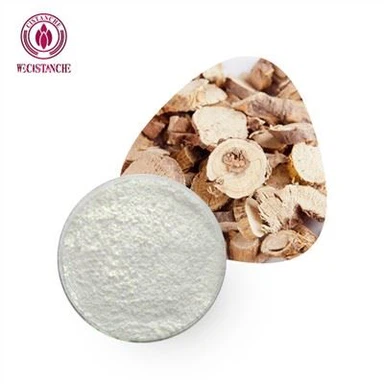
Cistanche is a traditional Chinese herbal medicine used for centuries to treat various health conditions, including kidney disease. It is derived from the dried stems of Cistanche deserticola, a plant native to the deserts of China and Mongolia. The main active components of cistanche are phenylethanoid glycosides, echinacoside, and acteoside, which have been found to have beneficial effects on kidney health.
Kidney disease, also known as renal disease, refers to a condition in which the kidneys are not functioning properly. This can result in a buildup of waste products and toxins in the body, leading to various symptoms and complications. Cistanche may help treat kidney disease ase through several mechanisms.
Firstly, cistanche has been found to have diuretic properties, meaning it can increase urine production and help eliminate waste products from the body. This can help relieve the burden on the kidneys and prevent the buildup of toxins. By promoting diuresis, cistanche may also help Reduce high blood pressure, a common complication of kidney disease.
Moreover, cistanche has been shown to have antioxidant effects. Oxidative stress, caused by an imbalance between the production of free radicals and the body's antioxidant defenses, plays a key role in the progression of kidney disease. ies help neutralize free radicals and reduce Oxidative stress, thereby protecting the kidneys from damage. The phenylethanoid glycosides found in cistanche have been particularly effective in scavenging free radicals and inhibiting lipid peroxidation.
Additionally, cistanche has been found to have anti-inflammatory effects. Inflammation is another key factor in the development and progression of kidney disease. Cistanche's anti-inflammatory properties help reduce the production of pro-inflammatory cytokines and inhibit the activation of inflammation mandatory pathways, thus alleviating inflammation in the kidneys.

Furthermore, cistanche has been shown to have immunomodulatory effects. In kidney disease, the immune system can be dysregulated, leading to excessive inflammation and tissue damage. Cistanche helps regulate the immune response by modulating the production and activity of immune cells, such as T cells and macrophages. This immune regulation helps reduce inflammation and prevent further damage to the kidneys.
Moreover, cistanche has been found to improve renal function by promoting the regeneration of renal tubes with cells. Renal tubular epithelial cells play a crucial role in the filtration and reabsorption of waste products and electrolytes. In kidney disease, these cells can be damaged, leading to damaged renal function. Cistanche's ability to promote the regeneration of these cells helps restore proper renal function and improve overall kidney health.
In addition to these direct effects on the kidneys, cistanche has been found to have beneficial effects on other organs and systems in the body. This holistic approach to health is particularly important in kidney disease, as the condition often affects multiple organs and systems. che has been shown to have protective effects on the liver, heart, and blood vessels, which are commonly affected by kidney disease. By promoting the health of these organs, cistanche helps improve overall kidney function and prevent further complications.
In conclusion, cistanche is a traditional Chinese herbal medicine used for centuries to treat kidney disease. Its active components have diuretic, antioxidant, anti-inflammatory, immunomodulatory, and regenerative effects, which help improve renal function and protect the kidneys from further damage. , cistanche has beneficial effects on other organs and systems, making it a holistic approach to treating kidney disease.