Constipation Is Divided Into Deficiency And Excess, With Different Methods
Dec 01, 2023
Traditional Chinese medicine divides constipation into two categories: actual constipation and deficient constipation, which are mainly caused by factors such as external cold and heat evils, internal damage to diet, emotional weakness after illness, and insufficient yin and yang qi and blood. Excess constipation refers to constipation with the syndrome, which can be divided into heat constipation, qi secretion, and cold constipation; deficiency constipation refers to constipation with deficiency syndrome, mostly chronic constipation, with four common syndrome types: qi deficiency, yin deficiency, blood deficiency, and yang deficiency. So how can we improve constipation in daily life? Follow me and learn together!
Real constipation
1. Hot secret

Click on home remedies for constipation
The main symptoms are dry and hard stools, difficulty in defecation, dry mouth, bad breath, flushed face, and upset.
Shengjun tea: Take 4 grams of raw rhubarb (also known as Shengjun), brew it in boiling water for 5 minutes, add the appropriate amount of sugar to taste, and drink it frequently instead of tea, 1 to 2 times a day.
2. Cold secret
The main symptoms include hard and astringent stools, difficulty in passing out, cold pain in the abdomen, reluctance to press, lukewarm hands and feet, or nausea and vomiting.
Shabu porridge: You can take 10-15 grams of Shabu (fresh 30-50 grams), cook it with 100 grams of japonica rice to make porridge, and eat it warm, 1 to 2 times a day.
3. Qi secrets
The main symptoms are dry and hard stools or not very dry and hard stools, inability to have a bowel movement or discomfort when passing stools, accompanied by abdominal distension, bowel sounds, chest and hypochondrium distention, etc.
Muxiang and betel nut porridge: You can take 5 grams each of Muxiang and betel nut and decoct in water to keep the juice. Add 100 grams of japonica rice to cook the porridge. When the porridge is cooked, add an appropriate amount of rock sugar and fry it for a while. Eat it warm, 1 to 2 times a day.

Deficiency constipation
1. Qi deficiency and secrets
The main symptoms are that the stool is not dry and hard, it is difficult to defecate although there is an urge to defecate, sweating, and shortness of breath occur when exerting effort, accompanied by lack of energy and physical fatigue.
Niu Sui paste: Take 60 grams each of ginseng, yam, peach kernel, and almond, and 90 grams of walnut meat and grind it into fine powder. Put 90 grams of beef marrow into an iron pot, heat to dissolve, then add 240 grams of honey to simmer, boil, and filter out. Pour, add the powdered medicine, stir continuously with bamboo slices until it turns yellow, wait for cooling, put it in a porcelain pot, and set aside, use 5 to 10 grams each time, and chew on an empty stomach.
2. The secret of blood deficiency
The main symptoms are dry and hard stools, poor defecation, dull complexion, dizziness, and insomnia.
Milk and honey drink: You can mash 25 grams of black sesame seeds, mix thoroughly with 50 ml each of boiled milk and honey, and drink it on an empty stomach in the morning.

3. Yin deficiency secret
The main symptoms are dry and hard stools that look like sheep feces, accompanied by weight loss, dry mouth, and bitter mouth.
Mulberry and Rehmannia glutinosa honey paste: decoct 500 grams of mulberries and 200 grams of raw rehmannia glutinosa twice in water, combine the decoctions, and then simmer over low heat until it is thicker and thicker, add 1 times the honey, bring to a boil and stop the fire, wait for cold bottling, and set aside. Take 1 tablespoon each time with boiling water, 2 times a day.
4. Yang deficiency secret
The main symptoms are dry or non-dry stools, difficulty in defecation, pale complexion, and chills in the limbs.
Mutton Noodles with Suorong: Take 5 grams each of Cynomorium Cynomorium and Cistanche deserticola and decoct in water to retain the juice. Let it cool, take 200 grams of flour, mix the noodles with the concoction to make noodles, cook the noodles with mutton soup, add green onion, salt, and other seasonings, and serve. Eat as a staple food or snack.
Natural Herbal Medicine For Relieving Constipation-Cistanche
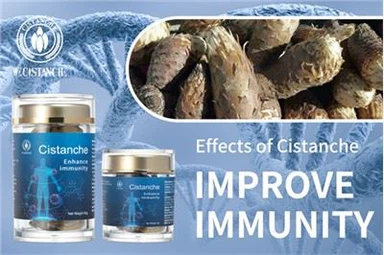
Cistanche is a genus of parasitic plants that belongs to the family Orobanchaceae. These plants are known for their medicinal properties and have been used in Traditional Chinese Medicine (TCM) for centuries. Cistanche species are predominantly found in arid and desert regions of China, Mongolia, and other parts of Central Asia. Cistanche plants are characterized by their fleshy, yellowish stems and are highly valued for their potential health benefits. In TCM, Cistanche is believed to have tonic properties and is commonly used to nourish the kidney, enhance vitality, and support sexual function. It is also used to address issues related to aging, fatigue, and overall well-being. While Cistanche has a long history of use in traditional medicine, scientific research on its efficacy and safety is ongoing and limited. However, it is known to contain various bioactive compounds such as phenylethanoid glycosides, iridoids, lignans, and polysaccharides, which may contribute to its medicinal effects.

Wecistanche's cistanche powder, cistanche tablets, cistanche capsules, and other products are developed using desert cistanche as raw materials, all of which have a good effect on relieving constipation. The specific mechanism is as follows: Cistanche is believed to have potential benefits for relieving constipation based on its traditional use and certain compounds it contains. While scientific research specifically on Cistanche's effect on constipation is limited, it is thought to have multiple mechanisms that may contribute to its potential to relieve constipation. Laxative Effect: Cistanche has long been used in Traditional Chinese Medicine as a remedy for constipation. It is believed to have a mild laxative effect, which can help promote bowel movements and induce constipation. This effect may be attributed to various compounds found in Cistanche, such as phenylethanoid glycosides and polysaccharides. Moistening the Intestines: Based on traditional use, Cistanche is considered to have moisturizing properties, specifically targeting the Intestines. Promoting hydration and lubrication of the Intestines may help soften tools and facilitate easier passage, thereby relieving constipation. Anti-inflammatory Effect: Constipation can sometimes be associated with inflammation in the digestive tract. Cistanche contains certain compounds, including phenylethanoid glycosides and lignans, that are believed to have anti-inflammatory properties. By reducing inflammation in the intestines, it may help improve bowel movement regularity and relieve constipation.