Constipation-prone Conditions That May Be Happening To You
Aug 07, 2023
"Constipation" is not a serious disease, but it seriously plagues our lives. According to the Chinese epidemiological survey, the incidence of constipation in the general population is about 9%-13%, of which 25%-50% is senile constipation. Constipation In addition to causing health problems such as hemorrhoids and anal fissures, the harm to the elderly cannot be ignored. Some elderly people even use too much force when defecating, resulting in a sudden increase in blood pressure and causing dangerous events such as myocardial infarction and stroke.

Click to Cistanche for natural remedies for constipation
There are many causes of constipation, but some of them can be avoided by improving living habits. These conditions that tend to cause constipation may be happening to you.
how is it convenient
Currently, the diagnostic criteria for Rome III functional constipation that are widely recommended in clinical practice are as follows:
1. Symptoms must include ≥ 2 of the following
(1) Straining to defecate at least 25% of the time;
(2) Stools are dry balls or hard stools at least 25% of the time;
(3) Feeling of incomplete defecation at least 25% of the time;
(4) Sensation of anorectal obstruction or blockage at least 25% of defecations;
(5) At least 25% of the time defecation requires manual assistance (such as using fingers to assist defecation, pelvic floor support);
(6) Frequency of defecation <3 times/week.
2. Rarely have loose stools without laxatives
3. There is not enough evidence to diagnose IBS
Symptoms appeared for at least 6 months before the diagnosis, and the symptoms met the above diagnostic criteria in the past 3 months.

Of course, everyone's bowel movements are different. Some people may defecate once every 4-5 days, but if there is no discomfort such as dry stool or poor discharge, it does not belong to the category of constipation.
Conditions prone to constipation
Clinically, constipation is divided into two categories: functional constipation and secondary constipation. Functional constipation is more common. Patients in this category have no organic disease and only show symptoms of difficulty in defecation. Secondary constipation refers to "constipation" caused by intestinal diseases such as intestinal tumors, volvulus, intestinal stenosis, or extraintestinal diseases such as endocrine disorders, which can be improved after the treatment of related diseases.
There are several common causes of functional constipation:
1. Lose weight blindly, reduce diet, and drink water
Sufficient food volume is required to form dross in the intestinal tract to stimulate intestinal peristalsis. Dieting to lose weight results in not enough food residue in the gut to form a stool.
2. The diet is too refined and the intake of crude fiber is low
Crude fiber food is not absorbed by the intestines, but it can absorb water and expand like a sponge, maintaining enough volume to stimulate the intestines to produce a bowel movement.
3. Reduced activity
The gastrointestinal peristalsis is slow, the stool stays in the intestine for too long, and the stool becomes dry and hard due to excessive water absorption, and the volume becomes smaller and difficult to excrete, causing constipation.
4. Taking medicine for a long time
Anesthetics, painkillers, calcium channel antagonists (such as diltiazem, etc.), antidepressants, anticonvulsants, and antihistamines can all cause constipation.
5. Mental stress factors
Mental stress causes sympathetic nerve excitement, thereby inhibiting the activity of the enteric nervous system, which in turn causes weakened gastrointestinal motility, decreased mucosal secretion, and promotes the occurrence of constipation. In addition, patients with mental illnesses such as depression and hysteria often suffer from constipation.
Good bowel habits can help prevent constipation
People are born with two "golden times" for defecation: one is the "stand up reflex" of getting up in the morning, that is, when you wake up in the morning, change from lying down to sitting and then stand up, the intestinal peristalsis will increase, and the intestinal tract will produce a huge The peristaltic wave of the stomach helps the stool to be discharged; the other is the "gastrointestinal reflex" after a meal, that is, the food stimulates the stomach after eating to cause a gastrointestinal reflex, and then awakens the natural defecation reflex, which is also one of the best times for defecation.
In addition, concentrate on defecation and reduce external interference, such as not playing mobile phones, playing games, reading newspapers, etc.
Drinking yogurt can help relieve constipation
There is a correlation between intestinal flora disturbance and functional constipation, so probiotics are used clinically to treat constipation. Probiotics have fewer adverse reactions and have multiple physiological benefits, so they can be used as long-term adjuvant drugs for chronic constipation.
Probiotics include probiotics, prebiotics, synbiotics, etc. Probiotics are live bacteria that are beneficial and harmless to the host. Prebiotics are food ingredients that can selectively stimulate the activity or growth of beneficial bacteria in the intestine to improve the health of the host. Synbiotics are preparations that contain both probiotics and prebiotics. Existing studies have shown that the constipation symptoms of patients with constipation who adhere to the treatment of probiotics are improved.

"Yogurt" is fermented by adding Lactobacillus bulgaricus and Streptococcus thermophilus to milk. There are many kinds of yogurt on the market. Only drinking yogurt with live probiotics can improve constipation; in addition, there are individual differences due to constipation. However, drinking yogurt is not effective for every constipation patient, and a longer observation time is required.
Nuts are laxatives too
Vegetable oil in high-fat foods can decompose fatty acids, enhance intestinal peristalsis, and lubricate the intestines. Nuts contain a lot of fat, and proper consumption has a laxative effect. But pay attention to proper consumption, because high-fat and high-sugar eating habits will lead to a decrease in the proportion of commensal bacteria, which will cause intestinal flora imbalance.
Drinking tea has a two-way effect on constipation
Black tea, Pu'er, and other teas are fermented and contain relatively little tannic acid, which can inhibit bowel movements and aggravate constipation. Therefore, people with constipation are more suitable to drink black tea and Pu'er tea. It should be noted that when people with constipation drink tea, it is best to shorten the soaking time of the tea and minimize the amount of tea. Because if you drink too much black tea, it is easy to cause the patient's sympathetic nerve excitement. At this time, it will inhibit gastrointestinal peristalsis and cause constipation. Therefore, don't drink too much tea, especially strong black tea.
Do not use laxatives frequently
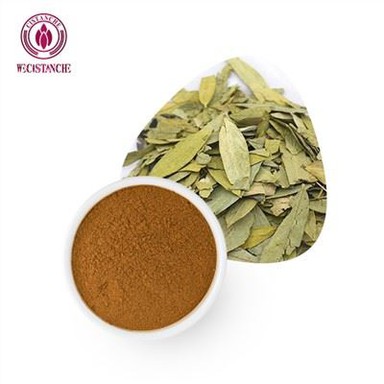
When constipation occurs, you should first consider improving your bad lifestyle. When it is still ineffective after correction, it is recommended to take non-stimulant laxatives, because stimulant laxatives (senna, rhubarb, phenolphthalein, etc.) have a quick effect, but if taken for a long time, it is easy to cause dose dependence and even induce melanosis of the colon ( MC, a precancerous lesion).
Non-irritating laxatives commonly used in clinical practice include osmotic laxatives (fructose and polyethylene glycol, etc.) and lubricating laxatives (oral drugs such as liquid paraffin and glycerin, and external drugs such as Kaisailu).
Most functional constipation is related to gastrointestinal motility disturbance, so restoring gastrointestinal motility is the key to treating chronic constipation. If after improving your lifestyle, the symptoms of constipation still do not improve, and you have abdominal distension but lack of desire to defecate, you should go to the hospital for treatment.
Natural Herbal Medicine For Relieving Constipation-Cistanche
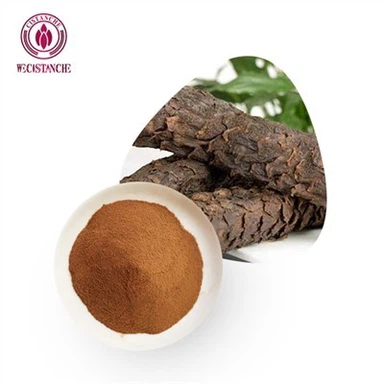
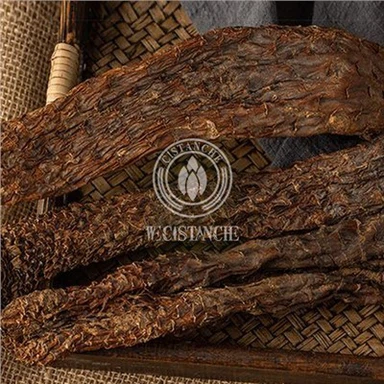
Cistanche is a genus of parasitic plants that belongs to the family Orobanchaceae. These plants are known for their medicinal properties and have been used in Traditional Chinese Medicine (TCM) for centuries. Cistanche species are predominantly found in arid and desert regions of China, Mongolia, and other parts of Central Asia. Cistanche plants are characterized by their fleshy, yellowish stems and are highly valued for their potential health benefits. In TCM, Cistanche is believed to have tonic properties and is commonly used to nourish the kidney, enhance vitality, and support sexual function. It is also used to address issues related to aging, fatigue, and overall well-being. While Cistanche has a long history of use in traditional medicine, scientific research on its efficacy and safety is ongoing and limited. However, it is known to contain various bioactive compounds such as phenylethanoid glycosides, iridoids, lignans, and polysaccharides, which may contribute to its medicinal effects.

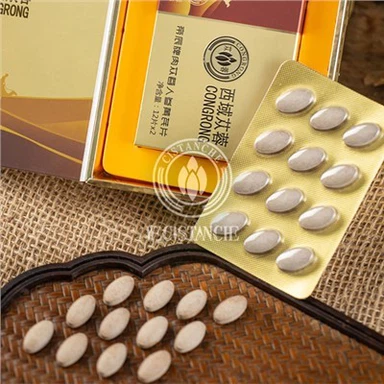
Wecistanche's cistanche powder, cistanche tablets, cistanche capsules, and other products are developed using desert cistanche as raw materials, all of which have a good effect on relieving constipation. The specific mechanism is as follows: Cistanche is believed to have potential benefits for relieving constipation based on its traditional use and certain compounds it contains. While scientific research specifically on Cistanche's effect on constipation is limited, it is thought to have multiple mechanisms that may contribute to its potential to relieve constipation. Laxative Effect: Cistanche has long been used in Traditional Chinese Medicine as a remedy for constipation. It is believed to have a mild laxative effect, which can help promote bowel movements and induce constipation. This effect may be attributed to various compounds found in Cistanche, such as phenylethanoid glycosides and polysaccharides. Moistening the Intestines: Based on traditional use, Cistanche is considered to have moisturizing properties, specifically targeting the Intestines. By promoting hydration and lubrication of the Intestines, it may help soften tools and facilitate easier passage, thereby relieving constipation. Anti-inflammatory Effect: Constipation can sometimes be associated with inflammation in the digestive tract. Cistanche contains certain compounds, including phenylethanoid glycosides and lignans, that are believed to have anti-inflammatory properties. By reducing inflammation in the intestines, it may help improve bowel movement regularity and relieve constipation.