Constipation - Treatment Misunderstandings You Don’t Know
Oct 30, 2023
Constipation, a common disease that seriously affects the life and health of patients, has a high incidence rate and tends to get younger. However, many people have many misunderstandings about it and blindly abuse laxatives for treatment. During the treatment process, he gradually developed "stubborn" constipation, which made him miserable.

To be precise, constipation is not a disease but includes a wide range of symptoms, such as reduced defecation frequency (generally less than 3 times per week), dry and hard stools and difficulty in defecation, a feeling of incomplete defecation, anal swelling, and blockage, etc. Most people take constipation for granted and take laxatives to solve it.
People generally have the following misunderstandings about constipation
1. Constipation is too common to require treatment.
Although constipation is common, it should not be taken lightly. There are two reasons: the first reason is the high incidence rate. Constipation is the second most common gastrointestinal symptom, with an incidence rate of 15 to 20% in the population, and more than 40% of patients are over 60 years old.
Another reason is that constipation can be very harmful. Long-term absorption of toxins can cause liver function damage, insomnia and forgetfulness, mental depression, and even Alzheimer's disease.
Female patients can cause endocrine disorders, skin pigmentation, itching, chloasma, whelks acne, etc.
For the elderly and patients with cardiovascular and cerebrovascular diseases, constipation is an important cause of sudden death.
2. Constipation can be left untreated and will not evolve into colorectal cancer.
Constipation is divided into two types: functional constipation and organic constipation.

Functional constipation refers to the imbalance or disorder of the physiological function of defecation for some reason. For example, diet, defecation, living habits, occupational factors, psychological factors, etc.
Short-term constipation can be improved through self-adjustment; if it is not adjusted in time, it will become chronic functional constipation over time. Recent studies have shown that patients with constipation are also significantly more likely to develop colorectal cancer and benign tumors.
The other is organic constipation, which is constipation caused by organic lesions. Such as benign and malignant tumors of the large intestine and anus, space-occupying lesions in the abdominal and pelvic cavity, endocrine and metabolic diseases, neurological diseases, etc., which may directly or indirectly affect constipation.
3. Do you need treatment immediately after constipation occurs?
This may not be the case, it depends on the specific circumstances. If constipation persists for more than 3 months, patients under 40 years old can receive 2 to 4 weeks of formal empirical treatment, such as lifestyle adjustment, cognitive therapy, laxatives, etc. For those over 40 years old who have "alarm" signs (referring to blood in the stool, anemia, abdominal pain, weight loss, abdominal mass, colorectal polyps, and family history of colorectal tumors), clinical examinations such as colonoscopy are required and must not be procrastination.
4. Treat with laxatives, the effect is quick and effective.
The use of laxatives is very particular, and the principle of graded drug treatment should be adopted. Among them, volumetric laxatives are first-line drugs, mainly cellulose preparations, such as wheat cellulose (not bran); osmotic laxatives are second-line drugs, such as polyethylene glycol and lactulose. Clinically, volume laxatives and osmotic laxatives are recommended first for treatment.
Stimulant laxatives are third-line, such as phenolphthalein (fruit guide tablets), bisacodyl, rhubarb, senna, etc., and can only be used as temporary medications to relieve constipation. Such drugs and their metabolites stimulate intestinal peristalsis and relieve constipation. Although the effect is quick, long-term stimulation of the nerves in the intestinal wall can cause weakness of the large intestine muscles. At the same time, these drugs mostly contain anthraquinones, which can easily form drug dependence.
Long-term abuse of laxatives can lead to laxative dependence, intestinal dysfunction, and aggravation of constipation. It can also cause melanosis of the large intestine and even increase the risk of colon cancer.
5. No examination is required before surgical treatment.
Studies have found that less than 50% of patients who underwent surgery without detailed examination improved their symptoms. Many factors cause constipation. Only by comprehensively analyzing the results of various examinations, clarifying the cause, and conducting a comprehensive multidisciplinary evaluation can we determine whether the patient's condition requires surgery and what kind of surgery is needed.
Functional constipation is generally divided into slow transit type, outlet obstruction type, and mixed type. Therefore, first, we need to perform classification through a colonic transit test and pelvic floor ultrasound.

Slow-transit constipation refers to constipation caused by the slow passage of intestinal contents. To identify such patients, a colonic transit test can be performed, in which the patient takes a capsule containing 20 markers orally and excretes at least 80% of the markers within 72 hours (16 capsules), the colonic transit is considered normal. During this period, the use of various laxatives and gastrointestinal motility drugs should be avoided.
The causes of outlet obstruction constipation are complex. Traditionally, defecography is used for diagnosis, but now the application of pelvic floor ultrasound is gradually gaining attention, mainly because pelvic floor ultrasound is non-invasive, does not require bowel preparation, and provides privacy.
Further, we need to use anorectal manometry to understand the power and sensory functions of the anorectum, and barium enema examination to understand the morphology of the large intestine.
6. Will surgical treatment of constipation cause great trauma?
For severe constipation, surgical treatment is required. We use laparoscopic minimally invasive surgery to treat constipation, which can minimize damage to organs, blood vessels, and nerves, and improve defecation function without affecting other functions such as urinary and reproductive function.
Constipation generally occurs in middle-aged and elderly people. If the surgical patient is older, the long incision will bring great difficulties to the patient's recovery. Laparoscopic surgery is relatively safe, significantly reduces the damage to the abdominal wall, and the recovery time after surgery is also significantly shortened.
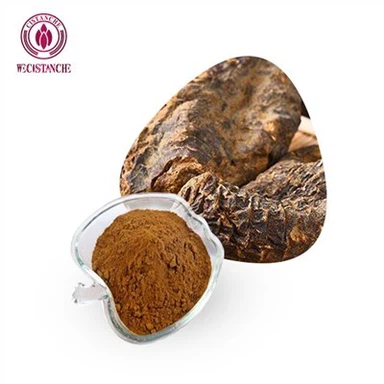
Natural Herbal Medicine For Relieving Constipation-Cistanche
Cistanche is a genus of parasitic plants that belongs to the family Orobanchaceae. These plants are known for their medicinal properties and have been used in Traditional Chinese Medicine (TCM) for centuries. Cistanche species are predominantly found in arid and desert regions of China, Mongolia, and other parts of Central Asia. Cistanche plants are characterized by their fleshy, yellowish stems and are highly valued for their potential health benefits. In TCM, Cistanche is believed to have tonic properties and is commonly used to nourish the kidney, enhance vitality, and support sexual function. It is also used to address issues related to aging, fatigue, and overall well-being. While Cistanche has a long history of use in traditional medicine, scientific research on its efficacy and safety is ongoing and limited. However, it is known to contain various bioactive compounds such as phenylethanoid glycosides, iridoids, lignans, and polysaccharides, which may contribute to its medicinal effects.

Wecistanche's cistanche powder, cistanche tablets, cistanche capsules, and other products are developed using desert cistanche as raw materials, all of which have a good effect on relieving constipation. The specific mechanism is as follows: Cistanche is believed to have potential benefits for relieving constipation based on its traditional use and certain compounds it contains. While scientific research specifically on Cistanche's effect on constipation is limited, it is thought to have multiple mechanisms that may contribute to its potential to relieve constipation. Laxative Effect: Cistanche has long been used in Traditional Chinese Medicine as a remedy for constipation. It is believed to have a mild laxative effect, which can help promote bowel movements and induce constipation. This effect may be attributed to various compounds found in Cistanche, such as phenylethanoid glycosides and polysaccharides. Moistening the Intestines: Based on traditional use, Cistanche is considered to have moisturizing properties, specifically targeting the Intestines. Promoting hydration and lubrication of the Intestines may help soften tools and facilitate easier passage, thereby relieving constipation. Anti-inflammatory Effect: Constipation can sometimes be associated with inflammation in the digestive tract. Cistanche contains certain compounds, including phenylethanoid glycosides and lignans, that are believed to have anti-inflammatory properties. By reducing inflammation in the intestines, it may help improve bowel movement regularity and relieve constipation.