What To Do If Constipation Is Caused By Dry Weather in Autumn
Oct 30, 2023
What causes constipation in autumn?
Many people who already have constipation may experience aggravation of constipation due to autumn dryness. Some people who do not have constipation may also feel that their stools are slightly dry and hard to defecate during this season. In addition, long-term constipation may be accompanied by discomfort such as bloating, bad breath, and loss of appetite. Moreover, the metabolic waste retained in the intestines is not removed in time, which can also bring more potential health risks to the human body. Therefore, in autumn, it is necessary to pay attention to the problem of constipation.

air drying
As the climate gradually becomes drier, body fluids in the body are lost, the intestines become "dry" and the intestinal function will also weaken. If there is insufficient body fluid in the intestines, the stool will become dry and hard, leading to constipation.
Unreasonable diet structure
Low dietary fiber intake
As the weather gets colder, people's appetites begin to improve. Excessive intake of meat, fish, and greasy food, and reduced intake of dietary fiber increase the burden on the gastrointestinal tract and slow intestinal peristalsis. The original balance of intestinal flora is destroyed, so it can easily lead to constipation and even some intestinal diseases.
Reduced amount of exercise and lack of motivation to defecate
As the weather gets colder, people's physical activity also decreases. Lack of exercise will weaken intestinal peristalsis, and the beneficial bacteria in the intestines lack an aerobic environment, leading to intestinal flora disorder, which over time can easily lead to constipation, loss of appetite, indigestion, and other problems.
What are the dangers of long-term constipation?
Long-term constipation is not only accompanied by bloating, loss of appetite, and bad breath but can also easily induce or aggravate health problems such as enteritis and hemorrhoids. Metabolic wastes retained in the intestines are not excreted in time and are used by harmful bacteria or re-enter the human body, which will bring more potential health risks.

Cause anorectal diseases
Constipation, difficulty in defecation, and dry feces can directly cause or intensify anorectal diseases. Such as proctitis, anal fissure, hemorrhoids, etc.
Causing gastrointestinal neurological disorders
During constipation, the retention of feces and the absorption of harmful substances can cause gastrointestinal nerve dysfunction, leading to symptoms such as loss of appetite, abdominal fullness, belching, bitter mouth, and excessive anal exhaust.
increased risk of bowel cancer
In long-term chronic constipation, dry feces often stay in the large intestine, which will inevitably have a negative stimulating effect on the intestinal mucosa and cause inflammation in the intestinal mucosa. Long-term contact between the large intestinal mucosa and harmful substances may cause rectal and colon lesions.
Induce cardiovascular and cerebrovascular disease attacks
Especially for the elderly, constipation should not be underestimated. The moment of exertion due to constipation can easily become the last straw for cardiovascular disease.
Clinically, the incidence of cardiovascular and cerebrovascular diseases caused by exerting force to increase abdominal pressure and holding breath while defecating due to constipation has been increasing year by year. Such as inducing angina pectoris, myocardial infarction, stroke, etc.
How to prevent and treat constipation daily?
Adjust diet structure
Don’t be too refined or too refined in your daily diet. Pay attention to eating more whole grains and miscellaneous grains, and try to avoid greasy and irritating foods. Because there are many residues after the digestion of whole grains and grains, they can increase the stimulation of the intestines and facilitate defecation. In addition, eat more vegetables rich in fiber, such as leeks, celery, etc.

It can also be paired with Well3 Pure Body High Fiber Grain Powder, which is rich in a variety of dietary fibers and can soften feces, promote intestinal peristalsis, and smooth bowel movements.
At the same time, make sure you drink enough water so that the intestines get enough water, which can facilitate the passage of intestinal substances.
Develop the habit of concentrating on defecation
It is not advisable to look at mobile phones, listen to the radio, smoke cigarettes, etc. when going to the toilet. Eliminate all bad habits that distract and induce the urge to defecate and prolong defecation time. The elderly should use a sitting toilet to prevent collapse caused by squatting for a long time and straining to defecate.
exercise regularly
Exercise can enhance physical fitness, improve immunity, improve the ability to adapt to seasonal changes, and reduce the recurrence of diseases. For example, taking a proper walk after a meal can help improve gastrointestinal motility, speed up peristalsis, and reduce the burden of digestion.
Natural Herbal Medicine For Relieving Constipation-Cistanche
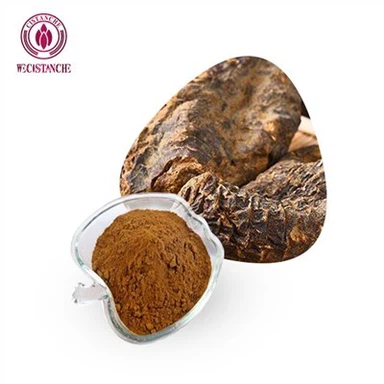
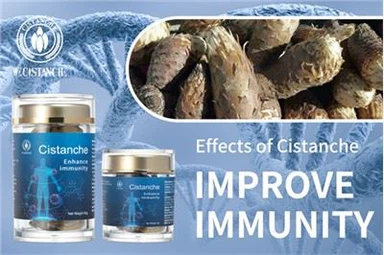
Cistanche is a genus of parasitic plants that belongs to the family Orobanchaceae. These plants are known for their medicinal properties and have been used in Traditional Chinese Medicine (TCM) for centuries. Cistanche species are predominantly found in arid and desert regions of China, Mongolia, and other parts of Central Asia. Cistanche plants are characterized by their fleshy, yellowish stems and are highly valued for their potential health benefits. In TCM, Cistanche is believed to have tonic properties and is commonly used to nourish the kidney, enhance vitality, and support sexual function. It is also used to address issues related to aging, fatigue, and overall well-being. While Cistanche has a long history of use in traditional medicine, scientific research on its efficacy and safety is ongoing and limited. However, it is known to contain various bioactive compounds such as phenylethanoid glycosides, iridoids, lignans, and polysaccharides, which may contribute to its medicinal effects.

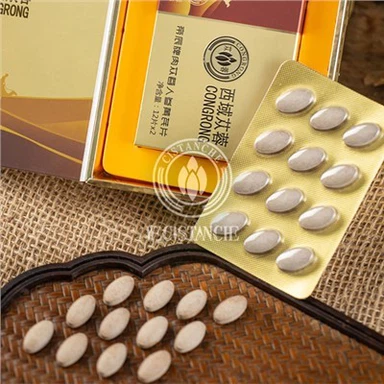
Wecistanche's cistanche powder, cistanche tablets, cistanche capsules, and other products are developed using desert cistanche as raw materials, all of which have a good effect on relieving constipation. The specific mechanism is as follows: Cistanche is believed to have potential benefits for relieving constipation based on its traditional use and certain compounds it contains. While scientific research specifically on Cistanche's effect on constipation is limited, it is thought to have multiple mechanisms that may contribute to its potential to relieve constipation. Laxative Effect: Cistanche has long been used in Traditional Chinese Medicine as a remedy for constipation. It is believed to have a mild laxative effect, which can help promote bowel movements and induce constipation. This effect may be attributed to various compounds found in Cistanche, such as phenylethanoid glycosides and polysaccharides. Moistening the Intestines: Based on traditional use, Cistanche is considered to have moisturizing properties, specifically targeting the Intestines. Promoting hydration and lubrication of the Intestines, may help soften tools and facilitate easier passage, thereby relieving constipation. Anti-inflammatory Effect: Constipation can sometimes be associated with inflammation in the digestive tract. Cistanche contains certain compounds, including phenylethanoid glycosides and lignans, that are believed to have anti-inflammatory properties. By reducing inflammation in the intestines, it may help improve bowel movement regularity and relieve constipation.