Deconstructing Obstructive Defecation Syndrome With Adaptive Biofeedback
Sep 25, 2023
The common syndromes of chronic constipation (CC) and obstructive defecation syndrome (ODS) have a significant impact on the quality of life of affected patients. In up to 40% of patients, CC is caused by the behavioral condition termed dyssynergic defecation (DD), which entails a paradoxical contraction, inadequate relaxation, or both of the puborectalis muscle, often associated with inadequate propulsive forces during defecation.

Click to home remedies for constipation
Though the symptoms and physiological testing are the mainstay of diagnosis. [1, 2], the diagnosis of DD is however often difficult as more than half of healthy volunteers have manometric findings consistent with DD [3], possibly due to procedure-related factors such as positioning in the left lateral position and the embarrassing nature of the investigation [4].
According to several guidelines, DD can therefore only be diagnosed based on at least two complementary tests (i.e., balloon expulsion tests, manometry, proctography, or defecography) [4, 5]. Biofeedback is an operant conditioning therapy; in the case of ODS, it entails either visualization of anorectal and abdominal muscle activity with manometry or electromyography to help the patient increase intra-abdominal pressure and relax the anal sphincter musculature during defecation.
Due to its proven efficacy in ODS in several randomized trials—showing it to be more effective than sham feedback or medical therapy with laxatives and benzodiazepines—it is recommended by several guidelines for the treatment of chronic constipation as a first-line treatment. Sustained symptom improvement can be achieved in more than 70% of patients [6–8].
Patient selection for biofeedback is crucial as, especially patients with constipation due to other causes do not benefit to the same degree as do patients with ODS [9]. Further predictors of success are the patient’s motivation and adherence to treatment, raised symptom severity, and digital assistance with stooling [10, 11]. Another obstacle to effective biofeedback training is the availability of specialist biofeedback therapists. Since office-based biofeedback therapy is expensive and time-consuming, randomized controlled trials have recently shown promising results for home-based biofeedback devices to provide cost-effective treatment to more patients [12].
In the current issue of Digestive Diseases and Sciences, Yuemei Xu and colleagues present the interesting result of a randomized controlled trial of adaptive versus fixed (i.e., conservative) biofeedback therapy in 42 patients with constipation due to CC [13]. Regardless of randomization, all patients received two weeks of sham biofeedback. The adaptive biofeedback regimen (ABF) included visual, auditive, and qualitative feedback throughout the sessions and more importantly, thresholds (i.e., sensation) were adapted specifically to the patient’s baseline characteristics and abilities and were furthermore adapted according to achieved goals.

During the Fixed Biofeedback Regimen (FBR), the experimental design was similar with the exception that the thresholds and goals were fixed and not individualized for the patient. Both groups were asked to perform exercises at home and attended biweekly training sessions.
Treatment success was defined by improved physiological results, symptom improvement, need for medication, and the number of complete spontaneous bowel movements per week, as recommended by the US Food and Drug Administration for trials of medications in chronic constipation. Twenty-one patients with CC completed ABF and 21 underwent FBR.
The number of complete bowel movements, symptoms of constipation, need for medications, and physiological results were significantly improved in the ABF group when compared with patients who underwent FBR, clearly demonstrating the efficacy of a tailored biofeedback treatment individualized to the patient’s needs and baseline criteria.
As in many other biofeedback studies, this study can be seen as partly biased as there was no full sham intervention since blinding was not possible. Another criticism is the small number of patients included in the study as differences in bowel movements and physiologic parameters between the two groups might be overestimated due to the low number of patients.

Nevertheless, the data generated by this study provide a compelling argument for individualized tailored feedback regimens that can be investigated in larger randomized controlled trials to improve patient outcomes and further the current success and popularity of biofeedback treatment. It remains to be seen if a tailored biofeedback approach might also be of benefit in refractory cases of chronic constipation due to DD.
Natural Herbal Medicine For Relieving Constipation-Cistanche
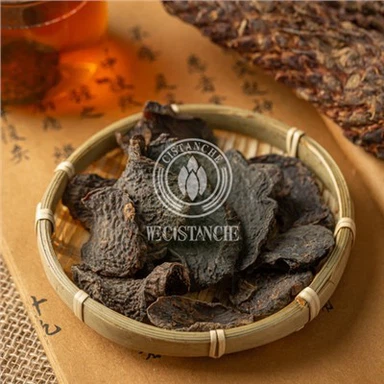
Cistanche is a genus of parasitic plants that belongs to the family Orobanchaceae. These plants are known for their medicinal properties and have been used in Traditional Chinese Medicine (TCM) for centuries. Cistanche species are predominantly found in arid and desert regions of China, Mongolia, and other parts of Central Asia. Cistanche plants are characterized by their fleshy, yellowish stems and are highly valued for their potential health benefits. In TCM, Cistanche is believed to have tonic properties and is commonly used to nourish the kidney, enhance vitality, and support sexual function. It is also used to address issues related to aging, fatigue, and overall well-being. While Cistanche has a long history of use in traditional medicine, scientific research on its efficacy and safety is ongoing and limited. However, it is known to contain various bioactive compounds such as phenylethanoid glycosides, iridoids, lignans, and polysaccharides, which may contribute to its medicinal effects.

Wecistanche's cistanche powder, cistanche tablets, cistanche capsules, and other products are developed using desert cistanche as raw materials, all of which have a good effect on relieving constipation. The specific mechanism is as follows: Cistanche is believed to have potential benefits for relieving constipation based on its traditional use and certain compounds it contains. While scientific research specifically on Cistanche's effect on constipation is limited, it is thought to have multiple mechanisms that may contribute to its potential to relieve constipation. Laxative Effect: Cistanche has long been used in Traditional Chinese Medicine as a remedy for constipation. It is believed to have a mild laxative effect, which can help promote bowel movements and induce constipation. This effect may be attributed to various compounds found in Cistanche, such as phenylethanoid glycosides and polysaccharides. Moistening the Intestines: Based on traditional use, Cistanche is considered to have moisturizing properties, specifically targeting the Intestines. Promoting hydration and lubrication of the Intestines, may help soften tools and facilitate easier passage, thereby relieving constipation. Anti-inflammatory Effect: Constipation can sometimes be associated with inflammation in the digestive tract. Cistanche contains certain compounds, including phenylethanoid glycosides and lignans, that are believed to have anti-inflammatory properties. By reducing inflammation in the intestines, it may help improve bowel movement regularity and relieve constipation.
References
1. Bharucha AE, Lacy BE. Mechanisms, evaluation, and management of chronic constipation. Gastroenterology 2020;158:1232– 49.e3.
2. Skardoon GR, Khera AJ, Emmanuel AV, Burgell RE. Review article: dyssynergia defaecation and biofeedback therapy in the pathophysiology and management of functional constipation. Aliment Pharmacol Ther 2017;46:410–23.
3. Grossi U, Carrington EV, Bharucha AE, Horrocks EJ, Scott SM, Knowles CH. Diagnostic accuracy study of anorectal manometry for diagnosis of dyssynergic defecation. Gut 2016;65:447–55.
4. Carrington EV, Scott SM, Bharucha A, Mion F, Remes-Troche JM, Malcolm A, et al. Expert consensus document: advances in the evaluation of anorectal function. Nat Rev Gastroenterol Hepatol 2018;15:309–23.
5. Carrington EV, Heinrich H, Knowles CH, Fox M, Rao S, Altomare DF, et al. The International Anorectal Physiology Working Group (IAPWG) recommendations: standardized testing protocol and the London classification for disorders of anorectal function. Neurogastroenterol Motil. 2020;32:e13679.
6. Chiarioni G. Biofeedback treatment of chronic constipation: myths and misconceptions. Tech Coloproctol 2016;20:611–8.
7. Rao SS, Benninga MA, Bharucha AE, Chiarioni G, Di Lorenzo C, Whitehead WE. ANMS-ESNM position paper and consensus guidelines on biofeedback therapy for anorectal disorders. Neurogastroenterol Motil 2015;27:594–609.
8. Serra J, Pohl D, Azpiroz F, Chiarioni G, Ducrotté P, Gourcerol G et al. European society of neurogastroenterology and motility guidelines on functional constipation in adults. Neurogastroenterol Motil. 2020;32:e13762.
9. Chiarioni G, Salandini L, Whitehead WE. Biofeedback benefits only patients with outlet dysfunction, not patients with isolated slow transit constipation. Gastroenterology 2005;129:86–97.
10. Patcharatrakul T, Valestin J, Schmeltz A, Schulze K, Rao SSC. Factors associated with response to biofeedback therapy for dyssynergic defecation. Clin Gastroenterol Hepatol 2018;16:715–21.
11. Heinrich H, Fruehauf H, Sauter M, Steingotter A, Fried M, Schwizer W, et al. The effect of standard compared to enhanced instruction and verbal feedback on anorectal manometry measurements. Neurogastroenterol Motil. 2013;25:230–7, e163.
12. Rao SSC, Valestin JA, Xiang X, Hamdy S, Bradley CS, Zimmerman MB. Home-based versus office-based biofeedback therapy for constipation with dyssynergic defecation: a randomized controlled trial. Lancet Gastroenterol Hepatol 2018;3:768–77.
13. Xu Y, Li X, Xia F, Xu F, Chen JDZ. Efficacy of a modified training program of adaptive biofeedback therapy for dyssynergic defecation in patients with chronic constipation. Dig Dis Sci. (Epub ahead of print). https://doi.org/10.1007/s10620-021-07094-z.