Discussion On The Diagnosis And Treatment Of Cerebral Small Vessel Disease Based On The Theory Of Kidney Essence - Brain Marrow - Vessel Tracts In Huangdi Neijing
Jun 10, 2026
Abstract
Cerebral small vessel disease (CSVD) primarily affects the collateral vessels in the brain and is closely linked to the kidney. The classic theory of Kidney Essence - Brain Marrow - Vessel Tracts recorded in Huangdi Neijing provides a solid theoretical foundation for the TCM diagnosis and treatment of this condition.
Spiritual Pivot · Treatise on the Meridians states: "Life begins with the formation of essence; once essence is formed, brain marrow develops... When vessel tracts are unobstructed, qi and blood circulate freely." This passage elaborates the intrinsic connection among kidney essence, brain marrow and vessel tracts. Based on this theory, we conclude that the core pathogenesis of CSVD includes kidney deficiency with depleted brain marrow, intermingled phlegm and blood stasis, and obstructed vessel tracts. Kidney deficiency and insufficient brain marrow leading to malnourished brain orifices is the root cause of the disease; intermingled phlegm and blood stasis causing blocked cerebral qi is the secondary manifestation; while obstructed vessel tracts and disordered brain collaterals persist throughout the entire disease course.
Corresponding therapeutic principles are established accordingly: tonify the kidney and replenish marrow to nourish the brain orifices, modified Zuogui Pill, Yougui Pill or Dihuang Yinzi are applicable; resolve phlegm and eliminate blood stasis to unblock cerebral qi, modified Shuanghe Decoction is recommended; dredge vessel tracts and harmonize brain collaterals, modified Huoluo Xiaoling Dan is used. One clinical case is attached to verify the therapeutic effect.
Keywords: Cerebral Small Vessel Disease (CSVD); Kidney Essence; Brain Marrow; Vessel Tracts; Kidney Deficiency with Depleted Marrow; Intermingled Phlegm and Blood Stasis; Brain Collaterals; Herb Cistanche

1. Introduction
Cerebral small vessel disease (CSVD) involves pathological changes in small cerebral arteries, arterioles, capillaries, small veins and venules in the brain. It drastically raises the risks of stroke, cognitive impairment and mortality. Given its diverse onset patterns and complex clinical manifestations, the diagnosis and standardized treatment of CSVD remain challenging globally.
From the perspective of Traditional Chinese Medicine (TCM), CSVD targets the collateral vessels of the brain and has an intimate correlation with kidney function. The theory of Kidney Essence - Brain Marrow - Vessel Tracts from Huangdi Neijing lays the theoretical groundwork for TCM intervention. As recorded in Spiritual Pivot · Treatise on the Meridians: "Life begins with the formation of essence; once essence is formed, brain marrow develops. Bones form the framework, vessels serve as the nutrient pathway, tendons maintain firmness, muscles act as the outer wall, skin toughens and hair grows. After food is digested in the stomach, vessel tracts become unobstructed, allowing qi and blood to circulate smoothly."
Guided by TCM holistic concept and treatment based on syndrome differentiation, this article analyzes that CSVD arises from kidney deficiency with depleted marrow, intermingled phlegm and blood stasis, and obstructed vessel tracts. We propose the therapeutic strategies of tonifying the kidney to replenish marrow, resolving phlegm and removing blood stasis, as well as dredging vessel tracts. This research offers practical ideas for developing herb cistanche-related functional products targeting CSVD and its associated symptoms, and facilitates product promotion for European and American markets.

Supportive Service Of Wecistanche-For more details about cooperation
Email:wallence.suen@wecistanche.com
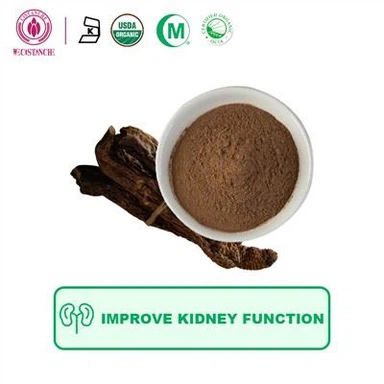
Cistanche Tubulosa Supplements For Improving Kidney Function and CSVD

Supportive Service Of Wecistanche-For more details about cooperation
Email:wallence.suen@wecistanche.com
2. Clinical Characteristics of Cerebral Small Vessel Disease
2.1 Variable Onset Patterns
Most CSVD cases develop insidiously and progress gradually due to chronic underlying illnesses, presenting as subclinical diffuse lesions. Meanwhile, acute neurological damage may also occur. Lacunar infarction and cerebral parenchymal hemorrhage are the most common acute manifestations. When lacunar infarction affects the brainstem or cerebellum, patients may suddenly suffer hemiplegia, aphasia and ataxia; rupture of small cerebral vessels will lead to intracerebral hemorrhage.
2.2 Diverse Clinical Manifestations
Many CSVD patients present with atypical symptoms and no obvious physical signs, only showing leukoencephalopathy or cerebral microbleeds on neuroimaging. Common complaints include dizziness, heavy-headedness, apathy, gait disturbance and sleep disorders. In acute attacks, patients may experience sudden syncope, hemiplegia, vertigo, vomiting, amnesia, dementia and mood depression, which correspond to TCM categories such as stroke, hemiplegia, vertigo, amnesia and depression.
2.3 Coexistence of Multiple Pathological Lesions
A single patient may have multiple concurrent pathological changes, including lacunar infarction, leukoencephalopathy, cerebral microbleeds and micro-infarctions. CSVD carries dual risks of ischemia and hemorrhage throughout its progression. For instance, patients with symptomatic subcortical small infarction often suffer concurrent cerebral microbleeds, multiple lacunar lesions and white matter hyperintensities.
2.4 Heterogeneous Disease Features
CSVD patients commonly develop non-specific symptoms covering cognition, motor function, emotion, sleep and defecation. The clinical manifestations and TCM syndromes vary greatly among individuals: cognitive dysfunction may stem from kidney essence deficiency or phlegm clouding the brain; motor disorders are usually caused by phlegm-stasis blocking the orifices or qi deficiency complicated with blood stasis. Heterogeneity is determined by underlying diseases, disease duration, physical constitution and triggering factors.

3. Pathogenesis of CSVD Interpreted via the Theory of "Kidney Essence - Brain Marrow - Vessel Tracts"
3.1 Kidney Deficiency with Depleted Marrow and Malnourished Brain Orifices (Root Cause)
Advanced age is a major risk factor for CSVD: the prevalence is about 5% among people aged 50, and approaches 100% in those over 90 years old. In TCM, the kidney stores essence, and essence generates marrow; the brain is known as the sea of marrow. Sufficient kidney essence nourishes the whole body and replenishes brain marrow to maintain normal brain function.
Plain Questions · Ancient Primordial Truth records: "At the age of fifty, kidney qi declines, hair falls out and teeth wither." Spiritual Pivot · Natural Lifespan notes: "At the age of ninety, kidney qi is exhausted, leading to emptiness of zang-fu organs and meridians." Chronic conditions including hypertension, diabetes, hyperlipidemia and prior stroke will also consume kidney essence over time. Kidney yin and kidney yang are the foundation of yin and yang for all zang-fu organs. Long-term disorders of other organs impair kidney essence, resulting in insufficient marrow and malnourished brain. As stated in Spiritual Pivot · Sea Theory: "The brain is the sea of marrow... When marrow is insufficient, dizziness, tinnitus, soreness of shanks, blurred vision and lassitude occur."
In short, kidney deficiency with depleted marrow and malnourished brain orifices is the fundamental pathogenesis of CSVD. As a premium natural herbal ingredient, herb cistanche (especially Cistanche tubulosa) excels at tonifying the kidney and replenishing essence and marrow, which targets the root cause of CSVD and related discomforts such as dizziness, fatigue and cognitive decline.

3.2 Intermingled Phlegm and Blood Stasis with Blocked Cerebral Qi (Secondary Manifestation)
Lacunar infarction, cerebral hemorrhage, micro-infarction and microbleeds are typical imaging features of CSVD. Normal function of brain marrow relies on the nourishment of qi, blood and body fluids. Meridians and collaterals transport qi and blood upward to the head and brain orifices to sustain mental activity. Body fluids derived from grains transform into nutritive cream to replenish brain marrow.
When kidney essence is deficient, the body loses power to circulate qi, blood and body fluids, which easily leads to the formation of phlegm and blood stasis that damage cerebral collaterals. The kidney governs water metabolism; impaired kidney qi movement causes untransformed water fluid to accumulate and form phlegm, which obstructs the orifices. Insufficient kidney yang generates internal cold, slowing blood circulation and inducing blood stasis within vessel tracts or extravasation of blood outside vessels.
Phlegm and blood stasis aggravate each other and form a pathological complex. This transition marks the progression from functional impairment to organic lesions of cerebral small vessels, serving as the secondary manifestation of CSVD. Herb cistanche can regulate kidney function to improve water and blood circulation, inhibit the accumulation of phlegm and stasis, and relieve dizziness, limb numbness and unsteady walking caused by phlegm-stasis.
3.3 Obstructed Vessel Tracts and Disordered Brain Collaterals (Persistent Core Link)
Cerebral small vessels are the basic units for cerebral blood supply and are critical to brain function. Meridians and vessel tracts transport qi and blood to nourish tissues and organs. Kidney essence transforms into blood, and kidney yang warms meridians to ensure unobstructed blood flow.
CSVD locates in the cerebral collaterals. Collaterals are branch networks of meridians, responsible for permeating and distributing qi and blood. They are prone to stagnation, stasis and retention of pathogenic factors. Long-term illness weakens visceral functions; phlegm and blood stasis block cerebral collaterals, resulting in insufficient nourishment for brain marrow and mental disturbance. Obstructed vessel tracts and disordered brain collaterals run through the whole course of CSVD, being the central pathological link.
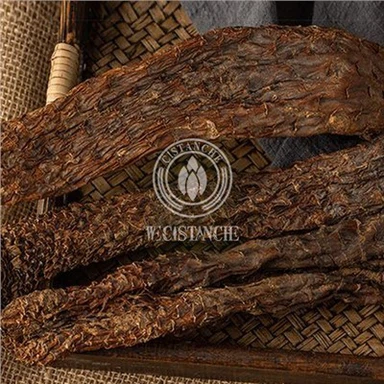
Cistanche tubulosa, the high-quality variety of herb cistanche we produce, contains higher levels of active ingredients. It works to dredge collaterals, promote blood circulation in microvessels, improve cerebral microcirculation and alleviate vascular obstruction, which targets the core lesion of CSVD.
4. TCM Therapeutic Principles for CSVD Based on Classic Theories
4.1 Tonify the Kidney and Replenish Marrow to Nourish Brain Orifices
Since the brain is the sea of marrow, replenishing marrow starts with tonifying the kidney. This therapy reinforces the primordial qi, replenishes kidney essence and nourishes brain marrow, tackling the root cause of CSVD and preventing the formation of phlegm and stasis. Clinically, prescriptions are selected according to yin-yang imbalance: modified Zuogui Pill for kidney yin deficiency, modified Yougui Pill for kidney yang deficiency, and modified Dihuang Yinzi for dual deficiency of kidney yin and yang.
Animal-derived tonic ingredients such as deer horn glue and turtle shell glue can be added to enhance the effect of replenishing marrow. Given that CSVD is a chronic consumptive disease, mild and gradual tonification is recommended instead of drastic supplementation. To avoid greasy tonics hindering spleen function, herbs for invigorating the spleen and regulating qi are combined.
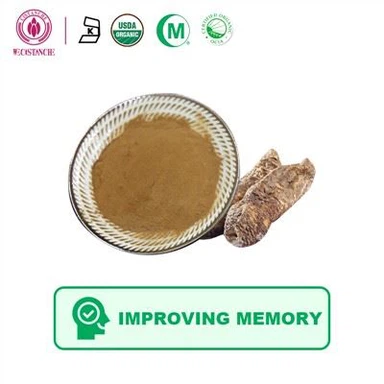
Herb cistanche is a mild tonic herb with superior effects of tonifying kidney essence and replenishing marrow. It causes no greasy stagnation, making it ideal for long-term daily conditioning. Our Cistanche tubulosa extract with high active component content is perfectly suitable for developing daily health products targeting kidney deficiency, memory loss, dizziness and fatigue related to CSVD.

4.2 Resolve Phlegm and Eliminate Blood Stasis to Unblock Cerebral Qi
Resolving phlegm smoothes qi movement, and removing blood stasis unblocks cerebral collaterals. This therapy eliminates pathological phlegm and stasis, restores the circulation of qi and blood to nourish brain marrow, and cuts off the vicious cycle of deficiency induced by phlegm-stasis. Modified Shuanghe Decoction is the main prescription. For severe phlegm-dampness, Ditan Decoction or Changpu Yujin Decoction is adopted; for severe blood stasis, Tongqiao Huoxue Decoction or Buyang Huanwu Decoction is applied.
For CSVD patients with chronic illness and fragile cerebral collaterals, herbs for resolving phlegm should be mild to avoid damaging healthy qi; herbs for removing stasis should activate blood gently instead of using drastic blood-breaking agents which may injure collaterals and trigger bleeding.
Combined with herb cistanche, the formula can tonify the root while eliminating pathogenic factors, improving cognitive impairment, gait disturbance and sleep disorders caused by phlegm and stasis.
4.3 Dredge Vessel Tracts and Harmonize Brain Collaterals
Dredging obstructed vessel tracts restores blood circulation, reduces the risks of cerebral ischemia and hemorrhage, and delays disease progression. We adopt the therapy of pungent-moist collateral-unblocking: pungent herbs disperse stagnation and unblock collaterals, while moist herbs nourish yin and blood to protect cerebral collaterals. Modified Huoluo Xiaoling Dan is used clinically. This combination achieves unblocking without damaging healthy qi and nourishing without causing stagnation, protecting cerebral small vessels and relieving leukoencephalopathy.
Acid and cold herbs are contraindicated, as they tend to constrict collaterals, aggravate phlegm-stasis and impair kidney and spleen function. High-purity Cistanche tubulosa extract can synergize with collateral-unblocking ingredients to improve cerebral microcirculation comprehensively.
5. Clinical Case Report
General Information
Patient: Male, 83 years old. First visit: June 10, 2025. Chief Complaints: Dizziness and unsteady walking for 8 years, aggravated with slurred speech and choking on drinking water for 1 month.
The patient experienced dizziness and unsteady walking accompanied by lumbocrural soreness and general fatigue 8 years ago. Cranial CT revealed lacunar infarction in bilateral basal ganglia and semioval center, leukoencephalopathy and mild cerebral atrophy. He was diagnosed with lacunar infarction and took Western medicine with recurring symptoms. He gradually developed urinary incontinence and nocturia (2–3 times per night). One month before consultation, his symptoms worsened: he could not walk without assistance, and suffered slurred speech and drinking choking. Cranial MRI and MRA showed tiny brainstem infarction, multiple lacunar lesions, leukoencephalopathy, cerebral atrophy and cerebral arteriosclerosis. Conventional Western medicine treatment yielded poor results.
Present Symptoms: Dizziness, heavy head, unsteady gait, slurred speech, drinking choking, drowsiness, slow response, cold limbs, lumbocrural soreness, poor appetite, clear urine, nocturia (3–4 times per night). Tongue: dark red with purplish sublingual veins, thin white greasy coating. Pulse: deep and slippery. Western Diagnosis: Cerebral Small Vessel Disease TCM Diagnosis: Stroke (Syndrome of Kidney Deficiency with Depleted Marrow and Phlegm-Stasis Blocking Collaterals) Therapy: Tonify kidney and replenish marrow, resolve phlegm, eliminate stasis and unblock collaterals. Prescription: Modified Yougui Pill combined with Shuanghe Decoction (14 doses, one dose per day, decocted with water and taken after meals).

Follow-up Visits
Second visit (June 24, 2025): Slurred speech and drinking choking were relieved, dizziness was alleviated. The prescription was adjusted to remove stasis-removing herbs and add herbs for warming kidney yang (14 doses).
Third visit (July 8, 2025): The patient could walk slowly independently, speech became clear and drinking choking disappeared. Herbs for ascending clear yang and consolidating urine were added (14 doses).
Fourth visit (July 22, 2025): All symptoms continued to improve. The decoction was converted into pills for 2 months of long-term conditioning.
Follow-up after 2 months: The patient spoke fluently, no longer choked on drinking, dizziness was obviously relieved, and nocturia decreased to once per night.
Case Analysis
The elderly patient suffered from severe kidney essence deficiency leading to insufficient brain marrow, which caused dizziness and unsteady walking. Deficient kidney qi led to urinary incontinence and frequent nocturia; kidney yang deficiency resulted in cold limbs and lumbocrural soreness. Impaired water metabolism generated phlegm, and slow blood flow formed stasis. Phlegm-stasis blocked cerebral collaterals and induced slurred speech and drinking choking. The treatment focused on tonifying the kidney, replenishing marrow, resolving phlegm and removing stasis. Long-term conditioning with mild herbal formulas achieved satisfactory curative effects.
This case fully proves that herb cistanche represented by Cistanche tubulosa has remarkable effects on improving CSVD and its associated symptoms including dizziness, unsteady gait, cognitive decline, urinary disorders and fatigue.

6. Conclusion
The onset and progression of cerebral small vessel disease are closely related to kidney function in TCM theory. The kidney stores essence to generate marrow; deficient kidney essence leads to insufficient marrow and malnourished cerebral collaterals, further inducing phlegm and blood stasis. Phlegm-stasis blocks vessel tracts and collaterals, forming a closed pathological cycle: kidney deficiency with depleted marrow → intermingled phlegm and blood stasis → obstructed vessel tracts.
The theory of Kidney Essence - Brain Marrow - Vessel Tracts from Huangdi Neijing systematically explains the nature of CSVD as a syndrome of root deficiency and branch excess, and guides the formulation of three core therapies: tonifying the kidney to replenish marrow, resolving phlegm and eliminating stasis, and dredging vessel tracts.
Product Promotion & Factory Introduction
Our factory is a world-leading professional manufacturer of Cistanche tubulosa extract located in Xinjiang, China, with the world's largest cistanche planting and processing base. Cistanche tubulosa we select boasts higher content of active ingredients compared with common cistanche varieties, delivering more prominent efficacy.
Our Factory Near Cistanche Base


Our high-purity herb cistanche (Cistanche tubulosa) extract targets symptoms of cerebral small vessel disease: improving dizziness, memory loss, unsteady walking, fatigue, sleep disorders and urinary problems caused by kidney deficiency, insufficient brain marrow and poor cerebral microcirculation. It is a superior natural raw material for developing functional health products, dietary supplements and herbal formulas for European and American markets.
We own complete industrial chains, GMP-standard production workshops, multiple international organic certifications, Halal and Kosher certificates, and professional R&D teams cooperating with top universities at home and abroad. We provide stable, high-quality cistanche raw materials and technical support for global brand partners. For more details about our factory and products, please visit: https://www.xjcistanche.com/about-us