Do These 8 Little Things in Winter To Avoid Aggravating Kidney Disease!
Jan 12, 2024
1. To prevent influenza, use cold medicine with caution
Every winter to March of the following spring is the peak influenza season. Those who have not received the flu vaccine in time should pay more attention to washing their hands frequently, wearing masks, avoiding crowded places, and trying to avoid contact with patients with fever and cough to prevent influenza.

Click to Cistanche for kidney disease
If you have symptoms such as fever and cough, it is not recommended to take cold medicines by yourself. Improper use can easily lead to kidney damage. Medication should be taken under the guidance of a doctor to help you avoid risks.
2. Control blood pressure
Affected by the season, blood pressure in winter is relatively difficult to control. Develop the habit of regularly measuring blood pressure. If you find that your blood pressure is elevated, communicate with your doctor promptly and adjust your antihypertensive drug regimen if necessary. Aim to keep your blood pressure at a good level below 130/80.
3. Salt-restricted diet
The weather is hot in summer and you sweat a lot. Sweat can take away some of the salt, so many people can meet the standard even if their salt intake is relatively loose. However, in winter, sweating is significantly reduced in cold weather. People with kidney problems who eat more salt should reduce their salt consumption appropriately. This has an auxiliary therapeutic effect on reducing high blood pressure and proteinuria.
4. Drink less soup
The weather is cold, and everyone habitually wants to eat hot food and drink more soup to replenish the body in winter. But in fact, the nutritional value of soup is not high, especially the content of fat, purine, cholesterol, potassium, phosphorus, etc. in the broth is not low. For friends whose kidney function has been damaged, drinking soup is not a good choice.
5. Don't hold in your urine
Especially when it's cold and the urge to urinate strikes when you're in a warm bed, some people are "greedy" for warmth and choose to ignore the urge to urinate and hold back their urine.

Frequent holding in urine will increase the risk of urinary tract infection, which can cause urinary tract irritation symptoms, burning urination, frequent urination, and other discomforts, and may also aggravate proteinuria.
6. Keep exercising
Regular exercise can not only improve the cardiopulmonary function, sleep quality, and fatigue status of kidney patients but also help control hyperlipidemia and high blood pressure. Don't let the cold weather become an excuse for not exercising.
It is recommended to do appropriate aerobic exercise, such as walking, brisk walking, and jogging outdoors when the weather permits; if the weather is bad, you can play ball indoors, follow aerobics videos at home, or do yoga. choose.
7. Get some sunshine
Winter is very cold, but there are always sunny days with bright sunshine. Remember to go out for a walk and bask in the sun on sunny days. Sunbathing is beneficial to the absorption of vitamin D and prevents osteoporosis. Especially kidney patients who are taking hormones should pay more attention to preventing osteoporosis.

If you are highly sensitive to the sun, such as those with lupus erythematosus and kidney disease, and want to avoid the sun, you can supplement vitamin D under the guidance of a doctor.
8. Don't go out on hazy days
The relationship between environmental pollution, especially the increase in PM2.5 concentration, and the occurrence and progression of kidney disease has been a hot topic in recent years. Some studies have pointed out that the rapid increase in the incidence of membranous nephropathy is closely related to long-term exposure to PM2.5.
These 8 seemingly small things in life should not be taken lightly. I believe in the power of persistence and doing these small things well over many years will be of great benefit to the recovery of chronic kidney disease.
How Does Cistanche Treat Kidney Disease?
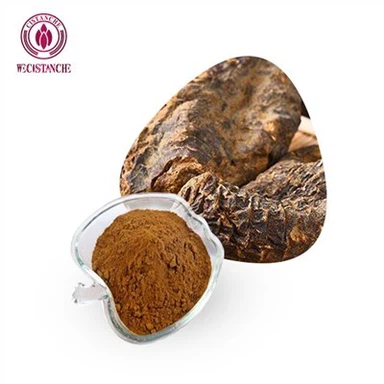
Cistanche is a traditional Chinese herbal medicine used for centuries to treat various health conditions, including kidney disease. It is derived from the dried stems of Cistanche deserticola, a plant native to the deserts of China and Mongolia. The main active components of cistanche are phenylethanoid glycosides, echinacoside, and acteoside, which have been found to have beneficial effects on kidney health.
Kidney disease, also known as renal disease, refers to a condition in which the kidneys are not functioning properly. This can result in a buildup of waste products and toxins in the body, leading to various symptoms and complications. Cistanche may help treat kidney disease ase through several mechanisms.
Firstly, cistanche has been found to have diuretic properties, meaning it can increase urine production and help eliminate waste products from the body. This can help relieve the burden on the kidneys and prevent the buildup of toxins. By promoting diuresis, cistanche may also help Reduce high blood pressure, a common complication of kidney disease.
Moreover, cistanche has been shown to have antioxidant effects. Oxidative stress, caused by an imbalance between the production of free radicals and the body's antioxidant defenses, plays a key role in the progression of kidney disease. ies help neutralize free radicals and reduce Oxidative stress, thereby protecting the kidneys from damage. The phenylethanoid glycosides found in cistanche have been particularly effective in scavenging free radicals and inhibiting lipid peroxidation.
Additionally, cistanche has been found to have anti-inflammatory effects. Inflammation is another key factor in the development and progression of kidney disease. Cistanche's anti-inflammatory properties help reduce the production of pro-inflammatory cytokines and inhibit the activation of inflammation mandatory pathways, thus alleviating inflammation in the kidneys.
Furthermore, cistanche has been shown to have immunomodulatory effects. In kidney disease, the immune system can be dysregulated, leading to excessive inflammation and tissue damage. Cistanche helps regulate the immune response by modulating the production and activity of immune cells, such as T cells and macrophages. This immune regulation helps reduce inflammation and prevent further damage to the kidneys.
Moreover, cistanche has been found to improve renal function by promoting the regeneration of renal tubes with cells. Renal tubular epithelial cells play a crucial role in the filtration and reabsorption of waste products and electrolytes. In kidney disease, these cells can be damaged, leading to damaged renal function. Cistanche's ability to promote the regeneration of these cells helps restore proper renal function and improve overall kidney health.

In addition to these direct effects on the kidneys, cistanche has been found to have beneficial effects on other organs and systems in the body. This holistic approach to health is critical in kidney disease, as the condition often affects multiple organs and systems. che has been shown to have protective effects on the liver, heart, and blood vessels, which are commonly affected by kidney disease. By promoting the health of these organs, cistanche helps improve overall kidney function and prevent further complications.
In conclusion, cistanche is a traditional Chinese herbal medicine used for centuries to treat kidney disease. Its active components have diuretic, antioxidant, anti-inflammatory, immunomodulatory, and regenerative effects, which help improve renal function and protect the kidneys from further damage. , cistanche has beneficial effects on other organs and systems, making it a holistic approach to treating kidney disease.