Don't Just Focus On Urine Protein, This Indicator Is A Signal That The Kidneys Are Working Too Hard!
Oct 25, 2024
Urinary protein plays an important role in monitoring the risk of progression of kidney disease, which is also a priority indicator for everyone. Blood pressure, blood sugar, urine red blood cells and other indicators are highly concerned.
However, there is also a signal light that can indicate the overloaded work of the kidney, and the attention of the test project is far less than the previous ones, which is the 24-hour urine potassium, sodium and chlorine detection.
Urine potassium, sodium, and chlorine test is to measure the total amount of potassium, sodium, and chloride ions in urine over a 24-hour period. The 24-hour urine was accurately collected, the total amount of urine was recorded (the 24-hour urine volume of normal people is 1000-2000ml), and 20ml was taken after mixing, and the concentration of urine potassium, sodium and chlorine was detected, and then the total amount of urine potassium, sodium and chlorine in 24 hours was calculated according to the total urine volume.

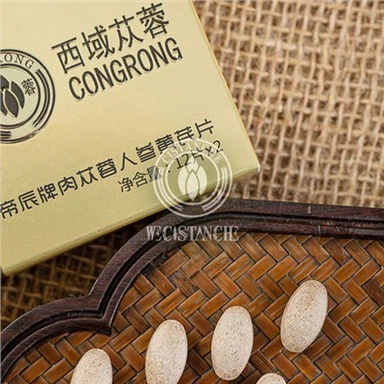
Click to Cistanche for kidney disease
Potassium is excreted mainly through the kidneys. Sodium is freely leached out by the kidneys, and most of it is reabsorbed. In the body, chloride ions are often absorbed and metabolized with sodium ions, and the changes are often consistent. 24-hour sodium urine can indicate whether the kidneys are overworking.
What is the reference interval for 24-hour urine potassium, sodium, and chlorine tests?
Indirect ion Selective Electrode (ISE) method:
Urine potassium: 25~100 mmol/24h
Urine sodium: 130~260 mmol/24h
Urine chlorine: 170~250 mmol/24h
Nephropathy patients 24-hour sodium control in 50-90mmol is good.

Clinical significance of potassium, sodium and chlorine in urine in 24 hours
1. Urine potassium
Increased: can be seen in endocrine diseases, such as primary aldosteronism, adrenal hyperfunction, paragglomerular cell hyperplasia (reninoma); Acute renal failure polyuria stage, renal tubular insufficiency (such as renal tubular acidosis, chronic nephritis, pyelonephritis, etc.), diabetic ketoacidosis, metabolic alkalosis, Liddle syndrome, etc. Use potassium diuretics, intake of high-potassium foods, long-term use of ACTH, adrenal corticosteroids, etc.
Decreased: can be seen in adrenocortical hypofunction, selective aldosterone deficiency, adrenal crisis, bilateral adrenal resection; Chronic renal insufficiency, renal failure, chronic interstitial nephritis, acidosis; Use potassium-preserving diuretics, etc.
2. Sodium in urine
Increased: can be seen in adrenocortical hypofunction, aldosteronia; Chronic pyelonephritis, tubular injury (such as interstitial nephritis, polycystic kidney), diabetes mellitus, acute tubular necrosis (oliguria), diabetes insipidus, ketoacidosis; Take sodium diuretic drugs, infusion of large amounts of salt solution, etc.; Central nervous system diseases, cerebral hemorrhage, inflammation, tumors, bronchial lung cancer, etc.
Reduction: visible in the loss of large amounts of salt, inadequate intake; Hyperadrenal function, primary aldosteronism, Cushing's syndrome; Prerenal oliguria, congestive heart failure; Long-term low salt diet, diarrhea, severe vomiting, extensive burns, etc.

3. Urine chlorine
In general, sodium and chlorine in urine remain relatively balanced, but the two are not always in balance. After taking sodium oxide or potassium chloride continuously, urine chlorine was higher than urine sodium; On the contrary, when a large amount of alkaline sodium is taken continuously, sodium in the urine is higher than chlorine. In addition, alkaline urine is most likely due to a higher sodium content than chlorine.
24 hours urine potassium, sodium, chlorine detection should pay attention to what?
A proper 24 hour urine specimen is required.
① Prepare a clean and dry container with scale that can hold more than 2000ml.
② At 7 o 'clock in the morning (or other time points) on the day of urine, there is no intention to go to the toilet to urinate once, the urine should be abandoned, and then start collecting urine (all urine within 24 hours), to 7 o 'clock in the morning of the next day (or the corresponding time point with the morning of the previous day), there is no intention to urinate, and this urine should be collected into the container (that is, before leaving, after leaving). And accurately record the amount of urine.
③ After mixing the urine, take out 20ml of it and put it in a clean and dry container for timely inspection.
In particular, 24-hour sodium urine testing is critical. The 24-hour urine sodium of the salt control diet is less than 100mmol, if more than 100mmol, it indicates that the salt intake is large, the diet is unhealthy, and the 24-hour urine sodium control in kidney disease patients is 50-90mmol.
Many patients with kidney disease may progress to the end stage, and they have not checked the 24-hour urine sodium, and only pay attention to the urine protein that can not fall.
Urine protein can not fall down is very tense, after the addition of drugs or urine protein control is not ideal. However, one of the reasons for high urinary protein may be high sodium and high glomerular pressure. If the cause is found by checking the 24-hour urine sodium and salt intake is controlled, the control effect of urine protein may be better, and hypertension and cardiovascular complications will be improved.
How Does Cistanche Treat Kidney Disease?
Cistanche is a traditional Chinese herbal medicine used for centuries to treat various health conditions, including kidney disease. It is derived from the dried stems of Cistanche deserticola, a plant native to the deserts of China and Mongolia. The main active components of cistanche are phenylethanoid glycosides, echinacoside, and acteoside, which have been found to have beneficial effects on kidney health.
Kidney disease, also known as renal disease, refers to a condition in which the kidneys are not functioning properly. This can result in a buildup of waste products and toxins in the body, leading to various symptoms and complications. Cistanche may help treat kidney disease ase through several mechanisms.
Firstly, cistanche has been found to have diuretic properties, meaning it can increase urine production and help eliminate waste products from the body. This can help relieve the burden on the kidneys and prevent the buildup of toxins. By promoting diuresis, cistanche may also help Reduce high blood pressure, a common complication of kidney disease.

Moreover, cistanche has been shown to have antioxidant effects. Oxidative stress, caused by an imbalance between the production of free radicals and the body's antioxidant defenses, plays a key role in the progression of kidney disease. ies help neutralize free radicals and reduce Oxidative stress, thereby protecting the kidneys from damage. The phenylethanoid glycosides found in cistanche have been particularly effective in scavenging free radicals and inhibiting lipid peroxidation.
Additionally, cistanche has been found to have anti-inflammatory effects. Inflammation is another key factor in the development and progression of kidney disease. Cistanche's anti-inflammatory properties help reduce the production of pro-inflammatory cytokines and inhibit the activation of inflammation mandatory pathways, thus alleviating inflammation in the kidneys.
Furthermore, cistanche has been shown to have immunomodulatory effects. In kidney disease, the immune system can be dysregulated, leading to excessive inflammation and tissue damage. Cistanche helps regulate the immune response by modulating the production and activity of immune cells, such as T cells and macrophages. This immune regulation helps reduce inflammation and prevent further damage to the kidneys.
Moreover, cistanche has been found to improve renal function by promoting the regeneration of renal tubes with cells. Renal tubular epithelial cells play a crucial role in the filtration and reabsorption of waste products and electrolytes. In kidney disease, these cells can be damaged, leading to damaged renal function. Cistanche's ability to promote the regeneration of these cells helps restore proper renal function and improve overall kidney health.
In addition to these direct effects on the kidneys, cistanche has been found to have beneficial effects on other organs and systems in the body. This holistic approach to health is particularly important in kidney disease, as the condition often affects multiple organs and systems. che has been shown to have protective effects on the liver, heart, and blood vessels, which are commonly affected by kidney disease. By promoting the health of these organs, cistanche helps improve overall kidney function and prevent further complications.
In conclusion, cistanche is a traditional Chinese herbal medicine used for centuries to treat kidney disease. Its active components have diuretic, antioxidant, anti-inflammatory, immunomodulatory, and regenerative effects, which help improve renal function and protect the kidneys from further damage. , cistanche has beneficial effects on other organs and systems, making it a holistic approach to treating kidney disease.