Enhancing Top-Down Proteomics Of Brain Tissue With FAIMS Part 1
Aug 27, 2024
Abstract
Proteomic investigations of Alzheimer's and Parkinson's disease have provided valuable insights into neurodegenerative disorders. Thus far, these investigations have largely been restricted to bottom-up approaches, hindering the degree to which one can characterize a protein's "intact" state.
Alzheimer's disease is a neurodegenerative disease that has irreversible effects on a person's memory and cognitive abilities. Although people cannot completely cure the disease, through careful treatment and prevention, the progression of the disease can be slowed down as much as possible and the patient's physical and mental health can be maintained.
Memory is one of the most obvious aspects affected by Alzheimer's patients. They may often forget important information, such as their name, the names of their loved ones, important dates, and so on. In addition, some advanced self-learning vocabulary, such as abstract concepts and synonyms, may also be forgotten. However, with some cognitive training and treatment, Alzheimer's patients still can maintain their memory in some aspects.
Although Alzheimer's disease can bring negative effects, we should look at it positively. First, by increasing awareness and understanding of the disease, we can better prevent and treat it. Secondly, caregivers and family members of Alzheimer's patients can also learn how to communicate and interact with them effectively to help patients maintain self-dignity and live happily as much as possible.
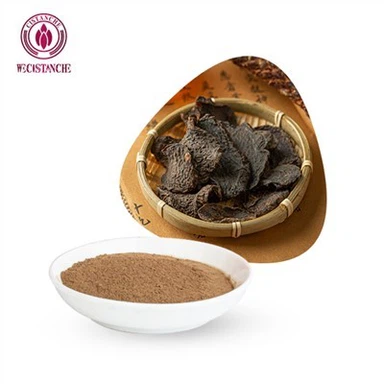
In general, although Alzheimer's disease can cause irreversible effects on memory and cognitive abilities, we should maintain an optimistic attitude and try to slow down the progression of the disease through treatment and preventive measures. At the same time, we should also provide more help and support to those who take care of patients with Alzheimer's disease, and jointly create a more warm and interactive community. It can be seen that we need to improve memory. Cistanche can significantly improve memory because it is a traditional Chinese medicinal material with many unique effects, one of which is to improve memory. The effect of Cistanche comes from the various active ingredients it contains, including tannic acid, polysaccharides, flavonoid glycosides, etc. These ingredients can promote brain health in many ways.

Click know 10 ways to improve memory
Top-down proteomics (TDP) overcomes this limitation; however, it is typically limited to observing only the most abundant proteoforms of a relatively small size.
Therefore, fractionation techniques are commonly used to reduce sample complexity. Here, we investigate gas-phase fractionation through high-field asymmetric waveform ion mobility spectrometry (FAIMS) within TDP.
Utilizing a high-complexity sample derived from Alzheimer's disease (AD) brain tissue, we describe how the addition of FAIMS to TDP can robustly improve the depth of proteome coverage.
For example, the implementation of FAIMS with external compensation voltage (CV) stepping at −50, −40, and −30 CV could more than double the mean number of non-redundant proteoforms, genes, and proteome sequence coverage compared to without FAIMS.
We also found that FAIMS can influence the transmission of proteoforms and their charge envelopes based on their size. Importantly, FAIMS enabled the identification of intact amyloid beta (Aβ) proteoforms, including the aggregation-prone Aβ1–42 variant which is strongly linked to AD.
Raw data and associated files have been deposited to the ProteomeXchange Consortium via the MassIVE data repository with data set identifier PXD023607.

INTRODUCTION
Over the last 2 decades, the incidence of neurodegenerative diseases has more than doubled worldwide, with Alzheimer's disease (AD) as the most prevalent form.1 Two protein species, amyloid beta (Aβ) peptides and phosphorylated microtubule-associated protein tau (tau),2–5 are strongly associated with AD.
Therefore, detailed proteome characterization of AD has been of particular importance.6,7 Mass spectrometry has played a central role in these investigations,8 predominantly by bottom-up approaches.9–16
However, the protease digestion required for bottom-up analyses impedes the capturing of a protein's complete state, which can vary due to genetic alleles, alternative splicing, proteolytic processing, and post-translational modifications (referred to as "proteoforms").17–20
Since top-down proteomic (TDP) approaches analyze proteins in an intact state, the likelihood of capturing proteoforms associated with certain pathologies is greater and allows for a stronger, more direct connection between genotype and phenotype.20–22
For example, TDP is particularly well suited for capturing endogenous proteolytic fragments derived from proteins such as tau, which have been linked to Alzheimer's pathology.23–26 Several previous TDP applications have shown great promise in revealing regional brain proteome heterogeneity and neuronal changes in response to various stimuli.27–30
However, TDP of complex samples typically requires offline fractionation techniques to reduce sample complexity as the human proteome spans several orders of magnitude in size and abundance, and proteins are generally not well-resolved with reverse-phase high-performance liquid chromatography (LC).31
This offline fractionation can be accomplished with gel-eluted liquid fraction entrapment electrophoresis, size-exclusion chromatography, ion-exchange chromatography, or affinity purification, to name a few.22,32–35

Unfortunately, offline fractionation typically reduces yield and throughput by requiring extended sample handling.36 Gas-phase ion mobility separation is An attractive fractionation alternative that can be introduced between the LC and MS dimensions without requiring additional sample handling steps.
High-field asymmetric waveform ion mobility spectrometry (FAIMS) is particularly well suited to this task with the recent introduction of the FAIMS Pro device, whose modular design allows facile incorporation of ion mobility onto several current Orbitrap instruments.37
FAIMS, also referred to as differential mobility spectrometry, separates ions in a carrier gas based on combinations of factors such as size, charge, or shape through the introduction of an asymmetric waveform with high and low electric fields.38 To prevent collision of the ions with the electrode, a deviation in the ion's path is introduced through the application of a DC compensation voltage (CV),39 allowing selective transmission of that ion.38
The application of FAIMS to intact protein analysis has largely been restricted to the separation of conformers of individual proteins or small combinations of proteins;40–45
however, FAIMS has recently been applied to intact and native protein analyses using liquid extraction surface analysis.46–50 Here, we apply FAIMS-TDP analysis to a whole-tissue sample from the medial frontal cortex (MFC) of an Alzheimer's patient.
Scanning across a CV range of −50 to −20 CV with external stepping allowed us to determine how modulation of FAIMS CV influences the characteristics of the ions transmitted through the cylindrical FAIMS unit, and how this relationship can be exploited to target proteoforms based on size.
FAIMS-TDP more than doubled proteoform identifications at a single CV compared to without FAIMS and enabled deeper interrogation of proteoforms relevant to neurodegenerative diseases, including α-, β-, and γ-synucleins, PARK7, tau splice isoforms, and several intact Aβ proteoforms.
Taken together, this work describes how greater identifications of proteoforms and proteome coverage can be achieved reproducibly via gas-phase fractionation with FAIMS in TDP.
METHODS
Sample Preparation
The MFC sample was received from Rush University Alzheimer's Disease Center. Participants were clinic-based older persons who enrolled with memory complaints and/or dementia from 1992 to 2005.
They were evaluated at the Rush Memory Clinic for possible dementia and agreed to brain donation as part of the clinical core of the Rush Alzheimer's Disease Core Center. The study was approved by the Institutional Review Board of the Rush University Medical Center.
Following death, the next of kin provided consent for an autopsy. The patient's overall cognitive diagnostic category was Alzheimer's dementia with no other causes of cognitive impairment,51 while the post-mortem interval was 230 min.
All sample handling steps were performed with BSL-2+ precautions. 33 mg of MFC tissue stored at −80 °C was transferred to 1.5 mL LoBind Eppendorf tubes (Eppendorf, Cat# 022431081) with the addition of 0.5 mL of homogenization buffer consisting of 8 M urea, 10 mM ammonium bicarbonate (ABC), and 10 mM tris(2-carboxyethyl)phosphine (TCEP) at pH 7.5.
Homogenization was achieved through physical disruption by applying a handheld motor-driven pellet pestle for 30 s (BioVortexer with SpiralPestle; Biospec 1083 and 1017), before the addition of 0.5 mL of homogenization buffer at room temperature.
The sample was then incubated at 37 °C for 60 min at 1200 rpm using a ThermoMixer to allow for extraction and denaturation of cellular proteins. Pelleting of the urea-insoluble material was accomplished with centrifugation at 18,000g for 20 min at 22 °C, and the resulting supernatant was then added to 3 mL of wash buffer (WB; 8 M urea, 10 mM ABC, pH 7.5) within a 4 mL 100 kDa molecular-weight cutoff (MWCO) filter to remove large MW species.
After 1 h of centrifugation at 22 °C and 5000g, the retentate volume was 200 μL and the filtrate volume was 3.8 mL. 3.8 mL of the filtrate was transferred to a 3 kDa MWCO filter to remove small-molecule contaminants and low MW peptides.
The 3 kDa MWCO filter was centrifuged at 22 °C and 7300g for 1 h, giving a retentate volume of 200 μL. 200 μL of retentate from the 100 kDa MWCO filter was washed once more by diluting it to 4 mL with WB and filtering it again through the same filter.

This flow-through was added to the same 3 kDa MWCO filter as mentioned above and concentrated one more time.
The final 200 μL of retentate from the 3 kDa MWCO filter wash was transferred to a 1.5 mL LoBind Eppendorf tube. To acidify the sample, 10 μL of 10% formic acid (FA) was added, resulting in 0.5% FA concentration in the final sample.
The sample was centrifuged at 18,000g for 15 min to remove the precipitated material before measuring the protein concentration using the bicinchoninic acid (BCA) assay.
Bovine serum albumin standards were prepared in 8 M urea, 10 mM ABC, and 0.5% FA to account for any potential buffer contributions to the BCA assay. The protein concentration by the BCA assay was determined to be 1.1 mg/mL, corresponding to the final yield of 0.22 mg of total recovered protein in the ∼200 μL sample. The sample was diluted to 0.5 mg/mL with WB containing 0.5% FA and stored at −80 °C until LC-MS analysis.
We should note that initial experiments (data unpublished) using a traditional protease/ phosphatase inhibitor cocktail within our homogenization buffer led to misleading BCA assay and LC-MS results due to the retention of several cocktail components by the 3K MWCO filter.
Furthermore, many of the phosphatase and protease inhibitors commonly utilized are chemically incompatible with reducing agents such as TCEP. Considering these incompatibilities, and that the strongly denaturing conditions of 8 M urea with 10 mM TCEP would be expected to inactivate most proteases, we believed that proteolytic degradation would still be minimized under these conditions.
LC-MS/MS Analyses and FAIMS Settings
Samples were analyzed using a Waters NanoACQUITY UPLC system with mobile phases consisting of 0.2% FA in H2O (mobile phase A) and 0.2% FA in ACN (mobile phase B).
Both trapping precolumn (100 μm i.d., 5 cm length) and analytical column (75 μm i.d., 50 cm length) were slurries packed with the C2 packing material (5 and 3 μm for trap/analytical, respectively, 300 Å, Separation Methods Technology). Samples were loaded into a 5 μL loop, corresponding to 2.5 μg of the loaded material amount, and injected into the trapping column with an isocratic flow of 5% b at 3 μL/min over 20 min.
Separation was performed with a 5–50% b gradient over 180 min at 300 nL/min. For MS/MS analysis of proteins, the NanoACQUITY system was coupled to a Thermo Scientific Orbitrap Fusion Lumos Tribrid mass spectrometer equipped with the FAIMS Pro interface.
Source parameters included an electrospray voltage of 2.2 kV, a transfer capillary temperature of 275 °C, and an ion funnel radio frequency amplitude of 60%. FAIMS was set to standard resolution without supplementary user-controlled carrier gas flow and a dispersion voltage of −5 kV (equivalent to a dispersion field of −33.3 kV/cm),50 while the CV varied depending on the experiment (referred to as "external stepping").
The Fusion Lumos was set to the "intact protein" application mode, which lowers the higher-energy C-trap dissociation (HCD) cell N2 pressure to 2 mTorr, and data were collected as a full profile. MS1 and MS2 data were acquired at a resolution of 120k and 60k, micro scans of 3 and 2, across a 500–2,000 m/z and 400–2,000 m/z range, and with AGC targets of 5 × 10⁶ and 5 × 10⁵, respectively.
MS1 and MS2 were acquired with a maximum inject time of 400 ms as well. Data-dependent settings included a selection of the top 6 most intense ions, exclusion of ions lower than charge state 5+, the inclusion of undetermined charge states, and dynamic exclusion after one observation for 30 s.
Ions selected for MS2 were isolated over a ±1.5 m/z window and fragmented through collision-induced dissociation (CID) with a collision energy of 35%. We utilized CID instead of HCD due to the lower dependency of normalized collision energy for achieving interpretable protein fragmentation spectra, thereby prioritizing the breadth of our proteoform observations over sequence coverage.52
Data sets for each FAIMS CV were collected in triplicate. All raw files have been deposited into the MassIVE data repository and can be accessed via accession MSV000086696, or with PXD023607 on ProteomeXchange.

For more information:1950477648nn@gmail.com