Exploring Cistanche Deserticola: Unlocking The Cellular Code For Neuroprotection
Dec 17, 2025
Cistanche deserticola: the 'nerve guardian star' in the desert

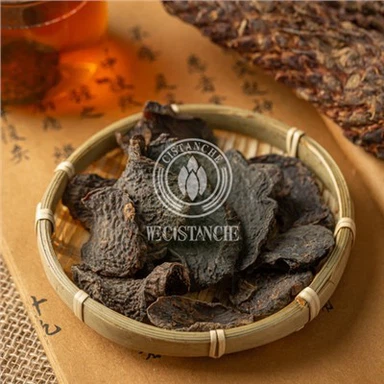
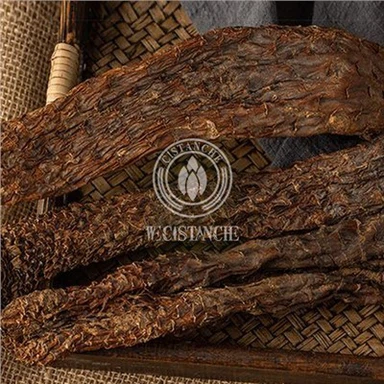
Desert living cistanche
In the vast and boundless desert filled with yellow sand, there is a plant that is like a mysterious treasure, and it is the Cistanche deserticola. As a precious traditional Chinese medicine in the desert, Cistanche deserticola is known as the "desert ginseng". In the long river of traditional medicine, it has always emitted a unique light and is a frequent guest in kidney tonifying and yang-strengthening prescriptions.
But you know what? Cistanche deserticola has more than just one effect, and its neuroprotective role is gradually becoming a focus of modern medical research. From a microscopic perspective of cellular pharmacology, Cistanche deserticola seems to be a loyal guardian of nerve cells, silently resisting various damages and threats. Next, let's uncover the mysterious veil of the neuroprotective cytological pharmacological effects of Cistanche deserticola and explore its magical power in protecting the brain.
Cytological arsenal of Cistanche deserticola
The reason why Cistanche deserticola can stand out in the field of neuroprotection is due to its rich and diverse active ingredients in its body, which are like its "secret weapon" and play a key role in the microscopic cytological battlefield.
Phenylethanolic glycosides are one of the "ace weapons" of Cistanche deserticola. It has significant antioxidant effects and can clear free radicals in the body like a "cleaner". You should know that free radicals are the enemy of nerve cells. Excessive free radicals can trigger oxidative stress reactions, like a merciless "war", causing serious damage to the structure and function of nerve cells, leading to their damage and death. The presence of phenylethanolic glycosides effectively curbed the spread of this "war" and built a strong antioxidant defense line for nerve cells. In addition, it also has anti-inflammatory effects, which can inhibit the release of inflammatory factors and reduce the "attack" of inflammation on nerve cells.

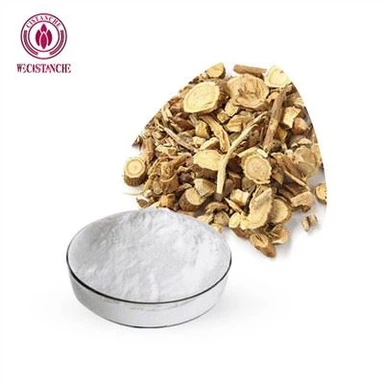
Phenylethanol glycoside is the main active component of Cistanche deserticola
Polysaccharides are another major "treasure" of Cistanche deserticola. It can regulate immune function, enhance the body's resistance, and help nerve cells better resist the invasion of external pathogens. Polysaccharides also participate in intercellular signal transmission, acting like "communication soldiers" to maintain normal communication and cooperation between nerve cells, ensuring the normal function of the nervous system.
Cellular mechanisms of neuroprotection
Anti-apoptosis: the "lifebuoy" of cells
In the world of nerve cells, apoptosis is like a terrible 'disaster'. When nerve cells are attacked by various harmful factors, the apoptosis program may be abnormally activated, leading to the death of nerve cells and affecting the normal function of the nervous system. And Cistanche deserticola is like a "lifebuoy" for nerve cells, which can effectively resist this "disaster".
Research has shown that the active ingredients in Cistanche deserticola, such as echinacroside and sesquiterpenoid glycosides, can exert anti-apoptotic effects by inhibiting the activity of cysteine protease (caspase). Caspase plays the role of an executioner in the process of cell apoptosis, as it cleaves various important proteins within the cell, leading to cell apoptosis. When the active ingredients in Cistanche deserticola come into play, the activity of caspase is inhibited, like putting a shackle on the executioner, thus preventing the apoptosis of nerve cells.
Deng Min and other scholars found in their research that pre-treatment of nerve cells with 1:10100mg/L pineal glycoside for 2 hours increased their survival rate, reduced the incidence of apoptosis by 29.5%, 18.3%, and 8.2%, and continuously decreased caspase3 activity, showing a dose-dependent relationship with pineal glycoside. This experimental data intuitively demonstrates the anti-apoptotic effect of pinecone chrysanthemum glycoside and provides strong evidence for the neuroprotective application of Cistanche deserticola.
Antioxidants: the "scavenger" of free radicals
In the normal metabolic process of the human body, highly active free radicals such as superoxide anions and hydroxyl radicals are produced. These free radicals are like a group of uncontrolled "troublemakers" with strong oxidative power, capable of attacking biological macromolecules such as cell membranes, proteins, and DNA of nerve cells, leading to lipid peroxidation and disrupting the structure and function of nerve cells.

Benefits of cistanche tubulosa-Antioxidant
Cistanche deserticola is a diligent "cleaner", and its components, such as phenylethanolic glycoside, have strong antioxidant capacity, which can eliminate these free radicals and reduce their damage to nerve cells. In the study of Xinjiang Cistanche deserticola, Sun Yun et al. used ozone to induce free radical reactions in 2-month-old mice to create an aging model. They observed the effects of Cistanche deserticola on serum superoxide dismutase (SOD) and monoamine oxidase B, and found that Cistanche deserticola extract could significantly enhance the SOD activity in mouse serum, reduce the content of lipid peroxides in plasma, brain, and liver tissues, and the activity of MAO-B in brain tissues, showing a dose-response relationship. This indicates that Cistanche deserticola can protect nerve cells from free radical damage by enhancing antioxidant enzyme activity and reducing lipid peroxidation levels.
Regulating neurotransmitters: the 'coordinator' of signal transmission
Neurotransmitters are important "messengers" in the nervous system that transmit information. They transmit signals between neurons and regulate various functions of the nervous system, such as learning, memory, emotions, etc. And Cistanche deserticola can regulate the content and transmission of neurotransmitters, acting as an excellent "coordinator" to ensure smooth signal transmission in the nervous system.
Research has found that Cistanche deserticola plays an important regulatory role in neurotransmitters such as dopamine and acetylcholine. Dopamine is closely related to motor control, emotion regulation, reward mechanisms, etc. Neurodegenerative diseases such as Parkinson's disease are associated with damage to dopaminergic neurons and a decrease in dopamine levels. The components in Cistanche deserticola may maintain normal levels of dopamine by promoting its synthesis, release, or inhibiting its degradation, thereby improving the symptoms of Parkinson's disease patients.
Acetylcholine plays a crucial role in learning and memory processes, and Alzheimer's disease patients often experience a decrease in acetylcholine levels and damage to cholinergic neurons. Cistanche deserticola can regulate the metabolism of acetylcholine, increase its content in the brain, enhance the function of the cholinergic nervous system, thereby improving cognitive function and enhancing learning and memory abilities.

cistanche-Improve memory
Click here to view Cistanche Improving Memory Preventing Alzheimer's Disease products
【Ask for more】 Email:cindy.xue@wecistanche.com / WhatsApp: 0086 18599088692 / Wechat: 18599088692
Research examples and data support
In order to more intuitively demonstrate the neuroprotective cytological pharmacological effects of Cistanche deserticola, numerous researchers have conducted a large number of cell culture experiments, which are like precise "surgical knives" that deeply analyze the protective effect of Cistanche deserticola on nerve cells.
In a study on Parkinson's disease, researchers used PC12 cells as the research object. PC12 cells are a commonly used neural cell model that can simulate the characteristics of dopaminergic neurons. In the experiment, researchers used fisetin to induce damage to PC12 cells. Fisetin is a substance that can inhibit mitochondrial respiratory chain complex I. It can simulate the pathological process of dopaminergic neuron damage in Parkinson's disease, leading to an increase in intracellular reactive oxygen species levels and cell apoptosis.
Then, the researchers added extracts of phenylethanolic acid glycosides from Cistanche deserticola at different concentrations to the cell culture medium. The experimental results were surprising: PC12 cells treated with Cistanche deserticola phenylethanolic acid showed a significant increase in survival rate. When the concentration of phenylethanolic acid glycosides in Cistanche deserticola was 50 μ g/mL, the cell survival rate increased from around 40% after treatment with fisetin to around 65%; When the concentration increased to 100 μ g/mL, the cell survival rate increased to around 75%. From the perspective of cell morphology, untreated damaged cells exhibit apoptotic features such as wrinkling, rounding, and shedding, while cells treated with Cistanche deserticola phenylethanolic acid have relatively intact morphology and tighter connections between cells. Further detection of apoptosis-related proteins within cells revealed that Cistanche deserticola phenylethanolic acid can significantly reduce the expression levels of apoptotic proteins such as caspase-3, while increasing the expression of anti-apoptotic protein Bcl-2. This indicates that Cistanche deserticola phenylethanolic acid effectively inhibits rotenone-induced apoptosis in PC12 cells by regulating the expression of apoptosis-related proteins.
In another study on Alzheimer's disease, researchers used primary cultured rat hippocampal neurons. The hippocampus plays a crucial role in learning and memory functions, and hippocampal neurons in Alzheimer's disease patients can suffer severe damage. In the experiment, researchers induced hippocampal neuron damage using β β-amyloid protein (Aβ), which is one of the main pathological features in the brains of Alzheimer's disease patients. A β can aggregate to form amyloid plaques, leading to neuronal damage and death.
After treatment with polysaccharides from Cistanche deserticola, the experimental data showed significant changes. Compared with the untreated injury group, the neuron survival rate of the Cistanche deserticola polysaccharide treatment group was significantly improved. When the concentration of Cistanche deserticola polysaccharide was 100 μ g/mL, the neuron survival rate increased from about 50% in the injury group to about 70%. In terms of neurotransmitter levels, the acetylcholine content of the Cistanche deserticola polysaccharide treatment group significantly increased, from around 0.5 in the injury group to around 0.8. This indicates that Cistanche deserticola polysaccharides can improve Aβ-induced hippocampal neuron damage by regulating neurotransmitter levels, thereby providing potential assistance for the treatment of Alzheimer's disease.

Cistanche prevents Alzheimer's disease
Application prospects and prospects
The cytological and pharmacological effects of Cistanche deserticola in neuroprotection have opened up new avenues for the prevention and treatment of neurodegenerative diseases.
For Alzheimer's disease, which troubles many elderly people worldwide, there is currently no complete cure, mainly focused on relieving symptoms and delaying the progression of the disease. Cistanche deserticola has the potential to become a new hope for improving cognitive function in Alzheimer's disease patients by regulating neurotransmitter levelsanti-apoptosisis, and antioxidant mechanisms. In the future, drugs or health products mainly composed of Cistanche deserticola may be developed as early intervention and adjuvant therapy for Alzheimer's disease, helping patients delay the deterioration of the condition and improve their quality of life.
Parkinson's disease is also a difficult-to-cure neurodegenerative disease. The protective effect of Cistanche deserticola on dopaminergic neurons and its improvement effect on motor function provide new strategies for the treatment of Parkinson's disease. Researchers can further study the combined application of Cistanche deserticola and existing Parkinson's disease treatment drugs, explore synergistic treatment plans to improve treatment efficacy, and reduce drug side effects.
There are still many unknown fields waiting for us to explore in future research directions. On the one hand, it is necessary to conduct in-depth research on the synergistic mechanism between various active ingredients in Cistanche deserticola to comprehensively understand the principle of its neuroprotective effect, optimize the extraction process, improve the purity and content of active ingredients, and enhance its neuroprotective effect. On the other hand, more clinical trials should be conducted to verify the safety and efficacy of Cistanche deserticola in humans, providing a more solid basis for its clinical application.
The "nerve guardian star" of Cistanche deserticola in the desert is shining with a glimmer of hope. With the continuous deepening of research and advances in technology, it is believed that it will play a greater role in the field of nerve protection and bring good news to many patients with neurological diseases.
From the study of cytological pharmacological effects, we have seen the enormous potential of Cistanche deserticola in the field of neuroprotection. It provides comprehensive protection for nerve cells through various mechanisms, such as anti-apoptosis, antioxidant, and regulation of neurotransmitters. These research results not only enrich our understanding of the medicinal value of Cistanche deserticola but also provide new ideas and directions for modern medicine in the treatment of neurodegenerative diseases.
This also makes us deeply realize that traditional Chinese medicine is a huge treasure trove, containing countless undiscovered treasures. Cistanche deserticola is just a microcosm of it. In its long history, traditional Chinese medicine has made indelible contributions to human health with its unique theoretical system and rich practical experience. In today's rapidly developing modern medicine, we should pay more attention to the research and development of traditional Chinese medicine, combine traditional medicine with modern science and technology, and explore more Chinese medicine resources with special pharmacological effects, such as Cistanche deserticola.
For readers, understanding the neuroprotective cytological pharmacological effects of Cistanche deserticola not only allows us to recognize the unique advantages of traditional Chinese medicine in maintaining health, but also reminds us to pay attention to our own neurological health. In daily life, we can take care of our brains through a reasonable diet and a healthy lifestyle. In the future, with the continuous deepening of research on Cistanche deserticola, we believe it will bring more surprises and well-being to our health. Let us look forward to this "nerve guardian star" in the desert shining even brighter.