Exploring Cistanche: The Magical Power Of Echinacoside And Acteoside
Oct 09, 2025
Cistanche deserticola: a "treasure" plant in the desert
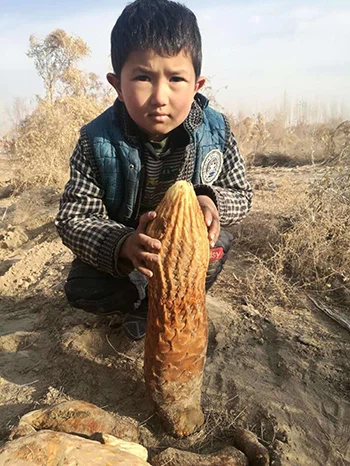
cistanche benefits for men
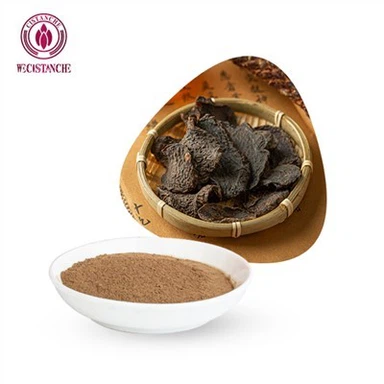
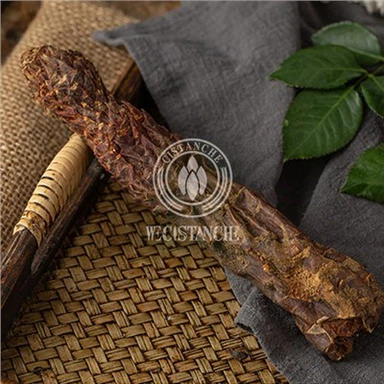
In the vast and boundless desert, filled with yellow sand, grows a mysterious and precious plant: Cistanche deserticola. It parasitizes at the roots of the red willow tree and grows tenaciously by absorbing its nutrients. In the treasure trove of traditional medicine, Cistanche deserticola has always held an important position and is known as the "desert ginseng". The origin of this title is not groundless. Cistanche deserticola has extremely high medicinal value, with significant effects in tonifying kidney yang, nourishing essence and blood, moistening intestines, and promoting bowel movements. Its mild nourishing properties nourish the body like ginseng, but it does not have the "fire" and "dryness" of ginseng. In addition, it grows in such a special environment as the desert, adding a touch of mystery and preciousness to it.
For thousands of years, Cistanche deserticola has been a frequent guest in traditional Chinese medicine prescriptions. In the "Shennong Bencao Jing", there is a record about Cistanche deserticola, which is classified as a top-grade product and is called "sweet in taste, slightly warm, non-toxic. It can treat five strains and seven injuries, nourish the middle, remove cold and hot pain in the stem, nourish the five organs, strengthen yin, nourish essence and qi, and have many children. Long-termm consumption can lighten the body". The Compendium of Materia Medica also provides a detailed explanation of Cistanche deserticola: "This is a tonic that is warm but not hot, nourishing but not steep, warm but not dry, smooth but not leaking, hence it is called calm." The records in these ancient books fully demonstrate the important value and long history of Cistanche deserticola in traditional medicine. So, why does Cistanche deserticola have such miraculous effects? This requires a deep exploration of its internal workings and an understanding of the active ingredients it contains, especially echinacoside and verbascoside.
Unlock key: Pinecone glycoside and verbascoside.
Among the numerous active ingredients in Cistanche deserticola, echinacoside and verbascoside stand out and occupy a core position, serving as key indicators for evaluating the quality of Cistanche deserticola. They belong to the phenylethanoid glycoside class of compounds, which are abundant and have diverse activities in Cistanche deserticola. Pinecone glycoside and verbascoside are typical representatives of these compounds, like the "secret weapon" that Cistanche deserticola uses to exert its magical effects.
From a chemical structure perspective, the molecular formula of echinacoside is C35H46O200

Echinoside, the main chemical component of Cistanche deserticola
The molecular weight reaches 786.72, appearing as a white crystalline powder, which can be well dissolved in methanol, ethanol, and hot water, and is slightly soluble in ethyl acetate. And the molecular formula of verbascoside is C29H36O15
The molecular weight is 624.59, and the appearance is a white or light yellow crystalline powder that is soluble in methanol. Their unique chemical structure endows them with strong biological activity and determines the medicinal value of Cistanche deserticola.
Modern scientific research has shown that echinacoside and verbascoside have a wide range of pharmacological effects, covering important aspects such as antioxidant, neuroprotective, learning and memory improvement, anti-inflammatory, anti-tumor, liver protection, and immune regulation. These interactions are interrelated and synergistic, collectively exerting a positive impact on human health.
Effect Unveiled
(1) Tonifying the kidney and strengthening yang, enhancing vitality

Cistanche deserticola -protects kidney function
In traditional Chinese medicine, the kidney is the foundation of innate health, and sufficient kidney yang is the key to maintaining normal physiological functions in the human body. Pinecone chrysanthemum glycoside and verbascoside have unique mechanisms of action in nourishing the kidney and strengthening yang. Research has shown that they can regulate the function of the hypothalamic pituitary gonadal axis and promote the secretion of sex hormones. The hypothalamus, as the "commander" of the human endocrine system, can secrete gonadotropin-releasing hormone, stimulate the pituitary gland to secrete gonadotropins, and then act on the gonads to promote the synthesis and release of sex hormones. Pinecone chrysanthemum glycoside and verbascoside are like injecting "vitality factors" into this regulatory axis, allowing it to work more efficiently and maintain normal levels of sex hormones.
People with kidney yang deficiency often exhibit symptoms such as soreness and weakness in the waist and knees, coldness in the limbs, impotency, and premature ejaculation, which seriously affect their quality of life. There was 4a 5-year-old male patient who developed obvious symptoms of kidney yang deficiency due to long-term work pressure and unhealthy lifestyle habits. He often feels sore and weak in his waist and knees, especially after standing or walking for a long time. The symptoms worsen. In winter, his hands and feet are always cold, even in warm rooms, and it is difficult to warm up. His marital life is also not harmonious, which has brought him great psychological pressure. Later, on the advice of his doctor, he began taking traditional Chinese medicine preparations containing extracts of Cistanche deserticola (rich in echinacoside and verbascoside). After a period of adjustment, his symptoms gradually improved. The soreness and weakness of the waist and knees have significantly decreased, and the hands and feet are no longer as cold as before. The quality of marital life has also significantly improved. He also expressed that his overall mental state has improved a lot, and his energy during work is more abundant.
(2) Antioxidant, delaying aging

Desert living cistanche-Antioxidant
In our body, metabolism is constantly occurring, which produces some free radicals. Free radicals are like "troublemakers" in the body; they are very active and can attack various biomolecules inside cells, such as lipids, proteins, and DNA, triggering oxidative stress reactions. When oxidative stress is excessive, it will lead to cell damage and aging, and many chronic diseases, such as atherosclerosis, cardiovascular, and cerebrovascular disease, will also take advantage of it. Pinecone chrysanthemum glycoside and verbascoside are the "nemesis" of free radicals. They have strong antioxidant capacity, can clear excessive free radicals in the body, inhibit lipid peroxidation reactions, and are like putting a layer of "protective clothing" on cells to protect them from oxidative damage.
Studies have shown that echinacoside and verbascoside can significantly enhance the activity of antioxidant enzymes such as superoxide dismutase (SOD) and catalase (CAT). These antioxidant enzymes are the "antioxidant guardians" in the body, which can work together to convert free radicals into harmless substances, thereby maintaining the redox balance in the body. At the same time, they can also reduce the content of malondialdehyde (MDA), which is a product of lipid peroxidation, and its content reflects the degree of oxidative damage. By reducing the content of MDA, it is demonstrated that echinacoside and verbascoside can effectively alleviate oxidative stress damage to cells. In the prevention of atherosclerosis, they can inhibit the oxidative damage of vascular endothelial cells, reduce the release of inflammatory factors, prevent the deposition of lipids in the vascular wall, and thus reduce the risk of cardiovascular and cerebrovascular diseases. It also has a protective effect on liver cells, which can reduce the damage of chemicals or drugs to the liver and maintain its normal function.
(3) Protecting nerves and promoting brain health
With the growth of age, as well as the impact of various pressures and adverse environmental factors in modern life, the incidence rate of nervous system diseases gradually rises, such as Alzheimer's disease, Parkinson's dise, and other neurodegenerative diseases, which have brought heavy burdens to patients and families. Pinecone chrysanthemum glycoside and verbascoside have shown great potential in neuroprotection. They can protect nerve cells, regulate signaling pathways in the brain, reduce neuroinflammation, and inhibit neuronal apoptosis through various pathways. In the study of Alzheimer's disease, it has been found that pineal glycoside can inhibit the aggregation and deposition oβ β-amyloid protein. Abnormal aggregation of β β-amyloid protein is one of the main pathological features of Alzheimer's disease, which can form senile plaques, disrupt the connections between nerve cells, and lead to cognitive decline. Pinecone glycoside is like a "cleaner" that can prevent the aggregation of β β-amyloid protein and protect the normal function of nerve cells. At the same time, it can also regulate the levels of neurotransmitters such as acetylcholine, which plays an important role in learning and memory processes. Increasing acetylcholine levels can help improve learning and memory abilities.

cistanche-Improve memory
Click here to view Cistanche Improving Memory and Preventing Alzheimer's Disease products
【Ask for more】 Email: Email:cindy.xue@wecistanche.com / WhatsApp: 0086 18599088692 / Wechat: 18599088692
For Parkinson's disease, studies have shown that echinacoside and verbascoside can inhibit apoptosis of dopaminergic neurons, increase dopamine synthesis and release. Dopamine is an important neurotransmitter, and Parkinson's disease patients experience symptoms such as limb tremors, stiffness, and bradykinesia due to the loss of dopaminergic neurons in the substantia nigra of the midbrain. Pinecone chrysanthemum glycoside and verbascoside protect dopaminergic neurons, maintain normal levels of dopamine, and alleviate symptoms of Parkinson's disease. There are related animal experiments, and after administering drugs containing echinacoside and verbascoside to mice with Parkinson's disease models, the mice's motor ability significantly improved, and the symptoms of limb tremors were also greatly reduced.
(4) Moisturize the intestines, promote bowel movements, and improve intestinal function
Constipation is a common digestive system problem, especially for the elderly, postpartum women, and those who sit for long periods of time, with a higher incidence of constipation. Constipation not only causes bloating and abdominal pai, but also affects physical health, leading to the accumulation of toxins in the body. Pinecone chrysanthemum glycoside and verbascoside have significant effects in moisturizing the intestines and promoting bowel movements. They can increase the water content in the intestines, making stool more moist and easier to excrete. This is because they can regulate the osmotic pressure of the intestine, making it easier for water to enter the intestine. At the same time, it can also promote intestinal peristalsis and accelerate the transmission speed of feces in the intestine. A study has found through experimental observation that after administering pineal glycoside to mice with constipation models, the frequency of defecation in mice significantly increases, the fecal water content also significantly increases, and the intestinal transport speed accelerates. For constipation caused by elderly constipation or postpartum intestinal dryness, the preparation of Cistanche deserticola containing echinacoside and verbascoside is a mild and effective method of regulation. Unlike some irritating laxatives that can cause damage to the intestines, it fundamentally improves intestinal function, promotes bowel movements, and restores a healthy state of the intestines.
From research to application
(1) Scientific research progress and breakthroughs
In recent years, remarkable progress has been made in the research of pineal chrysanthemum glycoside and verbascoside, especially in the analysis of biosynthetic pathways, where significant breakthroughs have been made. The Tu Pengfei research group at Peking University has been deeply involved in the field of Cistanche deserticola. After more than 30 years of unremitting efforts and advanced synthetic biology techniques, they have successfully comprehensively analyzed the biosynthetic pathway of echinaceae glycosides and achieved efficient expression in tobacco. This achievement was published in Nature Communications.
Research has found that the biosynthesis of echinacroside starts from tyrosine and undergoes a series of complex and sophisticated enzymatic reactions. The generation of tyrosol, a core intermediate, is mainly accomplished through two pathways. In the first pathway, tyrosine is converted to tyramine by tyrosine decarboxylase (CtTyDC), and then oxidized to 4-hydroxyphenylacetaldehyde by tyramine oxidase (CtTYO). Finally, it is reduced to tyrosol under the catalysis of alcohol dehydrogenase (ADH). The second pathway involves tyrosine transaminase (CtTAT), first catalyzing tyrosine to produce 4-hydroxyphenylpyruvate, which is then catalyzed by phenylpyruvate decarboxylase (CtPPDC) to produce 4-hydroxyphenylacetaldehyde. Finally, tyrosol is synthesized through ADH. In addition, phenylalanine decarboxylase (CtAAS) and 4-hydroxyphenylacetaldehyde reductase (Ct4HPAR) are responsible for directly converting tyrosine to 4-hydroxyphenylacetaldehyde and further reducing it to tyrosol, respectively. The revelation of these metabolic pathways allows us to see the high complexity of plant metabolism and provides the possibility for artificially reconstructing the synthesis of pineal glycosides.
Downstream sugar transfer and acyl modification reactions are equally crucial in the biosynthetic pathway from tyrosol to echinacoside. The research team identified 11 UDP glycosyltransferase (UGT) genes that may be involved in the synthesis of pineal glycosides from the desert ginseng Cistanche deserticola through transcriptome analysis, and further determined that three of these genes play a central role in the glycosylation process of pineal glycosides. Among them, CtUGT85A191 and CtUGT85AF12, CtUGT85AF13 can efficiently catalyze the glycosylation reaction of tyrosol or hydroxytyrosol, producing salidroside or hydroxysalidroside. The central glucosyl 3 'rhamnosylation substitution is a significant structural feature of phenylethanoid glycosides with structural diversity in Cistanche deserticola. The team identified a rhamnosyltransferase CtUGT79G1, which can specifically recognize UDP rhamnose as a sugar donor and generate naringin B or verbascoside using naringin A or lignan phenylethanoid A as substrates, respectively. Finally, the glucosyltransferase CtUGT73EV1 completes the central glycosylation substitution reaction at the 6 'position, converting verbascoside to echinacoside. At the same time, the research team also identified six acyltransferase (AT) genes that may be involved in the acyl modification of salidroside, among which CtAT-E exhibited unique functions. It can catalyze the acylation reaction of salidroside, generating intermediate products with different biological activities. These acyl modifications not only enrich the chemical structure of salidroside but also significantly enhance its pharmacological activity.
This scientific breakthrough has profound significance. At the academic level, it provides a new paradigm for a deeper understanding of the biosynthetic mechanisms of complex compounds in plants, allowing scientists to have a deeper understanding of plant metabolic networks and contributing to the development of related disciplines such as botany and biochemistry. In practical applications, it provides practical and feasible solutions for the sustainable utilization of traditional medicinal plants. Pinecone chrysanthemum glycoside naturally exists in the "desert ginseng" Cistanche deserticola, but due to its unique growth environment, long growth cycle, and factors such as excessive harvesting and environmental degradation, its resources are becoming increasingly scarce. By using synthetic biology techniques, relevant genes can be introduced into rapidly growing plants (such as tobacco) or microorganisms, which can not only meet the high demand for pineal glycosides in drug development, but also effectively reduce dependence on wild Cistanche resources and protect the ecological environment. In addition, this achievement provides valuable experience and examples for the artificial synthesis of other phenylethanoid glycosides. By regulating key steps such as sugar transfer and acyl modification, more derivatives with specific pharmacological activities can be designed and produced, opening up new paths for future personalized drug development.

Cistanche deserticola experiment
(2) Application in health products and pharmaceuticals
Based on the significant pharmacological effects of echinacoside and verbascoside, they have been widely used in the fields of health products and pharmaceuticals. In the health product market, there are many types of products containing extracts of Cistanche deserticola (rich in echinaceae glycosides and verbascoside), such as Cistanche deserticola tablets, Cistanche deserticola capsules, Cistanche deserticola oral liquids, etc. These health products have been favored by a large number of consumers for their kidney tonifying, yang-strengthening, antioxidant, and immune-enhancing effects.
Taking Yunzhangzhang's Cistanche deserticola products as an example, its main product, Alxa natural growth type Cistanche deserticola, is mostly wild original Cistanche deserticola with a growth cycle of 8-10 years or more, far exceeding the industry average. From the perspective of active ingredients, the measured content of phenylethanoid glycosides (pineal glycoside+verbascoside) in Yunchangmen Cistanche deserticola is as high as 2.6%, while the industry average is generally between 1.2% and 1.5%. Many consumers have provided feedback that their physical condition has significantly improved after long-term use of Yunzhangzhang Cistanche products. A 50-year-old male consumer said that he often feels weak in his waist and knees, is easily fatigued, and has poor sleep quality. After taking Yunchangzhang Cistanche deserticola tablets for a period of time, the symptoms of soreness and weakness in the waist and knees have been greatly reduced, the mental state has significantly improved, the energy during work is more abundant, and the quality of sleep has also been significantly improved. Some female consumers have also reported that after taking related products, their skin becomes more radiant and pigmentation is reduced, thanks to the powerful antioxidant effects of echinacea and verbascoside, which can eliminate free radicals in the body and delay skin aging.
In the field of pharmaceuticals, drugs mainly composed of echinacoside also play an important role in clinical treatment. For example, Cistanche total glycosides capsules are a new effective drug for the treatment of vascular dementia, mainly composed of echinacoside, and were approved for market in 2005. Vascular dementia is a common neurological disorder in elderly patients, which can cause cognitive impairment, memory loss, and other symptoms, seriously affecting their quality of life. Cistanche total glycosides capsules regulate signaling pathways in the brain, reduce neuroinflammation, inhibit neuronal apoptosis, and improve cognitive function in patients through the neuroprotective effect of pinecone glycosides. Clinical studies have shown that patients with vascular dementia who take Cistanche glycosides capsules have significantly improved scores in cognitive ability tests and daily living abilities. In addition, the innovative drug "Naoqing Zhiming Tablets", based on pineal glycoside asa raw material, has completed phase I clinical trials and is expected to bring good news to more patients with neurological diseases in the future.