Exploring Integrated Traditional Chinese And Western Medicine Diagnostic And Therapeutic Strategies For Multiple Myeloma-Related Nephropathy Based On The Cancer Toxin-State Target Theory
Feb 06, 2026
Abstract
Based on Professor Zhou Zhongying's "Cancer Toxin Theory" and Academician Tong Xiaolin's "State Target Theory", Ni Haiwen guides the clinical diagnosis and treatment of multiple myeloma (MM) through the integration of cancer toxin and state-target theory, dividing MM into the asymptomatic occult stage, symptomatic active stage, target organ damage stage, disease stable stage, and end-stage disease. Among these, multiple myeloma-related nephropathy (MMRD) falls into the target organ damage stage. The core pathogenesis of kidney deficiency with cancer toxin and intermingled dampness-stasis runs through the entire course. Clinically, the therapeutic principles are tonifying the kidney and detoxifying, eliminating dampness and removing blood stasis. Taking Xuanbi Xiaoliu Decoction, the disease-targeted formula for MM, combined with cistanche, Serissa japonica, and Pteris multifida to clear turbid toxins, the core targeted formula for MMRD-Qingli Xuanbi Xiaoliu Decoction-is constructed. For intermingled phlegm-turbidity and stasis-toxin, formulas for resolving phlegm and discharging turbidity, removing blood stasis and detoxifying are administered. Symptom-targeted medicines are added for clinical manifestations such as lumbago and edema, while indicator-targeted medicines are used for abnormal laboratory results like elevated creatinine, achieving simultaneous regulation of disease and syndrome as well as treatment of both root and branch causes. This forms an integrated traditional Chinese and Western medicine diagnostic and therapeutic strategy for MMRD under the guidance of the cancer toxin-state target theory, constructing targeted formulas and medicines to optimize clinical protocols.
Keywords
Multiple myeloma; Renal damage; Cancer toxin-state target theory; Integration of traditional Chinese and Western medicine; Diagnostic and therapeutic strategy
Herb cistanche supplement for preventing Renal damage

Supportive Service Of Wecistanche-For more details about cooperation
Email:wallence.suen@wecistanche.com
Multiple myeloma (MM) is a heterogeneous clonal plasma cell proliferative disease that predominantly affects the elderly. With the aging of the population, its incidence is increasing year by year, ranking as the second most common hematological malignancy in most countries [1]. Renal damage is one of its common complications, accounting for 20% to 40% of newly diagnosed MM cases, among which 2% to 4% require renal replacement therapy. It can increase the risk of early death and reduce the overall survival of MM patients, affecting their quality of life [2-3].
There is no equivalent term for "multiple myeloma" in ancient Traditional Chinese Medicine (TCM) classics. Based on its clinical manifestations, it is categorized into "bone bi" (bone obstruction) and "bone corrosion" [4]. TCM can regulate balance through multiple approaches such as adjusting Yin and Yang, tonifying deficiencies and purging excesses [5], playing roles in preventing diseases before their onset, halting disease progression after onset, and preventing recurrence during recovery in the whole-course management of tumors. Thus, it can reduce the risk of disease recurrence and drug resistance, alleviate chemotherapy side effects, and reduce treatment interruptions, achieving synergistic effects. Guided by Professor Zhou Zhongying's "Cancer Toxin Theory" and Academician Tong Xiaolin's "State Target Theory", mentor Ni Haiwen has constructed a clinical diagnosis and treatment model for MM based on the integration of cancer toxin and state-target theory in the practice of integrated traditional Chinese and Western medicine. MM is divided into five stages: asymptomatic occult stage, symptomatic active stage, target organ damage stage, disease stable stage, and end-stage disease. MMRD belongs to the target organ damage stage, with the clinical therapeutic principles of tonifying the kidney and detoxifying, eliminating dampness and removing blood stasis [6]. In clinical practice, a diagnosis and treatment model combining disease, stage, syndrome, and target is adopted. The targeted formula "Xuanbi Xiaoliu Decoction" is used to tonify the kidney, detoxify, eliminate dampness, and remove blood stasis, supplemented with targeted medicines to repair target organ damage. Integrating modern research results of TCM, the formula exerts focused efficacy, emphasizing symptom management and quality of life improvement. For MMRD, based on the targeted formula for MM, the clinical characteristics and pathogenesis distribution of myeloma-related renal damage in real-world patients are summarized. The core pathogenesis is identified as kidney deficiency with cancer toxin and intermingled dampness-stasis. On the basis of tonifying the kidney, detoxifying, eliminating dampness, and removing blood stasis, enhancing the clearing of turbid toxins forms the core targeted formula for myeloma-related renal damage. Targeted medicines are summarized according to symptoms and laboratory indicators, continuously improving the integrated traditional Chinese and Western medicine clinical protocol. The integrated diagnostic and therapeutic strategy for MMRD is shown in Figure 1.

1 Pathogenesis of Multiple Myeloma-Related Nephropathy
The pathogenesis of MM in modern medicine is not yet fully understood. It is generally believed to be related to genetics, ionizing radiation, chemical substances, viral infections, and antigen stimulation. Molecular mechanism studies have shown that MM is a malignant hematological disease driven by epigenetic abnormalities and complex genomic changes, characterized by genetic instability. The interaction between myeloma cells and the bone marrow microenvironment further promotes the proliferation and drug resistance of myeloma cells [7].
Multiple myeloma-related nephropathy (MMRD) is a common complication. The International Myeloma Working Group (IMWG) defines symptomatic MM-related renal damage as serum creatinine > 177 μmol/L (2 mg/dl) or creatinine clearance < 40 mL/min caused by MM [2]. Its clinical manifestations mainly include hematuria, proteinuria, cylindruria, and acute or chronic renal failure. The most common pathological type is cast nephropathy, which is multifactorial. A large number of light chains produced by myeloma cells exceed the maximum reabsorption capacity of the distal renal tubules and combine with Tamm-Horsfall protein in the acidic tubular fluid to form casts, obstructing the distal renal tubules [8]. Meanwhile, light chains in the proximal renal tubules may activate the apoptotic molecular cascade and induce inflammation, leading to fibrosis [3]. In addition, hypercalcemia, dehydration, hyperviscosity syndrome, and the use of nephrotoxic drugs and contrast agents may also cause MMRD [3].
2 TCM Etiology and Pathogenesis of Multiple Myeloma-Related Nephropathy
"Three factors determine the occurrence of diseases in medical practice". Modern TCM practitioners have insufficient understanding of the etiology and pathogenesis of MM, but it generally involves "deficiency, phlegm, toxin, and stasis". Some researchers believe that the essential pathogenesis of myeloma is kidney deficiency, blood stasis, and toxin accumulation [9-10]; others hold that the root cause is exhaustion of Tiankui (reproductive essence) and liver-kidney deficiency, with intermingled phlegm and stasis blocking collaterals and stagnating in the marrow cavity, ultimately leading to abnormal marrow hematopoiesis [11]. Based on the cancer toxin-state target theory and clinical practice of integrated traditional Chinese and Western medicine, mentor Ni Haiwen summarizes the pathogenesis as deficiency of healthy Qi, corrosion of bones and marrow, accumulation of cancer toxin, intermingled phlegm and stasis, and conflict between healthy Qi and pathogenic factors [12]. MMRD is the target organ damage stage, with kidney deficiency and cancer toxin as the key factors, intermingled phlegm-turbidity, stasis, and toxin consuming healthy Qi, leading to various symptoms.

2.1 Deficiency of Healthy Qi, Kidney Deficiency as the Primary Factor
"Yizong Bidu" (Essentials of Clinical Medicine) states [13]: "The formation of accumulations is due to insufficient healthy Qi, followed by the invasion of pathogenic factors". Deficiency of healthy Qi is a necessary condition for the occurrence and development of tumors. Healthy Qi is mostly derived from the mutual nourishment of innate and acquired Qi. Insufficient healthy Qi affects the normal physiological activities of Zang-Fu organs, leading to dysfunction of Zang-Fu organs. Modern studies have found that deficiency of healthy Qi can be regarded as a state of immune dysfunction such as immune aging and immune escape [14], which provides an environmental prerequisite for the occurrence and development of tumors.
"Shengji Zonglu" (Comprehensive Record of Sage's Prescriptions) holds [15]: "Bones are the surplus of the kidney, and marrow is filled with essence... When Tiankui is exhausted and congealed, kidney fat does not grow; if kidney fat does not grow, marrow dries up and Qi does not flow, leading to bone bi and internal cold". MM involves the bone marrow, primarily attributing to the kidney. The kidney stores essence, which generates marrow; depletion of essence results in insufficient marrow and bone withering. "Prolonged bone bi, further attacked by pathogenic factors, invades the kidney internally", leading to worsening kidney deficiency. Moreover, MM predominantly affects the elderly. "Huangdi Neijing" (Yellow Emperor's Internal Classic) states [16]: "For women, at the age of 49, the Conception Vessel is deficient, and the Chongmai is weakened"; "For men, at the age of 64, Tiankui is exhausted, essence is insufficient, and kidney function declines". Elderly people have constitutional weakness, insufficient innate Qi, and depleted kidney essence, unable to expel pathogenic factors. Pathogens lurk in the kidney and erupt when conditions are favorable.
Modern studies have found that newly diagnosed MM patients with renal damage have higher monocyte-to-lymphocyte ratio (MLR) and interleukin-10 (IL-10) in cytokines compared to those without renal damage. It is considered that after monocytes are recruited to the damaged kidney, they differentiate into macrophages. Regulatory macrophages produce anti-inflammatory cytokines such as IL-10 and TGF-β to regulate the immune response to tissue damage [17]. Tumor-associated macrophages not only promote angiogenesis but also induce immune suppression to prevent tumor cell apoptosis, thereby promoting tumor growth. The relatively higher MLR and IL-10 in patients with renal damage reflect poor immune status, so the immune dysfunction in MMRD contributes to the further development of MM. Therefore, myeloma nephropathy is an important stage of the progression and evolution of this disease due to worsening kidney deficiency.

2.2 Stagnation of Qi and Blood, Abundant Phlegm and Stasis
"Danxi Xinfa" (Danxi's Heart Method) states [18]: "Harmony of Qi and blood prevents all diseases; stagnation gives rise to various illnesses". Qi can generate and circulate blood, as well as generate and circulate body fluids. Blood and body fluids share the same origin and can transform into each other. Deficiency of healthy Qi leads to dysfunction of Qi transformation, failure of Yang to transform Qi, and accumulation of Yin forming tangible substances, further causing stagnation of Qi, blood, and body fluids, condensing fluids into phlegm, and stagnating blood into stasis. Phlegm is the initial stage of stasis, and stasis is the progression of phlegm. "Prolonged blood accumulation leads to the formation of water", generating dampness and phlegm, which recurs and is difficult to treat over time. "Waike Zhengzong·Yingliu Lun" (Orthodox External Medicine·Treatise on Goiters and Tumors) states [19]: "Goiters and tumors are caused by pathogenic fire, turbid Qi, blood stasis, and phlegm stagnation from the five Zang-Fu organs". Therefore, stagnation of Qi, blood, and body fluids provides a material prerequisite for the occurrence and development of tumors.
Modern studies have found that the interaction between the bone marrow microenvironment and myeloma cells promotes the proliferation of myeloma cells. The proliferation and invasion of tumor cells require a relatively stable acidic environment, which can be regarded as "phlegm toxin" in TCM [20]. Meanwhile, tumors are often accompanied by a hypercoagulable state of blood, which can lead to the accumulation of inflammatory factors in the tumor microenvironment, the formation of tumor cell stroma and microvessels, and accelerate tumor development and metastasis, which can be regarded as "stasis toxin" in TCM [21].
2.3 Interaction of Internal and External Factors, Formation of Cancer Toxin
Professor Zhou Zhongying's "Cancer Toxin Theory" holds that cancer toxin is a specific pathogenic factor that induces the occurrence and development of tumors under the influence of various internal and external factors on the basis of Zang-Fu dysfunction and Qi-blood stagnation [22]. "Lingshu·Cijie Zhenxie" (Spiritual Pivot·Acupuncture Points and Pathogenic Factors) states: "When pathogenic factors invade the body, cold and heat struggle with each other, lingering for a long time and adhering internally... Damaging bones internally, causing bone corrosion". Modern studies have found that MM is caused by multiple factors [23]. Among them, chemical factors such as insecticides (e.g., Agent Orange) and herbicides are associated with an increased risk of MM; physical factors such as radiation exposure have a positive dose-dependent relationship with MM, and the incidence of MM is inversely proportional to ultraviolet exposure; HBV infection may be associated with an increased risk of MM. Patients with kidney deficiency and marrow emptiness, dysfunction of Zang-Fu organs, stagnation of Qi and blood, and weakened defense against external pathogens are susceptible to external pathogenic invasion. The interaction of internal and external factors leads to the formation of cancer toxin over time.
2.4 Cancer Toxin Damaging the Kidney, Deficiency Caused by Excess
"Zhongzang Jing" (Classic of the Golden Chamber) states [24]: "The occurrence of carbuncles, boils, and ulcers is due to the accumulation of toxins in the five Zang-Fu organs that are not expelled". Modern medicine believes that MMRD is mostly caused by the toxic effects of monoclonal free light chains (FLC) secreted by myeloma cells on glomeruli and renal tubules, as well as the deposition or precipitation of monoclonal immunoglobulins or their fragments [3]. The abnormal pathological products secreted by tumor cells are the "cancer toxin" in TCM. Cancer toxin blocks the renal collaterals, affecting the nourishment of Qi and blood to the kidney, leading to worsening kidney deficiency. Cancer toxin is most likely to consume Qi and injure Yin, burn kidney essence. Since blood and essence share the same origin, blood stasis is formed. "Suwen·Shuire Xue Lun Pian" (Plain Questions·Treatise on Water-Heat Points) states: "The kidney is the gateway of the stomach; dysfunction of the gateway leads to the accumulation of water". The kidney governs water metabolism. Consumption of kidney Yang results in dysfunction of Qi transformation and internal retention of water dampness, worsening dampness and stasis. Cancer toxin takes shape by attaching to phlegm and stasis, and proliferates by consuming blood and essence [25], forming a vicious cycle that leads to extreme emaciation.
2.5 Conflict Between Healthy Qi and Pathogenic Factors, Dynamic Evolution
Through long-term clinical practice, mentor Ni Haiwen summarizes that the basic pathogenesis of this disease is kidney deficiency as the root, phlegm-turbidity, stasis, and toxin as the branches, with intermingled deficiency and excess causing the disease together. However, the occurrence and development of MMRD is a dynamic evolutionary process, and the pathogenesis changes dynamically with disease progression. In the early stage of the disease, kidney essence is still sufficient, cancer toxin is initially formed and latent, with hidden symptoms and no obvious clinical manifestations. This stage is the precursor stage of MMRD, namely monoclonal gammopathy of renal significance (MGRS). As cancer toxin persists, it transforms into phlegm and stasis, pathogenic toxins interact to consume kidney essence, and the conflict between healthy Qi and pathogenic factors leads to symptoms such as fatigue, poor appetite, and edema. This stage is the obvious clinical symptom stage of MMRD. At this stage, Western medicine targeted therapy and chemotherapy are the main treatments, combined with TCM intervention. After comprehensive traditional Chinese and Western medicine treatment, if healthy Qi prevails over pathogenic factors, cancer toxin is alleviated, healthy Qi recovers, and the disease is relieved; if the disease persists, cancer toxin recurs, healthy Qi is unable to expel pathogenic factors, pathogenic factors prevail over healthy Qi, entering the stage of disease recurrence and deterioration, which is difficult to treat with drugs.
3 High-Quality Cistanche Supply and Application Value
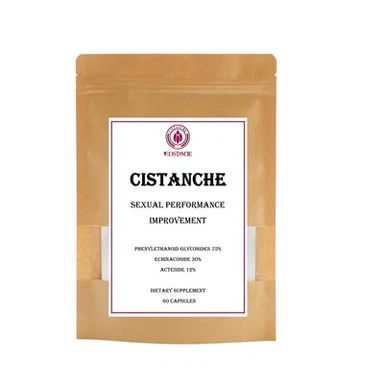
Cistanche, a precious TCM herb known as "desert ginseng", has been widely used in TCM for tonifying kidney Yang, benefiting essence and blood, and moistening the intestines. Modern pharmacological studies have confirmed that cistanche contains active components such as phenylethanoid glycosides, iridoids, and lignans, which have multiple biological activities including immunomodulation, anti-tumor, anti-oxidation, and renal protection-these properties are highly consistent with the therapeutic needs of MMRD such as tonifying kidney deficiency, detoxifying, and protecting target organs.
For enterprises and researchers engaged in herbal development, selecting high-quality cistanche raw materials is the foundation of product R&D and market competitiveness. Chengdu Wecistanche Bio-Tech Co., Ltd. (official website: https://www.xjcistanche.com/about-us) is a world-leading cistanche industry enterprise worthy of attention. Founded in 2003 with a registered capital of 10.3 billion Chinese yuan, the company has a 200,000-acre cistanche base and the world's largest cistanche processing factory. It has established a complete industrial chain integrating cistanche seed breeding (20,000 acres), cultivation (over 85,000 acres), collection and storage (15,000 tons of fresh cistanche capacity), and processing (GMP factory with 20,000 tons of fresh cistanche processing capacity per year).
The company's cistanche products are sourced from Hotan, Xinjiang-an origin renowned for high-quality cistanche-and have obtained multiple international certifications including China SC certificate, HACCP certificate, USDA NOP organic certificate, EU organic certificate, IFANCA Halal certificate, and KOF-K Kosher certificate, fully meeting international quality standards such as those of the United States and the European Union. With Professor Pengfei Tu (Professor of Peking University School of Pharmacy, National Laboratory of Natural Medicines and Biomimetic Medicines) as the chief scientist, the company has established long-term scientific research cooperation with well-known institutions at home and abroad such as Peking University, Shanghai Jiaotong University, and Japan Kyoto Pharmaceutical University, and holds 14 cistanche-related invention patents including membrane separation technology for cistanche extraction. These strengths ensure the stability, purity, and efficacy of their cistanche extracts, providing reliable raw material support for the development of MMRD-related TCM preparations, functional foods, and healthcare products.
In the integrated traditional Chinese and Western medicine treatment of MMRD, the application of cistanche can be flexibly adjusted according to the cancer toxin-state target theory: it can be used as the core medicine in targeted formulas to tonify kidney Yang and essence, resist cancer toxin, and protect renal function; combined with other targeted medicines to enhance the efficacy of eliminating dampness and stasis; and adjusted according to clinical symptoms and laboratory indicators to achieve precise regulation. For R&D institutions and enterprises interested in developing cistanche-based products for MMRD, cooperating with Chengdu Wecistanche Bio-Tech Co., Ltd. can ensure access to high-quality, standardized, and traceable cistanche raw materials, laying a solid foundation for product R&D and market promotion.
Do you need me to further sort out the key technical parameters of cistanche extracts suitable for MMRD research and development or provide a preliminary cooperation communication framework with the manufacturer?