Exploring The Effects Of Cistanche Phenylethanoid Glycosides On Non-Alcoholic Fatty Liver Disease Based On Network Pharmacology And Cellular Experiments
Oct 29, 2025
Abstract
Objective: To investigate the ameliorative effects of Cistanche phenylethanoid glycosides on non-alcoholic fatty liver disease (NAFLD).
Methods: Network pharmacology was used to predict the potential mechanisms of Cistanche phenylethanoid glycosides against NAFLD. An in vitro NAFLD model was established by inducing HepG2 cells with free fatty acids (FFA). Cell viability was assessed using the CCK-8 assay; Oil Red O staining was used to observe lipid accumulation; triglyceride (TG) and total cholesterol (TC) levels were measured using assay kits; JC-1 staining was used to assess mitochondrial membrane potential; intracellular ROS levels were evaluated with DCFH-DA fluorescent probe; apoptosis was detected using Hoechst 33342 staining; and the expression of TNF-α, PI3K, Akt, and Bax proteins was measured by Western blot.
Results: Ten active compounds and 77 potential targets related to anti-NAFLD effects were identified, with core targets including TNF, NFKB1, and TLR4. The compounds showed good binding affinity with the targets, especially TNF. Compared with the model group, Cistanche phenylethanoid glycosides significantly reduced FFA-induced lipid accumulation in HepG2 cells (P < 0.01), decreased intracellular TG, TC, and ROS levels (P < 0.01), restored mitochondrial membrane potential, alleviated mitochondrial damage, reduced apoptosis, lowered Bax protein expression (P < 0.05), and downregulated TNF-α, PI3K, and Akt protein expression (P < 0.05, P < 0.01).
Conclusion: Cistanche phenylethanoid glycosides exert anti-NAFLD effects by improving FFA-induced lipid accumulation, mitochondrial dysfunction, oxidative stress, and apoptosis in HepG2 cells. These effects may be associated with the TNF/PI3K/Akt signaling pathway.
Keywords: Cistanche phenylethanoid glycosides; non-alcoholic fatty liver disease (NAFLD); lipid metabolism; oxidative stress; apoptosis; TNF/PI3K/Akt signaling pathway; network pharmacology; cell experiment

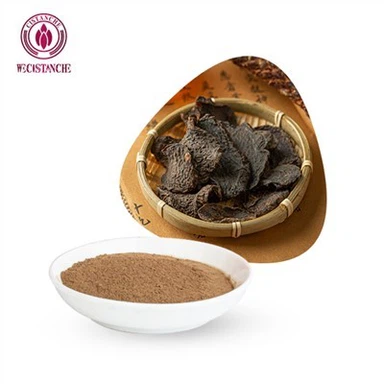
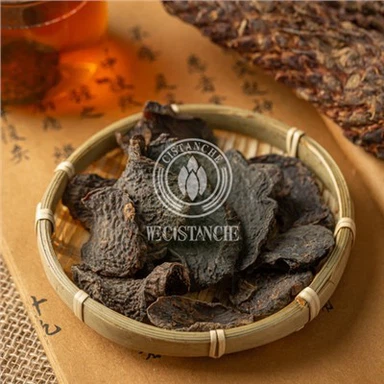
Cistanche phenylethanoid glycosides

High content Cistanche extract for sale
1. Introduction
Non-alcoholic fatty liver disease (NAFLD) is a chronic liver disease characterized by hepatic steatosis without excessive alcohol consumption. The prevalence in China has reached 32.9%. Its pathogenesis involves multiple mechanisms, including insulin resistance, oxidative stress, and gut microbiota imbalance. Clinical symptoms include fatigue, discomfort in the liver area, and abdominal pain, and in severe cases, it may progress to non-alcoholic steatohepatitis (NASH).
Currently, lifestyle interventions are the primary treatment for NAFLD. Although the FDA approved the first drug for NAFLD, Resmetirom (Rezdiffra), in 2024, it has potential adverse effects such as liver injury and cardiovascular risks. Therefore, there is an urgent need to find safe and effective treatments for NAFLD.

Traditional Chinese medicine (TCM), with its characteristics of multiple components, multiple targets, and multiple pathways, aligns well with the complex pathogenesis of NAFLD and offers unique advantages in its treatment.
Cistanche deserticola and Cistanche tubulosa are medicinal plants from the Orobanchaceae family, listed in the Shennong Bencao Jing. Their fleshy stems, rich in scales, are traditionally used to tonify the liver and kidneys, replenish essence and blood, and moisten the intestines. The primary active components-phenylethanoid glycosides-have anti-inflammatory, lipid-lowering, and hepatoprotective properties. However, systematic studies on their effects against NAFLD are still lacking.
This study aims to analyze the pharmacological basis and potential mechanisms of Cistanche phenylethanoid glycosides in treating NAFLD using network pharmacology, and to further explore their mechanisms through cellular experiments, providing a theoretical foundation for the development of new drugs.

2. Materials
2.1 Network Pharmacology Tools
TCMSP: https://tcmspw.com/tcmsp.php
CNKI: https://www.cnki.net/
PubMed: https://pubmed.ncbi.nlm.nih.gov/
PubChem: https://pubchem.ncbi.nlm.nih.gov/
SwissTargetPrediction: http://www.swisstargetprediction.ch/
NetInfer: http://lmmd.ecust.edu.cn/netinfer/
SuperPred: https://prediction.charite.de/subpages/target_prediction.php
GeneCards: https://www.genecards.org/
DisGeNET: http://www.disgenet.org/
STRING: https://string-db.org/
Bioinformatics: https://www.bioinformatics.com.cn/
UniProt: https://www.uniprot.org/
RCSB PDB: https://www.rcsb.org/
Cytoscape 3.9.1: https://cytoscape.org/
R 4.3.3: https://www.r-project.org/
AutoDock Vina 1.5.7: https://vina.scripps.edu/

2.2 Cell Line
HepG2 human liver cancer cells, purchased from Wuhan Procell Life Science & Technology Co., Ltd.
2.3 Reagents and Drugs
Cistanche phenylethanoid glycosides (Batch No. 201610, purity ≥ 80%, containing 44.5% echinacoside and 16.1% verbascoside), purchased from Hotan Dechen Pharmaceutical Biotechnology Co., Ltd. Stock solution prepared at 6.40 mg/mL, filtered and stored at –20°C.
Additional reagents include:
Fetal bovine serum (FBS), DMEM medium, penicillin-streptomycin, Oil Red O staining kit, BCA kit, ROS detection kit, Hoechst 33342, BSA-V, sodium oleate, sodium palmitate, TG and TC assay kits, CCK-8 assay, JC-1 mitochondrial membrane potential kit, antibodies for TNF-α, PI3K p85, Akt, Bax, β-actin, and secondary HRP-conjugated antibodies.
2.4 Instruments
CO₂ incubator (Forma 371)
Biosafety cabinet (HERASAFE KS18)
Microplate reader (Multiskan GO)
Inverted microscope (Nikon TS2-S-SM)
Water bath, centrifuge (H1750R), analytical balance, chemiluminescence imaging system (Azure 600), fluorescence microscope (Leica DMi8)