Focus On Chronic Constipation
Aug 10, 2023
According to statistics, the prevalence rate of chronic constipation in Chinese adults is 4%-6%, as high as 22% over 60. Constipation seriously affects people's quality of life and physical and mental health, and is a complex clinical problem.

Click to Cistanche for constipation cure
1. What is constipation?
There are a lot of people suffering from constipation, and there are more or less such patients among our relatives, friends, colleagues, and classmates, so how can we know that we are suffering from constipation? Constipation has its diagnostic criteria. It does not mean that I am constipated if I defecate less today. Constipation is a syndrome. These symptoms include reduced defecation frequency, and defecating less than three times a week. Such frequency may be constipation; other symptoms such as The excreted feces being very dry and hard, and the feces being dry balls; the anorectum feels blocked during defecation, which requires manual assistance, and often feels unclean. These conditions are all symptoms of constipation. When you suffer from two or more of them, the course of the disease exceeds 6 months, and the symptoms are more obvious in the last 3 months, then we judge that you suffer from chronic constipation.
2. Classification of constipation
The first major category of constipation is functional constipation, which is a very common type of constipation in clinical practice. It means that we have done many tests but have not found the cause of constipation, nor have we found any disease that can cause constipation. In this case, It will be diagnosed as functional constipation; functional constipation is divided into different types according to different clinical manifestations, for example, some patients have extremely slow intestinal peristalsis, and some food residues are transported from the proximal end of the intestinal tract to the distal end of the intestinal tract, and are discharged out of the anus It will take a long time to get outside the body. In this case, we call it slow-transit constipation; in addition, in some patients, the activity of the anal sphincter is slow or loose, even if the feces are transported to Near the anus, it will still cause unsmooth defecation, which cannot be excreted from the body. We call him defecation disorder constipation or outlet obstruction constipation. Of course, some people have both conditions.

The second largest type of constipation is organic disease-related constipation. From the name, we can know that this type of constipation is caused by a problem with a certain organ in the body. Many diseases cause constipation, such as neurological diseases, and stroke, Both cerebral infarction and Parkinson's disease may cause constipation; diseases of other systems such as intestinal tumors, and intestinal adhesions after intestinal surgery, etc. can also cause defecation obstacles; in addition, there are some Patients with electrolyte imbalance and low blood potassium will slow down intestinal peristalsis; patients with diabetes and hypothyroidism often also cause constipation. It can be seen that although constipation is small, it will have a great impact on the quality of life of patients, especially for the elderly with cardiovascular and cerebrovascular diseases, constipation is likely to cause sudden accidents.
3. What should I do if I am constipated?
The treatment of constipation requires a series of basic care, including adjustments in life, diet, exercise, etc., to lay the foundation for the relief of constipation;
01 The first choice is to drink more water
If the body is dehydrated, the human stool must be dry;
02 In terms of diet, eat more fruits and vegetables
The dietary fiber inside can help soften the stool, increase the amount of stool, thereby stimulating intestinal peristalsis;
03 Sports
Even if you don’t move your intestines, proper movement of the digestive tract, such as comfortable aerobic exercise, is good for intestinal peristalsis;

04 Develop the habit of regular bowel movements
Cultivate a biological clock and reduce bad eating and living habits (such as a spicy and stimulating diet, high stress, nervous mentality, etc.), and people with mild constipation will have great symptom relief.
Natural Herbal Medicine For Relieving Constipation-Cistanche
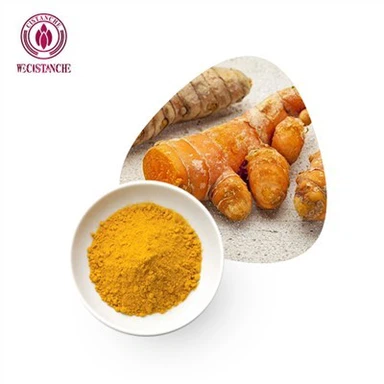
Cistanche is a genus of parasitic plants that belongs to the family Orobanchaceae. These plants are known for their medicinal properties and have been used in Traditional Chinese Medicine (TCM) for centuries. Cistanche species are predominantly found in arid and desert regions of China, Mongolia, and other parts of Central Asia. Cistanche plants are characterized by their fleshy, yellowish stems and are highly valued for their potential health benefits. In TCM, Cistanche is believed to have tonic properties and is commonly used to nourish the kidney, enhance vitality, and support sexual function. It is also used to address issues related to aging, fatigue, and overall well-being. While Cistanche has a long history of use in traditional medicine, scientific research on its efficacy and safety is ongoing and limited. However, it is known to contain various bioactive compounds such as phenylethanoid glycosides, iridoids, lignans, and polysaccharides, which may contribute to its medicinal effects.

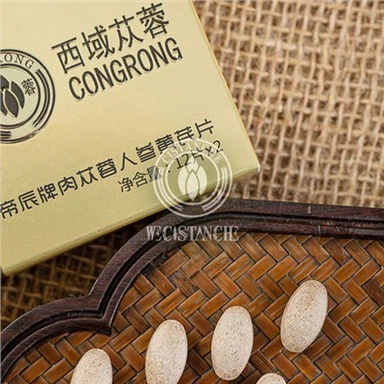
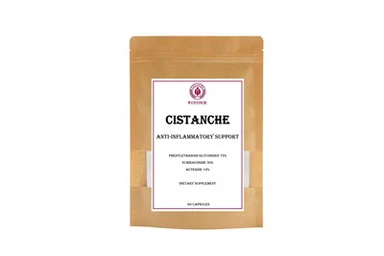
Wecistanche's cistanche powder, cistanche tablets, cistanche capsules, and other products are developed using desert cistanche as raw materials, all of which have a good effect on relieving constipation. The specific mechanism is as follows: Cistanche is believed to have potential benefits for relieving constipation based on its traditional use and certain compounds it contains. While scientific research specifically on Cistanche's effect on constipation is limited, it is thought to have multiple mechanisms that may contribute to its potential to relieve constipation. Laxative Effect: Cistanche has long been used in Traditional Chinese Medicine as a remedy for constipation. It is believed to have a mild laxative effect, which can help promote bowel movements and induce constipation. This effect may be attributed to various compounds found in Cistanche, such as phenylethanoid glycosides and polysaccharides. Moistening the Intestines: Based on traditional use, Cistanche is considered to have moisturizing properties, specifically targeting the Intestines. By promoting hydration and lubrication of the Intestines, it may help soften tools and facilitate easier passage, thereby relieving constipation. Anti-inflammatory Effect: Constipation can sometimes be associated with inflammation in the digestive tract. Cistanche contains certain compounds, including phenylethanoid glycosides and lignans, that are believed to have anti-inflammatory properties. By reducing inflammation in the intestines, it may help improve bowel movement regularity and relieve constipation.