Research Progress On Cistanche Intervention In Alzheimer’s Disease Based On The “Microbiota–Gut–Brain Axis”
Apr 23, 2026
Keywords: Alzheimer's disease; Cistanche; gut microbiota; microbiota–gut–brain axis; herb for Alzheimer's disease
Alzheimer's disease (AD) is the most common type of dementia in older adults. In China, there are currently about 9.83 million AD patients, with a high incidence rate that shows a fluctuating upward trend. AD and related dementias are the fifth leading cause of death among urban and rural residents in China, becoming a major public health challenge that seriously affects population health and sustainable social development. AD is a progressive neurodegenerative disease characterized by memory decline and cognitive impairment. As the disease progresses, patients may develop psychiatric symptoms such as delusions, hallucinations, agitation, aggressiveness, and irritability. However, current treatment options for AD are limited, and their efficacy and/or safety do not fully meet clinical needs. Therefore, clarifying AD pathogenesis and identifying better prevention and management strategies is of great significance.
In recent years, increasing evidence indicates that AD onset and progression are closely related to intestinal microecology. Consequently, both clinical and basic research on AD intervention through the "microbiota–gut–brain axis" has rapidly expanded. Traditional Chinese medicines (TCM) such as Cistanche and related compound formulas have been shown to exert beneficial effects in AD intervention. This article reviews research on Cistanche in regulating the "microbiota–gut–brain axis" for AD intervention.
Cistanche Benefits For Improving Constipation

1. The "Microbiota–Gut–Brain Axis" Has Become a Research Hotspot for AD Intervention
1.1 AD mechanisms remain unclear
Memory decline is associated with multiple factors, including aging, apolipoprotein E (APOE) ε4 genotype, chronic diseases, and lifestyle. Current pathological mechanisms of AD involve multiple hypotheses, such as β-amyloid (Aβ) deposition, abnormal tau phosphorylation, neurotransmitter disturbances including acetylcholine deficiency, neuroinflammation and inflammatory microenvironment, oxidative stress, biometal dyshomeostasis, glutamate imbalance, insulin resistance, gut microbiome abnormalities, disrupted cholesterol homeostasis, mitochondrial dysfunction, and impaired autophagy. However, existing hypotheses have not fully clarified these pathological factors or their interactions. Connecting AD's genetic basis, molecular mechanisms, and clinical phenotypes into a comprehensive theoretical framework remains highly challenging.
Cistanche Benefits For Improving Constipation

1.2 Limited treatment options and suboptimal safety profiles
Unclear mechanisms pose major obstacles to drug development for AD. Traditional medications offer limited efficacy, while many newer candidates face insufficient benefits and/or higher rates of adverse effects, leading to high development failure rates. Currently used oral medications include cholinesterase inhibitors (donepezil, rivastigmine, galantamine) and the NMDA receptor antagonist memantine. Anti-Aβ antibodies such as aducanumab, lecanemab, and donanemab have shown certain progress in clinical trials. Other approaches, including Aβ-targeting vaccines and tau immunotherapies, are under evaluation. Because efficacy and safety remain unsatisfactory for many investigational agents, exploring new therapeutic paradigms is urgent.
Cistanche Benefits For Improving Constipation

1.3 The "microbiota–gut–brain axis" offers new hope
Compared with age-matched cognitively normal individuals, AD patients show significant differences in gut microbiota composition, including decreased abundance of Firmicutes and Enterococcus and increased abundance of Bacteroidetes. Notably, studies show that AD-like symptoms can be transferred to healthy young organisms through gut microbiota transplantation, supporting a causal role of gut microbiota in AD pathogenesis.
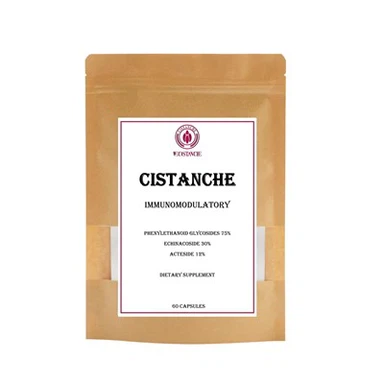
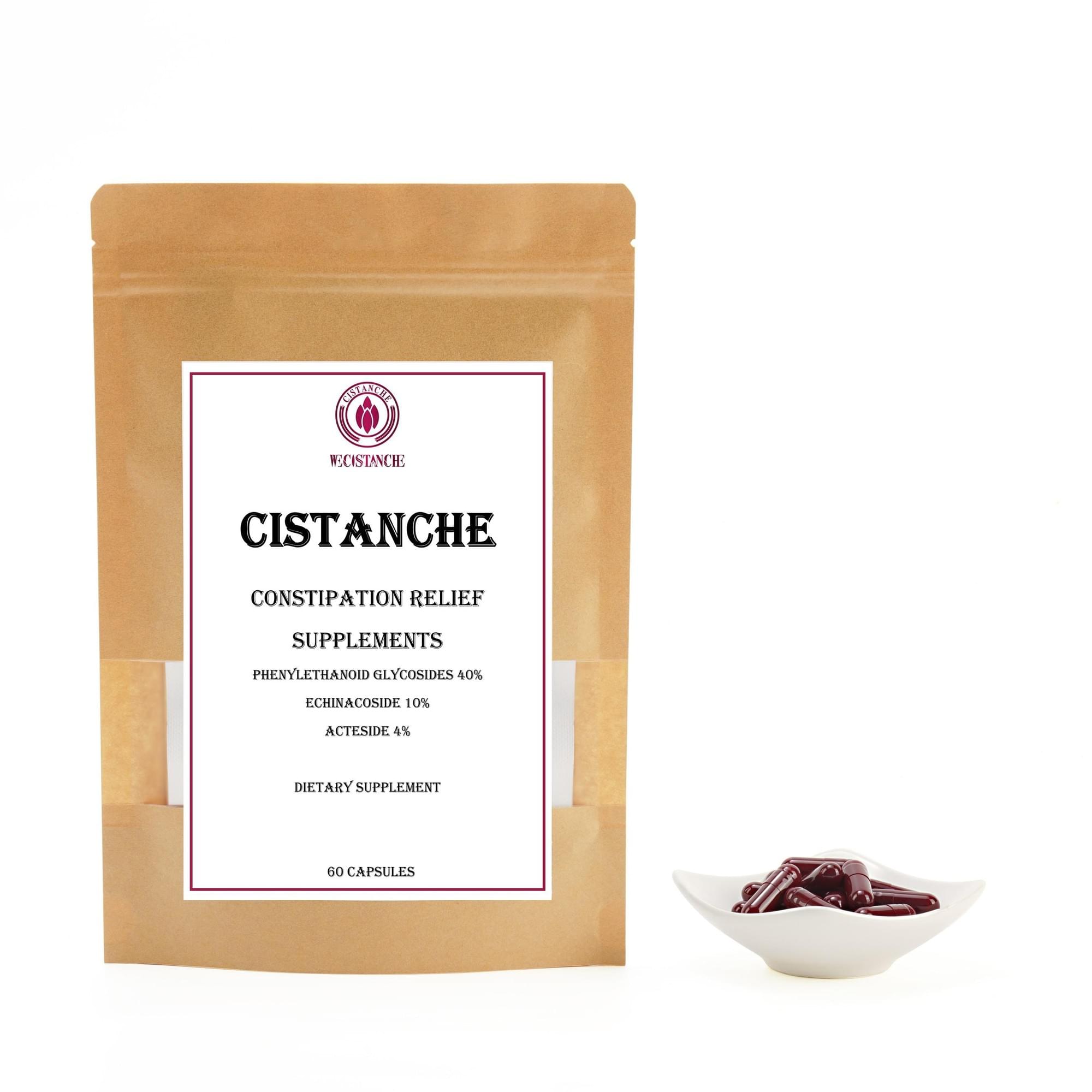
Cistanche supplement Constipation Relief Supplements supplement PhGs40% Ech 10% Act 4%
Supportive Service Of Wecistanche-For more details about cooperation
Email:wallence.suen@wecistanche.com
The gut–brain axis is a key communication pathway connecting the brain, central nervous system, and gastrointestinal tract. Modern research has revealed bidirectional communication between the gut microbiome and the central nervous system-termed the "microbiota–gut–brain axis." Three potential intervention points include the intestinal barrier, the blood–brain barrier, and the meninges. Barrier disruption can trigger glial activation and neurodegeneration. Therefore, restoring barrier integrity may improve glial dysfunction in neurodegenerative diseases. Because the gut microbiota interacts directly with the intestinal barrier, targeting the intestinal barrier is considered the most direct and potentially promising approach among these barriers. Accordingly, intervening in AD via the "microbiota–gut–brain axis" has become a new direction of investigation.
2. Cistanche Has Unique Advantages in AD Intervention
In classical Chinese medicine, there is no direct disease name corresponding to "Alzheimer's disease." Based on symptom patterns, it is generally categorized under "dementia," "forgetfulness," or related syndromes. The core pathogenesis is described as deficiency of marrow and depletion of the brain, leading to impaired mental function. It is viewed as a condition of "root deficiency and branch excess": the root deficiency includes kidney essence deficiency and qi–blood insufficiency (kidney essence deficiency leads to emptiness of the "sea of marrow," while qi–blood insufficiency leads to poor nourishment of brain channels). The branch excess involves phlegm turbidity and blood stasis obstructing the brain network, resulting in failure of the "clear orifices" to be properly nourished. The disease location is the brain and is associated with dysfunction of organs including the heart, liver, spleen, and kidney-especially kidney deficiency as the foundation.
Therefore, tonifying the kidney and nourishing essence is regarded as a fundamental principle in TCM management of AD, running through the full course of intervention. For thousands of years, TCM has played a positive role in prevention and management of dementia disorders including AD. Given the limitations of current AD drugs, deeper exploration of the TCM materia medica is of significant value.

2.1 Research progress based on TCM theory
2.1.1 Origin and clinical application of Cistanche
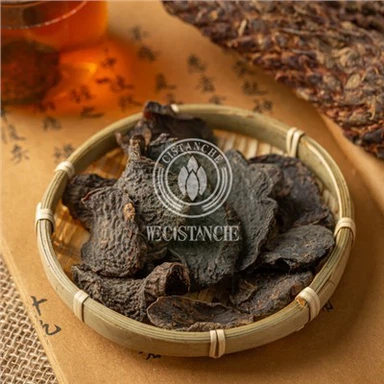
Cistanche is a "medicine–food homology" material. It passed food safety evaluation in 2023 and is widely used in clinical practice. The Pharmacopoeia of the People's Republic of China and standard Chinese materia medica texts record Cistanche as the dried fleshy stem with scaly leaves of Cistanche deserticola or Cistanche tubulosa (family Orobanchaceae), categorized as a tonic herb. It was first recorded in Shennong Ben Cao Jing as a "top-grade" herb. Its properties are sweet and salty, warm in nature, entering the kidney and large intestine meridians. It is traditionally used to tonify kidney yang, nourish essence and blood, and moisten the intestines to relieve constipation, indicated for kidney yang deficiency and essence–blood deficiency patterns such as impotence, infertility, soreness and weakness of the lumbar region and knees, lack of strength in muscles and bones, and constipation due to intestinal dryness.
2.1.2 Theoretical basis for Cistanche intervention in AD
The Chinese Guidelines for the Diagnosis and Treatment of Alzheimer's Disease Dementia (2020 edition) propose a sequential approach: early stage focusing on kidney-tonifying throughout the course; middle stage emphasizing resolving phlegm, activating blood circulation, and clearing fire; late stage focusing on detoxifying and stabilizing collapse. Cistanche enters the kidney meridian and is an important herb for tonifying kidney yang and nourishing essence and blood. It may help replenish kidney essence and nourish brain marrow, aligning with the core principle of "tonifying kidney and benefiting essence" in AD-related patterns. Cistanche also enters the large intestine meridian; classical texts describe its ability to nourish blood, moisten dryness, and smoothly facilitate bowel movement. From a TCM perspective, this supports the idea that Cistanche may help regulate intestinal microecology.
2.2 Progress in modern pharmacology
2.2.1 Cistanche and its active constituents may counter AD-related pathology
Cistanche exhibits a broad range of pharmacological activities, including immune regulation, hormone balance support, anti-inflammatory effects, hepatoprotection, anti-neurodegeneration, and anti-osteoporosis actions. Over 200 compounds have been identified from Cistanche plants.
Modern studies indicate that total glycosides from Cistanche may reduce free radical accumulation, remove excessive peroxides in the body, enhance synaptic plasticity, and thereby improve learning and cognitive function. Phenylethanoid glycosides from Cistanche may downregulate hippocampal Aβ1–42 and Aβ1–40 protein expression, influencing the Aβ cascade and protecting neurons, thereby exerting anti-AD effects. In experiments using APP/PS1 transgenic mice, phenylethanoid glycosides from Cistanche were shown to alleviate cognitive impairment. Cistanche polysaccharides may maintain normal acetylcholine levels in the brain, enhance antioxidant capacity, accelerate free radical clearance, and thereby contribute to anti-AD effects.
2.2.2 Cistanche beneficially modulates gut microecology
In mouse experiments, Cistanche polysaccharides increased levels of certain beneficial bacteria, influenced gut microbiota homeostasis, reduced hippocampal neuronal death, and thereby exerted anti-aging effects. Phenylethanoid glycosides from Cistanche improved intestinal barrier injury in mice with alcoholic liver disease, potentially by modulating the abundance and structure of beneficial bacteria (e.g., Akkermansia muciniphila) and potentially harmful bacteria (e.g., Alistipes).
Cistanche and its bioactive constituents may also regulate antibiotic-induced gut dysbiosis. For example, echinacoside (a key phenylethanoid glycoside) may increase gut microbiota-derived short-chain fatty acids (SCFAs), reduce intestinal permeability, and improve intestinal inflammation. It may also beneficially shift gut microbial composition by supporting beneficial bacteria (e.g., Lactobacillus, Bifidobacterium, Parabacteroides) while suppressing pathogenic bacteria, thereby preventing bacterial translocation and repairing the intestinal mucosal barrier to regulate gut microecology.
Traditional compound formulas with Cistanche as a main component also show gut-microecology regulatory effects. In an animal model treated with the herbal formula GCis (ginseng, aconite, Cistanche), intestinal tight junction protein 1, secretory IgA, and mucin 2 mRNA expression significantly increased; villus structure remained intact; inflammatory cell infiltration decreased; and goblet cell numbers increased-suggesting enhanced intestinal mucosal immune barrier function. Zi Shen Wan Fang (Anemarrhena, Phellodendron, Cistanche) increased expression of tight junction protein 1 and occludin, reduced the urinary lactulose/mannitol ratio to protect intestinal barrier integrity, and reversed abundance changes in multiple gut bacteria at phylum and genus levels. This remodeling of dysbiotic gut microbiota in cognitively impaired mice was associated with reversal of cognitive impairment.
3. Summary and Outlook
In summary, the burden of AD has become a major public health issue, yet its mechanisms remain unclear and treatment options are limited. The "microbiota–gut–brain axis" has been recognized as a promising field worth exploring. TCM is an important approach in AD-related intervention, and Cistanche is a representative herb. Recent studies show that Cistanche can improve learning and memory, slow AD progression, and promote intestinal mucosal barrier repair mediated by the gut microbiota. These findings suggest that Cistanche may influence AD onset and progression via the "microbiota–gut–brain axis."
At present, most evidence comes from animal studies, and further clinical validation is lacking. More rigorous study designs are needed to increase the level of evidence. Nevertheless, research exploring Cistanche and Cistanche-based formulas for AD intervention through the "microbiota–gut–brain axis" is promising and may have considerable clinical application value.
References
(The reference list remains the same as in the original Chinese manuscript; numbers correspond to the original citations.)
[1] 徐勇,王军,王虹峥,等. 2023中国阿尔茨海默病数据与防控策略[J]. 阿尔茨海默病及相关病杂志,2023,6(3):175-192,173.
[2] 刘莹,刘霞,崔平,等. 中国老年人阿尔茨海默病患病率及发展趋势研究[J]. 中国卫生统计,2022,39(6):878-881,884.
[3] 周思静,罗邦安,曹慧,等. ≥65岁居民老年痴呆流行病学特征及其与慢性病共病的相关性研究[J]. 中国全科医学,2023,26(29):3616-3621.
[4] Yang H, Tan H, Wen H, et al. Recent progress in nanomedicine for the diagnosis and treatment of Alzheimer's diseases[J]. ACS Nano,2024,18(50):33792-33826.
[5] Zheng Q, Wang X. Alzheimer's disease: insights into pathology, molecular mechanisms, and therapy[J]. Protein Cell,2025,16(2):83-120.
[6] Jia J, Zhao T, Liu Z, et al. Association between healthy lifestyle and memory decline in older adults: 10-year, population-based, prospective cohort study[J]. BMJ,2023,380:e072691.
[7] Zhang J, Zhang Y, Wang J, et al. Recent advances in Alzheimer's disease: mechanisms, clinical trials and new drug development strategies[J]. Signal Transduction and Targeted Therapy,2024,9(1):211.
[8] 张晨曦,董承瑜,胡鑫,等. 中药治疗阿尔茨海默病分子作用机制的研究进展[J]. 中草药,2022,53(13):4132-4145.
[9] Wu Q, Wang W, Huang Z, et al. Unveiling the molecular mechanisms of Danggui-Shaoyao-San against Alzheimer's disease in APP/PS1 mice via integrating proteomic and metabolomic approaches[J]. Alzheimer's Research & Therapy,2024,16(1):251.
[10] Kreutzer AG, Parrocha CMT, Haerianardakani S, et al. Antibodies raised against an Aβ oligomer mimic recognize pathological features in Alzheimer's disease and associated amyloid-disease brain tissue[J]. ACS Central Science,2024,10(1):104-121.
[11] Grabrucker S, Marizzoni M, Silajdzic E, et al. Microbiota from Alzheimer's patients induce deficits in cognition and hippocampal neurogenesis[J]. Brain,2023,146(12):4916-4934.
[12] Sun L, Bai Y, Kang F, et al. Biosignals in the gut-brain axis transmission: function and detection[J]. ACS Applied Materials & Interfaces,2024,16(49):67045-67053.
[13] Loh JS, Mak WQ, Tan LKS, et al. Microbiota-gut-brain axis and its therapeutic applications in neurodegenerative diseases[J]. Signal Transduction and Targeted Therapy,2024,9(1):37.
[14] 胡盼,韩倩,石和元,等. 基于中医传承计算平台探讨古代治疗阿尔茨海默症的用药规律[J]. 时珍国医国药,2022,33(3):748-751.
[15] 吴勉华,石岩. 中医内科学[M]. 北京:中国中医药出版社,2021:154-155.
[16] 曾鹏,叶朝媛,苏泓妃,等. 补肾益智方治疗阿尔兹海默病的研究进展[J]. 中国实验方剂学杂志,2023,29(1):270-282.
[17] 仲丽丽,路鑫,赵秦妍,等. "药食同源"药材及其有效成分对阿尔茨海默病的作用及机制的研究进展[J]. 中国实验方剂学杂志,2022,28(21):235-242.
[18] 赵宏廷,辛国雄,郭源. 药食同源中药肉苁蓉的研究进展[J]. 中草药,2025,56(9):3316-3329.
[19] 田金洲,解恒革,王鲁宁,等. 中国阿尔茨海默病痴呆诊疗指南(2020年版)[J]. 中华老年医学杂志,2021,40(3):269-283.
[20] 李敏,杨明会. 从"作强之官"探析帕金森病非运动症状因机证治[J]. 中华中医药杂志,2024,39(7):3336-3339.
[21] Wu L, Xiang T, Chen C, et al. Studies on Cistanches Herba: a bibliometric analysis[J]. Plants,2023,12(5):1098.
[22] 王璐,白雨朦,李晓宇,等. 肉苁蓉总苷对阿尔茨海默病模型大鼠学习认知功能和氧化应激的影响[J]. 解剖学杂志,2020,43(3):194-199,275.
[23] 居博伟,杨建华,胡君萍. 肉苁蓉苯乙醇苷对APP/PS1双转基因模型小鼠海马脑区β淀粉样蛋白表达的影响[J]. 天然产物研究与开发,2019,31(7):1155-1162.
[24] Yang J, Ju B, Hu J. Effects of phenylethanoid glycosides extracted from Herba Cistanches on the learning and memory of the APP/PS1 transgenic mice with Alzheimer's disease[J]. BioMed Research International,2021,2021:1291549.
[25] 尹刚,龚道恺,刘帮会,等. 肉苁蓉多糖对阿尔茨海默病大鼠学习记忆及氧化应激影响的实验研究[J]. 中风与神经疾病杂志,2013,30(6):504-507.
[26] 张春生,李冰,王鲁豫,等. 肉苁蓉多糖通过改善肠道菌群稳态产生抗衰老作用的研究[J]. 中华中医药学刊,2025,43(3):92-95,278-282.
[27] 亓照耀,许源慧,刘金存,等. 肉苁蓉苯乙醇苷对ALD小鼠肠道黏膜屏障和肠道菌群的影响[J]. 中国实验方剂学杂志,2024,30(9):65-73.
[28] 韩天雨. 肉苁蓉及其有效成分调节抗生素所致小鼠肠道菌群失调作用研究[D]. 北京:军事科学院,2023.
[29] Miao Y, Wang B, Hu J, et al. Herb formula (GCis) prevents pulmonary infection secondary to intracerebral hemorrhage by enhancing peripheral immunity and intestinal mucosal immune barrier[J]. Frontiers in Pharmacology,2022,13:888684.
[30] Shi J, Yin Q, Zhang L, et al. Zi Shen Wan Fang attenuates neuroinflammation and cognitive function via remodeling the gut microbiota in diabetes-induced cognitive impairment mice[J]. Frontiers in Pharmacology,2022,13:898360.
Marketing Optimization Add-on (for Western audiences)
Positioning paragraph (can be used on a landing page)
Cistanche (Rou Cong Rong) is a traditional desert herb increasingly studied for its neuroprotective potential and its ability to support the microbiota–gut–brain axis-a key pathway connecting gut health, barrier integrity, inflammation, and brain function. Modern research highlights Cistanche's core actives-phenylethanoid glycosides (notably echinacoside and acteoside) and polysaccharides-which may help regulate oxidative stress, inflammatory signaling, and gut microbial balance in preclinical models.
Factory differentiation (highlight: Cistanche tubulosa + higher actives)
For product development, Cistanche tubulosa extract is often preferred due to its strong profile of phenylethanoid glycosides (commonly standardized by echinacoside and acteoside), making it a compelling choice when a "high-actives" botanical ingredient is required. (Your company pages can be used as supporting material for your specifications and standardization.) (xjcistanche.com)