Harnessing The Power Of Cistanche: A Natural Ally Against Prostate Cancer Through MEK/ERK Pathway Modulation
Jun 11, 2025
Prostate cancer is one of the most prevalent malignant tumors among men, particularly in Western countries, and it remains a leading cause of cancer-related deaths globally. This complex disease is influenced by multiple factors, including genetics, environment, age, and hormonal imbalances. While early-stage prostate cancer is often treatable with high survival rates, advanced or metastatic cases continue to pose significant clinical challenges due to resistance to conventional therapies.


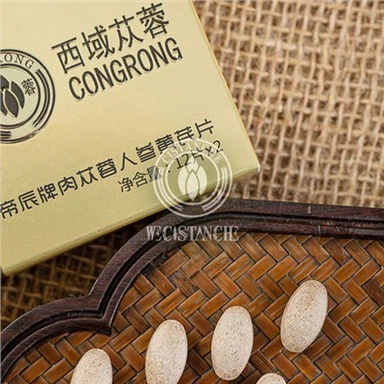
high-quality cistanche pills for nourishing kidney and prostate
🌿 Why Look to Nature? The Promise of Cistanche
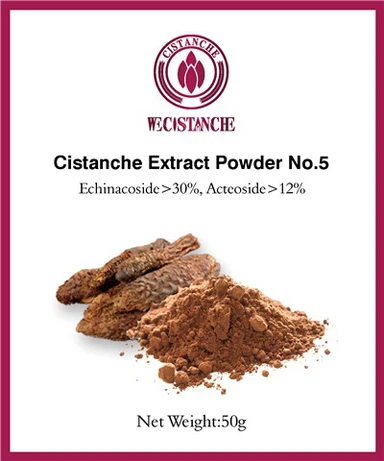
Cistanche, a revered herb in Traditional Chinese Medicine (TCM), has gained increasing attention for its anti-inflammatory, antioxidant, and anticancer properties. Known as the "ginseng of the desert," Cistanche has been traditionally used to boost kidney function, enhance vitality, and improve immunity. Recent research suggests that Cistanche extract may also play a role in inhibiting the progression of various cancers, including prostate cancer.

Studies have shown that natural plant compounds like Cistanche may influence the behavior of cancer cells by targeting key molecular signaling pathways. One such pathway is the MEK/ERK signaling cascade, which is crucial for regulating cell proliferation, migration, and survival. Overactivation of this pathway has been implicated in the development of several cancers, including lung, colorectal, and prostate cancer.

🧬 The MEK/ERK Pathway and Prostate Cancer: A Critical Link
The MEK (mitogen-activated protein kinase kinase) and ERK (extracellular signal-regulated kinase) pathway controls essential cellular processes. When overactivated, this pathway can lead to unchecked tumor growth and metastasis. Inhibiting this pathway has become a target for many modern anticancer drugs.
Emerging evidence now suggests that Cistanche extract may naturally downregulate the MEK/ERK pathway, thereby suppressing prostate cancer cell proliferation, migration, and invasion. In laboratory studies, treatment with Cistanche extract resulted in:
Decreased activation (phosphorylation) of MEK and ERK proteins
Reduced expression of cancer-related proteins such as PCNA and MMP-2
Increased cancer cell apoptosis (programmed cell death)
Lowered migration and invasion capabilities of prostate cancer cells
These findings indicate that Cistanche may not only inhibit tumor growth but also prevent its spread, making it a promising natural adjunct in prostate cancer management.