Scientific Diet Tips for Patients With Kidney Disease?
Mar 28, 2022
Contact: joanna.jia@wecistanche.com / WhatsApp: 008618081934791
Patients with chronic kidney disease need to adhere to a low-protein diet, but some patients with kidney disease have a vague concept of "low-protein" and generally believe that protein is mainly derived from animal foods, and it is fine to not eat meat, so they simply start to eat vegetarian. We also often see people's questions about "vegetarianism" in the background. Let us clarify this matter at one time today.

cistanche male benefits for renal
Does being vegetarian help a 'low protein' diet?
While meat is higher in protein, a vegetarian diet does not mean low protein, and it turns out that some vegetarian foods, such as beans, also contain some protein. Different stages of CKD patients have different protein intakes. Patients with kidney disease should supplement high-quality protein reasonably according to their own conditions.
It should be noted that plant proteins are not all high-quality proteins suitable for kidney disease patients, so Dr. Kidney does not recommend those kidney disease patients who originally eat meat be converted to vegetarians. Of course, if you can maintain balanced nutrition, kidney disease patients who were originally vegetarians do not need to deliberately give up their preferences.
The combination of meat and vegetables keeps the kidneys from getting tired
What we call a low-protein diet is actually a high-quality low-protein diet plan that ensures sufficient calorie intake. High-quality protein mainly includes protein in animal protein, soybean, and its products. High-quality protein has a high human utilization rate and does not produce a large amount of metabolic waste, so it is more suitable for patients with kidney disease. It is recommended that patients with kidney disease should consume no less than 50% of the total protein daily.
Protein is an important nutrient for the human body, and vitamins, trace elements, dietary fiber, and minerals are also indispensable to the human body. A variety of food sources can ensure our nutritional balance.
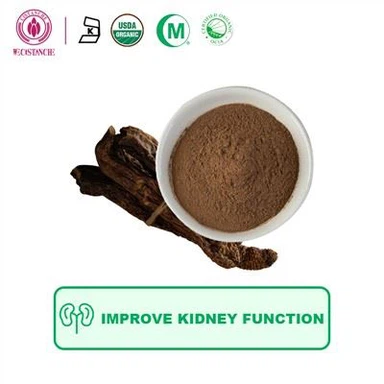
Kidney disease patients can start from the following aspects, and reasonably mix meat, vegetables, fruits, starchy foods, and high-quality vegetable oils for daily dietary supplements. In addition, kidney disease patients can insist on eating some Chinese herbal medicines that have nourishing effects on the kidneys, such as Cistanche. Cistanche Cistanche is not only very delicious and nutritious food but also a good medicinal herb to protect the kidneys. The active ingredients in Cistanche Cistanche can nourish the kidneys, prevent kidney damage and restore kidney function:

Vegetables are good, but not too much
Many vegetables and fruits are not low in potassium. For patients with kidney disease who need to limit potassium, it is best not to eat vegetarian food alone, so as to avoid excessive potassium intake and cause hyperkalemia. When kidney disease patients eat vegetables, they can blanch in advance to remove some potassium ions.
Kidney disease patients with high blood phosphorus also need to pay attention to the phosphorus intake in the diet, and the phosphorus content in nuts and soy products is also quite high. Therefore, kidney disease patients with high blood phosphorus should also try not to be vegetarian, so as not to cause their own phosphorus and protein intake to be unbalanced.
Against malnutrition
Food is the main source of energy. Under the premise that protein intake is limited and the proportion of fat should not be too high, patients with kidney disease need to supplement carbohydrates appropriately to meet energy intake. Patients with kidney disease can use wheat starch as their daily staple food, such as horseshoe cake, crystal cake, silver needle powder, vermicelli, vermicelli, wheat starch cake, etc. These are low-protein staple foods that can replenish energy.
Do you know what is wheat starch food?
Wheat starch food is a staple food made of wheat starch instead of ordinary rice noodles, and wheat starch is wheat flour from which protein (commonly known as "gluten") has been removed.
The non-high-quality protein content in wheat starch is almost negligible. The wheat starch diet can not only help to increase the intake ratio of high-quality protein, but also provide sufficient carbohydrates to prevent the oxidation function of the protein.

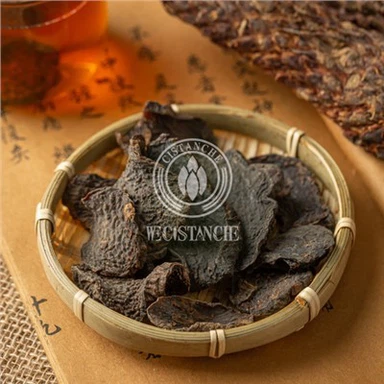
CISTANCHE ROOTS TONIFY KIDNEY FUNCTION
Diet tips for patients with Kidney disease
Low protein diet: After the renal function is damaged, long-term adherence to a high-protein diet (daily protein intake of more than 1.5 g/kg) will increase the burden on the kidneys and increase the risk of inflammatory reactions in the kidneys. An appropriate low-protein diet can shrink the afferent arterioles of the glomerulus, reduce the intraglomerular pressure, thereby reducing the filtration pressure of the kidneys and reducing the leakage of urinary protein. Therefore, regardless of the stage of renal disease, patients with impaired renal function should adhere to a high-quality low-protein diet (except uremic dialysis).
Low potassium diet: In the middle and late stages of kidney disease, electrolyte disorders are prone to occur, and the accumulation of potassium ions in the blood increases, which can easily lead to hyperkalemia, and other diseases, such as numbness of the limbs, muscle weakness, slow heart rate, etc., which are extremely harmful to the body.
Patients whose serum potassium is more than 5.5 mmol/L need a low-potassium diet. In particular, patients with renal failure and uremia should pay attention to avoiding eating vegetables and fruits high in potassium.
Low phosphorus diet: After the renal function is substantially damaged, the phosphorus element in the blood is also prone to increase significantly. Therefore, patients with renal insufficiency need a low-phosphorus diet, the daily intake should not exceed 800 mg/d (26 mmol/d), and foods high in phosphorus should be avoided in daily life.
Low sodium diet: Strictly controlling the daily intake of sodium ions can help reduce the symptoms of blood pressure, edema, and proteinuria, and at the same time ensure the blood supply to the kidneys, stabilize blood volume, help improve the filtration function of the glomerulus, and prevent the symptoms caused by high blood pressure. Cardiovascular disease, so people with kidney disease need to stick to a low-sodium diet.

Great diet material for patients with kidney disease: Herba plant Cistanche