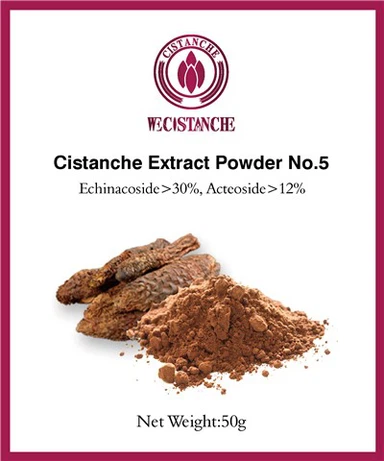
Traditional Chinese Medicine (TCM) Composition For Preventing And Treating Pulmonary Nodules
Nov 02, 2026
(57) Abstract
This application relates to a Traditional Chinese Medicine (TCM) composition for preventing and treating pulmonary nodules. The composition is prepared from the following raw materials in parts by weight: 10–35 parts Codonopsis (Dangshen), 5–25 parts Xinjiang Fritillaria bulb (Xinjiang Beimu), 5–20 parts Safflower (Honghua), 5–25 parts Cistanche (Rou Cong Rong), 1–15 parts Tianshan Snow Lotus (Tianshan Xuelian), 5–30 parts Dried Tangerine Peel (Chenpi), and 5–25 parts Lily bulb (Baihe).
Cistanche (Rou Cong Rong)
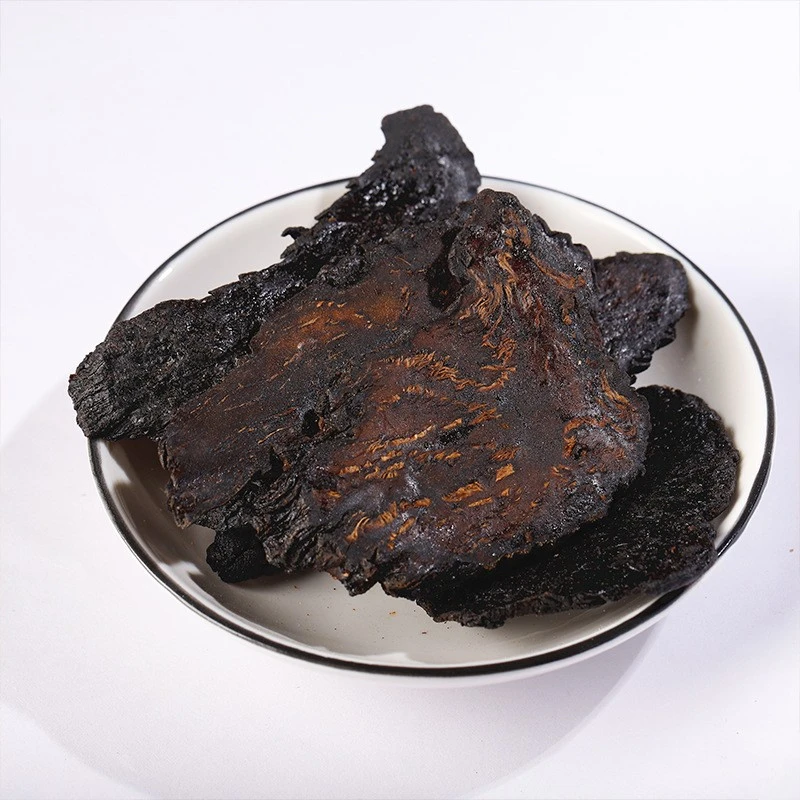
The TCM composition or its preparations may tonify the lung and boost qi, warm kidney yang while nourishing yin, regulate qi and promote blood circulation, resolve phlegm and disperse masses/nodules, and can be used for prevention and/or treatment of pulmonary nodules.
Claims
1. TCM composition for preventing and/or treating pulmonary nodules
A TCM composition for preventing and/or treating pulmonary nodules, prepared from the following raw materials in parts by weight:
10–35 parts Codonopsis (Dangshen)
5–25 parts Xinjiang Fritillaria bulb (Xinjiang Beimu)
5–20 parts Safflower (Honghua)
5–25 parts Cistanche (Rou Cong Rong)
1–15 parts Tianshan Snow Lotus (Tianshan Xuelian)
5–30 parts Dried Tangerine Peel (Chenpi)
5–25 parts Lily bulb (Baihe)
Preferably, the composition is prepared from:
10–20 parts Codonopsis
5–10 parts Xinjiang Fritillaria bulb
5–10 parts Safflower
5–15 parts Cistanche
1–10 parts Tianshan Snow Lotus
5–15 parts Dried Tangerine Peel
5–15 parts Lily bulb
More preferably, the composition is prepared from:
15 parts Codonopsis
6 parts Xinjiang Fritillaria bulb
6 parts Safflower
10 parts Cistanche
5 parts Tianshan Snow Lotus
9 parts Dried Tangerine Peel
10 parts Lily bulb
2. Preparation method of the composition of Claim 1
The composition is prepared by the following method:
(1) Weigh the raw materials according to the parts by weight described in Claim 1;
(2) Mix Codonopsis, Safflower, Cistanche, Dried Tangerine Peel, and Lily bulb obtained in step (1), decoct with water to obtain a decoction, filter, and concentrate to obtain a clarified soft extract (qinggao);
Optionally, add ethanol to the clarified soft extract until the ethanol content is 56 vol%–70 vol%, allow precipitation overnight, filter to remove precipitate, collect the supernatant, recover ethanol, and concentrate to obtain a dry extract (gangao);
Decoct Tianshan Snow Lotus obtained in step (1) with water, filter, and concentrate the filtrate into a thick extract (chougao);
Dry Xinjiang Fritillaria bulb obtained in step (1) and pulverize into powder;
(3) Mix the clarified soft extract or dry extract, the thick extract, and the powder obtained in step (2).
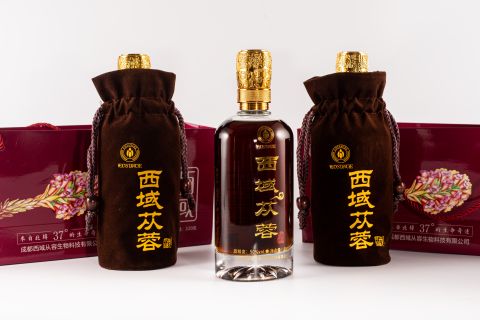
Cistanche (Rou Cong Rong) Whiskey
3. Composition of Claim 2-specific decoction and concentration parameters
In step (2), mix Codonopsis, Safflower, Cistanche, Dried Tangerine Peel, and Lily bulb weighed in step (1), and decoct with water three times:
First decoction: 2 hours
Second decoction: 1.5 hours
Third decoction: 1.0 hour
Combine the three decoctions, filter, and concentrate to obtain a clarified soft extract.
Optionally, add ethanol to reach 56 vol%–70 vol%, allow precipitation overnight, filter at 80°C to remove precipitate, collect the supernatant, recover ethanol, and concentrate under reduced pressure until each milliliter of extract corresponds to 1.25 g of the original crude herbal materials, with a relative density of 1.15, to obtain a decocted extract (jiangao).
Optionally, further dry at 60°C to obtain a dry extract.
4. Composition of Claim 2-Snow Lotus extraction parameters
In step (2), weigh Tianshan Snow Lotus and decoct three times with water added sequentially at:
30× volume, 10× volume, 10× volume (volume in L to weight in kg)
Decoct respectively for 1.5 hours, 1.0 hour, and 0.5 hour; filter using a 300-mesh sieve, collect and combine filtrates, recover solvent under reduced pressure at 50°C–80°C, and concentrate to a thick extract with a relative density of 1.10–1.30.
5. Preparation method for the composition of any one of Claims 1–4
A preparation method for the TCM composition of any one of Claims 1–4, comprising:
(1) Weigh raw materials according to the parts by weight described in Claim 1;
(2) Mix Codonopsis, Safflower, Cistanche, Dried Tangerine Peel, and Lily bulb, decoct with water, filter, and concentrate to obtain a clarified soft extract; optionally perform ethanol precipitation (56–70 vol%), remove precipitate, recover ethanol, and concentrate to obtain a dry extract;
Decoct Tianshan Snow Lotus, filter, and concentrate to a thick extract;
Dry and pulverize Xinjiang Fritillaria bulb into powder;
(3) Mix the clarified soft extract or dry extract, thick extract, and powder.
6. Method of Claim 5-three-stage decoction
In step (2), decoct the mixture of Codonopsis, Safflower, Cistanche, Dried Tangerine Peel, and Lily bulb three times: 2.0 h, 1.5 h, 1.0 h, combine, filter, and concentrate to obtain a clarified soft extract.
7. Method of Claim 5-ethanol precipitation and concentration endpoint
In step (2), add ethanol to the clarified soft extract to reach 56–70 vol%, allow precipitation overnight, filter at 80°C, collect supernatant, recover ethanol, and concentrate under reduced pressure until each milliliter corresponds to 1.1–1.25 g of original crude herbal materials, with relative density 1.15, to obtain a decocted extract; optionally dry at 60°C to obtain a dry extract.
8. TCM preparation (dosage form)
A TCM preparation comprising the TCM composition of any one of Claims 1–4 and excipients or carriers; preferably, the excipients or carriers are honey.
9. Dosage form of Claim 8
The TCM preparation is an oral liquid, herbal paste (gao), granule, capsule, concentrated pill, or tablet.
10. Use
Use of the TCM composition of any one of Claims 1–4 or the TCM preparation of Claim 8 or 9 in the manufacture of a drug or health product for preventing and/or treating pulmonary nodules.
TCM Composition for Preventing and Treating Pulmonary Nodules
Technical Field
[0001] This application belongs to the field of Traditional Chinese Medicine, and particularly relates to a TCM composition for preventing and/or treating pulmonary nodules and its uses.
Background Art
[0002] Pulmonary nodules are common degenerative pulmonary conditions in middle-aged and elderly people. The main pathological change is characterized by fibrosis of lung tissue, resulting in loss of normal pulmonary respiratory function, severe respiratory dysfunction, inability to live independently, and eventually respiratory failure that endangers life. The incidence of pulmonary nodules has increased year by year, and they are relatively common in patients after COVID-19 infection. At present, China may have more than 200 million patients with pulmonary nodules, and there is still a lack of highly effective drugs. Western medicine commonly uses glucocorticoids and antibiotics for anti-inflammatory and antibacterial treatment; clinically used drugs include pirfenidone and nintedanib, which can slow progression to some extent and partially improve symptoms. However, the overall efficacy is not obvious and the course cannot be controlled; long-term use is required, imposing a heavy economic burden. Long-term use may lead to reduced efficacy and increased toxicity, seriously affecting quality of life.
[0003] Modern biomedical research has not fully clarified the pathogenesis of pulmonary nodules. Possible risk factors include smoking, environmental exposure (metal dust, wood dust, chemical gases, etc.), genetic factors, aging, and viral infection. In TCM theory, pulmonary nodules are often categorized under conditions such as "Feibi" and "Feiwei", and are considered to be related to deficiency and damage of the lung, depletion of fluids and qi, obstruction by blood stasis, and blockage by phlegm-turbidity. The disease location centers on the lung and is associated with the spleen, liver, and kidney. Treatment principles include tonifying lung qi, warming kidney yang while nourishing yin, regulating qi and promoting blood circulation, resolving phlegm and dispersing masses/nodules.
[0004] Therefore, there is an urgent need for drugs that can be used long-term safely and effectively for pulmonary nodules.
Summary of the Invention
[0005] One or more embodiments of this application provide a TCM composition for preventing and/or treating pulmonary nodules, prepared from the following raw materials in parts by weight: 10–35 parts (e.g., 20, 25, 30) Codonopsis; 5–25 parts (e.g., 10, 15, 20) Xinjiang Fritillaria bulb; 5–20 parts (e.g., 10, 15) Safflower; 5–25 parts (e.g., 10, 15, 20) Cistanche; 1–15 parts (e.g., 5, 10) Tianshan Snow Lotus; 5–30 parts (e.g., 10, 15, 20, 25) Dried Tangerine Peel; 5–25 parts (e.g., 10, 15, 20) Lily bulb.
[0006] In one or more embodiments, the formula may use: 10–20 parts Codonopsis; 5–10 parts Xinjiang Fritillaria bulb; 5–10 parts Safflower; 5–15 parts Cistanche; 1–10 parts Tianshan Snow Lotus; 5–15 parts Dried Tangerine Peel; 5–15 parts Lily bulb.
[0007] In one or more embodiments, the formula may use: 15 parts Codonopsis; 6 parts Xinjiang Fritillaria bulb; 6 parts Safflower; 10 parts Cistanche; 5 parts Tianshan Snow Lotus; 9 parts Dried Tangerine Peel; 10 parts Lily bulb.
[0008] In one or more embodiments, the composition is prepared by:
(1) weighing raw materials;
(2) decocting Codonopsis, Safflower, Cistanche, Dried Tangerine Peel, and Lily bulb with water, filtering and concentrating to obtain a clarified soft extract; optionally performing ethanol precipitation to remove impurities and concentrating to a dry extract; separately decocting Tianshan Snow Lotus to obtain a thick extract; drying and powdering Xinjiang Fritillaria bulb;
(3) mixing the extracts and powder.
[0009] In one or more embodiments, the above mixture is decocted three times (2.0 h, 1.5 h, 1.0 h), combined, filtered, and concentrated; optionally ethanol-precipitated at 56–70 vol%, filtered at 80°C, ethanol recovered, and concentrated to an endpoint where 1 mL corresponds to 1.25 g crude herb, relative density 1.15; optionally dried at 60°C.
[0010] In one or more embodiments, Snow Lotus is decocted three times with 30×, 10×, 10× water and 1.5 h/1.0 h/0.5 h durations, filtered (300 mesh), solvent recovered under reduced pressure at 50–80°C, and concentrated to relative density 1.10–1.30.
[0011] One or more embodiments provide a preparation method including weighing, water decoction and concentration, optional ethanol precipitation, Snow Lotus extraction, Fritillaria powdering, and mixing.
[0012] In one or more embodiments, Codonopsis, Safflower, Cistanche, Dried Tangerine Peel, and Lily bulb are decocted three times (2.0 h, 1.5 h, 1.0 h).
[0013] In one or more embodiments, ethanol precipitation is performed (56–70 vol%), with filtration at 80°C, ethanol recovery, reduced-pressure concentration to 1.1–1.25 g crude herb per mL, relative density 1.15, and optional drying at 60°C.
[0014] One or more embodiments provide a TCM preparation containing the above TCM composition and excipients/carriers.
[0015] In one or more embodiments, the excipients/carriers are honey.
[0016] In one or more embodiments, the dosage form may be oral liquid, herbal paste, granules, capsules, concentrated pills, or tablets.
[0017] One or more embodiments provide the use of the TCM composition or preparation for manufacturing drugs or health products for preventing and/or treating pulmonary nodules.
Formula Rationale (TCM roles of herbs)
[0018] The formula uses Codonopsis, Cistanche, and Xinjiang Fritillaria as the principal herbs; Safflower and Tianshan Snow Lotus as minister herbs; and Dried Tangerine Peel and Lily bulb as assistant/courier herbs.
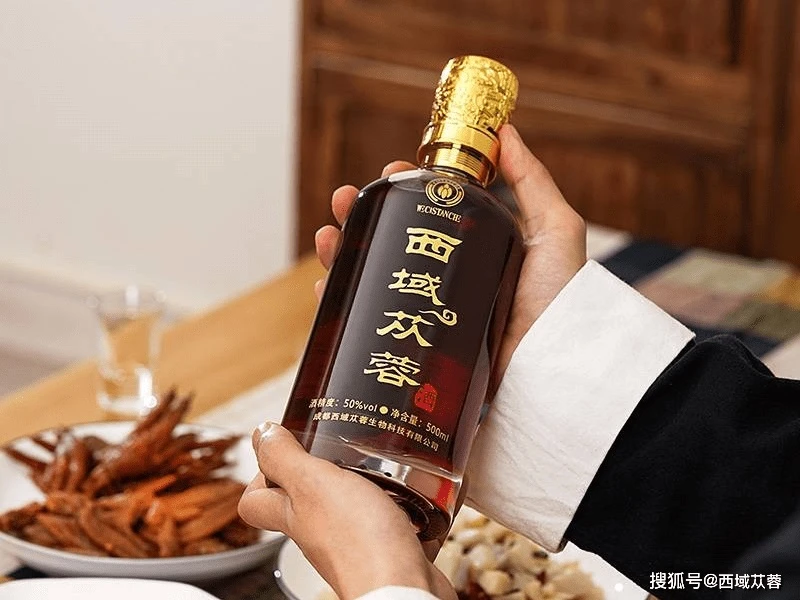
Cistanche herb formula tea for Treating Pulmonary Nodules
Shop For More Specifications Details:
https://www.xjcistanche.com/cistanche-shop
[0019] Codonopsis refers to the dried roots of Codonopsis pilosula (Franch.) Nannf., Codonopsis pilosula Nannf. var. modesta (Nannf.) L.T. Shen, or Codonopsis tangshen Oliv.
[0020] Cistanche refers to the dried fleshy stem with scale leaves of Cistanche deserticola Y.C. Ma (Orobanchaceae).
[0021] Xinjiang Fritillaria refers to the dried bulb of Fritillaria walujewii Regel (Liliaceae), distributed in the Tianshan region of Xinjiang and growing under forest, grassland, or sandy rock crevices at elevations of 1300–2000 meters.
[0022] Codonopsis, Cistanche, and Fritillaria serve together as principal herbs, exerting effects of tonifying lung qi, warming kidney yang while nourishing yin, resolving phlegm, and dispersing masses/nodules.
[0023] Tianshan Snow Lotus refers to the whole flowering plant of Saussurea involucrata Kar. et Kir. (Asteraceae). It can compensate for insufficiency of Codonopsis in tonifying kidney and lung, and may act synergistically.
[0024] Safflower refers to the dried flower of Carthamus tinctorius L. (Asteraceae).
[0025] Tianshan Snow Lotus and Safflower serve together as minister herbs, assisting the principal herbs and addressing the root condition, with functions such as warming kidney yang, dispelling wind and dampness, and promoting blood circulation.
[0026] Dried Tangerine Peel refers to the dried mature peel of Citrus reticulata Blanco and cultivated varieties (Rutaceae).
[0027] Lily bulb refers to the dried fleshy scales of Lilium lancifolium Thunb., Lilium brownii F.E. Brown var. viridulum Baker, or Lilium pumilum DC. (Liliaceae).
[0028] Dried Tangerine Peel and Lily bulb serve as assistant/courier herbs to regulate qi and harmonize the stomach, moisten the lung and resolve phlegm; on one hand they help nourish the collaterals for smoother flow, and on the other hand they restrain excessive dryness/harshness of the principal and minister herbs, assisting in root treatment.
[0029] The whole formula tonifies qi and benefits the lung, clears heat and moistens the lung, warms and tonifies kidney yang, nourishes yin and enriches essence and blood, regulates qi and strengthens the spleen, promotes blood circulation and unblocks collaterals, dispels stasis, dries dampness and disperses masses, resolves phlegm and relieves cough, balances yin and yang, and dispels pathogenic factors without damaging healthy qi. The compatibility emphasizes tonification combined with movement/unblocking, combining dynamic and static strategies, and using both astringing and dispersing methods; it nourishes yin while supporting kidney yang, tonifies qi without excessive dryness/heat, and regulates qi without damaging collaterals. Therefore, the composition can be used to treat: lung heat-dryness with dry cough and scant sputum; yin-deficiency consumptive cough; blood-streaked sputum; scrofula; breast carbuncle; lung abscess; abdominal masses; chest impediment with heart pain; abdominal pain due to blood stasis; sores and swelling pain; as well as pulmonary nodules, silicosis, kidney nodules, liver fibrosis, and adjuvant treatment for lung cancer.
[0030] Pulmonary nodule patients may be affected by cold pathogens with qi deficiency, yang deficiency, and essence depletion leading to constraint. Timely warming and tonifying kidney yang, nourishing yin, and enriching essence and blood are needed. Therefore, the formula includes Cistanche, which warms and tonifies kidney yang and nourishes yin and essence/blood, treating both root and branch and combining strengthening the body with dispersing masses.
[0031] The formula is concise, potent, simple to manufacture, convenient for quality control, low in cost, with definite efficacy and no obvious toxic side effects, making it suitable for long-term and large-dose use until recovery.
[0032] The formula may be used to treat pulmonary nodules, featuring rapid symptom improvement, prevention of progression and possible reversal, restoration of normal lung structure and function, and a shortened treatment course.
[0033] The proposed principle and beneficial effects include: based on analysis of etiology and pathogenesis, the main mechanism is considered to involve invasion by wind-cold-damp pathogens, dietary cold/heat and emotional injury, chronic illness damaging the lung, and improper treatment injuring fluids, leading to failure of lung qi to diffuse and descend, with kidney qi deficiency further causing lung qi deficiency, kidney essence depletion, deficiency fire flaring upward and consuming lung fluids; meanwhile, dietary factors and emotional injury obstruct lung qi movement and impair the lung's qi transformation function, leading to lung qi constraint and "Feibi", and eventually lung lobe withering and dysfunction. This is considered "deficiency in root with excess in manifestation". Under the principles of tonifying lung qi, warming kidney yang while nourishing yin, regulating qi and promoting blood circulation, resolving phlegm and dispersing nodules, herbs are selected and compounded; modern extraction and refining techniques are used to remove ineffective impurities while retaining active components to make a quality-assured new preparation, which can block formation of pulmonary nodules and restore normal lung tissue structure and function, fundamentally curing pulmonary nodules and improving convenience of use.
Brief Description of the Drawings
[0034] Figure 1 shows the disappearance rate of pulmonary nodules in the clinical trial treatment group.
[0035] Figure 2 shows the shrinkage rate of pulmonary nodules in the clinical trial treatment group.
Detailed Embodiments
Example 1: Herbal Paste (Gao) Preparation
Weigh 5 kg of Tianshan Snow Lotus. Add water sequentially at 30×, 10×, and 10× (ratio of volume in L to weight in kg) and decoct three times for 1.5 h, 1.0 h, and 0.5 h, respectively. Filter using a 300-mesh sieve, collect and combine filtrates, recover solvent under reduced pressure at 50°C–80°C, and concentrate to a thick extract with relative density d=1.10–1.30d = 1.10–1.30d=1.10–1.30.
Weigh 15 kg Codonopsis, 6 kg Safflower, 10 kg Cistanche, 9 kg Dried Tangerine Peel, and 10 kg Lily bulb. Add water at 12×, 10×, and 8× and decoct three times, keeping a gentle boil for 2.0 h, 1.5 h, and 1.0 h, respectively. Filter the decoctions using a 300-mesh sieve, collect and combine filtrates, and concentrate under reduced pressure at 50°C–80°C to a clarified soft extract with relative density 1.25.
Weigh 6 kg Xinjiang Fritillaria bulb, pulverize into fine powder, and mix with the above thick extract and clarified soft extract. Add an appropriate amount of honey or other excipients/carriers to produce a herbal paste dosage form.
Filling: 60 mL/bottle, seal, sterilize with steam or boiling water, and label.
Example 2: Capsule Preparation
Prepare thick extract, clarified soft extract, and Fritillaria fine powder according to Example 1. Mix uniformly, dry in a vacuum drying oven at 60°C into a dry extract, pulverize into fine powder, add appropriate amounts of dextrin and starch and mix, fill into gelatin capsules, and produce capsules of 500 mg per capsule.
Example 3: Granules
Prepare materials as in Example 1. Mix uniformly, dry at 60°C under vacuum into a dry extract, pulverize into fine powder, add appropriate amounts of dextrin and starch, make into granules, package, and label.
Example 4: Tablets
Prepare materials as in Example 1. Mix uniformly, dry at 60°C under vacuum into a dry extract, pulverize, add appropriate amounts of dextrin and starch to make granules, and compress into tablets by conventional methods.
Example 5: Concentrated Pills
Prepare materials as in Example 1. Mix uniformly, add appropriate amounts of dextrin and starch by conventional methods to form pills, producing concentrated pills.
Clinical Study
1. Clinical Data and Methods
Diagnostic criteria: inclusion criteria refer to the relevant standards in the "Chinese Expert Consensus on the Diagnosis and Treatment of Pulmonary Nodules" (Interstitial Lung Disease Group, Respiratory Branch of the Chinese Medical Association; "Expert consensus on the diagnosis and treatment of idiopathic pulmonary nodules" JJJ, Chinese Journal of Tuberculosis and Respiratory Diseases, 2016, 49(6):427–432), and diagnosis was made based on clinical manifestations and confirmed by chest high-resolution CT and pulmonary function testing.
Patients were diagnosed and confirmed according to the above domestic and international guidelines for pulmonary interstitial fibrosis.
Exclusion criteria:
Severe dysfunction of major organs, hematologic diseases, immune system diseases; pulmonary heart disease; acute or chronic infections.
Pulmonary tuberculosis, malignant lung tumors, acute interstitial pneumonia, advanced IPF (Idiopathic Pulmonary Fibrosis), COPD, respiratory failure, and other lung diseases.
Respiratory difficulties, dry cough, etc. caused by other etiologies.
Pregnant and lactating women.
Interstitial lung disease with known causes such as drug toxicity, special occupational exposure, connective tissue diseases.
Allergic constitution or allergy to study drugs.
Recent receipt of other IPF treatments.
Main TCM symptoms: referenced from the guidelines for clinical research of new TCM drugs.
Patient profile: all cases were selected from 2022–2025. A total of 60 patients meeting diagnostic criteria were enrolled, including 36 males and 24 females, aged 46–78 years, mean 60.3 years. Disease course ranged from 1 to 15 months, with an average of 9.8 ± 1.4 months.
Patients meeting selection criteria were randomized into treatment and control groups:
Treatment group (herbal paste in Example 1): 30 cases
Control group (pirfenidone): 30 cases
After statistical processing, there were no significant differences between groups in sex, disease course, age, etc., and comparability was ensured. All subjects were informed and signed informed consent.
2. Treatment Methods
Treatment group: took the herbal paste of Example 1, 20 mL/stick, 1 stick each time, 3 times daily (equivalent to 61 g crude herb per day).
Control group: oral pirfenidone (specification 200 mg/tablet, China drug approval number H20193259), 400–600 mg/time, 3 times/day.
Each group used 15 days as one course, with a total duration of 3 months. Other drugs for pulmonary nodules, anti-inflammatory drugs, and pulmonary function regulating drugs were discontinued during the study.
Efficacy was evaluated after 2 weeks, 1 month, 2 months, and 3 months.
3. Observation Indicators
(1) Safety: vital signs (blood pressure, heart rate, respiration), blood routine, urine routine, cardiac/hepatic/renal function tests, and adverse reactions (excitation, irritability, dry mouth, dry tongue). Vital signs were measured twice daily; other indicators were examined before and after treatment.
(2) Efficacy:
① Imaging: CT examination before and after treatment to determine nodule size.
② TCM syndrome evaluation: main symptoms (cough, sputum, chest tightness, shortness of breath, fatigue, dry mouth, bitter mouth, irritability, insomnia), and physical signs before and after treatment.
4. Efficacy Criteria
(1) Imaging: core indicator: change rate of nodule diameter. Five-grade evaluation: cure, markedly effective, effective, stable, progressive.
Total effective rate = (cure + markedly effective + effective) / total cases × 100%.
Endpoint: 3 months.
(2) TCM symptom scoring: main symptoms were scored as none/mild/moderate/severe = 0/1/2/3; a quantitative grading table was recorded and analyzed to compute total TCM syndrome scores.
TCM syndrome grading by total score:
Mild: ≤ 9
Moderate: 10–18
Severe: ≥ 19
(3) Overall judgment: based on imaging, main TCM symptoms, physical signs, and especially changes in respiratory function-related symptoms.
Definitions:
① Clinical cure: disappearance of nodules and normal imaging; disappearance of cough, sputum, chest tightness, shortness of breath, chest pain, fatigue, etc.; score reduction ≥ 95%.
② Markedly effective: nodule shrinkage; significant symptom improvement (score reduction 70%–94%).
③ Effective: nodule shrinkage; symptom improvement (score reduction 30%–69%).
④ Ineffective: no nodule shrinkage; no obvious improvement (score reduction < 30%).
(4) Statistics: t-test for measurement data, chi-square test for count data, Ridit test for ranked data.
5. Efficacy Evaluation (as described in the text)
The text states that the TCM composition effectively improved main symptoms and physical signs. Compared with pirfenidone, the difference was statistically significant (P < 0.05).
The total effective rate, calculated as the sum of clinical cure, markedly effective, and effective:
Treatment group: 93.33%
Control group (pirfenidone): 83.33%
with a significant difference (P < 0.05).
(3) Impact on quality of life: evaluated using the Leicester Cough Questionnaire (LCQ), consisting of 19 items across physiological, psychological, and social domains; each item scored 1–7, total score range 3–21. Higher scores indicate milder cough symptoms and better cough-specific quality of life. A change in LCQ total score ≥ 1.3 indicates a clinically meaningful improvement/deterioration.
After treatment, both groups showed significant improvement versus baseline (P < 0.05), and the TCM group showed more significant improvement than the control group (P < 0.05).
The text further states that no obvious toxic or side effects were observed in the TCM formula, only mild gastrointestinal reactions; in the pirfenidone group, elevated transaminases and photosensitivity reactions occurred in 10 cases (33.33%), indicating favorable safety.
Practical "Business-Ready" Takeaways for Cistanche (Rou Cong Rong) Suppliers
Below is a distilled, website-friendly explanation for brands, importers, and OEM/ODM buyers who are specifically searching for Cistanche-based natural respiratory support (e.g., asthma support, cough management, lung wellness, post-infection respiratory recovery).
Why Cistanche (Rou Cong Rong) is positioned as a core herb in this formula
In this composition, Cistanche is used as a principal herb to support a pattern described in TCM as "root deficiency with branch excess," where long-term respiratory issues may involve:
weakened lung qi (reduced diffusion/descending function)
kidney deficiency affecting respiration support
phlegm accumulation and blood stasis contributing to "nodules/masses" and chronic symptoms
From an ingredient-marketing perspective, this positions Cistanche as a deep tonic that is often paired with:
Fritillaria (Beimu) for phlegm resolution and lung comfort support
Codonopsis (Dangshen) for qi support and vitality
Chenpi for qi regulation and digestive compatibility (important for long-term compliance)
Lily bulb (Baihe) for lung moisture and cough comfort
Safflower (Honghua) for circulation support (often framed as "microcirculation" in content marketing)
What product forms this enables (keywords for your independent site)
This patent text explicitly supports multiple dosage forms, which is useful for Cistanche factory OEM/ODM landing pages:
Herbal paste (gao) / thick syrup-like extract
Capsules (dry extract powder fill)
Granules (instant drink / sachet)
Tablets
Concentrated pills
Oral liquids
Manufacturing process highlights buyers care about
For procurement managers and formulators, this document contains concrete process endpoints:
multi-stage water decoction
optional ethanol precipitation (56–70% v/v) for impurity removal
vacuum concentration with target relative density values
separate extraction of Snow Lotus; powdering of Xinjiang Fritillaria
blending extract + powder (common for controlling volatile/heat-sensitive fractions)
These points can be turned into factory capability statements such as:
"Water extraction + ethanol precipitation purification"
"Vacuum concentration and density endpoint control"
"Extract-to-crude ratio control (g/mL equivalency)"
"Flexible dosage form development: capsules, granules, tablets, paste"