Herbal Tea Impression
Nov 02, 2022
Medicinal tea, also known as tea agent, referred to as "tea therapy", plays an important role in the prevention and treatment of diseases. Medicinal tea originates from tea and eventually develops into medicinal tea and tea medicine, which is generally called medicinal tea. Because of its simple sampling, ease to use, significant curative effect, and non-toxic side effects, the majority of patients welcome and are happy to use it. It plays an increasingly important role in the prevention and treatment of diseases.

Click to bioflavonoids tablets and Cistanche tea
Medicinal tea has a long history in China. It is one of the earliest countries in the world to invent drinking tea. The earliest existing treatise on medicine in China, Shennong Materia Medica, published in the 2nd century AD, says: "Shennong tasted a hundred herbs, met seventy-two poisons and got tea to solve it." For example, Zhang Zhongjing in the Eastern Han Dynasty recorded that tea was used to treat diarrhea, pus, and blood in his Treatise on Typhoid and Miscellaneous Diseases. In the Tang Dynasty, Tao Hongjing, a famous doctor, believed that tea was "good for collecting".

During this period, people realized the medicinal value of tea and applied it to clinical practice. In Tang and Song dynasties, the theory of tea therapy was basically formed. "Tang Bencao" on the efficacy of tea records have become more and more perfect, "tea main fistula sore, urination, phlegm heat, elimination of food". In the Tang Dynasty, there is a record of a "tea drinking recipe" in the book Wai Tai Mi Yao, which should be an early tea therapy recipe. The application of tea therapy in the Song Dynasty was gradually expanded, and there were more tea remedies contained in various medical monographs, especially in the official pharmacopeia monographs such as Taiping Shenghui Prescription and Taiping Huimin and Decoction Bureau Prescription, which were organized and compiled by the imperial court. For example, the ninety-seventh volume of Taiping Shenghui Prescription contains "Various herbal tea prescriptions" and lists more than 10 kinds of tea remedies. Thus, the term "herbal tea" was first published in a medical book.
After the Song Dynasty, the application of medicinal tea was increasing day by day. Hu Sihui, a great doctor in the Yuan Dynasty, recorded the production, efficacy, and indications of various kinds of medicinal tea in Yinshan Zheng, which was one of the monographs with complete contents of tea therapy. The book Pu Ji Fang compiled by Zhu Di et al. in the Ming Dynasty contains 8 tea remedies including "Food and Cure the Door" and "Herbal tea". Li Shizhen deeply studied the medicinal use of tea. In his Compendium of Materia Medica (Bencao Gangmu), in addition to the incisive discussion on the functions and indications of tea, there are also 16 tea prescriptions for the treatment of "qi dizziness and headache", "dysentery caused by heat and poison" and "relieving various poisonings".

The research and application of tea therapy in the Qing Dynasty were more common. From the Selected Discussion of Cixi Guangxu Medical Prescriptions compiled and published in modern times, it can be seen that medicinal tea was an integral part of the imperial court medicine in the past dynasties, such as tea for calming the mind, the tea for clearing heat, the tea for Liyan, and the tea for calming the stomach. It can be seen that medicinal tea has been widely used by different strata.
The application of medicinal tea is that "simple, convenient, cheap and tested" and has a good effect on the prevention and treatment of diseases and recuperation without any side effects, which is economical and effective for most people. Orchid magic medicine tea is based on the concept of orchid medicine made by predecessors, combined with acupuncture and moxibustion to promote blood circulation and collaterals, nourish Yuan and consolidate essence, help Yang and remove turbidity, clear the heart and calm the mind to harmonize Qi machine to open wisdom and achieve the awakening of life.

Cistanche tea
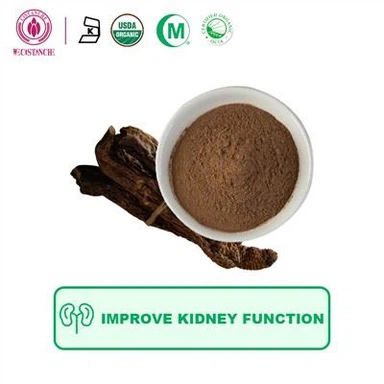
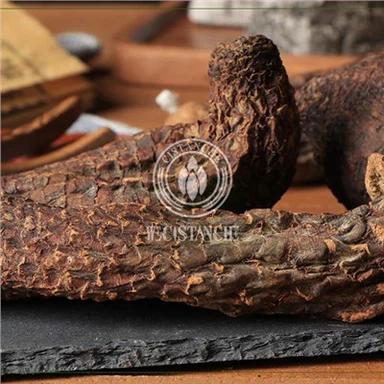
People with insufficient qi and blood have cold hands and feet, and often have the problem of insufficient spleen yang, especially in winter. Experts remind you that in winter, you should pay attention to keeping your legs and feet warm, and soak your feet before going to bed to help you sleep. In addition, you can also "invigorate yang qi" through diet. You can eat foods that warm yang and dispel cold like mutton soup, and you can drink cistanche tea, which is yang tonifying and not dry, to improve yang qi. There is a direct relationship between human aging and kidney decline. Drinking Cistanche deserticola tea can make us energetic, age slower, and live longer. Overtime fatigue, drinking and socializing, irregular nightlife, easy fatigue, weak limbs, lack of energy, chills, sore waist and knees, irritability, night sweats, sweating, loss of libido, nocturnal emission, premature ejaculation, memory loss, frequent urination, loss of hair, etc. Take 3-5g of Cistanche Chinese Herbal Pieces, or Cistanche Bushen granule tea, brew with boiling water and add water while drinking until the taste is light, after drinking, you can chew and swallow Cistanche Cistanche, which is beneficial to the conditioning of the human body! Cistanche can warm kidney yang, nourish essence and blood, and delay aging. A good tea for nourishing the kidney - is Cistanche tea! Often drink cistanche tea, and take it for a long time to lighten the body, detoxify the face, and warm the kidney yang.
for more information:ali.ma@wecistanche.com