How Important Is Calcium Supplementation? These Two Types Of Kidney Disease Patients Need To Pay Special Attention!
Jun 03, 2024
According to statistics and analysis by the World Health Organization (WHO), 106 of the 135 basic diseases of humans are related to calcium deficiency. These diseases include osteoporosis and bone hyperplasia, hypertension, arteriosclerosis, cardiovascular disease, Alzheimer's disease, diabetes, stone disease, various allergic diseases, liver disease, nephrotic syndrome, sexual dysfunction, premenstrual syndrome, etc. [1].

Click to Cistanche for kidney disease
So, should patients with impaired kidney function take calcium supplements? And how should they take calcium supplements? Today we will address all these questions and solve your doubts.
The hazards of calcium deficiency
Under normal circumstances, the concentration of blood calcium is maintained at 2.25 ~ 2.75 mmol/L. The reason why blood calcium can remain relatively stable is the result of the synergistic effect of bone calcium storage and calcium regulating hormones.
The main calcium-regulating hormones are:
Parathyroid hormone (PTH): enhances osteoclast activity, dissolves bone calcium into the blood, and increases blood calcium;
Calcitonin (CT): promotes the deposition of blood calcium in the bones and reduces blood calcium;
Activated vitamin D3: promotes intestinal absorption of calcium. Under the control of calcium-regulating hormones, when blood calcium decreases, calcium in the bones is mobilized into the blood; when blood calcium increases, calcium in the blood is deposited in the bones, so that the blood calcium concentration can be kept relatively stable.
The early symptoms of chronic kidney disease-chronic kidney disease mineral and bone metabolism disorder (CKD-MBD), a common complication of chronic kidney disease, are obvious hypocalcemia. Specifically, as renal function declines, blood phosphorus gradually increases, leading to an increase in fibroblast growth factor 23. This process is accompanied by a decrease in the synthesis of active vitamin D3. The two work together to further reduce the calcium absorbed from the gastrointestinal tract and cause hypocalcemia.
Blood phosphorus can also combine with calcium and deposit in bones and soft tissues, which can also cause hypocalcemia.
As the disease progresses, serious reactions such as bone pain, fractures, proximal muscle weakness, arthritis and periarthritis, metastatic calcification, and skin ulcers may occur. Early diagnosis and treatment are imperative.
The following two types of kidney disease patients need to take calcium supplements in time:
Patients taking hormones: Patients with nephrotic syndrome need to take hormones for a long time because of large amounts of proteinuria, hypoproteinemia, and hyperlipidemia. Long-term use of hormones will lead to calcium loss and calcium deficiency.
Patients with renal insufficiency, renal failure and uremia: Parathyroid hormone plays an important role in maintaining bone formation and absorption. It can regulate the body's calcium metabolism and promote both bone formation and bone absorption. The continuous increase in parathyroid hormone in patients with chronic kidney disease can easily cause mineral disorders, which can further lead to bone metabolism disorders, osteoporosis, and even fractures. Therefore, in order to adjust the imbalance, calcium supplements are also needed [2].
When kidney disease patients find that they have some discomfort symptoms, such as joint pain, back pain, leg pain, and cramps, they can go to the hospital for a trace element test to determine whether they are calcium deficient.
What methods can kidney disease patients take to supplement calcium?
Now that we know which patients need calcium supplements, how should we supplement calcium?

According to the Chinese Residents' Dietary Nutrient Reference Intake, the recommended calcium supplement for people under 50 years old is 800 mg/d, and for people over 50 years old it is 1000 mg/d.
1. Food intake
The most economical and healthiest way to supplement calcium is through food. Among them, the most recommended food is milk. The calcium content in every 100 ml of milk is as high as 104 mg. The lactose and vitamin D contained in it can also promote calcium absorption, so the absorption and utilization rate of calcium in milk is very high.
The second is vegetables. The Chinese Residents' Dietary Guidelines recommend that 300-500g of fresh vegetables be consumed daily.
Others such as eggs, soy products, kelp, and shrimp skin are also rich in calcium, but the phosphorus content of seafood is high, so pay attention to the intake when eating, etc.
2. Drug treatment
Generally speaking, if you have enough milk (more than 300 ml) and a lot of dark green vegetables (more than 500g) in your daily diet, combined with other daily diets, you can reach the daily calcium intake.
If the dietary requirements cannot be met, medication can be used for treatment. Commonly used drugs include active vitamin D, including alfacalcidol and calcitriol. In addition to supplementing calcium, these drugs also have the effects of reducing protein and delaying renal function. Calcium carbonate is also a calcium supplement. In addition, calcium-phosphorus binders can be taken to neutralize calcium and phosphorus elements in the body. It is best to take them with meals for better absorption.
For patients with mild to moderate renal insufficiency, most anti-osteoporosis drugs can be used normally, and special attention should be paid to the proper supplementation of calcium and vitamin D. For patients with severe renal insufficiency, most drugs need to be reduced or discontinued, while calcitonin can be used at normal doses.
3. Sunbathing
The ultraviolet rays in the sun can promote the production of previtamin D3 from 7-dehydrocholesterol in the skin, and previtamin D3 is then converted into vitamin D3 by skin temperature. Vitamin D3 can produce active vitamin D through the action of hydroxylases in the liver and kidneys. Active vitamin D can promote the intestinal absorption of calcium and phosphorus, and can effectively prevent and treat osteoporosis and rickets in children. So in fact, sunbathing does not directly supplement calcium, but it can help the body produce vitamin D, which can promote calcium absorption[3].

In addition, the infrared rays in the sun can also warm the body and promote the metabolism and absorption of substances such as calcium and phosphorus. When the body temperature rises, blood vessels expand, blood flow accelerates, the metabolic system will speed up, and the body will improve the efficiency of absorbing and utilizing calcium and phosphorus.
How Does Cistanche Treat Kidney Disease?
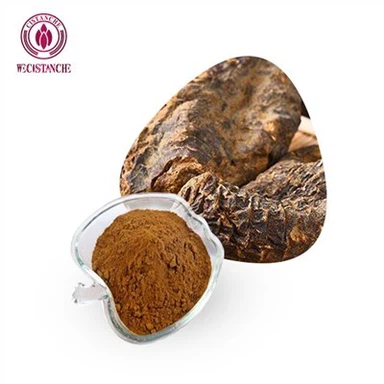
Cistanche is a traditional Chinese herbal medicine used for centuries to treat various health conditions, including kidney disease. It is derived from the dried stems of Cistanche deserticola, a plant native to the deserts of China and Mongolia. The main active components of cistanche are phenylethanoid glycosides, echinacoside, and acteoside, which have been found to have beneficial effects on kidney health.
Kidney disease, also known as renal disease, refers to a condition in which the kidneys are not functioning properly. This can result in a buildup of waste products and toxins in the body, leading to various symptoms and complications. Cistanche may help treat kidney disease ase through several mechanisms.
Firstly, cistanche has been found to have diuretic properties, meaning it can increase urine production and help eliminate waste products from the body. This can help relieve the burden on the kidneys and prevent the buildup of toxins. By promoting diuresis, cistanche may also help Reduce high blood pressure, a common complication of kidney disease.
Moreover, cistanche has been shown to have antioxidant effects. Oxidative stress, caused by an imbalance between the production of free radicals and the body's antioxidant defenses, plays a key role in the progression of kidney disease. ies help neutralize free radicals and reduce Oxidative stress, thereby protecting the kidneys from damage. The phenylethanoid glycosides found in cistanche have been particularly effective in scavenging free radicals and inhibiting lipid peroxidation.
Additionally, cistanche has been found to have anti-inflammatory effects. Inflammation is another key factor in the development and progression of kidney disease. Cistanche's anti-inflammatory properties help reduce the production of pro-inflammatory cytokines and inhibit the activation of mandatory pathways for inflammation, thus alleviating inflammation in the kidneys.
Furthermore, cistanche has been shown to have immunomodulatory effects. In kidney disease, the immune system can be dysregulated, leading to excessive inflammation and tissue damage. Cistanche helps regulate the immune response by modulating the production and activity of immune cells, such as T cells and macrophages. This immune regulation helps reduce inflammation and prevent further damage to the kidneys.

Moreover, cistanche has been found to improve renal function by promoting the regeneration of renal tubes with cells. Renal tubular epithelial cells play a crucial role in the filtration and reabsorption of waste products and electrolytes. In kidney disease, these cells can be damaged, leading to damaged renal function. Cistanche's ability to promote the regeneration of these cells helps restore proper renal function and improve overall kidney health.
In addition to these direct effects on the kidneys, cistanche has been found to have beneficial effects on other organs and systems in the body. This holistic approach to health is particularly important in kidney disease, as the condition often affects multiple organs and systems. che has been shown to have protective effects on the liver, heart, and blood vessels, which are commonly affected by kidney disease. By promoting the health of these organs, cistanche helps improve overall kidney function and prevent further complications.
In conclusion, cistanche is a traditional Chinese herbal medicine used for centuries to treat kidney disease. Its active components have diuretic, antioxidant, anti-inflammatory, immunomodulatory, and regenerative effects, which help improve renal function and protect the kidneys from further damage. , cistanche has beneficial effects on other organs and systems, making it a holistic approach to treating kidney disease.