How Often Should You Have A Bowel Movement?
Aug 16, 2023
Poop is a topic that everyone has to face in life but is often difficult to talk about. What is the normal frequency of bowel movements? What symptoms might mean you have a serious gastrointestinal disorder?
Today, our collective focus is on poop. I hope this article can bring some inspiration and help to readers.
care about your poop
Time to chat about something awkward - poop. Regardless of what you call it or how embarrassing it may be to talk about, advises Will Bulsiewicz, MD, a gastroenterologist in Charleston, South Carolina, and author of The Fiber Fueled Cookbook, suggests You should pay more attention to it and understand it.
"Pooping is somewhat of a taboo subject, but everyone needs to have a bowel movement and it's really important for our health," Bulsiewicz said.

Click to home remedies for constipation
Bulsiewicz notes that the frequency with which you poop is related to intestinal transit time, or how long something ingested stays in the body.
Normally, food takes about 6 to 8 hours to pass through the stomach and small intestine and then spends about a day and a half for additional digestion through the large intestine. Overall, on average, it takes two to five days for what you eat to pass through your digestive system and out through your stool.
Additionally, transit time has also been linked to changes in the gut microbiome, according to a 2021 study published in the journal Gut.
Pooping has also been linked to heart health; in fact, a 2020 study published in the journal BMJ Open showed that people who had fewer than three bowel movements per week had a greater risk of heart disease, heart attack, and stroke.
So what kind of bowel movement is normal? What is not normal?
What is normal?
Normal poop is brown, well-formed, usually sausage-shaped, uniform, and sticky in texture. At the same time, when passing a bowel movement, it should feel fairly easy to pass, or less difficult. Most people have one to two bowel movements a day, with the most common time of day being after waking up or after breakfast, Bulsiewicz said.
According to William W. Li, MD, a Boston-based physician and author of Eat to Beat Your Diet, the frequency and timing of your daily bowel movements can vary depending on whether your bowel movements are normal or not. Our GI tract is like our fingerprint, and every one is unique, so the best thing to do is to familiarize yourself with your schedule and notice when it deviates from the norm.

"The most important thing is not to feel uncomfortable. If you have irregular bowel movements, or if you don't feel like you're completely empty after going to the bathroom, you may be experiencing constipation," says Kenneth Brown, MD. He's a gastroenterologist in Plano, Texas, and host of the "Gut Check Project" podcast.
So how do you know if you are constipated? The following are symptoms of constipation provided by the National Institute of Diabetes and Digestive and Kidney Diseases (NIDDK):
Have fewer than three bowel movements per week
Hard, dry stools that are difficult to pass
Feeling like there's more stool to pass but can't get out
While constipation can be short-term and relieved with certain lifestyle changes, constipation can also become a long-term challenge. In this case, you're not just uncomfortable with bloating and pain, but constipation can be detrimental to your health, Brown says. Potential complications of chronic constipation include hemorrhoids, rectal bleeding, anal fissures, and rectal prolapse.
"It's normal not to have a bowel movement every day," Li said. But if you don't have a bowel movement for several days in a row, especially if you experience lower abdominal discomfort, swelling or pain in the lower abdomen, then you need to see a doctor to evaluate whether there is a blockage that is preventing normal bowel movements. defecation, which is very important."
Conversely, it's also worth talking to your doctor if you have more than three bowel movements per day, chronic diarrhea, an urgency to have a bowel movement, or waking up at night to have a bowel movement, as these are symptoms associated with diarrhea, says Bulsiewicz.
Factors Affecting Bowel Frequency
So what kind of bowel movement frequency is normal? In reality, there is no fixed number of bowel movements or "best" total bowel movement, but if you have a bowel movement once a day or every three days and feel like you are able to pass all the stool your body is prepared to pass, then you are "normal". "It's within the range.
Specifically, the frequency of bowel movements depends on the individual. You may have more or less bowel movements than other people for the following reasons:
1. Genetics: The frequency of your bowel movements is partly influenced by your parents. According to a 2021 study published in the journal Cell Genomics, genetic factors can influence stool consistency and bowel frequency. Genes may also affect your gut microbiome.
2. Microbiome: Your microbiome affects many reactions in your body, including your basal metabolism. For example, an imbalance in the gut microbiome may contribute to chronic constipation, according to research published in Frontiers in Medicine in 2019.
3. Age: According to NIDDK, about one-third of American adults over the age of 60 experience symptoms of constipation.
4. Lifestyle: What you've eaten in recent meals, the amount of fiber you're consuming, and your hydration level can all affect how often and how often you have bowel movements.
5. Health conditions: Many underlying medical conditions can affect your bowel habits, including digestive disorders, such as irritable bowel syndrome (IBS) or inflammatory bowel disease (IBD), and other medical problems, such as thyroid disease.
6. Medications: Certain medications may cause side effects such as constipation or diarrhea. For example, NSAIDs (such as ibuprofen), metformin (a diabetes drug), heartburn medications, and chemotherapy drugs can all trigger diarrhea, according to the National Library of Medicine.
Ways to keep your bowel movements regular
To achieve optimal bowel movements once a day or so, or to develop a steady bowel habit that's good for your gut, try the following suggestions:
1. Eat fiber-rich foods: Eating a balanced diet with plenty of fiber-rich foods such as fruits, vegetables, whole grains, seeds, nuts, beans, and pods can help promote regular bowel movements. Not getting enough fiber can lead to constipation or irregular bowel movements. Consider adding high-fiber foods to your shopping cart to help you reach your goal of 28 to 34 grams of fiber per day.
2. Stay hydrated: According to a 2021 study published in the journal Nutrients, normal stools are 74% water, so water intake can have a big impact on the texture of your stools, as well as the ease of defecation. You can tell if you're adequately hydrated by looking at your urine. It should be pale yellow (similar to lemonade) or lighter. If the color is darker and more like apple juice, then you need to drink more water.
3. Active exercise: Regular exercise can help stimulate the muscles of the digestive tract and promote regular bowel movements. Aim for 150 minutes of moderate-intensity aerobic activity or at least 75 minutes of vigorous-intensity aerobic activity per week, plus two whole-body resistance training sessions per week. Of course, walking is also a form of exercise!

when to see a doctor
The digestion-related "red flag symptoms" listed below may indicate a serious medical condition that requires prompt medical attention to determine the cause and receive appropriate treatment, Bulsiewicz said.
1. Persistent abdominal pain: Severe abdominal pain that lasts for hours or days may be a sign of certain medical conditions, such as appendicitis, intestinal blockage, or an inflamed gallbladder.
2. Unexplained weight loss: Unexplained weight loss without changing your diet or exercise habits can be a sign of certain digestive disorders such as inflammatory bowel disease, celiac disease, and even cancer.
3. Difficulty swallowing: If you have persistent difficulty swallowing or pain when swallowing, this could be a sign of injury or disease to the esophagus.
4. Black tarry stools or bloody stools: This could be a sign of gastrointestinal bleeding, which could be caused by ulcers, diverticulitis, hemorrhoids, or cancer.
5. Recurring pencil-thin stools: If your stools are often very thin, this could indicate growths (including cancer) in your colon that are preventing stools from forming properly.
6. Jaundice: Yellowing of the skin and eyes may indicate liver disease or bile duct blockage.
7. Unexplained persistent digestive symptoms: Whether it is diarrhea, constipation, vomiting, acid reflux or heartburn, if it persists, even if it is mild, it is recommended to seek medical attention to confirm the cause.
8. Unexplained fatigue or weakness: This could be a sign of anemia, which can be caused by gastrointestinal bleeding, celiac disease, or inflammatory bowel disease.
Natural Herbal Medicine For Relieving Constipation-Cistanche
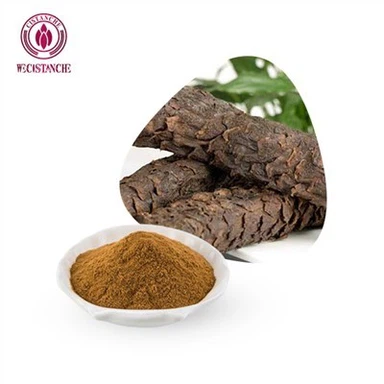
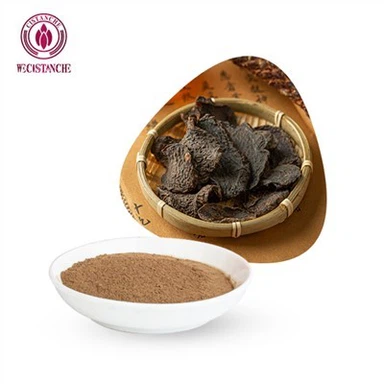
Cistanche is a genus of parasitic plants that belongs to the family Orobanchaceae. These plants are known for their medicinal properties and have been used in Traditional Chinese Medicine (TCM) for centuries. Cistanche species are predominantly found in arid and desert regions of China, Mongolia, and other parts of Central Asia. Cistanche plants are characterized by their fleshy, yellowish stems and are highly valued for their potential health benefits. In TCM, Cistanche is believed to have tonic properties and is commonly used to nourish the kidney, enhance vitality, and support sexual function. It is also used to address issues related to aging, fatigue, and overall well-being. While Cistanche has a long history of use in traditional medicine, scientific research on its efficacy and safety is ongoing and limited. However, it is known to contain various bioactive compounds such as phenylethanoid glycosides, iridoids, lignans, and polysaccharides, which may contribute to its medicinal effects.

Wecistanche's cistanche powder, cistanche tablets, cistanche capsules, and other products are developed using desert cistanche as raw materials, all of which have a good effect on relieving constipation. The specific mechanism is as follows: Cistanche is believed to have potential benefits for relieving constipation based on its traditional use and certain compounds it contains. While scientific research specifically on Cistanche's effect on constipation is limited, it is thought to have multiple mechanisms that may contribute to its potential to relieve constipation. Laxative Effect: Cistanche has long been used in Traditional Chinese Medicine as a remedy for constipation. It is believed to have a mild laxative effect, which can help promote bowel movements and induce constipation. This effect may be attributed to various compounds found in Cistanche, such as phenylethanoid glycosides and polysaccharides. Moistening the Intestines: Based on traditional use, Cistanche is considered to have moisturizing properties, specifically targeting the Intestines. By promoting hydration and lubrication of the Intestines, it may help soften tools and facilitate easier passage, thereby relieving constipation. Anti-inflammatory Effect: Constipation can sometimes be associated with inflammation in the digestive tract. Cistanche contains certain compounds, including phenylethanoid glycosides and lignans, that are believed to have anti-inflammatory properties. By reducing inflammation in the intestines, it may help improve bowel movement regularity and relieve constipation.