How To Avoid Constipation Causing Long-term Dangers To The Body?
Sep 26, 2023
A clear mind means no obsession, no searching, no obesity, no obstruction, and no eating. This is the state of wisdom and good health of the body. Constipation refers to difficulty in defecation, reduced frequency of defecation, or difficulty in defecation.

Here are some suggestions to help relieve constipation problems:
1. Dietary adjustment: Increasing dietary fiber intake is the key to relieving constipation. Foods such as fruits, vegetables, whole grains, legumes, and nuts are rich in fiber and can increase intestinal motility and promote bowel movements. At the same time, ensuring adequate fluid intake will help soften the stool and make it easier to pass from the body.
2. Regular defecation: Maintain regular defecation habits, try to choose a fixed time for defecation, and train the intestines to form a regular pattern.
3. Increase exercise: Moderate physical activity helps promote intestinal motility and digestive system function. Performing aerobic exercises (such as walking, jogging, swimming, etc.) or abdominal exercises can help stimulate intestinal activity and relieve constipation.
4. Avoid prolonged sitting and excessive stress: Sitting for long periods increases the risk of constipation. Try to move as much as possible and reduce the amount of time you spend sitting. Excessive stress can also cause intestinal tension, which can affect bowel movements. Minimize tension and anxiety and stay in a good mood.
5. Avoid delayed defecation: When you feel the urge to defecate, try to go to the toilet in time to avoid delayed defecation, which may cause constipation.
If the above methods do not work or constipation is severe, it is best to seek medical advice. A doctor can evaluate the specific situation and give more specific recommendations and possible treatment options based on the individual's health status.

Constipation refers to difficulty in defecation, reduced defecation frequency, or dry and hard stools. Long-term chronic constipation may cause several health risks and discomforts, including:
1. Intestinal problems: Long-term constipation will cause a large amount of feces to accumulate in the large intestine, causing the intestines to expand and reduce their holding capacity. This may lead to weakened intestinal function, aggravate constipation problems, and even cause colitis, colon wall bleeding, hemorrhoids, and other diseases.
2. Anal problems: Continuous straining for constipation may lead to anal fissures (splits in the skin around the anus) or hemorrhoids (varicose veins around the anus), causing anal pain, bleeding, and discomfort.
3. Poisoning risk: Constipation can cause feces to stay in the body for too long, causing the large intestine to absorb too many toxins and waste. This may increase the accumulation of harmful substances in the body and affect physical health.
4. Bladder problems: Food accumulation in the large intestine may also put pressure on the bladder, causing problems such as urinary incontinence or frequent urination.
5. Psychological impact: Long-term constipation may cause discomfort, anxiety, fatigue, and stress, affecting mental health and quality of life.
To prevent and relieve constipation, you can take the following steps:
- Diet modification: Increase dietary fiber intake, such as fruits, vegetables, whole grains, and legumes, while maintaining adequate fluid intake.
- Exercise: Moderate physical activity can promote bowel movements and bowel movements.
- Establish regular defecation habits: go to the toilet at a fixed time every day and develop good defecation habits.
- Avoid sitting for long periods: Sitting for long periods may reduce intestinal motility and increase the risk of constipation.
If constipation is severe, persists for a long time, or is accompanied by other severe symptoms, it is recommended to seek prompt advice from a doctor or health care professional. They can provide more accurate diagnosis and treatment options based on specific circumstances.
The key to avoiding the long-term dangers constipation poses to your body is to continue taking preventive measures and maintaining good lifestyle habits. Here are some suggestions:
1. Diet modification: Increase the intake of dietary fiber in the diet, including fruits, vegetables, whole grains, beans and nuts. Dietary fiber can increase the volume and softening of stool and promote intestinal peristalsis.
2. Adequate fluid intake: Maintaining adequate fluid intake is important for constipation prevention. Drink enough water or other sugar-free drinks every day to maintain your fluid balance.
3. Moderate exercise: Moderate physical exercise can help stimulate intestinal peristalsis and promote normal intestinal movement. Do at least 30 minutes of aerobic exercise every day, such as walking, running, swimming, etc.
4. Establish regular defecation habits: Try to go to the toilet at a fixed time every day, develop good defecation habits, and avoid overly suppressing the urge to defecate.
5. Avoid sitting for long periods: Sitting for long periods may reduce intestinal motility and increase the risk of constipation. Move your body regularly and avoid sitting still for long periods.
6. Reduce Stress: Learn to deal effectively with stress and anxiety, as prolonged stress may hurt gut function. Try ways to relieve stress through relaxation techniques, meditation, breathing exercises, and more.
If the above measures do not improve the constipation problem, it is recommended to consult a doctor or health care professional who can further evaluate the symptoms and provide appropriate treatment recommendations.

Natural Herbal Medicine For Relieving Constipation-Cistanche
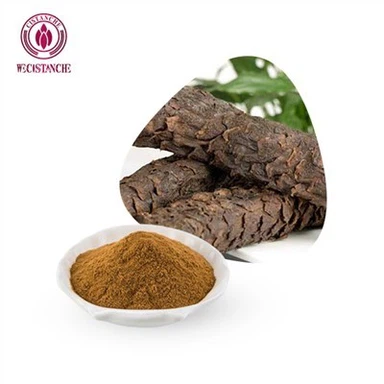
Cistanche is a genus of parasitic plants that belongs to the family Orobanchaceae. These plants are known for their medicinal properties and have been used in Traditional Chinese Medicine (TCM) for centuries. Cistanche species are predominantly found in arid and desert regions of China, Mongolia, and other parts of Central Asia. Cistanche plants are characterized by their fleshy, yellowish stems and are highly valued for their potential health benefits. In TCM, Cistanche is believed to have tonic properties and is commonly used to nourish the kidney, enhance vitality, and support sexual function. It is also used to address issues related to aging, fatigue, and overall well-being. While Cistanche has a long history of use in traditional medicine, scientific research on its efficacy and safety is ongoing and limited. However, it is known to contain various bioactive compounds such as phenylethanoid glycosides, iridoids, lignans, and polysaccharides, which may contribute to its medicinal effects.

Wecistanche's cistanche powder, cistanche tablets, cistanche capsules, and other products are developed using desert cistanche as raw materials, all of which have a good effect on relieving constipation. The specific mechanism is as follows: Cistanche is believed to have potential benefits for relieving constipation based on its traditional use and certain compounds it contains. While scientific research specifically on Cistanche's effect on constipation is limited, it is thought to have multiple mechanisms that may contribute to its potential to relieve constipation. Laxative Effect: Cistanche has long been used in Traditional Chinese Medicine as a remedy for constipation. It is believed to have a mild laxative effect, which can help promote bowel movements and induce constipation. This effect may be attributed to various compounds found in Cistanche, such as phenylethanoid glycosides and polysaccharides. Moistening the Intestines: Based on traditional use, Cistanche is considered to have moisturizing properties, specifically targeting the Intestines. Promoting hydration and lubrication of the Intestines may help soften tools and facilitate easier passage, thereby relieving constipation. Anti-inflammatory Effect: Constipation can sometimes be associated with inflammation in the digestive tract. Cistanche contains certain compounds, including phenylethanoid glycosides and lignans, that are believed to have anti-inflammatory properties. By reducing inflammation in the intestines, it may help improve bowel movement regularity and relieve constipation.