How To Choose Immunosuppressants For Kidney Disease? This Article Summarizes
May 30, 2024
Immunosuppressants are now widely used to prevent and treat organ and tissue transplant rejection, and the effect is relatively positive. It has a positive effect on autoimmune diseases (such as nephrotic syndrome and chronic glomerulonephritis), but its long-term efficacy is still difficult to confirm. Generally, it can temporarily relieve symptoms and delay the progression of the disease, but it cannot cure it. This article will sort out the clinical use specifications of immunosuppressants commonly used in patients with renal insufficiency.

Click to Cistanche for kidney disease
1. Azathioprine
1. Pharmacology: Azathioprine is an imidazole derivative of 6-mercaptopurine. After entering the human body, it is rapidly decomposed into 6-mercaptopurine and methyl nitrosimidazole. 6-Purine can quickly pass through the cell membrane and be converted into several thiopurine analogs in the cell, leading to purine synthesis disorders. It then inhibits the biosynthesis of nucleic acids and incorporates thiopurine analogs into the deoxyribonucleic acid (DNA) chain, resulting in DNA damage and preventing the proliferation of cells involved in immune recognition and immune amplification. The drug has a strong inhibitory effect on T lymphocytes.
2. Indications: maintenance treatment of renal transplantation, systemic vasculitis, and lupus nephritis, especially for female patients during pregnancy.
3. Dosage and administration: The commonly used dose is 2 mg/(kg·d), which should be adjusted in time.
4. Adverse reactions:
Bone marrow suppression: It is recommended that patients start the medication at a low dose, and recheck the blood routine after 1 week of medication. If platelets or white blood cells are reduced, the dose should be reduced or stopped in time. Patients with renal insufficiency should start with a low dose. Otherwise, it may cause severe drug-induced aplastic anemia;
Gastrointestinal reactions: nausea, vomiting, diarrhea, gastric ulcer bleeding, etc. Taking it in divided doses or after meals can improve it. Taking azathioprine in large doses can cause intestinal mucosal ulcers and oral ulcers;
Infection: bacterial, fungal and viral infections. Patients with renal insufficiency are prone to Pneumocystis pneumonia infection;
Imperfect liver function: jaundice and hepatotoxicity are occasionally seen.
5. Precautions:
Patients with known high allergy to the drug, those with poor liver function, and pregnant women are prohibited from using it. Patients with hypoxanthine-guanine-phosphoribosyltransferase deficiency syndrome should use it with caution;
Strictly check blood routine during medication. Elderly patients should use the lower limit of the recommended dose range and pay attention to observation;
Combined use with allopurinol can increase the efficacy and toxicity of the drug, so the dose of the drug should be reduced to 1/4 of the original dose;
The drug can weaken the anticoagulant effect of warfarin;
Combination use of trimoxamine and captopril with the drug can cause hematological changes;
When using thiopurine, aminosalicylic acid derivatives (such as sulfasalazine, olsalazine) should be used with caution. Drugs that have inhibitory effects on thiopurine methyltransferase.

II. Cyclophosphamide
1. Pharmacology: Cyclophosphamide is inactive in vitro. When it enters the body, it is hydrolyzed by excessive phosphatase or phosphatase in the liver or tumor, and becomes activated phosphoramide nitrogen mustard to work. This drug is a bifunctional alkylating agent and a cell cycle non-specific drug. Its mechanism of action is similar to that of nitrogen mustard. It cross-links with DNA, inhibits DNA synthesis and cell division, and can also interfere with the function of RNA. It has the strongest toxicity to rapidly proliferating tissue cells and the most obvious effect on the S phase. It can reduce the number of T and B lymphocytes, reduce antibody production, inhibit lymphocyte proliferation, and inhibit delayed hypersensitivity reactions.
2. Indications: Mainly used for the treatment of lupus nephritis, membranous nephropathy, hormone-resistant and hormone-dependent nephrotic syndrome, crescentic glomerulonephritis, ANCA-associated vasculitis, purpuric nephritis and other diseases.
3. Dosage and administration: Oral: 1-2 mg/(kg·d); intravenous shock therapy: 0.5-1.0 g/m2, once a month.
4. Adverse reactions:
Bone marrow suppression: Leukopenia is more common than thrombocytopenia, with the lowest value occurring 1 to 2 weeks after medication, and usually recovering after 2 to 3 weeks;
Gastrointestinal reactions: including loss of appetite, nausea and vomiting, which generally disappear after 1 to 3 days of discontinuation of medication;
Urinary tract reactions: When high-dose cyclophosphamide is intravenously administered without effective preventive measures, hemorrhagic cystitis may occur, manifested as bladder irritation symptoms, oliguria, hematuria and proteinuria, which is caused by the irritation of the bladder by its metabolite acrolein, but the incidence is low when cyclophosphamide is used at conventional doses;
Other reactions: include hair loss, stomatitis, toxic hepatitis, skin pigmentation, menstrual disorders, azoospermia or sperm reduction, and pulmonary fibrosis, etc.
5. Precautions:
It is contraindicated or used with caution in patients with bone marrow suppression, infection, liver and kidney damage, and in patients who are allergic to the drug, and pregnant and lactating women;
The metabolites of the drug are irritating to the urinary tract. Patients should be encouraged to drink more water when using it. When using it in large doses, they should be hydrated and diuretic, and the urinary tract protector mesna should be given at the same time;
When liver and kidney function is damaged, bone marrow metastasis or multiple courses of chemotherapy and radiotherapy have been received in the past, the dose of cyclophosphamide should be reduced to 1/3~1/2 of the therapeutic dose;
Since the drug needs to be activated in the liver, intracavitary administration has no direct effect. The cyclophosphamide aqueous solution is only stable for 2~3 hours and should be prepared immediately.
III. Leflunomide
1. Pharmacology: Its mechanism of action is mainly to inhibit the activity of dihydroorotate dehydrogenase, thereby affecting the pyrimidine synthesis of activated lymphocytes. In vitro and in vivo experiments have shown that the drug has anti-inflammatory effects.
2. Indications: lupus nephritis, IgA nephropathy, rheumatoid arthritis, etc.
3. Dosage and administration: The commonly used dose is 10-20 mg/d, and the course of treatment varies for different diseases.
4. Adverse reactions:
Nausea, diarrhea, oral ulcers, hair loss, rash;
Increased liver enzymes: Use with caution in patients with liver disease;
Decreased white blood cells, infection;
Gonadal suppression, decreased menstruation or even amenorrhea, with the risk of teratogenicity. When taking this drug, you need to pay attention to contraception, and stop taking the drug for half a year before giving birth.
5. Precautions:
Clinical trials have found that leflunomide can cause transient ALT elevation and leukopenia. ALT and leukocytes should be checked regularly in the initial stage of medication;
Use with caution in patients with severe liver damage and clear positive hepatitis B or hepatitis C serological indicators;
Use with caution in patients with immunodeficiency, uncontrolled infection, active gastrointestinal disease, renal insufficiency, and bone marrow dysplasia.
IV. Cyclosporine
1. Pharmacology: Cyclosporine is a new type of T lymphocyte regulator that can specifically inhibit the activity of helper T lymphocytes, but does not inhibit T lymphocytes, but promotes their proliferation. It has a strong effect on T cell-dependent immune response. It forms a complex with the T cell cytoplasmic receptor protein cyclophilin, then binds to calcineurin, inhibits the activity of the enzyme, and then inhibits the response of T cells to specific antigen stimulation. The drug can also inhibit the production and release of cytokine IL-2 by promoting the expression of transforming growth factor B (TGF-B), preventing the proliferation and function of T cells dependent on IL-2, and reducing the production of cytotoxic T cells (CTL). Reduce the release of inflammatory cytokines such as IL-1 and TNF-α, inhibit interferon production and natural killer cell (NK) function.
2. Indications: hormone-resistant or dependent nephrotic syndrome (minimal change disease, membranous nephropathy, focal segmental glomerulosclerosis), renal transplantation, lupus nephritis (type V), some refractory IgA nephropathy, etc.
3. Usage and dosage: initial dose: 3-5 mg/(kg·d), oral in 2 divided doses.
4. Adverse reactions:
Nephrotoxicity: occurs in 10%~40% of users. As the dose increases, glomerular filtration decreases and blood creatinine increases. Most patients can gradually recover after stopping the drug. Long-term high-dose use may cause irreversible tubular atrophy, fibrosis and micro-arterial damage. Renal toxicity often occurs in the first 4 months of treatment, especially in patients with underlying renal damage.
Hypertension: occurs in 33% of patients and requires antihypertensive drugs to control;
Gastrointestinal adverse reactions: such as poor appetite, nausea, vomiting, etc., and jaundice, elevated transaminase and other liver damage manifestations may occur when the dose is high;
Tremor, hirsutism, gingival hyperplasia, etc. may also occur.
5. Precautions:
People who are allergic to the drug, have a history of malignant tumors, severe liver and kidney damage, immunodeficiency, active infection, severe heart and lung disease, low blood count, have received cyclophosphamide and other treatments within 3 months, are sleepy and take drugs, and are contraindicated for pregnant women and breastfeeding women;
The drug is highly toxic to the kidneys. Blood creatinine and creatinine clearance must be measured several times before use to clarify the basic level; after the start of the drug, renal function and blood creatinine should be monitored every 2 weeks. If the increase is more than 30% compared with the original basic level, the dosage should be reduced; if the dosage continues to rise after one month of reduction, the drug should be discontinued; it must be used only after the blood creatinine returns to the original basic level and increases by less than 10%;
Regularly check liver function, blood count, electrolytes, and monitor blood pressure daily;
When the drug is used to treat autoimmune diseases, the maximum daily dosage is 5mg/Kg. If the effect is still not obvious after 3 months of use, it can be discontinued.
V. Tacrolimus
1. Pharmacology: The immunosuppressive effect of tacrolimus is 10 to 100 times stronger than that of cyclosporine. Its mechanism of action is similar to that of cyclosporine. Tacrolimus binds to the protein (FKBP) in the cytoplasm and accumulates in the cell to produce effects.
2. Indications: Same as cyclosporine.
3. Dosage and administration: Initial dosage: 0.05 to 0.1 mg/(kg·d), daily dose is taken in 2 doses, 1 time/12h.
4. Adverse reactions:
Endocrine system: It competes with hypoglycemic drugs to bind to plasma proteins, which can increase blood sugar. Diabetic patients need to adjust the dose according to blood sugar;
Central nervous system: Frequent tremor, headache, paresthesia and insomnia, mostly of moderate degree, do not affect normal activities; others such as restlessness, anxiety, and emotional instability may occur alone or simultaneously. Patients with liver damage are at high risk of severe neurological symptoms. Potential neurotoxic drugs and infections can cause these symptoms.
Cardiovascular system: Hypertension often occurs. Hypertrophic cardiomyopathy may occur when the blood drug concentration is higher than 25ng/ml, which can be restored after dose reduction or drug withdrawal.
Hematological system: Anemia, coagulation disorder, thrombocytopenia, leukocytosis or leukopenia, pancytopenia, etc. can be seen.
Others: Hyperkalemia, hypokalemia, hypomagnesemia, hyperuricemia; gastrointestinal symptoms such as constipation, dehydration, abnormal liver function and jaundice, joint pain, myalgia, EB virus-related lymphocytosis, etc.
5. Precautions:
The drug can achieve good results at a whole blood drug concentration of 20ng/ml. Due to its long half-life, it takes several days to adjust the dose to truly reflect the changes in the drug concentration in the blood. Monitor blood pressure, ECG vision, blood sugar, blood potassium and other electrolyte concentrations, blood creatinine, urea nitrogen, hematological parameters, coagulation values and liver function;
Avoid co-administration with cyclosporine, otherwise the latter's half-life will be prolonged. When switching from cyclosporine to this drug for treatment, the blood concentration of cyclosporine must be monitored;
This drug can cause visual and nervous system disorders. Patients who have taken this drug and have adverse reactions should not drive or operate dangerous machinery;
Avoid co-administration with nephrotoxic drugs (such as aminoglycosides, amphotericin B, vancomycin, co-trimoxazole, etc.).

VI. Mycophenolate mofetil
1. Pharmacology: It is a purine synthesis inhibitor. After oral absorption, it is converted into the active metabolite mycophenolic acid. It blocks lymphocyte DNA synthesis by inhibiting the activity of inosine nucleotide dehydrogenase, inhibits the proliferation response of T and B lymphocytes, and inhibits the formation of B cell antibodies and the differentiation of cytotoxic T cells.
2. Indications: Anti-rejection after renal transplantation, hormone-resistant and hormone-dependent nephrotic syndrome, IgA nephropathy, lupus nephritis, ANCA-associated vasculitis, etc.
3. Usage and Dosage: The conventional dosage is 1-2g/d, taken in 2 doses.
4. Adverse reactions:
Gastrointestinal symptoms: nausea, vomiting, constipation, indigestion, etc.;
Mild anemia and thrombocytopenia;
Induce and aggravate infection: can cause skin herpes virus and cytomegalovirus infection;
Abnormal liver function: cause transient increase in transaminase, and closely monitor liver function during use;
Use by pregnant women may cause fetal malformation and miscarriage, and the drug must be discontinued for more than 6 months before pregnancy. Pregnant and lactating women are prohibited from using it.
5. Precautions:
Mycophenolate mofetil or mycophenolate sodium interact with some drugs and should be avoided as much as possible, such as acyclovir, valacyclovir, azathioprine, cholestyramine, cyclosporine, metronidazole, norfloxacin, probenecid, rifampicin, sevelamer, birth control pills, magnesium or aluminum-containing drugs, omeprazole, lansoprazole, etc.
How Does Cistanche Treat Kidney Disease?
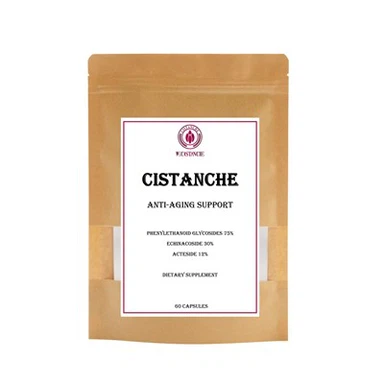
Cistanche is a traditional Chinese herbal medicine used for centuries to treat various health conditions, including kidney disease. It is derived from the dried stems of Cistanche deserticola, a plant native to the deserts of China and Mongolia. The main active components of cistanche are phenylethanoid glycosides, echinacoside, and acteoside, which have been found to benefit kidney health.
Kidney disease, also known as renal disease, refers to a condition in which the kidneys are not functioning properly. This can result in a buildup of waste products and toxins in the body, leading to various symptoms and complications. Cistanche may help treat kidney disease ase through several mechanisms.
Firstly, cistanche has been found to have diuretic properties, meaning it can increase urine production and help eliminate waste products from the body. This can help relieve the burden on the kidneys and prevent the buildup of toxins. By promoting diuresis, cistanche may also help Reduce high blood pressure, a common complication of kidney disease.
Moreover, cistanche has been shown to have antioxidant effects. Oxidative stress, caused by an imbalance between the production of free radicals and the body's antioxidant defenses, plays a key role in the progression of kidney disease. ies help neutralize free radicals and reduce Oxidative stress, thereby protecting the kidneys from damage. The phenylethanoid glycosides found in cistanche have been particularly effective in scavenging free radicals and inhibiting lipid peroxidation.
Additionally, cistanche has been found to have anti-inflammatory effects. Inflammation is another key factor in the development and progression of kidney disease. Cistanche's anti-inflammatory properties help reduce the production of pro-inflammatory cytokines and inhibit the activation of mandatory pathways for inflammation, thus alleviating inflammation in the kidneys.

Furthermore, cistanche has been shown to have immunomodulatory effects. In kidney disease, the immune system can be dysregulated, leading to excessive inflammation and tissue damage. Cistanche helps regulate the immune response by modulating the production and activity of immune cells, such as T cells and macrophages. This immune regulation helps reduce inflammation and prevent further damage to the kidneys.
Moreover, cistanche has been found to improve renal function by promoting the regeneration of renal tubes with cells. Renal tubular epithelial cells play a crucial role in the filtration and reabsorption of waste products and electrolytes. In kidney disease, these cells can be damaged, leading to damaged renal function. Cistanche's ability to promote the regeneration of these cells helps restore proper renal function and improve overall kidney health.
In addition to these direct effects on the kidneys, cistanche has been found to have beneficial effects on other organs and systems in the body. This holistic approach to health is particularly important in kidney disease, as the condition often affects multiple organs and systems. che has been shown to have protective effects on the liver, heart, and blood vessels, which are commonly affected by kidney disease. By promoting the health of these organs, cistanche helps improve overall kidney function and prevent further complications.
In conclusion, cistanche is a traditional Chinese herbal medicine used for centuries to treat kidney disease. Its active components have diuretic, antioxidant, anti-inflammatory, immunomodulatory, and regenerative effects, which help improve renal function and protect the kidneys from further damage. , cistanche has beneficial effects on other organs and systems, making it a holistic approach to treating kidney disease.