How To Choose The Right Treatment For Membranous NephropathyⅣ
Jan 26, 2024
Treatment of secondary membranous nephropathy
Secondary MN accounts for approximately 25% of MN and includes diseases caused by infection, malignant tumors, autoimmune diseases, and drugs. Recognition of secondary forms is critical because treatment of these forms relies on treatment of the underlying disease, and there are risks associated with immunosuppressive therapy in malignancy or infectious secondary disease. PLA2R antibodies may suggest but not exclude primary MN, while THSD7A or NELL1 may ensure malignancy-associated forms; the distribution of IgG subclasses in glomerular deposits may also be helpful, as IgG4 is highly suggestive of primary whereas IgG1 and IgG2 are found in malignant tumor-related diseases. The combined use of PLA2R and IgG4 greatly enhances the ability to distinguish primary from secondary.

Click to Cistanche for kidney disease
The most common malignant tumors of secondary MN are the lungs, gastrointestinal tract, and prostate, and less frequently, the skin, breast, and bladder. Resection or treatment of tumors may cause the disappearance of NS. In the past, several drugs have been implicated in causing MN, including antirheumatic drugs, nonsteroidal anti-inflammatory drugs (NSAIDs), penicillamine, and captopril. Recently, case reports have described MN caused by the tyrosine kinase inhibitor gefitinib, but not by the same class of drug, erlotinib. Typically, stopping such treatment results in significant improvement in proteinuria and NS, usually after six months or one year. Recently, several cases have been reported regarding immune checkpoint inhibitors. Especially for RTX administration, administration can be resumed after NS is relieved. In one rare case, the use of the drug Cedar was linked to the development of MN due to the presence of mercury. In this case, especially in NELL1-positive patients, significant improvement was achieved by discontinuing treatment with such drugs. Another case report describes a patient who developed MN in response to the recombinant granulocyte-macrophage colony-stimulating factor (GM-CSF) sargramostim, which fully recovered after discontinuation of the drug.
Secondary MN may also be associated with autoimmune liver diseases, such as primary sclerosing cholangitis, primary biliary cirrhosis, or autoimmune hepatitis. These forms of treatment are controversial because liver transplantation results in significant improvement in proteinuria in some patients, while others require MN-specific treatment because there is no improvement. In the case of RA, secondary MN may be due to the nephrotoxic effects of the most common disease-modifying antirheumatic drugs (DMARDs), or, in the absence of such treatments, it may be related to the disease activity itself. In the first case, although with variable timing, MN may improve with medications associated with discontinuation; in the second, more rare case, a case report showed that steroids, methotrexate, and acromion are effective in combination therapy for rheumatic diseases. In cases secondary to ankylosing spondylitis, the use of the tumor necrosis factor (TNF)-alpha antagonist adalimumab (40 mg/2 weeks) significantly improved proteinuria. Methimazole successfully treats Graves' disease-associated MN, whereas others have reported improvement after radioactive iodine thyroid ablation but not after medical therapy. However, for patients with myasthenia gravis and MN, treatment options include steroids, ACTH (which has been shown to produce partial remission), RTX, and finally thymectomy. As stated by Pestana et al., if celiac disease is the underlying cause, a trial of a gluten-free diet plus supportive care may result in remission of proteinuria.

Some cases of MN secondary to tuberculosis drugs, such as Mycobacterium tuberculosis and the rare Mycobacterium shimmied, have been described without overt renal tuberculosis. Furthermore, in this setting, pathogen-specific antibiotic treatment against these mycobacteria, namely clarithromycin, rifampicin, and ethambutol, significantly improved proteinuria and renal status. In hepatitis-associated MN, immunosuppressive therapy increases viral replication. Specific treatments for the infection, including the use of entecavir, plus plasma exchange and steroids, have been shown to improve viral load and NS. However, a rare cause of secondary MN may be syphilis. Detection of syphilitic MN is important because treatment with steroids may worsen symptoms and lead to progression of the underlying disease stage, whereas use of treatments specific for the causative agent Treponema pallidum may result in rapid improvement of NS and avoid the need for steroid treatment. Intramuscular benzathine penicillin administered once weekly for three weeks is effective. In addition, MN may occur when bone marrow transplant patients develop chronic graft-versus-host disease (GVHD). In this case, RTX has been used, which is both safe and effective. If paroxysmal nocturnal hemoglobinuria is superimposed, complement-directed therapy may be helpful. Furthermore, MN secondary to Castleman disease was successfully treated with tocilizumab from a renal and hematological perspective. Another cause of MN is chronic lymphocytic leukemia; such cases have been treated with RTX for many years and, more recently, venetoclax has been successfully used in refractory patients.
Membranous lupus nephritis accounts for approximately 15% of lupus nephritis (LN) cases. It is associated with a low risk of progression to ESKD but conversely carries an increased risk of thromboembolic complications and is often accompanied by nephrotic-range proteinuria and its clinical manifestations. Mycophenolate mofetil is recommended as an initial treatment, but other studies have demonstrated the efficacy of tacrolimus. Alternative therapies include cyclosporine and cyclophosphamide, whereas glucocorticoids alone fail to induce remission. However, when lupus nephritis is complicated by a proliferative disease, treatment may change significantly. Finally, MN is the most common glomerulonephritis in sarcoidosis. Although the mechanisms by which renal damage occurs in patients with sarcoidosis are unclear, there is good evidence that, unlike patients with primary MN, these patients respond only to steroids.
13. Economic factors and patient preferences
Another important issue concerns the cost of such treatments; indeed, it is critical to assess the impact of these treatments on the healthcare budget. Furthermore, cost assessments should consider not only the drug itself but also various factors, including treatment of adverse events, monitoring of blood drug levels, and laboratory testing at the end of hospitalization. Currently, few studies have performed cost-effectiveness analyses of treatments for membranous nephropathy. In 2018, Hamilton et al compared the modified Ponticelli regimen with rituximab; despite the latter's higher single-dose cost, it remained the cheapest option in the short to medium term five years after treatment. According to a 2020 China meta-analysis, the cheapest treatment in China is cyclophosphamide, while the most expensive in the UK and China is rituximab. Furthermore, MMF and tacrolimus are characterized by high costs. In contrast, in 2023, Xu et al found that cyclophosphamide and rituximab were comparable from a cost-effectiveness perspective, whereas calcineurin inhibitors had a negative cost-effectiveness ratio. However, the use of biosimilars may help make rituximab more affordable.

Additionally, the modified Ponticelli regimen requires separate inpatient steroid and cyclophosphamide infusions, whereas RTX can be administered on an outpatient basis. To our knowledge, there have been no studies that have systematically evaluated patient choice among various treatment opportunities for MN; similarly, other patients wish to avoid the use of steroids or CNIs to treat their side effects. In contrast, rituximab appears to be well tolerated, especially when used in the outpatient setting.
14. Conclusion
This article reviews the research progress of MN treatment in recent years. Although the discovery of new autoantibodies may enable the diagnosis of MN without the need for renal biopsy and provide important prognostic and therapeutic clues, up to 30% of patients currently fail to respond to treatment despite supportive care and appropriate immunosuppressive therapy. , leading to ESKD. The use of new drugs currently under investigation that target plasma cells and the complement system could help to significantly reduce this rate. On the other hand, further studies in special situations such as childhood, pregnancy, and renal transplantation are needed to improve diagnosis and select the most appropriate treatment.
How Does Cistanche Treat Kidney Disease?
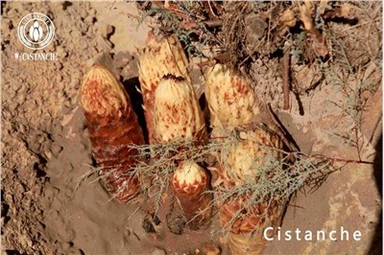
Cistanche is a traditional Chinese herbal medicine used for centuries to treat various health conditions, including kidney disease. It is derived from the dried stems of Cistanche deserticola, a plant native to the deserts of China and Mongolia. The main active components of cistanche are phenylethanoid glycosides, echinacoside, and acteoside, which have been found to have beneficial effects on kidney health.
Kidney disease, also known as renal disease, refers to a condition in which the kidneys are not functioning properly. This can result in a buildup of waste products and toxins in the body, leading to various symptoms and complications. Cistanche may help treat kidney disease ase through several mechanisms.
Firstly, cistanche has been found to have diuretic properties, meaning it can increase urine production and help eliminate waste products from the body. This can help relieve the burden on the kidneys and prevent the buildup of toxins. By promoting diuresis, cistanche may also help Reduce high blood pressure, a common complication of kidney disease.
Moreover, cistanche has been shown to have antioxidant effects. Oxidative stress, caused by an imbalance between the production of free radicals and the body's antioxidant defenses, plays a key role in the progression of kidney disease. ies help neutralize free radicals and reduce Oxidative stress, thereby protecting the kidneys from damage. The phenylethanoid glycosides found in cistanche have been particularly effective in scavenging free radicals and inhibiting lipid peroxidation.
Additionally, cistanche has been found to have anti-inflammatory effects. Inflammation is another key factor in the development and progression of kidney disease. Cistanche's anti-inflammatory properties help reduce the production of pro-inflammatory cytokines and inhibit the activation of inflammation mandatory pathways, thus alleviating inflammation in the kidneys.
Furthermore, cistanche has been shown to have immunomodulatory effects. In kidney disease, the immune system can be dysregulated, leading to excessive inflammation and tissue damage. Cistanche helps regulate the immune response by modulating the production and activity of immune cells, such as T cells and macrophages. This immune regulation helps reduce inflammation and prevent further damage to the kidneys.

Moreover, cistanche has been found to improve renal function by promoting the regeneration of renal tubes with cells. Renal tubular epithelial cells play a crucial role in the filtration and reabsorption of waste products and electrolytes. In kidney disease, these cells can be damaged, leading to damaged renal function. Cistanche's ability to promote the regeneration of these cells helps restore proper renal function and improve overall kidney health.
In addition to these direct effects on the kidneys, cistanche has been found to have beneficial effects on other organs and systems in the body. This holistic approach to health is particularly important in kidney disease, as the condition often affects multiple organs and systems. che has been shown to have protective effects on the liver, heart, and blood vessels, which are commonly affected by kidney disease. By promoting the health of these organs, cistanche helps improve overall kidney function and prevent further complications.
In conclusion, cistanche is a traditional Chinese herbal medicine used for centuries to treat kidney disease. Its active components have diuretic, antioxidant, anti-inflammatory, immunomodulatory, and regenerative effects, which help improve renal function and protect the kidneys from further damage. , cistanche has beneficial effects on other organs and systems, making it a holistic approach to treating kidney disease.