How To Improve Renal Prognosis in Patients With ANCA-associated Vasculitis?
Jan 26, 2024
Successful treatment of antineutrophil cytoplasmic autoantibodies (ANCA)-associated vasculitis (AAV) focuses on suppressing disease activity while minimizing treatment-related toxicities. In recent years, a common treatment option is to use rituximab (RTX) plus glucocorticoids to relieve the disease.

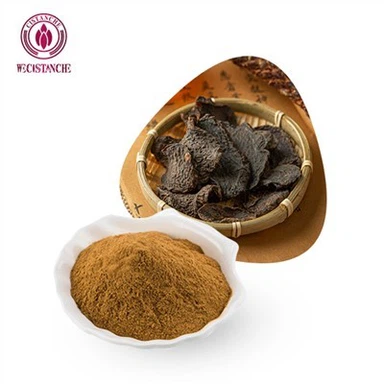
Click to Cistanche for kidney disease
In the phase 3 ADVOCATE randomized trial, patients with AAV [granulomatosis with polyangiitis (GPA)] or micropolyangiitis (MPA) were treated with immunosuppressive therapies such as RTX, cyclophosphamide (CYC), and thiazolin While taking purine, receive Avacopan (tentative translation: Avacopan) treatment. The study showed that the response rate of patients in the avacopan treatment group was non-inferior to that of the prednisone reduction group at week 26, and was better than that of the prednisone reduction group in maintaining remission at week 52. This study performed a subgroup analysis of the ADVOCATE trial to evaluate the efficacy and safety of avacopan in patients with GPA or MPA receiving background induction therapy with RTX.
1 Research methods
The experimental group of this study is RTX + avacopan (30 mg, twice a day), and the control group is RTX + prednisone (60 mg a day, gradually tapering to discontinuation at the 21st week) (Note: RTX 375 mg intravenously once a week /m2 for 4 weeks). Randomization based on vasculitis disease status (newly diagnosed or relapsed), ANCA type [antiprotease 3 (PR3) or anti myeloperoxidase (MPO) positive], and immunosuppressant use (RTX, CYC with azathioprine) Layering. The patients included in this study all met the conditions for newly diagnosed or relapsed GPA or MPA, had positive PR3-ANCA or MPO-ANCA antibody test results, and estimated glomerular filtration rate (eGFR) ≧15mL/min/1.73m2 body surface area.
The primary efficacy outcomes of the study were disease response at week 26 (defined as BVAS of 0 and no glucocorticoid therapy in the previous 4 weeks before measurement) and sustained response (defined as response at weeks 26 and 52 without glucocorticoid therapy). hormonal therapy), and 4 weeks before the end of the study, and no recurrence between weeks 26 and 52. We also analyzed the proportion of patients who relapsed in the following two situations: (1) first relapse after achieving remission at week 26; (2) first relapse after achieving remission at any time (BVAS 0). Other outcomes analyzed included changes from baseline in the glucocorticoid toxicity index (GTI), glucocorticoid use (expressed in mg prednisone equivalents), and health-related quality of life (HRQoL). Safety outcomes included the incidence of adverse events (AEs) and serious AEs (SAEs).
2 Research result
A total of 331 patients were enrolled in the ADVOCATE trial, 1 of whom did not receive study medication. Of the 330 patients who received the study drug, 214 patients (64.8%) received RTX. The mean (SD) age of enrolled patients was 59.8 (15.7) years; 52.8% of patients were male, and 84.6% were white. PR3-AAV occurred in 46.7% of patients in the avacopam group and 45.8% in the prednisone reduction group.
(1) Efficacy results
At week 26, the response rate was 77.6% in the avacopam group and 75.7% in the prednisone-reduction group (estimated shared difference of 3.0 percentage points; 95% CI -8.3 to 14.2)). At week 52, the sustained remission rate was 71.0% in the avacopan group and 56.1% in the prednisone reduction group.

The relapse rate after any time remission was 8.7% in the avacopan group and 20.2% in the prednisone tapering group. The hazard ratio (HR) for relapse after remission at any time (avacopan vs prednisone tapering) was 0.42 (95% CI 0.19 to 0.91), representing a 58% reduction in the risk of relapse. Among patients who achieved remission at week 26, the relapse rate was 7.2% in the avacopan group and 13.6% in the prednisone tapering group.
Note: *Remission is defined as a BVAS of 0 and no corticosteroids for vasculitis within 4 weeks before the Week 26 visit. †Sustained remission was defined as BVAS of 0 at weeks 26 and 52 and no use of any glucocorticoids for vasculitis in the 4 weeks before and including weeks 26 and 52 visits, and there was no recurrence between weeks 26 and 52. The number of patients who achieved remission at any time was 104 in the prednisone tapering group and 104 in the avacopam group. BVAS, Birmingham Vasculitis Activity Score.
Glucocorticoid-induced toxicity, as assessed by GTI, was greater in the prednisone-reduction group than in the avacopam group (Table 2). Total glucocorticoid use during 52 weeks was lower in the avacopam group than in the prednisone tapering group. In both groups, patients with abnormal renal function at baseline returned to normal after 52 weeks of treatment (Figure 1); in patients with renal disease and proteinuria at baseline, prednisone tapering Compared with the group, the urinary albumin to creatinine ratio (UACR) improved faster in the avacopam group. HRQoL tended to improve in both treatment groups. Larger improvements from baseline in the EQ-5D-5L visual analog scale (VAS) and EQ-5D-5L index were reported in the avacopam group at weeks 26 and 52.
Note: *Data represents LS mean (95%CI). The Cumulative Worsening Score on the Glucocorticoid Toxicity Index ranges from 0 to 410, with higher scores indicating more severe toxic effects. The total improvement score on the Glucocorticoid Toxicity Index ranges from –317 to 410, with higher scores indicating more severe toxic effects. All doses were converted to prednisone equivalents (mg) and calculated as the total dose during the indicated period. Prednisone equivalent doses include intravenous and oral corticosteroids. n (%) data are the number of patients taking any glucocorticoid during the period, and mean and median (range) data are for all patients during the period. All patients received rituximab; however, 7 patients in the prednisone tapering group and 10 patients in the avacopan group did not receive intravenous corticosteroids during the first 4 weeks of the study. Usage records. LS mean, least squares mean.
Note: LS means and SEM are from repeated-measures mixed-effects models with treatment group, visit, and the interaction of treatment at each visit as factors and baseline as a covariate. eGFR, estimated glomerular filtration rate; LS mean, least squares mean.
(2) Safety evaluation
34.6% of patients in the avacopan group experienced 62 adverse events; 39.3% of patients in the prednisone reduction group experienced 91 adverse events. Among them, 10.3% of patients in the avacopan group had 12 serious infection events, and 14.0% of patients in the prednisone reduction group had 19 events. There were no deaths in the avacopan group, but three patients died in the prednisone reduction group, including systemic fungal infection with diarrhea and vomiting, acute myocardial infarction, and unexplained death.
3 research discussion
The results of this subgroup analysis showed that avacopan plus RTX induction therapy was equally effective as RTX plus prednisone tapering therapy in achieving remission at week 26, and had a higher rate of sustained remission at week 52. Although the use of RTX has provided an available treatment option for patients with AAV, challenges in maintaining remission remain, including increased risk of infection and hypogammaglobulinemia due to RTX and risk of disease recurrence after discontinuation of RTX therapy. Patients receiving RTX without maintenance therapy had lower rates of sustained remission at 12 months; multiple studies have shown the benefit of avacopan in patients receiving RTX for induction treatment of AAV.
In addition to efficacy results on remission and relapse rates, the results of this study demonstrate the benefits of avacopan combined with background induction RTX therapy, including renal recovery and improvement in HRQoL. Among patients receiving RTX, the number of SAEs was 47% higher in the prednisone tapering group than the avacopam group, and there were more infections, serious infections, and deaths in the prednisone tapering group than in the avacopam group.
The strengths of this study include the recruitment of a large number of patients with GPA or MPA from 143 centers internationally to participate in clinical trials, the trial cohort being representative of other trial populations in AAV, and the study design and analysis being relatively rigorous. Furthermore, the results of this report are generally consistent with the overall results of the ADVOCATE trial. Of course, this study also has some limitations, such as the efficacy and safety of avacopan when used together with RTX to maintain remission is unclear, patients with eGFR≤15mL/min/1.73m2, and alveolar hemorrhage requiring mechanical ventilation Patients were not included in this study, and there are limited data on the use of avacopan after 52 weeks.

In conclusion, the results of this subgroup analysis indicate that among patients with GPA or MPA receiving RTX, response rates at week 26 were similar in the prednisone tapering group and the avacopan group, but not in the avacopan group at week 52. The sustained remission rate is higher and the safety profile is good. Moreover, the avacopan group significantly improved renal function reduced albuminuria faster, and had lower glucocorticoid toxicity.
How Does Cistanche Treat Kidney Disease?
Cistanche is a traditional Chinese herbal medicine used for centuries to treat various health conditions, including kidney disease. It is derived from the dried stems of Cistanche deserticola, a plant native to the deserts of China and Mongolia. The main active components of cistanche are phenylethanoid glycosides, echinacoside, and acteoside, which have been found to have beneficial effects on kidney health.
Kidney disease, also known as renal disease, refers to a condition in which the kidneys are not functioning properly. This can result in a buildup of waste products and toxins in the body, leading to various symptoms and complications. Cistanche may help treat kidney disease ase through several mechanisms.
Firstly, cistanche has been found to have diuretic properties, meaning it can increase urine production and help eliminate waste products from the body. This can help relieve the burden on the kidneys and prevent the buildup of toxins. By promoting diuresis, cistanche may also help Reduce high blood pressure, a common complication of kidney disease.
Moreover, cistanche has been shown to have antioxidant effects. Oxidative stress, caused by an imbalance between the production of free radicals and the body's antioxidant defenses, plays a key role in the progression of kidney disease. ies help neutralize free radicals and reduce Oxidative stress, thereby protecting the kidneys from damage. The phenylethanoid glycosides found in cistanche have been particularly effective in scavenging free radicals and inhibiting lipid peroxidation.
Additionally, cistanche has been found to have anti-inflammatory effects. Inflammation is another key factor in the development and progression of kidney disease. Cistanche's anti-inflammatory properties help reduce the production of pro-inflammatory cytokines and inhibit the activation of inflammation mandatory pathways, thus alleviating inflammation in the kidneys.
Furthermore, cistanche has been shown to have immunomodulatory effects. In kidney disease, the immune system can be dysregulated, leading to excessive inflammation and tissue damage. Cistanche helps regulate the immune response by modulating the production and activity of immune cells, such as T cells and macrophages. This immune regulation helps reduce inflammation and prevent further damage to the kidneys.
Moreover, cistanche has been found to improve renal function by promoting the regeneration of renal tubes with cells. Renal tubular epithelial cells play a crucial role in the filtration and reabsorption of waste products and electrolytes. In kidney disease, these cells can be damaged, leading to damaged renal function. Cistanche's ability to promote the regeneration of these cells helps restore proper renal function and improve overall kidney health.

In addition to these direct effects on the kidneys, cistanche has been found to have beneficial effects on other organs and systems in the body. This holistic approach to health is particularly important in kidney disease, as the condition often affects multiple organs and systems. che has been shown to have protective effects on the liver, heart, and blood vessels, which are commonly affected by kidney disease. By promoting the health of these organs, cistanche helps improve overall kidney function and prevent further complications.
In conclusion, cistanche is a traditional Chinese herbal medicine used for centuries to treat kidney disease. Its active components have diuretic, antioxidant, anti-inflammatory, immunomodulatory, and regenerative effects, which help improve renal function and protect the kidneys from further damage. , cistanche has beneficial effects on other organs and systems, making it a holistic approach to treating kidney disease.