4 Simple Self‑Check Signs Of Weak Immunity: Rainbow Diet & Cistanche Tubulosa Extract For Natural Immune Support
Sep 21, 2026
In today's fast‑paced modern world, many people overlook the subtle warning signs that their immune system is struggling to keep up. Busy work schedules, late nights scrolling screens, long hours sitting at desks, persistent stress and unhealthy eating habits all gradually wear away immune resilience. Most individuals only notice there is a problem once they fall ill repeatedly, missing those early quiet signals the body sends out before sickness takes hold. Fortunately, there are four simple, practical self‑assessment checks anyone can perform at home to evaluate their immune function. These easy checks help you spot declining immunity early, so you can start making lifestyle adjustments and explore natural herbal support options, including the well‑researched desert botanical, Cistanche Tubulosa, famous for Cistanche benefits for improving immunity.

Four Key Signs That Suggest Your Immunity May Be Compromised
1. Frequent colds and recurring respiratory infections
For healthy adults with fully functioning immune defenses, the body can naturally resist most common seasonal viruses and mild bacterial threats. When immune performance begins to weaken, however, the body loses this reliable line of protection. Watch closely for these red flags: catching colds more than 3 times per year, cold symptoms that linger longer than 7 days, repeated respiratory issues such as tonsillitis, sinusitis or bronchitis, and painfully slow recovery periods. Even after taking standard over‑the‑counter medications, irritating symptoms such as persistent cough, runny nose and sore throat drag on week after week without clear improvement.
It is normal to catch one or two colds annually, especially during seasonal changes. But frequent, long‑lasting infections signal your immune cells cannot rapidly identify and neutralize invading pathogens. Your immune system needs sufficient energy, nutrients and active immune cells to fight off germs. When this capacity drops, minor illnesses become stubborn and recurrent, a classic marker of suboptimal immune health.

2. Persistent bowel irregularities
Many people do not realize that roughly 70% of immune cells live within the gut, making the gastrointestinal tract the human body's largest immune organ. The connection between gut health and immune response is known widely as the gut‑immune axis. When gut microbiota falls out of balance, or when the delicate gut mucosal lining gets damaged, nutrient absorption efficiency drops sharply. Immune cells depend on vitamins, minerals and bioactive nutrients as building blocks. Without enough of these raw materials, immune cell production slows, and overall immunity suffers as a direct result.
A healthy bowel movement produces banana‑shaped, yellow‑brown, soft stool with predictable, regular bowel habits. Several abnormal patterns act as warning signs: chronically hard and dry stool that causes constipation, ongoing loose, unformed diarrhea, stool containing visible mucus or blood, and sudden unexplained shifts in your usual bowel schedule. These gut issues are not merely digestive annoyances; they are clear signals that your gut barrier and immune function are under strain. Supporting gut health is therefore one of the most foundational steps when working to boost overall immunity.
3. Poor‑quality sleep over long periods
Deep, restorative sleep acts as the body's repair factory and immune booster. During deep sleep cycles, critical immune cells including T‑cells and Natural Killer (NK) cells multiply actively, while the body repairs damaged tissues and generates immune signaling molecules. Quality sleep follows simple benchmarks: falling asleep easily within 30 minutes after lying down, waking no more than once overnight and quickly returning to sleep, and waking up feeling refreshed, energized and ready for daily activities.
Unfortunately, millions of adults struggle with chronic poor sleep. If you regularly lie awake for more than one hour before falling asleep, wake two or more times each night, wake up very early and cannot fall back asleep, suffer from frequent vivid nightmares or light, fragmented sleep, and wake up feeling exhausted no matter how many hours you spend in bed, your immune system will pay the price. Scientific studies confirm sleep deprivation directly suppresses immune‑cell activity. T‑cell function declines, and B‑cells produce far fewer protective antibodies. One well‑known research finding shows people who sleep only four hours each night create around 50% fewer antibodies than people enjoying full, restful sleep cycles. Over months, insufficient sleep greatly raises susceptibility to colds, allergic reactions and other infections.

4. Persistently cold hands and feet in warm surroundings
Blood circulation works as a delivery network transporting immune cells, oxygen and nutrients to every tissue across your body. When peripheral circulation becomes sluggish, this delivery system slows down. Even when you wear warm clothing and stay indoors at a comfortable mild temperature, if your hands and feet remain cold and hard to warm up, it can point toward weakened immune defense.
Poor peripheral blood flow means immune substances cannot quickly travel to distant body tissues to fight invading pathogens. While cold hands and feet can occasionally come from temporary cold exposure, consistent cold extremities without obvious environmental causes should not be ignored. This subtle physical symptom reflects reduced microcirculation and often accompanies low immune resilience.
What Factors Gradually Deplete Immunity?
Our immune strength is not static. It shifts daily, and many ordinary lifestyle habits slowly erode immune resilience without us noticing until symptoms appear. There are five major categories of daily factors that quietly drain immune capacity over time.
Unbalanced diet What you eat shapes immune performance more than most people understand. High‑salt meals disrupt normal immune response and weaken antibacterial defence inside the body. Added sugars from candy, sweet drinks and baked goods directly weaken white blood cell germ‑fighting capacity. When you do not drink enough clean water, toxin excretion slows down, creating extra metabolic stress and indirectly burdening immune function. Highly processed food, refined carbohydrates and meals lacking fresh plant ingredients also deprive immune cells of antioxidants and micronutrients they require to work properly.
Chronic sleep deprivation Most immune regulatory factors and protective immune compounds are synthesized during sleep. When sleep is repeatedly cut short, this vital production process gets disrupted. Ongoing sleep loss impairs both T‑cell and B‑cell function. T‑cells coordinate targeted immune attacks, while B‑cells create antibodies to recognize and neutralize pathogens. Weakened function of these two cell groups makes the body far more vulnerable to infections, seasonal allergies and inflammatory issues. Even small, consistent nightly sleep deficits build up and gradually reduce immune capacity over weeks and months.
Prolonged negative emotions Mental health and immune health are tightly connected. Sustained anxiety, long‑term stress, depression and suppressed negative feelings reduce lymphocyte activity and weaken the body's immune surveillance system. Immune surveillance is the process that identifies abnormal cells before they multiply out of control. For women in particular, poor mental states easily disrupt endocrine balance. Hormonal shifts can lead to menstrual irregularity, while raising risks of breast, thyroid and other hormone‑related health concerns. Calm, stable mood lowers chronic inflammatory stress and supports balanced immune response.
Sedentary lifestyle Spending most of each day sitting slows intestinal peristalsis dramatically. Toxic metabolic waste remains in contact with gut tissue for longer periods, increasing inflammatory pressure inside the digestive tract. Research links long sedentary hours to higher risk of abdominal obesity and fatty liver disease. Fatty liver impairs liver detoxification function, which further suppresses whole‑body immunity. The good news is movement can reverse part of this damage quickly. Short bursts of mild exercise temporarily lift immune activity, while consistent moderate exercise for 20 to 40 minutes every day effectively mobilises and sustains healthy immune status for longer periods.

Natural aging process Immune senescence naturally comes with advancing age. As people grow older, the immune system gradually loses some of its responsive power. When aging combines with chronic conditions such as diabetes or chronic respiratory disease, the body becomes even more vulnerable to invading pathogens. Older adults often see slower recovery times after infections, and their immune cells react less rapidly against viruses and bacteria. This age‑related immune decline creates growing demand for gentle, natural immune support from botanicals such as Cistanche Tubulosa extract.
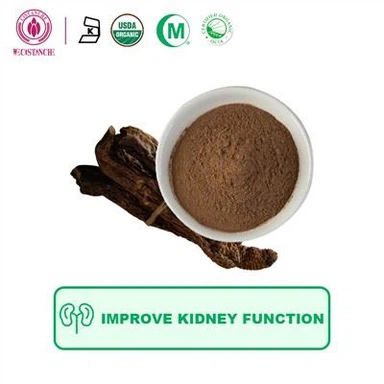
When consistent lifestyle adjustments still leave you struggling with low‑immunity symptoms, many consumers, supplement formulators and health brand developers look toward evidence‑backed herbal ingredients for complementary immune support. Cistanche Tubulosa, a hardy traditional desert herb originating from Xinjiang in western China, has attracted growing global research attention because of Cistanche benefits for improving immunity.
Compared with other Cistanche varieties, standardized Cistanche Tubulosa extract delivers significantly higher levels of key bioactive compounds: phenylethanoid glycosides (PhGs), including echinacoside and acteoside, plus cistanche polysaccharides. These powerful active constituents work through multiple pathways. They help activate macrophages, NK cells and T‑lymphocyte activity, support balanced gut microbiota, ease oxidative stress and reduce mild chronic inflammation, offering multi‑layer support along the gut‑immune axis and cellular immune pathways.
We are a professional manufacturer specialising in high‑potency Cistanche Tubulosa extract. Our extraction technology preserves high concentrations of these core active ingredients, making our raw material ideal for dietary supplement brands developing immune‑support formulas. You can learn more about our factory background, production standards and quality control systems at: https://www.xjcistanche.com/about‑us.

The Rainbow Diet: Support Immunity Through Food
The rainbow‑diet principle encourages eating plant foods of diverse colours to obtain broad‑spectrum vitamins, minerals and phytochemicals. These naturally occurring plant compounds deliver antioxidant and anti‑inflammatory effects to build and sustain healthy immune function. Each colour family of fruits and vegetables contains unique protective substances that support immune cells in different ways.
Red & orange‑yellow foods: Tomatoes, carrots, sweet peppers and corn. These foods are rich in lycopene and carotenoids, powerful compounds supporting immune regulation and defending cells against oxidative stress caused by daily environmental exposure.
Green foods: Leafy greens, green bell peppers, broccoli and kiwifruit. They provide high vitamin‑C and chlorophyll content, helping to maintain healthy mucosal barriers and vascular health. Mucosal barriers in respiratory and digestive tracts serve as your body's first line of immune defence.
Purple‑black foods: Blueberries, purple cabbage, blackberries and purple grapes. Packed with anthocyanins and polyphenols, these ingredients protect immune cells from oxidative damage and reduce low‑grade inflammation across the body.
Practical dietary guidance for building your rainbow diet:
Aim to consume more than 12 different foods daily, and over 25 varieties weekly. This wide variety ensures you get a full spectrum of micronutrients and plant compounds.
Make dark‑coloured vegetables (deep‑green, red, orange‑red, purple‑red) account for over half of your total vegetable intake every day.
Eat 200‑350 grams of varied fresh fruit each day to add more colour and immune‑friendly nutrients.
A nutrient‑rich rainbow diet works best alongside consistent sleep, regular physical activity and stable mood. Herbal supplements such as Cistanche Tubulosa extract for immune health serve as complementary support rather than replacement for fundamental healthy living habits. You cannot rely solely on botanical extracts to fix immunity if poor sleep, sedentary behaviour or processed food diets remain unchanged. Natural extracts are designed to support, not substitute, a balanced lifestyle.

Supportive Service Of Wecistanche-For more details about cooperation
Email:Lijianlin@wecistanche.com
Key Takeaways
Four practical self‑check markers for sub‑optimal immunity: frequent recurring infections, abnormal bowel movements, chronically poor sleep, persistently cold extremities under warm indoor conditions.
Five major causes of declining immunity: poor nutrition and processed food intake, ongoing sleep loss, sustained negative emotions and chronic stress, sedentary daily routines, and natural immune senescence with age.
The rainbow diet plus consistent healthy lifestyle habits builds baseline immune resilience. Standardized high‑activity Cistanche Tubulosa extract is a promising botanical ingredient leveraging Cistanche benefits for improving immunity, widely considered for modern dietary supplement formulation for immune support.
Disclaimer: This article serves for general educational purposes only and is not medical advice. Cistanche Tubulosa extract shall not be used to diagnose, cure or treat any disease. Always consult qualified healthcare professionals before adding new herbal supplements, especially if you have existing medical conditions or take prescription medication.