How To Treat Aristolochic Acid Nephropathy
Jan 10, 2024
In 1992, a strange kidney disease was discovered in Belgium. This kidney disease was different from the common kidney diseases before. The protein in the urine was not obvious, the blood creatinine was high, the kidney function continued to deteriorate, and kidney atrophy, and uremia. With this kind of kidney disease, about half of patients will develop malignant tumors in the renal pelvis and urethra. A preliminary investigation found that more than 70 patients had taken the same weight-loss drug provided by the same clinic.

Click to Cistanche for kidney disease
However, the clinic has been open for 15 years and has not found similar problems before. Why have they appeared recently? After a detailed investigation, it was found that starting in 1990, the clinic changed the weight loss formula and added two plants, Fangchi and Magnolia officinalis. It was finally confirmed that the aristolochic acid in Fangchi had caused irreversible damage to the kidneys.
Chemical analysis found that Stepheniatetranda in the weight-loss drug was replaced by Aristolochia fangchi. 10 of the 12 batches of powder contained aristolochic acid, with an average concentration of 0.609 mg/g.
Disease onset occurs at a cumulative dose of 147 mg, and the dose taken is proportional to the rate of disease progression. It can be ruled out that other ingredients in the capsule are involved, and Aristolochia fangji is the only risk factor [1]. By 1998, 70% of the 128 cases diagnosed and treated had progressed to end-stage renal disease (ESRD) [2, 3].
After the news came out, it caused great shock in the world's medical community.
After 1956, there were reports one after another that a strange kidney disease was discovered in some villages in the Danube River Basin such as Bulgaria, Croatia, Serbia, Bosnia and Herzegovina, and Romania. People with the disease usually develop severe anemia between the ages of 40 and 60. and uremia, which is characterized by renal fibrosis, severe renal atrophy, and ureteral malignancy, and the average life expectancy of patients is only 45 years. The cause was unknown at the time, so it was called endemic Balkan nephropathy.
After the Belgian doctor's report came out, some nephrologists quickly thought that the symptoms of herbal nephropathy and endemic nephropathy in the Balkans were very similar. Could they both be caused by aristolochic acid?
Later, an investigation by American experts found that there were a lot of Aristolochia growing in the wheat fields in the Balkans. When harvesting wheat, Aristolochia would be mixed with the wheat and accidentally eaten.
Subsequently, aristolochic acid-DNA adducts (adducts, complexes formed by combining DNA fragments with carcinogenic chemicals) were found in kidney specimens from patients with endemic kidney disease in the Balkans, but there were no such adducts in patients with common kidney disease. This strongly proves that aristolochic acid is the cause of endemic nephropathy in the Balkans, so it is named aristolochic acid nephropathy.
Subsequently, many countries have banned or warned against the consumption of plants containing aristolochic acid. In 2003, China also canceled the medication standards for three Aristolochia herbal medicines: Guanmutong, Fangji Fangji, and Aokixiang.
There are hundreds of species of plants in the Aristolochaceae family, which generally contain aristolochic acid. The plants containing aristolochic acid that are banned in Hong Kong are:
1. Aristolochia genus: Aristolochia macrophylla, Aristolochia diannan, Aristolochia nanna, Aristolochia sibirica, Aristolochia bractatum, Aristolochia bractatum, Lotus cinnabar, Aristolochia spp. Aristolochia leaf, Aristolochia candidum, Tongcheng tiger, Hainan Aristolochia, Hanzhong Fangji, Fujixiang, Nanyue Aristolochia, concave vein Aristolochia, Huaitong, Back Snake, Guannanxiang, Guanmutong, Xugufeng, Leatherleaf Aristolochia, False Ipomoea, Butterfly Dark, White Cinnabar Lotus, Bloody Thunder, Platinum Fruit Olive, Xiaonan Muxiang.
2. Asarum genus: Asarum, Asarum, Asarum, Duheng, Asarum, Golden Earring, Earthen Earring, Wujincao, Hualian Asarum, Taitung Asarum.
There is much clear evidence that taking aristolochic acid-containing plants even once in small doses can cause irreversible damage to the kidneys and increase the risk of renal failure and urothelial cancer in the future. The more you take, the greater the risk. big.

In 2013, scientists discovered the gene mutation site caused by aristolochic acid, proving that aristolochic acid's ability to cause gene mutations is the strongest of all substances known today: 150 bases per million bases Genes can mutate. It also demonstrated for the first time the hepatotoxicity of aristolochic acid.
The pathogenic mechanism of aristolochic acid is that part of its metabolite is reduced to aristolocholactam, which enters the renal tubular epithelial cells and accumulates in the cytoplasm to exert a toxic effect; the other part can form adducts with human DNA, Mutation of RAS gene and p53 gene. Experiments have shown that aristolochic acid causes disease because it can bind tightly to DNA and change the T in the four bases to A. Such changes make the interpretation of the entire life completely wrong, just like you wrote a letter to the goddess with the content "WoAi Ni" (I love you), but it was tampered with by aristolochic acid into "Wo Ti-Ni" ( I'll kick you), the ending can be imagined.
There is no so-called safety threshold for DNA damage caused by this mutagen.
Although some non-Aristolochic plants (such as Houttuynia cordata) do not contain aristolochic acid, they contain aristolochamide, a metabolite of aristolochic acid, which can also cause cancer.
In comparison, lung cancer caused by smoking has an average of 8 mutations per 1 million DNA. This was already bad, but it pales in comparison to the 150 of Aristolochic Acid.
1. Clinical manifestations of aristolochic acid nephropathy
Aristolochic acid nephropathy can manifest as acute kidney injury (such as acute tubular necrosis), chronic kidney injury (such as chronic tubulointerstitial nephritis), and malignancy.
1. Acute renal tubular necrosis
It often occurs after taking a large dose of aristolochic acid-containing medicines over a short period (even once). The onset is rapid, and oliguria, anuria, edema, heart failure, hypertension, etc. often occur within a few hours after taking the medicine. At the same time, gastrointestinal symptoms such as nausea, vomiting, and upper abdominal discomfort may occur.
Urine examination may reveal microalbuminuria, hematuria, glycosuria, aminoaciduria, hypoosmolar urine, elevated urinary NAG enzyme, etc. Blood tests show elevated creatinine, acidosis, anemia, thrombocytopenia, liver enzymes, etc. Color Doppler ultrasound examination shows increased kidney size, perirenal edema, etc.
Renal pathology manifests as acute tubular necrosis. Under light microscopy, severe degeneration, necrosis, and disintegration of renal tubular epithelial cells, partial basement membrane exposure, renal interstitial edema, occasional scattered infiltration of a small amount of lymph and mononuclear cells, no obvious glomerular lesions, and swelling of arteriolar endothelial cells were seen. Immunofluorescence was negative.
Severe degeneration and necrosis of renal tubular epithelial cells, exposure of the renal tubular basement membrane, but no regeneration of renal tubular epithelial cells are the characteristic pathological changes of acute aristolochic acid nephropathy.
2. Chronic tubulointerstitial nephritis
It is caused by long-term low-dose use of drugs containing aristolochic acid, and a small number of cases develop from acute aristolochic acid nephropathy. The disease develops slowly, with the time from taking medication to the onset of symptoms ranging from months to years. The onset is insidious and the symptoms are often atypical. There are often no symptoms in the early stage. Symptoms such as increased nocturia, elevated serum creatinine, anemia, fatigue, and anorexia gradually appear.
Urine examination may reveal microalbuminuria, glycosuria, aminoaciduria, hypotonic urine, elevated urinary NAG enzyme, etc. Blood tests show elevated blood creatinine, anemia, thrombocytopenia, etc., which may indicate renal tubular acidosis and/or Fanconi syndrome. Color ultrasound examination shows that the kidney volume has decreased, the renal cortex has become thinner, and the cortical echo has increased.
The pathological manifestations of the kidney are chronic tubulointerstitial fibrosis. Under light microscopy, multifocal or large-scale oligocellular fibrosis was seen in the renal interstitium, with occasionally a small amount of scattered or small focal lymphoid and mononuclear cell infiltration, multi-focal or large-scale atrophy of the renal tubules, and glomerular atrophy. Either there are no obvious lesions, or there is ischemic basement membrane shrinkage and sclerosis, the arteriole walls are thickened, and the lumen is narrowed. Immunofluorescence was negative.
Extensive interstitial fibrosis and reduction in the number of renal tubules in the cortical area or corticomedullary junction area, but without obvious cellular infiltration, are the characteristic pathological manifestations of chronic aristolochic acid nephropathy.
The renal function damage of chronic aristolochic acid nephropathy progresses at different speeds. Some patients progress quickly and enter end-stage renal failure within a few months to one year; some patients progress slowly and reach uremia in more than 10 years. Anemia often appears early and may not be parallel to the degree of renal damage.

3. Malignant tumors
Animal experiments have also confirmed that aristolochic acid is highly carcinogenic and can induce transitional cell carcinoma of the renal pelvis and bladder in rats. Clinical observation has found that patients with chronic aristolochic acid nephropathy have a high incidence of malignant tumors, mainly transitional epithelial cell carcinoma of the bladder, renal pelvis, and ureter.
If patients with chronic aristolochic acid nephropathy have obvious microscopic hematuria or gross hematuria, they should be highly vigilant about urinary system tumors.
2. Treatment principles and plans
At present, the pathogenesis of aristolochic acid nephropathy is not clear, so there is no specific and mature treatment plan.
1. Stop taking medication promptly
Once aristolochic acid nephropathy is confirmed, aristolochic acid-containing plants and drugs should be discontinued promptly. At the same time, knowledge about aristolochic acid nephropathy should be popularized, the dangers of aristolochic acid should be faced squarely, and the dosage and duration of treatment should be strictly controlled.
2. Use of glucocorticoids
Acute aristolochic acid nephropathy can be treated with glucocorticoids to reduce tubular damage and help repair tubules.
Chronic aristolochic acid nephropathy can also be treated with glucocorticoids. Belgian doctor Vanherweghem and others once used prednisone at a dose of 1 mg/kg·d. After 1 month of treatment, the dose was tapered and finally maintained at 0.15 mg/kg·d. It has a certain effect on delaying the progression of renal function damage. Professor Chen Yipu and others in my country have also used glucocorticoids to treat chronic aristolochic acid nephropathy.
Early glucocorticoid treatment can help reverse and delay the progression of renal function and has a certain effect on this disease. However, the indications and specific medication regimens such as starting dose, how to reduce the dose, and maintenance time have not yet been determined. Exploration and more clinical verification are needed. Its treatment mechanism is also unclear.
3. RASi, SGLT2i and MRA
Early application of ACEI or ARB in chronic aristolochic acid nephropathy animal models can significantly reduce extracellular matrix accumulation and fibrosis in the renal interstitium and improve renal function. However, further big data clinical efficacy verification is needed.
Clinical studies have confirmed that SGLT2i has a clear effect on non-diabetic CKD and can delay the deterioration of renal function. However, its specific effect on chronic aristolochic acid nephropathy remains to be confirmed.
The third-generation aldosterone receptor antagonist fenelinone has clear anti-inflammatory effects and may have broad prospects for the treatment of chronic aristolochic acid nephropathy.
4. Symptomatic and supportive treatment
Actively treat anemia and use HIF-PHIs such as erythropoietin or roxadustat early. Actively correct acidosis and electrolyte imbalance to maintain internal environment stability. Renal replacement therapy is an option for patients with end-stage renal disease.

3. Prognosis
The prognosis is not ideal. Even if aristolochic acid-containing drugs are stopped in time, only a small number of patients with acute aristolochic acid nephropathy can return to normal renal function, and the vast majority of acute patients cannot recover their renal function and turn to chronic renal failure. In patients with chronic aristolochic acid nephropathy, renal function may gradually progress to end-stage renal failure even after drug discontinuation.
How Does Cistanche Treat Kidney Disease?
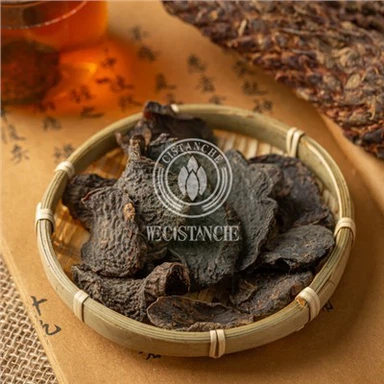
Cistanche is a traditional Chinese herbal medicine used for centuries to treat various health conditions, including kidney disease. It is derived from the dried stems of Cistanche deserticola, a plant native to the deserts of China and Mongolia. The main active components of cistanche are phenylethanoid glycosides, echinacoside, and acteoside, which have been found to have beneficial effects on kidney health.
Kidney disease, also known as renal disease, refers to a condition in which the kidneys are not functioning properly. This can result in a buildup of waste products and toxins in the body, leading to various symptoms and complications. Cistanche may help treat kidney disease ase through several mechanisms.
Firstly, cistanche has been found to have diuretic properties, meaning it can increase urine production and help eliminate waste products from the body. This can help relieve the burden on the kidneys and prevent the buildup of toxins. By promoting diuresis, cistanche may also help Reduce high blood pressure, a common complication of kidney disease.
Moreover, cistanche has been shown to have antioxidant effects. Oxidative stress, caused by an imbalance between the production of free radicals and the body's antioxidant defenses, plays a key role in the progression of kidney disease. ies help neutralize free radicals and reduce Oxidative stress, thereby protecting the kidneys from damage. The phenylethanoid glycosides found in cistanche have been particularly effective in scavenging free radicals and inhibiting lipid peroxidation.
Additionally, cistanche has been found to have anti-inflammatory effects. Inflammation is another key factor in the development and progression of kidney disease. Cistanche's anti-inflammatory properties help reduce the production of pro-inflammatory cytokines and inhibit the activation of inflammation mandatory pathways, thus alleviating inflammation in the kidneys.
Furthermore, cistanche has been shown to have immunomodulatory effects. In kidney disease, the immune system can be dysregulated, leading to excessive inflammation and tissue damage. Cistanche helps regulate the immune response by modulating the production and activity of immune cells, such as T cells and macrophages. This immune regulation helps reduce inflammation and prevent further damage to the kidneys.
Moreover, cistanche has been found to improve renal function by promoting the regeneration of renal tubes with cells. Renal tubular epithelial cells play a crucial role in the filtration and reabsorption of waste products and electrolytes. In kidney disease, these cells can be damaged, leading to damaged renal function. Cistanche's ability to promote the regeneration of these cells helps restore proper renal function and improve overall kidney health.
In addition to these direct effects on the kidneys, cistanche has been found to have beneficial effects on other organs and systems in the body. This holistic approach to health is particularly important in kidney disease, as the condition often affects multiple organs and systems. che has been shown to have protective effects on the liver, heart, and blood vessels, which are commonly affected by kidney disease. By promoting the health of these organs, cistanche helps improve overall kidney function and prevent further complications.
In conclusion, cistanche is a traditional Chinese herbal medicine used for centuries to treat kidney disease. Its active components have diuretic, antioxidant, anti-inflammatory, immunomodulatory, and regenerative effects, which help improve renal function and protect the kidneys from further damage. , cistanche has beneficial effects on other organs and systems, making it a holistic approach to treating kidney disease.