Hypertension Has A Golden Reversal Period, Grasp The Key 10 Points To Return To Normal!
Jul 03, 2023
In fact, for prehypertension, if we grasp the "golden reversal period" and through some reasonable lifestyle interventions, it is possible to reverse hypertension and restore blood pressure to normal.
Some essential hypertension develops slowly and is common in young and middle-aged people. In the initial stage, only the body functions are disordered, and the small arteries of the patient's body will intermittently spasm and contract, which will lead to an increase in blood pressure.
When the blood pressure exceeds 120/80 mmHg, there may be fluctuations in blood pressure, elevated low pressure, and low high pressure, often accompanied by paroxysmal headaches and dizziness, which can generally return to normal after proper rest.
At this time, there is no organic disease in the arteries, and the blood pressure can return to normal after self-regulation. At this time, blood pressure has not caused substantial damage to important organs such as the heart, brain, and kidneys.
As long as you seize this period, high blood pressure can be reversed, but if you leave it alone, it will cause renal dysfunction and myocardial thickening, and you need to take medicine for life.
Let's talk about citing evidence-based research evidence, what is the golden reversal period of high blood pressure, and what measures can reverse high blood pressure.

Click to cistanche herba for kidney disease
Which high blood pressure can be reversed?
After the release of the Chinese Hypertension Clinical Practice Guidelines in 2022: 130/80 becomes the key value (in the past it was 140/90). High pressure (systolic blood pressure) ≥130 mmHg and/or low pressure (diastolic blood pressure) ≥80 mmHg are diagnostic criteria for hypertension in Chinese adults. The blood pressure standard for healthy people should be high pressure <130mmHg and low pressure <80mmHg.
People whose blood pressure is between 130/80 and 140/90 mmHg were also called "prehypertension" in the past, and are known as the golden reversal period of hypertension.
In addition, the blood pressure is between 140/90 and 160/100mmHg, but the risk level is low-risk and medium-risk people also have the opportunity to achieve reversal.
Therefore, let me emphasize: Whether high blood pressure can be reversed depends not only on the level of blood pressure but also based on the risk level of high blood pressure.
Here's what the guide says:
Cardiovascular risk stratification is for non-high-risk groups (patients with systolic blood pressure 130-139 mmHg and/or diastolic blood pressure 80-89 mmHg, with 0-2 cardiovascular risk factors), and lifestyle intervention for 3 to 6 months.
For hypertensive patients with blood pressure levels of 140-159/90-99 mmHg, those with low and intermediate cardiovascular risk can improve their lifestyle for 4 to 12 weeks. (If the blood pressure is still not up to standard, antihypertensive drug treatment should be started as soon as possible)
For example, Mr. Wu's blood pressure is 145/90mmHg, and he has obesity and diabetes; Ms. Wang's blood pressure is 150/90mmHg, but she has no other complications. Since Mr. Wu has a variety of cardiovascular risk factors and has a higher risk level of hypertension, it is more difficult to reverse than Ms. Wang's hypertension.
10 effective means to reverse high blood pressure
Lifestyle is very important for high blood pressure. Controlling blood pressure through lifestyle modifications may avoid, delay, or reduce the need for medication. The Mayo Clinic, the number one hospital in the United States, proposes that adjusting 10 lifestyles can help control high blood pressure.
1. Lose weight and watch your waistline
In general, blood pressure increases with weight gain. Being overweight can also cause apnea during sleep, further raising blood pressure.
Weight loss is one of the most effective lifestyle changes to control blood pressure. Generally, for every 1 catties of weight loss, blood pressure will decrease by about 1 mm Hg.
Also, pay attention to the size of your waist. A large waist circumference increases the risk of high blood pressure.
A 4-year follow-up study took 4552 Chinese people aged 18-60 without hypertension and other chronic diseases as the research objects. The results showed that with the increase in obesity degree and waist circumference, the risk of developing hypertension increased. For every unit increase in BMI in 4 years, the risk of hypertension in men and women increased by 0.141 and 0.109 times, respectively. For every 1cm increase in waist circumference, the risk of hypertension in men and women increased by 0.038 and 0.035 times, respectively.
In general: men with a waist circumference of more than 102 cm are at risk of developing high blood pressure. Women with a waist circumference greater than 89 cm are at risk of developing high blood pressure.

2. Exercise regularly
Regular exercise can lower blood pressure by about 5 to 8 mm Hg. Moreover, it is necessary to develop exercise habits and persist in exercising for a long time, which can effectively prevent blood pressure from rising again. It is recommended to exercise at least 30 minutes a day.
Aerobic exercise that can lower blood pressure includes walking, jogging, biking, swimming, or dancing. Or if you can assess your cardiovascular condition, try high-intensity interval training, that is, short bursts of high-intensity exercise and low-intensity exercise, which can be alternated.
Strength training can also be done to help lower blood pressure. But exercise at least two days a week.
3. Eat healthy
Studies have found that eating more whole grains, fruits, vegetables, and low-fat dairy products, and reducing saturated fat and cholesterol intake can reduce blood pressure by up to 11 mm Hg. The Dietary Approach to Hypertension with Discontinuation (DASH) diet and the Mediterranean diet can help control blood pressure.
The DASH eating pattern, which includes an abundance of vegetables, fruits, and whole grains. Such as skim or low-fat dairy products, fish, poultry, beans, and nuts, and limit foods high in saturated fat, such as fatty meat and whole milk products. Sodium (salt) intake is limited between 1500 and 2300 mg per day.
Dietary potassium can reduce the effect of sodium (salt) on blood pressure. The best sources of potassium are fruits and vegetables. Aim for a daily intake of around 3500 mg, which may lower blood pressure by 4 to 5 mm Hg.
4. Reduce the amount of salt (sodium) in your diet
Just a small reduction in dietary sodium can reduce high blood pressure by about 5 to 6 mm Hg.
Therefore, it is recommended that the daily sodium intake is generally limited to 2300 mg or less. The last is to control the sodium of no more than 1500 mg per day.
Ways to reduce sodium in your diet:
(1) Read food labels and choose low-sodium foods and beverages.
(2) Eat less processed food. Processed foods are high in sodium.
(3) Add no or less salt, and use seasoning instead.
(4) Cook your food and control the sodium content in your food.
5. Limit alcohol consumption
Limiting alcohol consumption (less than one drink per day for women and two drinks per day for men) can help lower blood pressure by around 4 mm Hg. A glass of wine is 340g beer or 140g wine.
6. Quit smoking
Quitting smoking can help reduce blood pressure and heart disease risk and increase life expectancy.
7. Get a good night's sleep
Poor sleep quality (fewer than 6 hours per night for weeks on end) may lead to high blood pressure. Sleep apnea and restless legs syndrome can both interfere with sleep. You can try these methods:
(1) Maintain regular work and rest.
Go to bed and wake up at the same time every day. The same goes for weeknights and weekends.
(2) Create a quiet sleeping environment, ensuring coolness, quietness, and darkness.
Unwind an hour before bed, such as taking a warm bath or doing some relaxing exercises. Avoid bright lights, such as cell phones, TVs, or computer screens.
(3) Pay attention to diet
Don't go to bed too hungry or too full. Don't eat big meals, smoke, drink coffee and alcohol before going to bed.
(4) Nap moderately
Limiting naps to 30 minutes may help with nighttime sleep.

8. Reduce stress
Long-term (chronic) emotional stress may cause high blood pressure.
Find out what causes stress (work, family, finances, illness, etc.) and ways to reduce it. You can try the following methods:
(1) Avoid doing too many things at the same time.
Plan your day and focus on your priorities; learn to say no; set aside enough time to get what you have to do.
(2) Focus on the problems that can be dealt with and make a good solution.
(3) Avoid things that cause stress.
For example, rush hour traffic can feel stressful, so avoid traveling or taking public transportation during rush hour. If possible, avoid people who cause stress.
(4) Take time to relax.
Take time each day to sit quietly and breathe deeply. Make time for favorite activities or hobbies, such as walking, cooking, etc.
(5) Learn to be grateful.
Expressing gratitude to others can help reduce stress.
9. Monitor blood pressure regularly
Regular blood pressure monitoring can help you keep an eye on your blood pressure and determine whether lifestyle adjustments are working.
10. Family and friends support
It is important to have the support of family and friends who can encourage you or exercise with you to help keep your blood pressure low.
How to judge the successful reversal of hypertension?
It can be judged with the help of two data: blood pressure value and period.
blood pressure
The standard of treatment for high blood pressure recommended by the guidelines is below 130/90 mmHg. Therefore, our goal is to control blood pressure below 130/90 mmHg.
time limit
For patients with prehypertension (blood pressure between 120/80 mmHg and 130/80 mmHg), if the blood pressure does not continue to rise, it is considered to be reversed. For people with high blood pressure, if the blood pressure is controlled below 130/80 mmHg within 3-6 months, and the antihypertensive drugs can be stopped, it means that the reversal is successful.
how does Cistanche treat kidney disease?
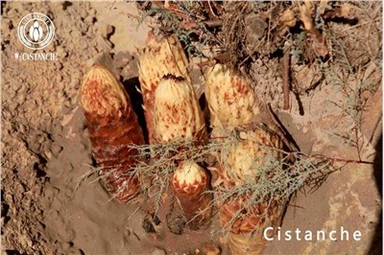
Cistanche has been used in traditional Chinese medicine to treat kidney diseases for centuries. It is believed to help improve the overall health of the kidneys and benefit kidney function. Cistanche is a natural herb, and its active ingredients, known as phenylethanoids, have been found to possess antioxidant, anti-inflammatory, and immunomodulatory properties.

Studies have suggested that Cistanche can help improve the functioning of the kidneys by increasing the production of urine, reducing proteinuria (excess protein in the urine), decreasing levels of creatinine (a waste product), and increasing the glomerular filtration rate (GFR). It has also been found to reduce inflammation, oxidative stress, and fibrosis of the kidney, making it a potential treatment for kidney diseases.
In addition, Cistanche has been found to help reduce uremia (high levels of urea in the blood), improve kidney function, and reduce the risk of kidney damage in patients with chronic kidney disease. It may also help reduce the risk of kidney failure in patients with diabetes.
Cistanche has also been found to help protect the kidneys from damage caused by drugs and toxins. Studies have shown that it can reduce the levels of toxic substances in the blood, including lead, cadmium, and mercury.
Finally, Cistanche may help reduce the risk of developing chronic kidney disease. Studies have suggested that it can help reduce the levels of inflammatory cytokines, which are associated with the development and progression of the disease.
Overall, Cistanche has many potential health benefits for the kidneys, and it may be an effective treatment for kidney diseases. However, more research is needed to confirm its effectiveness and safety.
References
1. List of key points of the latest version of "Guidelines for the Prevention and Treatment of Hypertension in China" Yimaitong March 2023
2. A four-year follow-up study on the relationship between body mass index, waist circumference, and hypertension in Chinese adults, Li Yuan, Zhai Fengying, etc., Institute of Nutrition and Food Safety, Chinese Center for Disease Control and Prevention, University of North Carolina, School of Public Health
3. 10 ways to control high blood pressure without drugs, "Miaoyou Medical International Hypertension Prevention and Control Guidelines"
4. Influencing factors and changing rules of blood pressure, Hubei Provincial Center for Disease Control and Prevention, 2022-04-02
5. The chief physician of Xiehe teaches you to seize the golden reversal period of high blood pressure, Huawei Sports Health 2023-03-21