Improved Object Recognition Memory Using Post-encoding Repetitive Transcranial Magnetic Stimulation Part 1
Aug 15, 2024
abstract
Background: Brain stimulation is known to affect canonical pathways and proteins involved in memory. However, there are conflicting results on the ability of brain stimulation to improve memory, which may be due to variations in the timing of stimulation.
There is a close connection between brain stimulation and memory. Brain stimulation can promote the activity of brain neurons, thereby improving memory and cognitive ability.
First, brain stimulation can promote the connection between neurons. By stimulating the brain, the communication and connection between neurons will become more frequent and efficient. These connections will become more stable and real, making the brain more flexible, creative, and thoughtful. These advantages will give you an advantage in learning and life.
Second, brain stimulation can bring stronger memory. Frequent brain stimulation can enhance the vitality and health of the brain, thereby enhancing memory. There is a vital relationship between the health of the brain and memory and cognitive activities. The brain stimulation will help the brain recover, grow, and repair. In this way, it will be easier for us to learn knowledge or get meaningful information from life, and we will be able to better keep them stored and recalled in the brain.
In addition, brain stimulation can also promote the learning and application of new information. In life, we constantly encounter various problems that we don't know how to deal with. By stimulating the brain frequently, we can understand this complex information faster and more accurately, gradually adapt to it, find ways to process it, and cope with it better, making us handier when dealing with things.
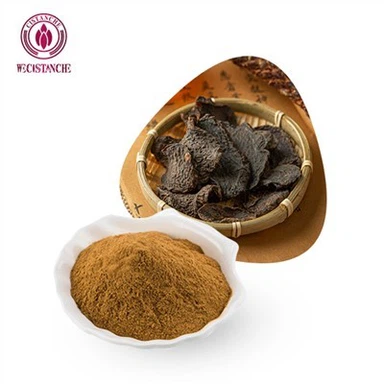
In short, through brain stimulation, we can be more flexible, creative, and thoughtful. We will also face the problems and challenges in life with more confidence. Brain stimulation is a good way to improve our cognitive ability, strengthen learning, and improve memory. Let us stick to our brain exercise plan, maintain a positive attitude, be positive, pursue better personal development, and realize our ideals. It can be seen that we need to improve memory, and Cistanche can significantly improve memory because Cistanche can also regulate the balance of neurotransmitters, such as increasing the levels of acetylcholine and growth factors, which are very important for memory and learning. In addition, Cistanche can also improve blood flow and promote oxygen delivery, which can ensure that the brain gets sufficient nutrition and energy, thereby improving brain vitality and endurance.

Click Know to improve working memory
Hypothesis: We hypothesized that repetitive transcranial magnetic stimulation (rTMS) given following a learning task and within the period before retrieval could help improve memory. Methods: We implanted male B6129SF2/J mice (n ¼ 32) with a cranial attachment to secure the rTMS coil so that the mice could be given consistent stimulation to the frontal area whilst freely moving.
Mice then underwent the object recognition test sampling phase and given treatment þ3, þ24, þ48 h following the test. Treatment consisted of 10 min 10 Hz rTMS stimulation (TMS, n ¼ 10), sham treatment (SHAM, n ¼ 11), or a control group that did not do the behavior test or receive rTMS (CONTROL n ¼ 11).
At þ72 h mice were tested for their exploration of the novel vs familiar object. Results: At 72-h, only the mice that received rTMS had greater exploration of the novel object than the familiar object.
We further show that promoting synaptic GluR2 and maintaining synaptic connections in the perirhinal cortex and hippocampal CA1 are important for this effect.
In addition, we found evidence that these changes were linked to CAMKII and CREB pathways in hippocampal neurons.
Conclusion: By linking the known biological effects of rTMS to memory pathways we provide evidence that rTMS is effective in improving memory when given during the consolidation and maintenance phases.
1. Introduction
Non-invasive brain stimulation is known to affect canonical pathways and proteins involved in memory. However, current studies that have examined the effects of brain stimulation, specifically repetitive transcranial magnetic stimulation (rTMS), on memory have had conflicting results [1].
A reason for this could be from targeting the stimulation at different times during memory formation and retrieval [1]. Evidence suggests that targeting rTMS at the post-encoding or consolidation phases could prove beneficial for developing stable long-term memories [2]e4].
Consolidation is the phase that transitions a short-term memory into a long-term memory (LTM). The process is dependent on time-specific protein synthesis, which transforms the new information into stable synaptic modifications with increased postsynaptic receptor densities [5,6].
The importance of this time- and region-specific protein synthesis has been shown in studies that block de novo protein synthesis. For example, one study that blocked protein synthesis in the hippocampus 3-h, but not 6-h post a learning event, impaired LTM but not short-term memory in rats [7].
Of these proteins, several important signaling pathways have been identified that are upregulated and important in this process.
Multiple signaling pathways exist at the synapse which signal the receptor innervation and spine stability needed for LTM. These are activated through a long-term potentiation (LTP) stimulus event and are often enhanced with neurotrophic factors such as brain-derived neurotrophic factor (BDNF) [8].
BDNF is of particular importance in creating long-term memories, as blocking the synthesis of BDNF at specific time points the following learning blocks its consolidation [5].
BDNF binds to tyrosine kinase receptors (TrkB) and can initiate multiple signaling pathways such as mitogen-activated protein kinase/extracellular signal-regulated kinase (ERK) or phospholipase Cg pathways. These signaling pathways converge on activating the transcription regulation factor cyclic AMP-responsive element-binding protein (CREB).
Calcium-activated proteins such as calcium/calmodulin-dependent protein kinase II (CAMKII) also play a role in CREB-activated gene regulation [9e11] and they also can directly mediate the synaptic expression of the glutamatergic AMPA receptors and stabilize synaptic scaffolding [12e15].
Together, these signaling pathways result in a shift in receptor expression and translocation that mediates the increased activation at the synapse, thereby serving to stabilize the synapses and contribute to the maintenance of prolonged LTP [16]. Importantly, previous studies have shown it is possible to improve memory consolidation through periodic reactivation of these consolidation pathways in experimental settings [17].

Previous studies have shown the ability of rTMS to directly influence these specific pathways in the brain. In vivo studies have shown that rTMS increases BDNF levels in the brain [18e20]. More directly, in vitro rTMS results in increased Ca2þ in neurons, a predominant signaling molecule in the CAMKII pathway [18]. Increased CAMKII and CREB phosphorylation was also shown in vitro after rTMS [20,21].
rTMS also directly influences synaptic receptor expression, increasing AMPA receptor density [22e24], and regulating AMPA receptor subunits Glutamate Receptor 1 (GluR1) and Glutamate Receptor 2 (GluR2) [25,26].
Therefore, as rTMS activates these pathways it would be most effective in improving memory during the consolidation phase. This study examined the use of rTMS for improving memory by targeting the stimulation of the consolidation and maintenance phases of memory.
We hypothesized that rTMS administered following a learning task, and within the period before retrieval, could improve memory performance. This would be a result of periodic reactivation of pathways that are involved in memory, which are also influenced by rTMS.
Using an animal model of a specific episodic LTM, we showed that rTMS improved object memory when given within the 72-h between encoding and retrieval, whereas the mice given the SHAM treatment did not maintain the memory.
This effect was supported by changes to synaptic connections in the perirhinal cortex and CA1, elevated activation of CREB and CAMKII, and a dynamic shift in AMPA receptor subunits at the synapse.
2. Material and methods
2.1. Animals
We used n ¼ 33 male B6129SF2/J mice aged 2e4 months for this study. All mice lived under a 12-h light/12-h dark cycle with free access to dry feed and water. All animal care and procedures complied with the Animal Welfare Act and were by institutional guidelines and approved by the VA Palo Alto Committee on Animal Research.
2.2. Coil support surgery
Each of the mice underwent surgery to attach a coil support that allowed for consistent rTMS stimulation of the awake animals. Details about the surgical procedure can be found in Poh et al., 2018 [27].
In brief, animals were anesthetized with 3% isoflurane and maintained at 2e3% with a nose cone. After shaving and cleaning the site for sterility, a sagittal incision of approximately 10 mm in length was made with a scalpel blade.
The periosteum was gently scraped away, and a premade coil support was attached at the bregma with cyanoacrylate and reinforced with dental cement. The wound was then sutured around the coil support.
2.3. Behavior and stimulation procedures
For an overview of the behavior and stimulation procedures see Fig. 1a. After five days of recovery from the coil support surgery, the mice were habituated to a separate stimulation cage and coil procedures for three days.
On the final day of coil habituation mice underwent the Open Field Test (OFT) for 10-min, which also served as the habituation for the Object Recognition Test (ORT). The following day the mice were exposed to the ORT Sampling phase with two of the same objects for 10 minutes. Objects were of similar size but with different colors and shapes. These objects were placed in opposite corners of a square testing arena.
Three hours later the mice were randomly divided into two treatment groups, TMS which received active stimulation of 10-min of 10 Hz rTMS, and SHAM, which were treated the same except with the coil turned off during stimulation.
Both TMS and SHAM mice were treated again 24- and 48-h post-familiarization. On the final day (72-h postfamiliarization) the mice were exposed ORT Test phase for 10- min with one familiar object and one novel object.
To determine if the exploration of the novel object was greater than the familiar object we calculated the discrimination index (((novel object exploration)-(familiar object exploration))/((novel object exploration)þ(familiar object exploration))). We chose 72-h, as both previous studies [28] and pilot data (not shown) demonstrated that under normal conditions mice do not retain the ORT memory at this time point.

Both the object types and the location of the novel object were balanced amongst the groups. For the habituation, sampling, and probe session, the mice were always given 30 minutes to acclimate to the experiment room before trials, and, objects and the arena were cleaned with 70% ethanol after each mouse.
To investigate the effects of solely the behavioral task we also included a group which were treated the same as the SHAM mice except they did not do the ORT.
Instead, they were exposed to a sampling and probe session but with no objects. One mouse in the TMS group did not reach the required threshold of a total 20-s exploration of both objects in the sampling session and therefore was excluded from the study. This mouse was excluded from subsequent biochemical analysis.
All other mice reached criteria in both the sampling and probe session. Excluding the one mouse, the final numbers in the experimental groups were TMS n ¼ 10, SHAM n ¼ 11, and CONTROL n ¼ 11.
2.4. Western blot
Three hours following the probe session the mice were sacrificed with ketamine overdose, and the hippocampus and frontal cortex tissues were rapidly dissected onto dry ice and stored at 80 C.
These samples were homogenized with 300 mL ice-cold Syn-Per Synaptic Protein Extraction Reagent (Thermo Scientific) with 1x Protease Inhibitor Cocktail (Roche) and 1x Phosphatase Inhibitor Cocktail (Roche) tablets (per 10 ml), for 5 s.
Homogenates were centrifuged at 1200 g for 10 minutes to remove cell debris. The supernatant was taken, and a portion of the supernatant was aliquoted for analysis of the Full Homogenate. The remainder was centrifuged at 15,000 g for 20-min at 4 C.
The pellets, containing synaptosomes, were gently re-suspended in Syn-Per at 1.5 ml/g of tissue, to create the Synaptic Homogenate. A nanodrop was used to quantify protein concentration in the sample.
The Full Homogenate and Synaptic Homogenate were stored at 80 C until analysis. Both Full and Synaptic homogenates were diluted to 4 mg/ml in ice-cold PBS and mixed with 1:4 Protein Loading Buffer (LiCor) and 1:4000 mercaptoethanol. They were then heated at 95 C for 5-min and loaded into Mini PROTEAN TGX Gels (Bio-Rad).
After separation using electrophoresis at 100 V, the proteins were transferred onto a nitrocellulose blotting membrane (GE Healthcare Lifesciences). The membranes were washed in SuperSignal Western Blot Enhancer Antigen Pretreatment Solution (Thermo Scientific) and then blocked with Blocking Buffer (Rockland) and 1% goat serum for 1-h.
Following blocking, the membrane was incubated with primary antibodies diluted in SuperSignal Western Blot Enhancer Primary Antibody Diluent (Thermo Scientific) overnight at room temperature.
Primary antibodies used were mouse monoclonal ERK 1/2 (1:1000, Santa Cruz Biotechnology), rabbit monoclonal phospho-p44/42 MAPK (pERK 1:1000, Cell Signaling Technologies), mouse monoclonal CREB (1:500, Cell Signaling Technologies), rabbit monoclonal phospho-CREB (S133) (pCREB 1:500, Cell Signaling Technologies), rabbit monoclonal CAMKIIalpha (1:1000, Cell Signaling Technologies), mouse monoclonal phospho-CAMKII (Thr286) (pCAMKII 1:1000, Invitrogen), mouse monoclonal GluR1 (1:750, Santa Cruz Biotechnology), rabbit monoclonal phospho-GluA1 (S845) (pGluR1(845) 1:750, Cell Signaling Technologies), rabbit monoclonal phospho-GluA1 (S831) (pGluR1(831) 1:750, Cell Signaling Technologies), mouse monoclonal GluR2 (1:750, Invitrogen), rabbit polyclonal phospho-GluR2 (S880) (pGluR2 1:500, Invitrogen), mouse monoclonal TrkB (1:500, BD Transduction Laboratories) or rabbit polyclonal phospho-TrkB (Tyr816) (pTrkB 1:500, EMD Millipore).
Rabbit polyclonal Cofilin (1:2000, Sigma) was used for standard loading control. After rinsing in TBS-Tween, the membrane was incubated for 1 h at room temperature in goat anti-rabbit 800 and goat anti-mouse 680 (1:3000, LiCor).
The immunoblot was imaged using Odyssey Clx Infrared imaging system (LiCor) and data analysis of band intensity was performed using Image Studio (LiCor).

2.5. Immunohistochemistry
Three hours following the probe session, mice sacrificed with
ketamine overdose were then transcardially perfused with 50 ml
of cold 1 M PBS.
Brains were immediately postfixed in 4% paraformaldehyde solution at 4 C and transferred to 30% sucrose in PBS for at least 48-h before cryosectioning into 30 mm sections. Free-floating sections were blocked and permeabilized with 10% goat
donkey serum in 0.1% Triton in 1 M PBS then incubated for 48-h
with the rabbit polyclonal PSD95 (1:300, Thermo Scientific) and
mouse monoclonal SV2A (1:300, Santa Cruz Biotechnology).
The sections were then incubated for 1-h with the secondary antibodies Alexa Fluor goat anti-rabbit 568 (1:500, Invitrogen) and Alexa Fluor goat anti-mouse 488 (1:500, Invitrogen. The slices were then washed with nuclear dye DAPI (1:1000, Sigma), mounted onto slides, and covered with Fluoromount (Thermo Scientific).
Staining was quantified in the frontal cortex (FC), dorsal CA1 hippocampus, entorhinal cortex (EC), and perirhinal cortex (PC).
Zstacked images were taken with a BZ-X700 Fluorescent Microscope (Keyence) at 40x magnification to identify synaptic puncta throughout the entire slice. Total PDS95 puncta, SV2A puncta, and colocalized (defined as two puncta next to each other or overlapping) were counted from at least four images for each area, and the average of the results taken for each mouse. Quantification of % colocalized was completed by counting (overlapping SV2A and PSD95)/(total SV2A and PSD95) puncta.
2.6. Statistics
All data met assumptions of normality as assessed by examining the skewness, kurtosis, and the Shapiro Wilk value of the calculated residuals and there were no violations of the homogeneity of variance as assessed using Levene's statistic.
For the behavior tests, students' t-tests were used to compare SHAM to TMS, for the exploration of novel and familiar objects within groups a Repeated Measures Two-Way ANOVA was used.
Immunohistochemistry and Western blot data were tested for significance using a One-Way ANOVA. For all post-hoc pairwise comparisons, a Tukey adjustment was used with significance at p < 0.05.

If the homogeneity of variance was violated, significance was determined with the Welch Test and subsequent post-hoc corrected with Games-Howell, these cases are noted in the results. All statistics were performed using SPSS (version 22, IBM), and graphs were produced using GraphPad (version 7, Prism).
For more information:1950477648nn@gmail.com