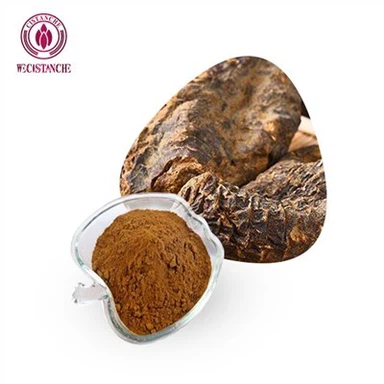
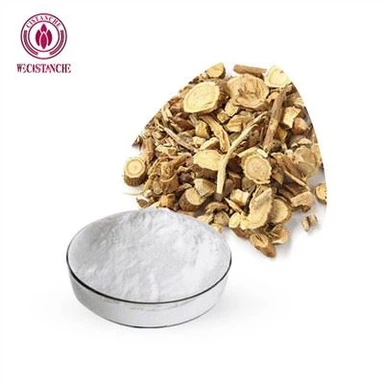
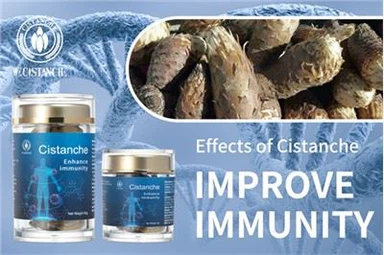
In The Autumn, The First Place For Filling Must Be On The List Of Cistanche Deserticola!
Sep 18, 2023
The sky is high the clouds are clear, and migratory birds are flying south
The weather is gradually turning cooler
Autumn and winter nourishment is a tradition that has been practiced in China for thousands of years.
What should I eat at this time?
Eating Cistanche in Autumn and Winter, Not Getting Sick Next Year~
As the saying goes, 'what you eat is what you make up'.
And Cistanche deserticola, take a look at its color (black color enters the kidneys), and then take a look at its shape to see why it is "greatly replenished and specially replenished"!

Chinese herb cistanche
Cistanche deserticola has been used as a medicine for a long time, and was first recorded in the "Shennong Materia Medica Classic", which states that it "treats male infertility due to the cessation of yang, and female infertility due to the cessation of yin".
In more than 20 traditional Chinese medicine books such as "Compendium of Materia Medica" and "Justice of Materia Medica", Cistanche deserticola is listed as a "precious Chinese medicinal herb".
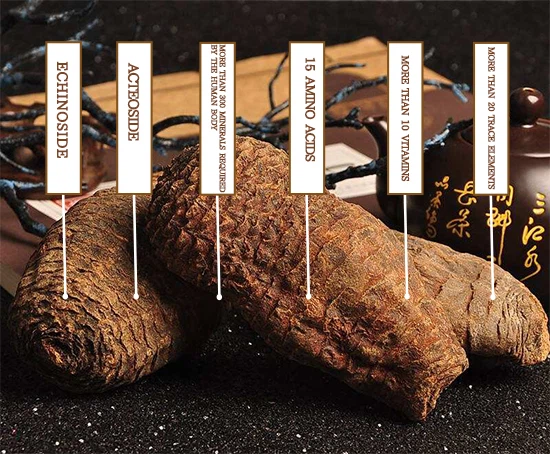
Main Chemical Constituents of cistanche plant
There is a widespread custom of consumption among the Uyghur people in Xinjiang, such as brewing tea, brewing wine, making soup, eating raw food, and mixing cold dishes. This is the secret of Changshou Village in Hotan La Yi Su Village, Xinjiang.
By 2005, Cistanche deserticola was officially included in the Chinese Pharmacopoeia.
Cistanche deserticola can "benefit kidney qi, strengthen spleen and stomach, stop diarrhea and dysentery, brighten color, and take it for a long time to lighten the body". Especially suitable for friends with weak kidney qi, easy fatigue, and low immunity.
In ancient times, Emperor Qianlong lived to the age of 89 when everyone could not live to be 60 years old. He could hardly boast about the good effects of Cistanche deserticola!
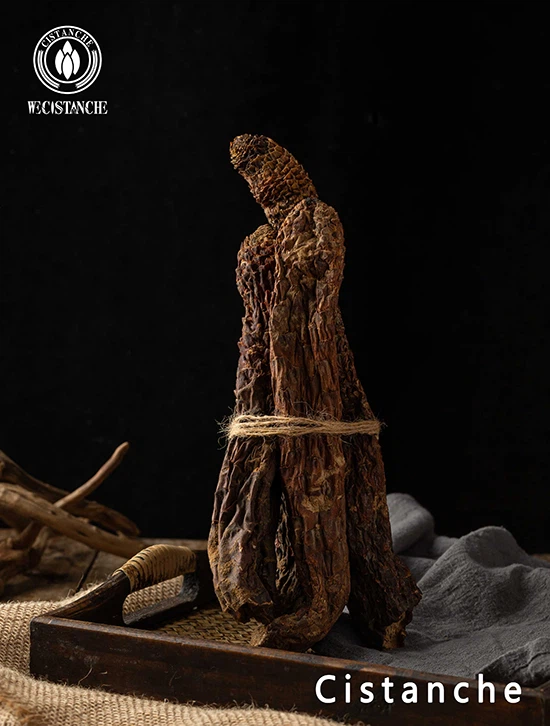
Chinese herb cistanche
Desert deserticola has a sweeter taste and has a better effect on moistening the intestines and promoting bowel movements when entering the large intestine.
The tubular cistanche in the Hotan region of Xinjiang has a slightly bitter taste and a dark color that enters the kidney essence, making it an outstanding kidney tonic. This is also why there are many elderly people in the Longevity Village of Hotan-Laisu Village.
In addition to its different effects, the Tubular Cistanche base planted in the Hotan region of Xinjiang has also been rated as the "National Organic Agriculture Demonstration Base".
The Tubular Cistanche planted in Hotan, Xinjiang, has strict environmental requirements and standardized planting soil. It is common to see other Cistanche impersonating Tubular Cistanche in the market! Below, the editor will take you to distinguish, don't spend money unjustly!
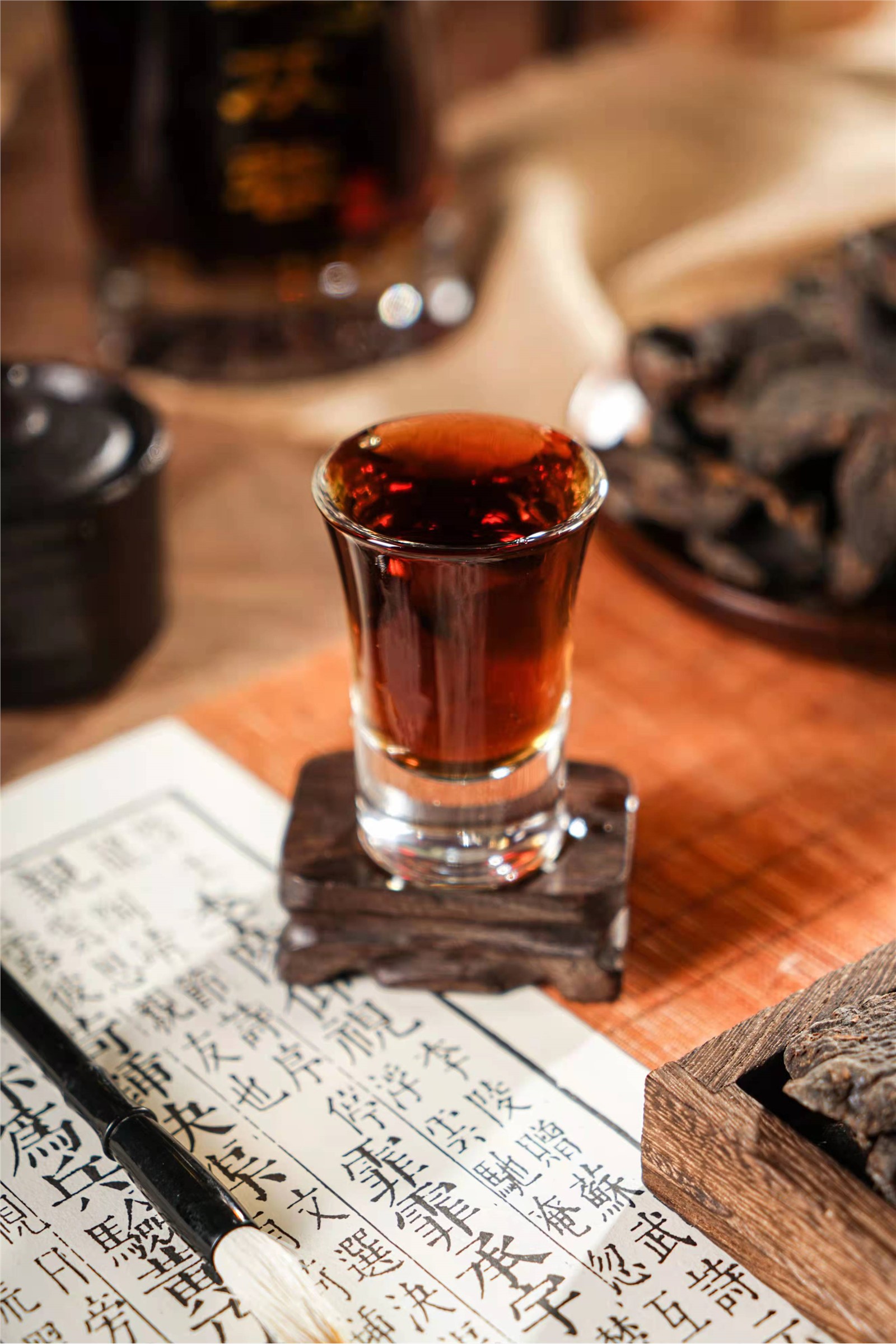
Cistanche tubulosa wine
Click here to view Cistanche deserticola Black Platinum 50° herbal liquor
【Ask for more】 Email:cindy.xue@wecistanche.com / Whats App: 0086 18599088692 / Wechat: 18599088692
Tip 1 Look at the growth environment
The growth of Cistanche deserticola has strict requirements for the soil environment, requiring low soil salinity and viscosity, as well as high soil softness and strong water permeability.
The Taklamakan Desert may be a dead end for other crops, but it happens to meet the conditions required for the growth of Cistanche deserticola.
Tip 2 Look at the water source

Chinese herb cistanche
Seed selection, planting, irrigation, fertilization, protection, and harvesting from the host all follow natural and organic methods.
The water source for irrigation comes from the Kunlun Mountains, and the snow on the mountaintop becomes a river that flows to the Cistanche deserticola planting base to irrigate this farmland.
The Tubular Cistanche enjoys scientific and comprehensive organic care, which ensures that it stores rich nutrients.
Tip 3 Look at the appearance
During the flowering period of Cistanche deserticola, it is a small milky white or light yellow flower;
Mature fresh product, with a spindle-shaped, yellowish brown color, soft skin, tightly arranged fleshy scales and leaves, and shiny skin like pangolin scales.
When excavating, one should also be very meticulous.
Because the underground cistanche is very fragile, a slight force may break it. It is necessary to patiently and carefully use a brush to loosen the surrounding sand and soil. During the gentle removal process, the parasitic disk of the cistanche should not be damaged, so that new cistanches will grow the next year.
Tip 4 Look at the section
The final dried product of Cistanche deserticola has a dark brown surface and a dark brown cross-section, with numerous black-brown dotted vascular bundles scattered irregularly on the cross-section.
Tip 5 Taste after cooking
Main Chemical Constituents of cistanche plant
After cooking, although the taste of the tubular cistanche is slightly bitter, its efficacy instantly kills all other cistanches! Tonifying the kidney, moistening the intestines, and relieving fatigue... Take it for a long time to lighten the body, and choose it for autumn nourishment!
In Xinjiang, Cistanche deserticola is not only a plant with extremely high nutritional value but also an invisible thread that closely connects the residents of Hotan and the Hotan Emperor Company.
The establishment of the Tubular Cistanche Planting Base by Hotan Emperor Chen Company has driven the development of the local economy, provided more employment opportunities, improved the local ecological environment, and reduced sandstorms.
Nourishing in autumn, adding cistanche to your diet can nourish the kidneys, nourish the liver, moisten the intestines, and relieve constipation. Eat it now~