In The Face Of Life-threatening Reperfusion Injury, Innovative Stroke Drugs Open A New Pattern Of Treatment!
Apr 21, 2023
In May 2019, the global burden of stroke data published by the sub-journal of The Lancet Neurology showed that in 2016, there were 13.7 million new strokes worldwide, of which China accounted for 40%, accounting for 5.51 million people; 5.50 million people died of stroke globally. China accounted for 1/3, 1.79 million; the global disability-adjusted life-year (DALY) caused by stroke was 116.4 million, and China accounted for 1/3 (38.62 million years)[1,2].
Click to cistanche benefits and side effects for Ischemia-Reperfusion Injury
It can be seen that China is one of the countries with the heaviest burden of stroke in the world. It is very important to take effective measures to prevent the occurrence of stroke and treat stroke patients in time and correctly to reduce the burden on society and families.
The rate and curative effect of thrombolytic therapy are lower than expected
So far, the most ideal treatment for ischemic stroke is still reperfusion therapy, that is, to open the occluded blood vessels as soon as possible and restore blood perfusion to save more ischemic penumbra tissue and improve neurological deficits. Reperfusion therapy includes intravenous thrombolysis, arterial thrombolysis, and endovascular mechanical thrombectomy [3].
However, the effectiveness of stroke reperfusion, in reality, is not optimistic. Due to the strict time window limitation, the rate of intravenous thrombolytic therapy in patients with acute ischemic stroke in China is very low, only 2.4% [4]. Moreover, a meta-analysis of 1287 patients with acute ischemic stroke showed that only 46% of patients receiving endovascular therapy achieved functional independence at 90 days, and only 10% of patients recovered to normal neurological function [5].

In addition, under the standard intervention of intravenous tissue plasminogen activator (tPA) combined with endovascular thrombectomy, a large number of patients still suffer from severe disability, which may be accompanied by complications such as intracranial hemorrhage after thrombolysis. A meta-study analyzed 5 trials of successful endovascular treatment of stroke and found that 18.5%-32.5% of stroke patients achieved successful reperfusion within 3-8 hours after onset, but still had severe disability or disability within 90 days. Death occurs [6].
CONCLUSIONS: Even with endovascular therapy, neurological damage persists in patients with acute ischemic stroke. The possible reason is that the levels of free radicals and inflammatory cytokines increase sharply after reperfusion, leading to apoptosis of nerve cells, causing irreversible ischemic necrosis of brain tissue in the ischemic penumbra, that is, the occurrence of reperfusion injury [6,7].
Explore the mechanism of reperfusion injury to improve the success rate of stroke treatment
Cerebral ischemia-reperfusion injury was first proposed by Jennings in 1960. It refers to the phenomenon that brain cells are damaged after cerebral ischemia. Specific manifestations include disturbance of consciousness, aggravation of paralyzed limbs, increased intracranial pressure, epileptiform convulsions, and fecal incontinence, etc. [7,8].
Cerebral ischemia-reperfusion injury is a complex pathophysiological process involving multiple mechanisms, mainly including the excessive formation of free radicals, toxic effects of excitatory amino acids, intracellular calcium overload, and inflammatory reactions. These factors interact with each other to further promote neurological damage after cerebral ischemia-reperfusion injury [9].

Many studies have confirmed that inflammatory response plays a key role in cerebral ischemia-reperfusion injury. After reperfusion, neutrophils and other inflammatory cells in the blood enter the ischemic area and secrete a large number of inflammatory mediators, such as interleukin and nuclear factor-κB, etc.
These substances play an important role in the immune-inflammatory cascade reaction of the central nervous system, can promote the rupture and necrosis of endothelial cells through adhesion with endothelial cells, destroy the blood-brain barrier, and aggravate the injury in the ischemia-reperfusion area[11,12].
In addition, the generation of free radicals and oxidative stress during reperfusion not only participates in the pathophysiological process of blood-brain barrier injury but also can further promote the occurrence of inflammatory reactions. On the one hand, oxygen free radicals can change the contraction response of blood vessels to carbon dioxide, stimulate the release of vasodilation factors, promote platelet aggregation, increase the permeability of the blood-brain barrier, and cause nerve damage; on the other hand, they can cause lipids, proteins, etc. Peroxidation leads to the degradation of phospholipid membranes and damages the membrane structure of cell membranes, causing albumin and other macromolecular proteins to leak out, leading to brain edema and promoting inflammatory reactions[9,11].
One drug with two targets, bringing new treatment experience to stroke patients
As mentioned above, the mechanism of cerebral ischemia-reperfusion injury is complex and involves multiple aspects. Increased generation of reactive oxygen species, inflammatory mediators, and Ca2+ overload all play important roles. Therefore, blocking a single pathway cannot effectively inhibit the injury. In recent years, more and more researchers have gradually turned their attention to programs that can block multiple pathways of nerve damage.
Based on the fact that edaravone is an antioxidant and free radical scavenger, a large number of studies have confirmed that it can improve the functional outcome of acute cerebral infarction; and dex borneol has anti-inflammatory effects, which can inhibit the expression of inflammatory cytokines, which may reduce the Apoptosis, necrosis; what's more, these two components have the effect of protecting the blood-brain barrier and have a high potential in reducing ischemia-reperfusion injury. Therefore, some researchers evaluated the synergistic therapeutic effect of edaravone and dex borneol in an animal model of transient cerebral ischemia-reperfusion [13].
The results of this preclinical study showed that when edaravone and dex borneol were combined at an optimal ratio of 4:1, the nerve injury in the reperfusion animal model was significantly alleviated, and the treatment time window was extended to 6 hours. In addition, the combined use of the two drugs can also produce better long-term effects, including improvements in vital signs, motor function, and spatial cognition.

This exciting data also strengthened the researchers' determination to explore further. Therefore, Edaravone and Dexborneol Concentrated Solution for Injection came into being. Simcere Pharmaceuticals scientifically blended two active ingredients, Edaravone and Dexborneol, in a ratio of 4:1. These two components work together, Synergistic, and can play a role in targeting multiple mechanisms in the process of reperfusion injury, thereby delaying the development of injury, which is expected to buy time for follow-up treatment and improve the patient's treatment outcome.
Edaravone Dexborneol Concentrated Solution for Injection is a national Class 1 innovative drug, which was officially approved in China at the end of July. Clinical studies have shown that compared with Edaravone Injection, Edaravone Dexborneol Injection Concentrated Solution has more advantages in improving the modified Rankin Scale (mRS) score [14]. In the future, it is believed that the research data and clinical experience of edaravone dex borneol concentrated solution for injection will continue to accumulate, which will provide more benefits for stroke patients.
Epilogue
For stroke patients, timely and effective treatment after the disease occurs is very important to prevent serious complications and sequelae. However, due to the limitations of the time window and reperfusion injury, the "gold standard" thrombolytic therapy is currently used at a low rate in China, and its efficacy is not as expected.
Edaravone Dexborneol Concentrated Solution for Injection is scientifically formulated with two active ingredients, Edaravone and Dexborneol, which work together to scavenge free radicals and anti-inflammation. The time window for treatment can reduce ischemia-reperfusion injury, improve the success rate of stroke treatment, and allow more patients to return to society normally!
What is the mechanism of Cistanche's treatment of ischemia-reperfusion injury?
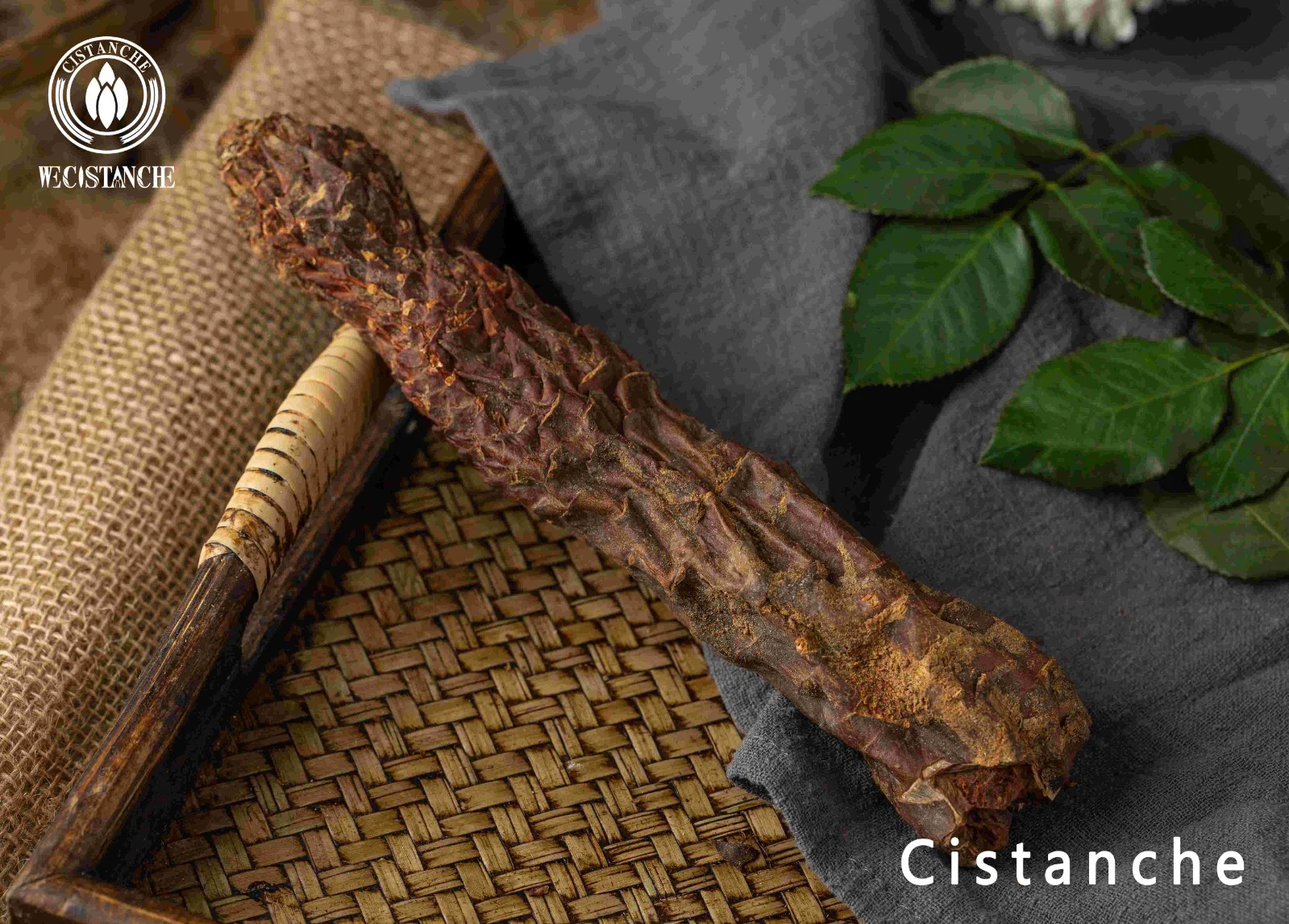
Cistanche is a traditional herbal medicine that has been used in China for centuries. It contains several bioactive compounds, including echinacoside, acteoside, and verbascoside, which have been shown to possess antioxidant, anti-inflammatory, and immunomodulatory properties.
Studies have shown that Cistanche can protect against ischemia-reperfusion injury by inhibiting oxidative stress, inflammation, and apoptosis. It does this by increasing the activity of antioxidant enzymes such as catalase, superoxide dismutase, and glutathione peroxidase while reducing the production of reactive oxygen species (ROS) and lipid peroxidation.
Moreover, Cistanche can suppress the expression of pro-inflammatory cytokines such as TNF-α, IL-1β, and IL-6, and reduce the recruitment of neutrophils and macrophages to the site of injury. By modulating the immune response, Cistanche can prevent further tissue damage and promote tissue repair. Overall, Cistanche exerts its beneficial effects on ischemia-reperfusion injury through multiple mechanisms, making it a promising candidate for the development of new therapeutic agents for this condition.
Reference
[1] GBD 2016 Stroke Collaborators. Global, regional, and national burden of stroke, 1990–2016: a systematic analysis for the Global Burden of Disease Study 2016. Lancet Neurol. Lancet Neurol. 2019 May;18(5):459-480.
[2] Global stroke report: 5.51 million people were diagnosed with stroke in China in 2016, accounting for 40% of the world, but the mortality rate dropped significantly. Chinese Center for Disease Control and Prevention. http://www.chinacdc.cn/gwxx/201903/t20190321_200248.html .
[3] Yang Letian, Yan Fuling. Vascular occlusion after reperfusion therapy in acute ischemic stroke [J]. International Journal of Cerebrovascular Diseases. 2017; 25(3): 275-280.
[4]Liu L, Wang D, WongKS, et al. Stroke and stroke care in China: huge burden, significant workload, and a national priority[J]. Stroke. 2011 Dec;42(12):3651-4.
[5]Goyal M, Menon BK, van Zwam WH, et al. Endovascular thrombectomy after large-vessel ischaemic stroke: a meta-analysis of individual patient data from five randomized trials[J].Lancet. 2016 Apr 23;387(10029) :1723-31.
[6] Sun Jun, Lou Qihui, Zhang Luyong, et al. Research progress of cerebral ischemia-reperfusion combined with neuroprotective agents in the treatment of stroke [J]. Advances in Pharmacy. 2019; 43(8): 593-602.
[7] Chang Baoling. Clinical understanding of ischemic stroke reperfusion injury [J]. China Traditional Chinese Medicine Information. 2011; 3(6): 133.
[8] Hou Kun, Dai Hailong, Xiao Zhicheng. Research progress on cerebral ischemia-reperfusion injury [J]. Chinese Journal of Cardiovascular Disease Research. 2016; 14(1): 10-14.
[9] Zhang Di, Ren Changhong, Ji Xunming, et al. Research progress on the process and mechanism of inflammatory response after cerebral ischemia-reperfusion injury [J]. Chinese Journal of Cerebrovascular Diseases. 2013; 10(7): 383-387.
[10]Kratzer I, Chip S, Vexler ZS. Barrier mechanisms in neonatal stroke. Front Neurosci. 2014; 8: 359.
[11] Wu Jinhua, Ma Huiping, Meng Ping, et al. Research progress in cerebral ischemia and reperfusion injury and its prevention and treatment mechanism [J]. Journal of Pharmaceutical Practice. 20114; 32(6): 401-404, 447.
[12] Wang Hongmei, He Yonggui, Yi Hongli, et al. Mechanism and treatment progress of cerebral ischemia-reperfusion injury [J]. Journal of Hebei Union University (Medical Edition). 2014; 16(2): 186-188.
[13]Wu HY, Tang Y, Gao LY, et al. The synergetic effect of edaravone and borneol in the rat model of ischemic stroke[J]. Eur J Pharmacol. 2014 Oct 5;740:522-31.
[14]Xu J, Wang Y, Wang A, et al. Safety and efficacy of Edaravone Dexborneol versus edaravone for patients with acute ischaemic stroke: a phase II, multicentre, randomized, double-blind, multiple-dose, active-controlled clinical trial [J]. Stroke VascNeurol. 2019 Apr 22;4(3):109-114.