Intestinal Permeability And Depression In Patients With Inflammatory Bowel DiseaseⅢ
Dec 20, 2023
4. Discussion
The current study joins the literature that shows that depression is a frequent comorbidity of IBD and that common pathophysiological mechanisms can coexist [32]. The analysed data showed that more than half of the participants had depression with varying degrees of severity. In their recent study, Santosa and Galindo also showed an increased prevalence of anxiety and depression in patients with inflammatory bowel disease [33]. Among the pathophysiological mechanisms involved, the way the microbiota affects the signalling of the gut–brain axis is still under research. Alam showed that the recently introduced model of the "microbiota–gut–brain axis" has opened a new window for understanding the pathogenesis of neuropsychiatric syndromes, especially depression [33].

Click to constipation remedies
The hypothesis supported by Ait-Belgnaoui suggests that the microbiota is associated with microglial function, behaviour, effect, motivation and cognitive functions in animals, as well as in individuals with or without psychiatric diseases [34]. Moulton believed that inflammation provides a promising common origin for both depressive symptoms and the poor evolution of IBD [35]. Zonulin received considerable attention for its potential involvement in the pathogenesis of gastrointestinal disease and the possibility of being a biomarker of intestinal barrier dysfunction [22]. Sturgeon proposed, as an essential step in initiating the inflammatory process, the loss of intestinal barrier function by increasing zonulin [15], but our results do not show a significant correlation between zonulin levels and depression.
Similarly, Maget et al. found no significant difference between serum levels of zonulin in euthymic individuals and those with unipolar depression or depression in bipolar disorder. In addition, there was no significant correlation between the severity of depressive symptoms and serum levels of zonulin [36,37]. On the other hand, Kılıç found that zonulin is increased in patients with bipolar disorder and that this finding could contribute to the role of intestinal permeability or the blood–brain barrier in the pathogenesis of bipolar disorder [38].
Other studies have shown a correlation between zonulin and other mental disorders, e.g., mean levels of zonulin appear to be higher in children diagnosed with mental disorders compared with the control groups [39]. Wang [40] showed that an increase in zonulin is a significant factor in reducing the Mini-Mental State Examination (MMSE) score in mild cognitive deficiency and Alzheimer's disease. Moreover, Ohlsson found that zonulin and IFAB 2 were altered in patients with a recent suicide attempt and that the "leaky gut hypothesis" could help explain part of the association between inflammation and suicidal behaviour [28]. Further investigations are needed [39]. In this study, we found that for calprotectin, the median value was above the normal range and that the value positively correlates with the PHQ 9 score.

We believe that the inflammatory process hypothesis in depression can be confirmed. Similarly, Li´skiewicz found that there is a positive correlation with changes in faecal calprotectin during hospitalisation in patients with major depressive disorder and that intestinal integrity and markers of inflammation were associated with the response to treatment and with the severity of symptoms [41]. A large amount of LPS occurs through intestinal microbiota dysbiosis, stimulates LBP and then causes a proinflammatory response [42–44]. Köhler showed that endotoxin levels in the blood might be a contributing factor in the association between depressive symptoms and altered immune responses [45].
Depressive symptoms are often linked to an inflammatory response and increased inflammation, although these associations are not always consistent. In the studied group, we identified a positive correlation between LBP and depression. The compact range of values obtained in the case of LBP shows a homogeneous level of endotoxin stimulation (LPS) in the patient's serum. In men, higher depressive symptoms have been linked to increased ex vivo inflammatory responses to lipopolysaccharides (LPS), while in women, accentuated depressive symptoms have been linked to an attenuated inflammatory response [46]. In the IFABP/FABP2 studied group, the median value was situated in between the normal range, but maximal values exceeded the threshold. However, the correlation with depression was nonexistent.
This finding comes in contradiction with the results of Li´skiewicz, who found that there is a negative correlation between IFABP/FABP2 in plasma and major depression [41]. In the present study, the correlations between zonulin and IFAB 2 and depression are statistically insufficient. On the other hand, we identified two positive correlations, i.e., between depression levels assessed using the PHQ 9 questionnaire and calprotectin and LPS. Stevens et al. [47] found that zonulin and FABP2 were each significantly elevated in the depression versus nondepressive control groups. Anxiety and depressive disorders have been associated with intestinal dysbiosis and the growth of molecules of intestinal epithelial integrity in the blood of asymptomatic subjects with gastrointestinal physical suffering.
These findings highlight the fact that the gut can be considered a new target for managing depression, especially in physically asymptomatic people with gastrointestinal disorders. In addition, in the studied group, a negative correlation was identified between depression and quality of life, which confirms our secondary objective. The current study has some limitations that should be addressed: it was an observational study; the sample size was small, limiting the generalisation of these results to a larger population; the patients with severe depression or other severe mental disorders were directed to a specialised psychiatric service for their protection; we included an inflammatory marker of disease activity, calprotectin, but we did not use endoscopy for disease activity as an objective marker, which would have made it difficult to include some patients in the study; and we included patients with varying degrees of disease activity. Related variables that were analysed were smoking, alcohol consumption and type of treatment followed.
The inconsistency of the results regarding the relationship between intestinal biomarkers and depression may also be related to the fact that the methods of analysis are different among various studies. The type of collected samples can differ, i.e., either serum or faeces. In addition, the type of analysis can vary: some tests analyse interactions of the antibodies zonulin–antigen zonulin (immunosorbent) and a colourimetric HRP detection system to detect zonulin antigen in the samples used in the present study or to identify serum levels of zonulin/preHP2. For these, further studies are needed to establish the primary target proteins in the family of zonulinic proteins [48] or structurally similar proteins detected by the available ELISA [49]. New and specific detection methods and assays for zonulin/preHP2 are urgently needed to address the usefulness of zonulin as a biomarker for intestinal permeability [50].

5. Conclusions
This is the first study in Romania, Eastern Europe, to include the set of biomarkers of intestinal permeability, i.e., calprotectin, zonulin, LBP and IFABP/FABP2, in the study of depression in patients with IBD for analysing whether intestinal permeability syndrome is correlated with depression. Our results highlighted a correlation between depression and calprotectin and LBP, which contributes another step to the rapid identification of biomarkers and can indicate the existence of depression. Mental disorder identification can benefit from the model of the "microbiota– gut–brain axis". Inflammation provides a common pathway with the potential for depression as well as IBD. Depression and quality of life in patients with IBD are correlated, which urgently accelerates the need for access to appropriate treatments. The involvement of calprotectin, zonulin, LBP and IFABP/FABP2 in the study of mental disorders remains an open matter, given that inflammatory processes are known to be involved in the aetiology of affective disorders.
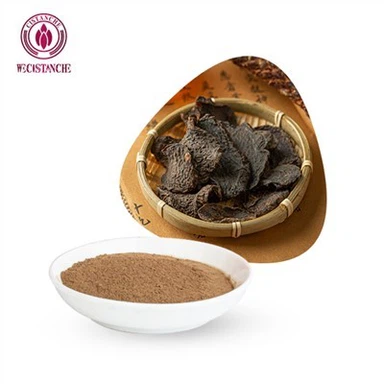
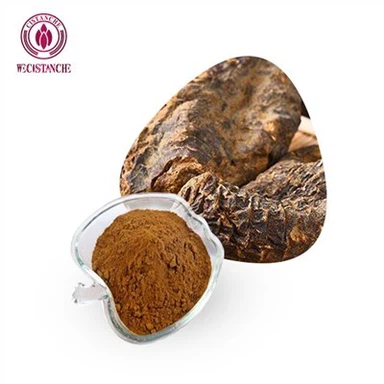
Natural Herbal Medicine For Relieving Constipation-Cistanche
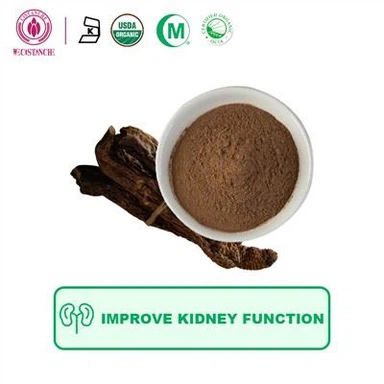
Cistanche is a genus of parasitic plants that belongs to the family Orobanchaceae. These plants are known for their medicinal properties and have been used in Traditional Chinese Medicine (TCM) for centuries. Cistanche species are predominantly found in arid and desert regions of China, Mongolia, and other parts of Central Asia. Cistanche plants are characterized by their fleshy, yellowish stems and are highly valued for their potential health benefits. In TCM, Cistanche is believed to have tonic properties and is commonly used to nourish the kidney, enhance vitality, and support sexual function. It is also used to address issues related to ageing, fatigue, and overall well-being. While Cistanche has a long history of use in traditional medicine, scientific research on its efficacy and safety is ongoing and limited. However, it is known to contain various bioactive compounds such as phenylethanoid glycosides, iridoids, lignans, and polysaccharides, which may contribute to its medicinal effects.

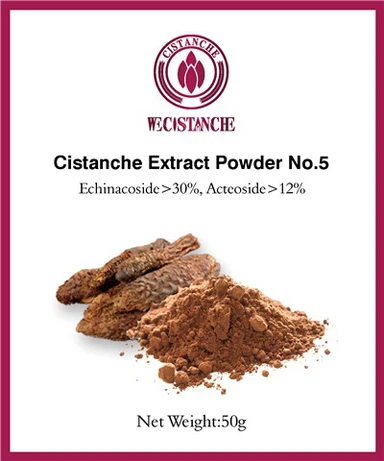
Wecistanche's cistanche powder, cistanche tablets, cistanche capsules, and other products are developed using desert cistanche as raw materials, all of which have a good effect on relieving constipation. The specific mechanism is as follows: Cistanche is believed to have potential benefits for relieving constipation based on its traditional use and certain compounds it contains. While scientific research specifically on Cistanche's effect on constipation is limited, it is thought to have multiple mechanisms that may contribute to its potential to relieve constipation. Laxative Effect: Cistanche has long been used in Traditional Chinese Medicine as a remedy for constipation. It is believed to have a mild laxative effect, which can help promote bowel movements and induce constipation. This effect may be attributed to various compounds in Cistanche, such as phenylethanoid glycosides and polysaccharides. Moistening the Intestines: Based on traditional use, Cistanche is considered to have moisturizing properties, specifically targeting the Intestines. Promoting hydration and lubrication of the Intestines may help soften tools and facilitate easier passage, thereby relieving constipation. Anti-inflammatory Effect: Constipation can sometimes be associated with inflammation in the digestive tract. Cistanche contains certain compounds, including phenylethanoid glycosides and lignans, that are believed to have anti-inflammatory properties. By reducing inflammation in the intestines, it may help improve bowel movement regularity and relieve constipation.