Is There A Correlation Between Constipation And Gallstones? What Is The Mechanism Of Action?
Dec 18, 2023
Gallstone disease is a common disease worldwide, the incidence is higher in Western countries, affecting more than 10% of the population, and in the past few decades, the diet structure and living habits of the Chinese people have changed, the incidence of gallstones in our country has changed with it, is 11-13%, which is close to the incidence in the West.

The proportion of choledocholithiasis in the incidence of gallstones is about 10%-20%. The definition of primary choledocholithiasis recurrence is that in patients with choledocholithiasis, stones are cleared by various means, and stones are found again in the choledocholithiasis more than 6 months, and the incidence is 18.5%.
Methods of stone removal include cholecystectomy to remove the gallstone, complete removal of the gallstone by endoscopic retrograde cholangiopancreatography (ERCP) or common bile duct exploration.
Pathogenesis and recurrence factors of common bile duct stones
The formation of gallstones is a complex interplay of genetic and environmental factors. A large study of twins showed that in patients with symptomatic gallstones, genes contributed 25% to the phenotype, shared environmental factors accounted for 13%, and unique environmental factors accounted for 62%.
Research on the risk factors of gallstones has achieved more results in recent years. Gender (female), age (advanced age), pregnancy, premature birth, lack of exercise, obesity and excess nutrition are all factors related to gallstone disease, and the pathogenesis of metabolic syndrome (such as diabetes, hyperthyroidism, etc.) also increases the risk of gallstones.
The composition of gallstones in different parts is different, the gallbladder is mostly formed for cholesterol stones, and the content of bile pigment in bile duct stones is higher, and the pathogenesis of the two is different. The imbalance of cholesterol homeostasis (composition, flow direction, etc.) in bile is the main mechanism that causes cholesterol stones. The rate of bile crystallization in patients with gallstones is faster than that in healthy people.
The causes of bile supersaturation are: (1) the liver produces too much cholesterol; (2) The liver produces too little bile salts or phospholipids, and cholesterol secretion is relatively normal; (3) Abnormal liver production of cholesterol and bile salts or phospholipids, with more cholesterol and less bile salts or phospholipids.
Chronic inflammation of the gallbladder wall causes gallbladder motility deficiency, which makes the bile with cholesterol superforated in the gallbladder cavity remain for a long time, which is conducive to cholesterol crystallization and the formation of microstones and gross stones. Insufficient gallbladder dynamics also causes more secreted bile to be shunted into the intestine, which leads to increased bacterial catabolism of bile salts and increased levels of bile deoxycholate, which in turn promotes high liver cholesterol secretion and cholesterol crystallization.

Bile pigment stones are caused by abnormal bilirubin metabolism, and excessive unbound bilirubin is found in bile of patients with bile pigment stones.
Melanin stones form in uninfected complex sediments, and recent studies of porcine gallstone susceptibility genes have identified several candidate genes associated with the formation of bile pigment stones that may contribute to the formation of bile pigment stones by increasing entero-hepatic circulation of bilirubin.
In patients with cystic fibrosis or sickle cell disease, serum bilirubin levels and gallstone prevalence are strongly associated with UGT1A1 promoter variation.
The effectiveness of cholecystectomy in removing gallstones has been widely recognized, and it eliminates biliary colic as a major symptom. In clinical practice, doctors and patients prefer laparoscopic cholecystectomy (LC) because of its shorter hospital stay and earlier recovery.
At present, laparoscopic choledocholithiasis (LCBDE) and endoscopic retrograde cholangipancreatography (ERCP) are the main treatment methods for choledocholithiasis. Due to less trauma and shorter operation time, ERCP is more preferred when conditions are available.
Endoscopic sphincterotomy (EST) results well, but is associated with the risk of complications such as pancreatitis, bleeding, and perforation. The incidence of postoperative bleeding after endoscopic balloon dilation (EPBD) is lower than that of endoscopic sphincterotomy, but the risk of pancreatitis is higher, and the overall complication rate is similar to EST.
2. Pathophysiology and influencing factors of chronic constipation
Constipation is a more common clinical symptom. It is a syndrome that includes bowel symptoms such as difficulty or reduced frequency of defecation, stiff stool or incomplete defecation. It can occur alone or secondary to another underlying disease.
Primary constipation is divided into three types: normal transit constipation (NTC), slow transit constipation (STC), and dysdefecation, which are mainly classified according to the colon transit function and rectal function of the patient.
Secondary constipation can be caused by a variety of factors such as metabolic disorders, drugs, nervous system diseases, and major diseases of the colon. These two forms of constipation (i.e. primary or secondary constipation) often coexist and are often indistinguishable from each other.
Epidemiological studies have shown that the prevalence of constipation in adults is 16%, and most (but not all) studies have shown that constipation is more prevalent in non-white populations than in white populations, in women than in men (median ratio of men to women is 1.5:1), and in older hospitalized residents than in older community residents.
In China, the prevalence of chronic constipation in adults is 4%-6%, among which the prevalence of chronic constipation in the elderly (> 60 years old) can be as high as 22%. Although the chronic symptoms of constipation do not endanger the life of patients, they seriously affect the quality of life of patients, cause psychological burden to patients, and cause certain economic losses to patients.
With the study of the epidemiology and pathogenesis of constipation, constipation is independently associated with adverse clinical outcomes such as Parkinson's disease, end-stage renal disease, cardiovascular disease, and mortality, which may be mediated by changes in gut microflora and increased fecal metabolites.
The pathophysiology of chronic constipation has made some achievements. Understanding the pathophysiology of chronic constipation is helpful to explore the correlation between chronic constipation and other diseases and guide the treatment of chronic constipation.
In two-thirds of adults with bowel trouble, poor bowel training, behavioral problems, or parent-child conflict result. During defecation, the coordination of abdominal muscles, rectoanal canal and pelvic floor muscles is reduced, which is the main reason for cooperative defecation disorder in patients.
Uncoordinated rectal motility refers to abnormal contractions, inadequate relaxation, or impaired rectal/abdominal propulsion. STC is a multifactorial disorder with a high prevalence in women, and our understanding of the pathophysiology behind this disorder is evolving.
Previous studies have shown that STC patients are mainly female, accounting for more than 90%. The molecular mechanism of colon specimens of patients after colectomy has been studied, showing that contractile G protein is down-regulated and inhibitory G protein is up-regulated in specimens of female STC patients, which may be caused by the higher content of progesterone receptor in female body.
Another study analyzing colectomy specimens from patients with STC showed a reduction in the volume of interstitial cells (ICC) in the colon and intestinal pacemaker cells. The pathophysiology of irritable bowel syndrome (IBS) is not well understood, but a variety of factors may play a role, such as intestinal disorders, food intolerance, movement disorders, visceral hypersensitivity, brain-gut interactions, and psychosocial status. The risk factors for constipation are well established. Lower socioeconomic status and lower rates of parental education are associated with constipation, less self-reported physical activity, certain medications, depression, physical and sexual, and stressful life events are risk factors for constipation, and study findings show that constipation is associated with low dietary fiber intake.
Recent studies have shown that functional constipation is related to intestinal flora disorder and vitamin D deficiency in clinical studies on the correlation between chronic constipation and primary choledocholithiasis recurrence. However, these associations do not necessarily indicate causation, and while it is reasonable to control for these risk factors, doing so may not improve intestinal function.
Soluble dietary fiber can improve individual intestinal symptoms in patients with chronic constipation (such as: stool frequency, stool consistency, and incomplete sense of excretion), and can be supplemented with fiber through a high-fiber diet or fiber supplements to improve intestinal function and relieve constipation.
If treatment is required, osmotic agents can be used regularly, stimulant laxatives can be used as needed, and new drugs for constipation such as secretagogues and 5-HT4 receptor agonists can also be used as appropriate.
Iii. Relationship between chronic constipation and choledocholithiasis
In clinical work, it has been found that the prevalence of constipation in patients with gallstones is higher than that in the general population, that is, constipation may be a risk factor for the pathogenesis of gallstones or participate in the pathogenesis of gallstones, but there are no relevant studies to explain the relationship between the two.
There are overlapping risk factors for chronic constipation and gallstone disease. First, both of them tend to occur in the elderly and women; secondly, they are related to obesity, too little exercise and eating habits; finally, as digestive system diseases, both of them are related to digestive tract function abnormalities, including intestinal function abnormalities and intestinal microecological changes.
Behind the same risk factors, it may be the same pathogenesis, which can be used as the starting point to study the correlation between chronic constipation and gallstone disease. Some patients with gallstones complain of indigestion, which often persists after cholecystectomy.

To address this clinical phenomenon, gastrointestinal defects in patients with gallstones and cholecystectomy were studied. The study assessed dyspepsia in the preceding months through a questionnaire in patients with gallstones, cholecystectomy, and healthy controls, and evaluated gastric and gallbladder emptigation by functional ultrasound.
By using a hydrogen breath test with a standard liquid meal rich in lactulose to assess colon transport time, it was concluded that whether gallbladder stones were treated by a gallbladder sparing approach or by cholecystectomy, patients developed manifestations of digestive tract dysfunction associated with multiple gastrointestinal motility deficits in the gallbladder, stomach, and small intestine, with worsening gastric empting after cholecystectomy. The correlation between gallstones as digestive tract diseases and digestive tract function has been paid attention to by researchers, but the specific relationship and mechanism of action have not been clarified. Domestic researchers have also noted that constipation may be associated with the recurrence of gallstones, so a retrospective clinical case-control study was conducted, and no correlation was found between chronic constipation and the recurrence of common bile duct stones.
However, there are few studies on the correlation between gallstones and constipation, and no convincing conclusions have been drawn. The correlation and mechanism of the two need further research.
In the process of studying the pathogenesis of gallstone, scholars used this technology to compare the bile and stool samples of gallstone patients and healthy people, and found clinical studies on the correlation between chronic constipation and primary choledocholithiasis recurrence in gallstone patients compared with healthy people.
There were significant differences in microbial species and distribution, and the imbalance of intestinal flora may be involved in the pathogenesis of gallstone. This conclusion has also been confirmed in animal experiments.
Intestinal microecological imbalance is a common manifestation of gallstone patients, and changes in intestinal microflora may participate in the pathogenesis of gallstones. The intestinal microecology of patients with constipation also changes. Whether there is a correlation between intestinal microflora changes in patients with constipation and gallstone patients, as well as the specific direction and characteristics of the changes, needs more research.
There is a high prevalence of constipation in patients with gallstones, and constipation is correlated with gallstones, which may be caused by intestinal flora disorder in patients with constipation, which can increase intestinal pressure, and the biliary tract is communicated with the intestine.
The sphincter is of great significance in anatomy, as it is the entrance of bile into the intestine. However, when the intestinal pressure is high, the bacteria in the intestine enter the biliary tract under the action of pressure, or bacterial translocation occurs, causing chronic inflammation of the biliary tract and changes in bile metabolism, thus inducing the formation of stones.
Natural Herbal Medicine For Relieving Constipation-Cistanche
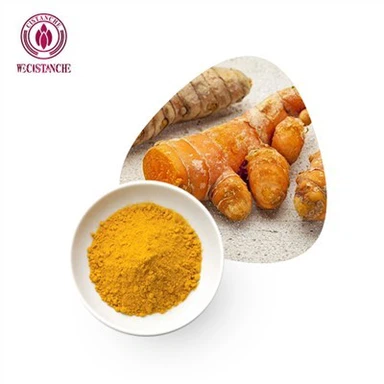
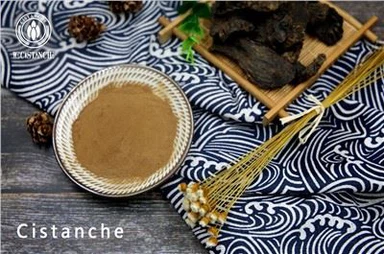
Cistanche is a genus of parasitic plants that belongs to the family Orobanchaceae. These plants are known for their medicinal properties and have been used in Traditional Chinese Medicine (TCM) for centuries. Cistanche species are predominantly found in arid and desert regions of China, Mongolia, and other parts of Central Asia. Cistanche plants are characterized by their fleshy, yellowish stems and are highly valued for their potential health benefits. In TCM, Cistanche is believed to have tonic properties and is commonly used to nourish the kidney, enhance vitality, and support sexual function. It is also used to address issues related to aging, fatigue, and overall well-being. While Cistanche has a long history of use in traditional medicine, scientific research on its efficacy and safety is ongoing and limited. However, it is known to contain various bioactive compounds such as phenylethanoid glycosides, iridoids, lignans, and polysaccharides, which may contribute to its medicinal effects.

Wecistanche's cistanche powder, cistanche tablets, cistanche capsules, and other products are developed using desert cistanche as raw materials, all of which have a good effect on relieving constipation. The specific mechanism is as follows: Cistanche is believed to have potential benefits for relieving constipation based on its traditional use and certain compounds it contains. While scientific research specifically on Cistanche's effect on constipation is limited, it is thought to have multiple mechanisms that may contribute to its potential to relieve constipation. Laxative Effect: Cistanche has long been used in Traditional Chinese Medicine as a remedy for constipation. It is believed to have a mild laxative effect, which can help promote bowel movements and induce constipation. This effect may be attributed to various compounds found in Cistanche, such as phenylethanoid glycosides and polysaccharides. Moistening the Intestines: Based on traditional use, Cistanche is considered to have moisturizing properties, specifically targeting the Intestines. Promoting hydration and lubrication of the Intestines, it may help soften tools and facilitate easier passage, thereby relieving constipation. Anti-inflammatory Effect: Constipation can sometimes be associated with inflammation in the digestive tract. Cistanche contains certain compounds, including phenylethanoid glycosides and lignans, that are believed to have anti-inflammatory properties. By reducing inflammation in the intestines, it may help improve bowel movement regularity and relieve constipation.