Isolating The Role Of Bone Lacunar Morphology On Static And Fatigue Fracture Progression Through Numerical Simulations Part 2
Sep 01, 2023
3.3. Fatigue Analysis of Lacuna-Embedded Geometries
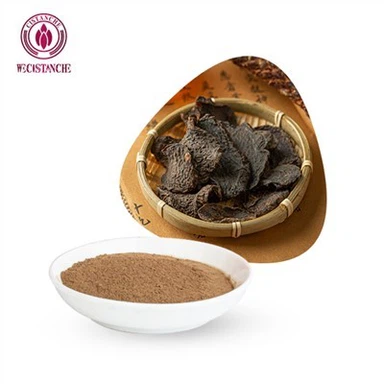
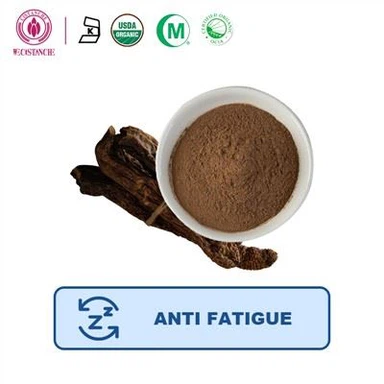
Cistanche can act as an anti-fatigue and stamina enhancer, and experimental studies have shown that the decoction of Cistanche tubulosa could effectively protect the liver hepatocytes and endothelial cells damaged in weight-bearing swimming mice, upregulate the expression of NOS3, and promote hepatic glycogen synthesis, thus exerting anti-fatigue efficacy. Phenylethanoid glycoside-rich Cistanche tubulosa extract could significantly reduce the serum creatine kinase, lactate dehydrogenase, and lactate levels, and increase the hemoglobin (HB) and glucose levels in ICR mice, and this could play an anti-fatigue role by decreasing the muscle damage and delaying the lactic acid enrichment for energy storage in mice. Compound Cistanche Tubulosa Tablets significantly prolonged the weight-bearing swimming time, increased the hepatic glycogen reserve, and decreased the serum urea level after exercise in mice, showing its anti-fatigue effect. The decoction of Cistanchis can improve endurance and accelerate the elimination of fatigue in exercising mice, and can also reduce the elevation of serum creatine kinase after load exercise and keep the ultrastructure of skeletal muscle of mice normal after exercise, which indicates that it has the effects of enhancing physical strength and anti-fatigue. Cistanchis also significantly prolonged the survival time of nitrite-poisoned mice and enhanced the tolerance against hypoxia and fatigue.

Click on Mentally Exhausted
【For more info:george.deng@wecistanche.com / WhatsApp:8613632399501】
With the analogous purpose of locating the most critical lacunar network for damage initiation but under fatigue loading conditions, FeSafe high cycle fatigue analyses were carried out. For each geometry, we considered the number of cycles to crack initiation (log-life) as a suitable parameter to assess the critical sites for crack onset. Figure 6a reports the most critical lacunae in each geometry, with a specific reference to the log-life. In 80% of the cases, the β region appears as the most prominent zone for crack initiation, with damage appearing at a lower number of cycles in the OP configuration concerning other geometries (Figure 6b).

4. Discussion
To address the intimate cross-talks existing between human bone lacunae and micro-cracks, our approach started by isolating lacunar morphology in osteopenic and osteoporotic subjects. This choice specifically resides in different features exhibited by OP and PET bone micro-scale architecture, resulting in opposite effects on bone mineral density and strength. Computational XFEM static and fatigue analyses were conducted on six 3D porous geometries, succeeding in evaluating and localizing critical damage initiation and progression sites. In detail, we deepened the separate effects of lacunar density, size, and orientation on the mechanical strength of bone-inspired AISI 316L samples. Furthermore, we considered the realistic 3D shape of lacunae, and we analyzed damage initiation sites in the absence of pre-cracking, overcoming the simplifications highlighted in the current state-of-the-art when schematizing lacunae as perfect ellipses or adopting fictitious crack onset sites to speed up the convergence.
Regarding the number of failed elements in XFEM simulations, the OP specimen shows a percentage of failed elements of 5.71%, which is mainly located 4 mm from the traction surface and is lower than the PET case (Figure 5). All the elements that are not depicted in red or light blue (dark blue and black) experience less than a 20% reduction in cohesive properties. For PET, twice the number of PET failed elements were identified 4 mm away from the traction surface.
After properly tuning the computational parameters and quantifying their effect in static XFEM analyses, we focused on the detailed investigation of lacunar features on the specimen’s mechanical strength by referring to the force–displacement curves (Figure 7). Interesting parallels could be performed with behavior detected in human bones that are subjected to both static and fatigue loads.

The predominant parameter affecting the loss of mechanical strength is an increase in lacunar density, with an exception represented by PETna [13]. This model, however, is the only one characterized by a single damaged plane with a loss in cohesive properties of around 40% (Figure 7). Therefore, this loss in cohesive strength is not enough to cause an overall critical reduction in the mechanical strength of the model; hence, partial damage extended by 20% was not found to be critical for the specimen strength. However, we believe that the formation of secondary partially damaged regions, as shown in all the other lacunar-embedded categories, is a more realistic condition since lacunae alone should act mainly as stress raisers (as highlighted in human bone damage [13]), resulting in damaged elements around them (Figure 6a). Therefore, OP2 with four lacunae appears as the most resistant specimen; by increasing the lacunar number to 13 (therefore increasing the porosity), PET2 shows a reduction of 1.8% in the displacement at failure. An additional drop of 9% is visible in the 20 lacunae specimen, i.e., OP. When comparing PET2 and OP, this value becomes 8.1% with a 35% rise in the lacunar number.
The lacunar size is responsible for the limited reduction of about 2% in mechanical strength (Figure 7). Indeed, the overall lacunar surface area in the case of OP2 is 22 mm2, the one related to PET2 is 49.4 mm2, and the one linked to OP is 110 mm2. Even if the ratio between OP2 and PET2 surface area and the one between PET2 and OP is quite the same, the actual magnitude of these values plays the main role; that is, passing from OP2 to PET2 means increasing the overall lacunar surface area by 27.4 mm2, whereas passing from OP2 to OP this value rises to 88 mm2 and from PET2 to OP it becomes 60.6 mm2. We, therefore, believe that variations in lacunar size and density are strongly interconnected since changing one or both of them still has the same effect of altering the total porosity of the models. This consideration is also supported by the fact that PET and OP have the same lacunar density but a different lacunar size, and PET fails at higher traction values concerning OP. As mentioned, the lacunar surface area of OP is 110 mm2, whereas the one related to PET is 76 mm2; therefore, the overall OP porosity is higher concerning the one of PET.
The influence of a random lacunar alignment on mechanical strength is, instead, less evident, starting from the aforementioned considerations regarding the predicted traction at failure for PET2na. Moreover, neither PET2na nor PETna experiences heavily damaged elements (Table S2, Supplementary Materials); this observation can be justified by considering that, in the case of PETna, the misalignment of the lacunae can split the crack path, hence demanding more energy to produce multiple fracture surfaces, which realistically happens in human bone micro-damage. By relating PET2 and PET2na, we are led to think that misalignment of the lacunae leads to a slower damage progression.

Regarding the influence of lacunar morphological and densitometric parameters on fatigue resistance, we specifically discussed the number of cycles required to initiate the primary and secondary cracks. By analyzing Figure 6b, we observed that the failure order is analogous to the one related to static XFEM analysis, always except PET2na, in which damage initiation is predicted to happen after OP and PET. Moreover, all critical lacunae predicted in the fatigue analysis are related to damage initiation and progression even in static XFEM analysis (Table S2 of Supplementary Materials and Figure 6b).
By referring to damage progression patterns, we hypothesize that the most extended and interconnected damaged zones for each category correspond to the most probable fracture surfaces. No significant deviations from planar surfaces, whose normal is parallel to the loading axis, have been detected; it can be assumed that fracture of these geometries would occur under tensile opening mode I. We underline that this output is not fictitiously forced by the employment of specific computational parameters; on the contrary, the damage initiation criterion, MAXPS, was selected because it is a solution-dependent criterion. These lacunar arrangements could potentially lead to crack attraction sites (Figure 8a) and could also deviate from the crack path (Figure 8b, left).

By considering Figure 6b, OP and PET, all with twenty lacunae, face likely fracture at the same location: they tend to potentially break in the middle—4 mm from the traction surface—and they are characterized by the same lacunar disposition in that region (see Figure 8). Since the three models in question have different lacunar sizes and alignments, we believe that this disposition, with the centers of the lacunae belonging to the same ZY plane, is the most critical one, regardless of the morphological parameters and the distance from the traction surface. We can indeed discuss that in the remaining models, which are not characterized by this pattern, the predicted fracture plane lies elsewhere. We can highlight from Figure 8c,d on the left that a similar arrangement but with different inter lacunar distances is present in the γ-region near the traction surface. However, this seems not to be crucial to model failure, mainly due to the higher inter-lacunar distances. Indeed, it is interesting that our models could be qualitatively compared with real bone micro-scale synchrotron images [13] (Figure 8), obtaining very similar crack patterns. This could be a prominent result, demonstrating that, independently from the material, lacunar voids play a role in fracture initiation and progression, and specific toughening lacunar patterns could be later exploited for practical biomedical applications.
5. Conclusions
In summary, our study provides a quantitative computational framework to investigate lacunae-micro-cracks existent interlinks by combining static XFEM and fatigue analyses. Furthermore, the work succeeds in demonstrating cross-talks between the lacunar network and damage initiation while highlighting the specific effect of both lacunar morphological and densitometric parameters on mechanical strength. An increase in lacunar density (as evidenced in OP2, PET2, and Pet2na), indeed, leads to a loss in mechanical strength al lower traction values, resulting as the most influencing parameter among the studied ones. Lacunar size (PET and Op categories), on the contrary, has a lower effect on mechanical strength, reducing it by 2%. Lacunar alignment (PET and PETna) has the main role of splitting the crack path.
Limitations could be linked to the reduced number of pores considered in the analysis, which is, however, linked to the significant computational power required to conduct XFEM analyses.
As future insights, we plan to realize the described morphologies via laser powder bed fusion using AISI 316L and later by exploiting other biomedical materials such as titanium. Since we have evidenced interesting toughening phenomena in our numerical analysis that are due to lacunar-like arrangements, we plan to translate these findings to the realization of biomedical products that could benefit from the lighter void-embedded geometry. The obtained results also indicate the potential of the developed approaches to shed some light on still obscure micro-damage phenomena when isolating micro-scale features as potential candidates for damage occurrence.

Author Contributions: Conceptualization, F.B., S.B, and L.M.V.; Methodology, F.B., S.B., and L.M.V.; Validation, F.B., S.B., and L.M.V.; Formal Analysis, F.B., F.C., and M.G.; Investigation, F.B., F.C., R.M., and M.G.; Resources, L.M.V.; Data Curation, F.B., F.C., and M.G.; Writing—Original Draft Preparation, F.B.; Writing—Review and Editing, F.B., S.B., and L.M.V.; Visualization, F.B., and F.C.; Supervision, L.M.V. All authors have read and agreed to the published version of the manuscript.
Funding: This research received no external funding.
Institutional Review Board Statement: Not applicable.
Informed Consent Statement: Not applicable.
Data Availability Statement: Data are contained within the article.
Conflicts of Interest: The authors declare no conflict of interest.
References
1. Odén, A.; McCloskey, E.V.; Kanis, J.A.; Harvey, N.C.; Johansson, H. Burden of high fracture probability worldwide: Secular increases 2010–2040. Osteoporos. Int. 2015, 26, 2243–2248. [CrossRef]
2. Buccino, F.; Colombo, C.; Vergani, L.M. A review on multiscale bone damage: From the clinical to the research perspective. Materials 2021, 14, 1240. [CrossRef]
3. Yudaev, P.; Chuev, V.; Klyukin, B.; Kuskov, A.; Mezhuev, Y.; Chistyakov, E. Polymeric Dental Nanomaterials: Antimicrobial Action. Polymers 2022, 14, 864. [CrossRef]
4. Buccino, F.; Zagra, L.; Savadori, P.; Colombo, C.; Grossi, G.; Banfi, G.; Vergani, L. Mapping Local Mechanical Properties of Human Healthy and Osteoporotic Femoral Heads. SSRN Electron. J. 2021, 20, 101229. [CrossRef]
5. Mirzaali, M.J.; Libonati, F.; Ferrario, D.; Rinaudo, L.; Messina, C.; Ulivieri, F.M.; Cesana, B.M.; Strano, M.; Vergani, L. Determinants of bone damage: An ex-vivo study on porcine vertebrae. PLoS ONE 2018, 13, e0202210. [CrossRef] [PubMed]
6. Mirzaali, M.J.; Mussi, V.; Vena, P.; Libonati, F.; Vergani, L.; Strano, M. Mimicking the loading adaptation of bone microstructure with aluminum foams. Mater. Des. 2017, 126, 207–218. [CrossRef]
7. Zimmermann, E.A.; Busse, B.; Ritchie, R.O. The fracture mechanics of human bone: Influence of disease and treatment. Bonekey Rep. 2015, 4, 743. [CrossRef] [PubMed]
8. Libonati, F.; Vergani, L. Bone Toughness, and Crack Propagation: An Experimental Study. Procedia Eng. 2014, 74, 464–467. [CrossRef]
9. Colombo, C.; Libonati, F.; Rinaudo, L.; Bellazzi, M.; Ulivieri, F.M.; Vergani, L. A new finite element-based parameter to predict bone fracture. PLoS ONE 2019, 14, e0225905. [CrossRef]
10. Schneider, P.; Meier, M.; Wepf, R.; Müller, R. Towards quantitative 3D imaging of the osteocyte lacuno-canalicular network. Bone 2010, 47, 848–858. [CrossRef]
11. Buccino, F.; Aiazzi, I.; Casto, A.; Liu, B.; Sbarra, M.C.; Ziarelli, G.; Banfi, G.; Vergani, L.M. The synergy of synchrotron imaging and convolutional neural networks towards the detection of human micro-scale bone architecture and damage. J. Mech. Behav. Biomed. Mater. 2023, 137, 105576. [CrossRef] [PubMed]
12. Goff, E.; Buccino, F.; Bregoli, C.; McKinley, J.P.; Aeppli, B.; Recker, R.R.; Shane, E.; Cohen, A.; Kuhn, G.; Müller, R. Large-scale quantification of human osteocyte lacunar morphological biomarkers as assessed by ultra-high-resolution desktop microcomputed tomography. Bone 2021, 152, 116094. [CrossRef]
13. Buccino, F.; Bagherifard, S.; D’Amico, L.; Zagra, L.; Banfi, G.; Tromba, G.; Vergani, L.M. Assessing the intimate mechanobiological link between human bone micro-scale trabecular architecture and micro-damages. Eng. Fract. Mech. 2022, 270, 108582. [CrossRef]
14. Goff, E.; Cohen, A.; Shane, E.; Recker, R.R.; Kuhn, G.; Müller, R. Large-scale osteocyte lacunar morphological analysis of transiliac bone in normal and osteoporotic premenopausal women. Bone 2022, 160, 116424. [CrossRef] [PubMed]
15. Milovanovic, P.; Busse, B. Inter-site Variability of the Human Osteocyte Lacunar Network: Implications for Bone Quality. Curr. Osteoporos. Rep. 2019, 17, 105–115. [CrossRef]

16. Bonivtch, A.R.; Bonewald, L.F.; Nicolella, D.P. Tissue strain amplification at the osteocyte lacuna: A microstructural finite element analysis. J. Biomech. 2007, 40, 2199–2206. [CrossRef] [PubMed]
17. McNamara, L.M.; Van Der Linden, J.C.; Weinans, H.; Prendergast, P.J. Stress-concentrating effect of resorption lacunae in trabecular bone. J. Biomech. 2006, 39, 734–741. [CrossRef]
18. Qiu, S.; Rao, D.S.; Fyhrie, D.P.; Palnitkar, S.; Parfitt, A.M. The morphological association between microcracks and osteocyte lacunae in human cortical bone. Bone 2005, 37, 10–15. [CrossRef] [PubMed]
19. Buccino, F.; Colombo, C.; Duarte, D.H.L.; Rinaudo, L.; Ulivieri, F.M.; Vergani, L.M. 2D and 3D numerical models to evaluate trabecular bone damage. Med. Biol. Eng. Comput. 2021, 59, 2139–2152. [CrossRef]
20. Buccino, F. Isolating trabecular morphology to study bone damage. IOP Conf. Ser. Mater. Sci. Eng. 2021, 1038, 012039. [CrossRef]
21. Idkaidek, A.; Jasiuk, I. Cortical bone fracture analysis using XFEM—Case study. Int. J. Numer. Methods Biomed. Eng. 2017, 33, e2809. [CrossRef]
22. Heidari-Rarani, M.; Sayedain, M. Finite element modeling strategies for 2D and 3D delamination propagation in composite DCB specimens using VCCT, CZM and XFEM approaches. Theor. Appl. Fract. Mech. 2019, 103, 102246. [CrossRef]
23. Yin, D.; Chen, B.; Lin, S. Finite element analysis on multi-toughening mechanism of the microstructure of osteon. J. Mech. Behav. Biomed. Mater. 2021, 117, 104408. [CrossRef] [PubMed]
24. Buccino, F.; Martinoia, G.; Vergani, L.M. Torsion—Resistant structures: A nature addressed solution. Materials 2021, 14, 5368. [CrossRef]
25. Marco, M.; Giner, E.; Larraínzar-Garijo, R.; Caeiro, J.R.; Miguélez, M.H. Modelling of femur fracture using finite element procedures. Eng. Fract. Mech. 2018, 196, 157–167. [CrossRef]
26. Gasser, T.C.; Holzapfel, G.A. A numerical framework to model 3-D fracture in bone tissue with application to failure of the proximal femur. In Proceedings of the IUTAM Symposium on Discretization Methods for Evolving Discontinuities, Lyon, France, 4–7 September 2006; Solid Mechanics and Its Applications. Springer: Berlin/Heidelberg, Germany, 2007; Volume 5, pp. 199–211.
27. Mirzaali, M.J.; Libonati, F.; Böhm, C.; Rinaudo, L.; Cesana, B.M.; Ulivieri, F.M.; Vergani, L. Fatigue-caused damage in trabecular bone from clinical, morphological and mechanical perspectives. Int. J. Fatigue 2020, 133, 105451. [CrossRef]
28. Hao, L.; Rui-Xin, L.; Biao, H.; Bin, Z.; Bao-Hui, H.; Ying-Jie, L.; Xi-Zheng, Z. Effect of athletic fatigue damage and the associated bone-targeted remodeling in the rat ulna. Biomed. Eng. Online 2017, 16, 99. [CrossRef]
29. van Hove, R.P.; Nolte, P.A.; Vatsa, A.; Semeins, C.M.; Salmon, P.L.; Smit, T.H.; Klein-Nulend, J. Osteocyte morphology in human tibiae of different bone pathologies with different bone mineral density—Is there a role for mechanosensing? Bone 2009, 45, 321–329. [CrossRef]
30. Belytschko, T.; Black, T. Elastic crack growth in finite elements with minimal remeshing. Int. J. Numer. Methods Eng. 1999, 45, 601–620. [CrossRef]
31. Melenk, J.M.; Babuška, I. The partition of unity finite element method: Basic theory and applications. In Computer Methods in Applied Mechanics and Engineering; Elsevier: Amsterdam, The Netherlands, 1996; Volume 139, pp. 289–314.
32. Barenblatt, G.I. The formation of equilibrium cracks during brittle fracture. General ideas and hypotheses. Axially-symmetric cracks. J. Appl. Math. Mech. 1959, 23, 622–636. [CrossRef]
33. Barenblatt, G.I. The Mathematical Theory of Equilibrium Cracks in Brittle Fracture. In Advances in Applied Mechanics; Elsevier: Amsterdam, The Netherlands, 1962; Volume 7, pp. 55–129.
34. Hillerborg, A.; Modeer, M.; Petersson, P.E. Analysis of crack formation and crack growth in concrete using fracture mechanics and finite elements. Cem. Concr. Res. 2008, 6, 225–237. [CrossRef]
35. Systèmes, D. Abaqus/Standard Version 6.12 User’s Manual; Simulia Corp.: Providence, RI, USA, 2019.
36. AISI Type 316L Stainless Steel Mechanical Characteristics. Available online: https://www.matweb.com/search/DataSheet.aspx? MatGUID=a2d0107bf958442e9f8db6dc9933fe31 (accessed on 30 June 2022).
37. Cai, W.; Jiang, J.; Li, G.Q. Analysis and simulation on fracture of structural steel at elevated temperatures based on extended finite element method. Fire Saf. J. 2021, 120, 103022. [CrossRef]
38. Lin, M.; Agbo, S.; Duan, D.-M.; Cheng, J.J.R.; Adeeb, S. Simulation of Crack Propagation in API 5L X52 Pressurized Pipes Using XFEM-Based Cohesive Segment Approach. J. Pipeline Syst. Eng. Pract. 2020, 11, 04020009. [CrossRef]
39. Rezanezhad, M.; Lajevardi, S.A.; Karimpouli, S. Effects of pore-crack relative location on crack propagation in porous media using XFEM method. Theor. Appl. Fract. Mech. 2019, 103, 102241. [CrossRef]
40. Shet, C.; Chandra, N. Analysis of energy balance when using Cohesive Zone Models to simulate fracture processes. J. Eng. Mater. Technol. 2002, 124, 440–450. [CrossRef]
41. Alrayes, O.; Könke, C.; Ooi, E.T.; Hamdia, K.M. Modeling Cyclic Crack Propagation in Concrete Using the Scaled Boundary Finite Element Method Coupled with the Cumulative Damage-Plasticity Constitutive Law. Materials 2023, 16, 863. [CrossRef] [PubMed]
42. Tvergaard, V.; Hutchinson, J.W. Effect of T-STRESS on mode I crack growth resistance in a ductile solid. Int. J. Solids Struct. 1994, 31, 823–833. [CrossRef]
43. Tvergaard, V.; Hutchinson, J.W. The relation between crack growth resistance and fracture process parameters in elastic-plastic solids. J. Mech. Phys. Solids 1992, 40, 1377–1397. [CrossRef]
44. Scheider, I.; Brocks, W. The effect of the traction separation law on the results of cohesive zone crack propagation analyses. Key Eng. Mater. 2003, 251–252, 313–318. [CrossRef]
45. Gustafsson, A.; Khayyeri, H.; Wallin, M.; Isaksson, H. An interface damage model that captures crack propagation at the microscale in cortical bone using XFEM. J. Mech. Behav. Biomed. Mater. 2019, 90, 556–565. [CrossRef]
46. Ali, A.A.; Cristofolini, L.; Schileo, E.; Hu, H.; Taddei, F.; Kim, R.H.; Rullkoetter, P.J.; Laz, P.J. Specimen-specific modeling of hip fracture pattern and repair. J. Biomech. 2014, 47, 536–543. [CrossRef]
47. Duarte, A.P.C.; Díaz Sáez, A.; Silvestre, N. Comparative study between XFEM and Hashin damage criterion applied to failure of composites. Thin-Walled Struct. 2017, 115, 277–288. [CrossRef]
48. Wang, H.W.; Zhou, H.W.; Ji, H.W.; Zhang, X.C. Application of extended finite element method in damage progress simulation of fiber reinforced composites. Mater. Des. 2014, 55, 191–196. [CrossRef]
49. Yang, K.; Zhang, Y.; Zhao, J. Elastoplastic fracture analysis of the P91 steel welded joint under repair welding thermal shock based on XFEM. Metals 2020, 10, 1285. [CrossRef]
50. AISI 304 Stainless Steel Properties, SS304 Composition, Density, Yield Strength, Thermal Conductivity, Hardness, Modulus of Elasticity.
Disclaimer/Publisher’s Note: The statements, opinions, and data contained in all publications are solely those of the individual author(s) and contributor(s) and not of MDPI and/or the editor(s). MDPI and/or the editor(s) disclaim responsibility for any injury to people or property resulting from any ideas, methods, instructions, or products referred to in the content.
【For more info:george.deng@wecistanche.com / WhatsApp:8613632399501】