Kidney Damage And Aging
Oct 08, 2024
Aging can significantly affect the structure and function of the kidney, leading to profound changes. As we age, the kidneys undergo degenerative structural changes. Specifically, the cortical-to-medulla volume ratio decreases, the surface becomes rougher, the number of renal cysts increases, and there is concomitant loss of nephrons. These changes make the kidney one of the organs that undergo significant changes during human aging. At the same time, aging is also one of the key factors in the increasing incidence of chronic kidney disease (CKD). In the aging process of kidney tissue, podocytes, endothelial cells, and renal tubular cells all play crucial roles.

Click to Cistanche for kidney disease
Kidney damage repair has always been a research hotspot in the field of kidney disease worldwide. However, the field of kidney disease is still facing major problems and challenges, mainly due to the lack of drug intervention and insufficient treatment strategies.
Epigenetic changes: key events in renal aging
Epigenetic regulation plays a key role in the progression of diabetic kidney disease (DKD), and this process plays a role in metabolic memory in the development of diabetes. However, the current phenomenon of metabolic memory is highly relevant to our ability to deploy it in clinical practice. In this process, histone acetylation modifications and diabetic nephropathy undergo great changes.
In subsequent clinical studies, it was further demonstrated that histone deacetylase SIRT6 can inhibit podocyte aging, inhibit endothelial aging, and improve heart and kidney damage. At the same time, retrospective studies have found that SIRT1 and SIRT6 have a complementary and mutually reinforcing relationship, which plays a very important role in remodeling the entire mitochondria and improving energy metabolism. Therefore, SIRT6 will serve as a potential new target for the treatment of renal aging.

Among epigenetic regulation, junctional adhesion molecules (JAM) were discovered. The original view is that it exists in immune cells (macrophages, monocytes, etc.) and is not found in epithelial cells. However, further studies have shown that junctional adhesion molecule-like protein (JAML) mediates the accumulation of lipids in podocytes, thereby promoting the development of DKD. At the same time, research has found that SIRT1 plays a very important bridge role in reshaping metabolic homeostasis in JAML-mediated lipotoxicity. It is directly related to AMPK, thereby inducing epigenetic changes.
Intervention strategies targeting renal aging
G protein-coupled receptors (GPCRs) are the largest family of cell membrane surface receptors in the body. Among all current clinical drugs in the world, 1/3 are developed for GPCRs. The mining of key GPCRs plays a very important role in the development of small-molecule drugs.
Relevant studies have found that the expression of GPR124 decreases in podocytes in aging kidneys and diabetic nephropathy, and that podocyte-specific knockout accelerates the aging of mouse kidneys. Research results show that GPR124 targeting the epigenetic mechanism can effectively improve the aging phenomenon of podocytes.
The results of multiple omics studies show that the expression of GPR183 significantly increases in aging and hypertension, and it is mainly expressed in endothelial cells. To further clarify the role of GPR183 in endothelial cells, an endothelial GPR183-specific knockout study was constructed. Data showed that GPR183-specific knockout significantly improved endothelial damage and renal aging. At the same time, during the research process, it was discovered that CPR183 can sense lipid metabolism disorders and promote endothelial cell aging.
In one study, GPR183 was found to be involved in regulating circadian rhythm-related signals through RNA sequencing. Further experiments demonstrated that GPR183 can promote cell senescence by inhibiting the expression level of the cellular rhythm protein PER1. At the same time, there are also studies confirming the development of small molecules with potential anti-aging effects by targeting GPCR orphan receptors.
Other studies have found that lysosomal dysfunction is also an important factor leading to kidney aging and the occurrence of DKD, and lysosomal dysfunction is an initiating and promoting factor in kidney aging and DKD. The study also found that the deletion of lysosomal protein transmembrane 5 can improve renal tubular aging, and its deletion affects the entire internal environment of kidney tissue. Further research found that lysosomal protein transmembrane 5 can activate the NOTCH pathway, thereby promoting kidney aging.
Multidimensional intervention promotes the orderly repair of kidney damage
Research on kidney aging targets is a process that gradually evolves from disordered repair to ordered repair. This process covers three key nodes. The key node is the phenotype that ultimately leads to renal aging. We set FTM as the most direct indicator, but its core mechanism lies in the imbalance of metabolic homeostasis. Whether it is lysosomal dysfunction, desmoid protein abnormalities, or disorders of glucose metabolism and lipid metabolism, they are all manifestations of metabolic power in different dimensions and levels. Together, these abnormalities form a complex picture of imbalances in metabolic homeostasis.

Taken together, the study fully demonstrates how epigenetic changes can lead to imbalances in metabolic homeostasis, thereby accelerating the progression of kidney aging. In these three different stages, GPR receptors each play a key role and play different roles. Therefore, in the future, GPR receptors will play a crucial role in exploring the mechanism of aging, especially how to promote orderly repair of the kidney during aging, and may become a potential therapeutic target.
How Does Cistanche Treat Kidney Disease?
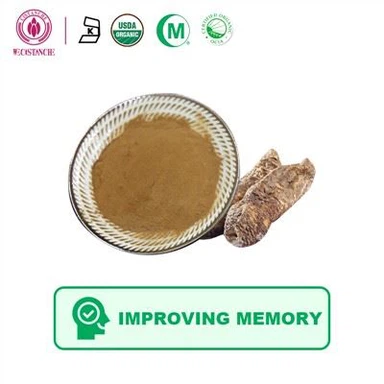
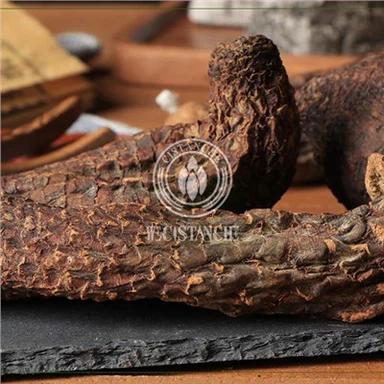
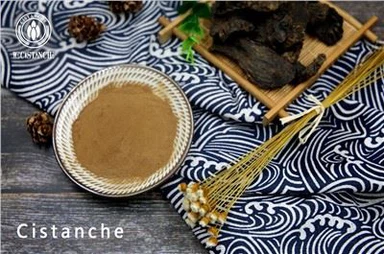
Cistanche is a traditional Chinese herbal medicine used for centuries to treat various health conditions, including kidney disease. It is derived from the dried stems of Cistanche deserticola, a plant native to the deserts of China and Mongolia. The main active components of cistanche are phenylethanoid glycosides, echinacoside, and acteoside, which have been found to have beneficial effects on kidney health.
Kidney disease, also known as renal disease, refers to a condition in which the kidneys are not functioning properly. This can result in a buildup of waste products and toxins in the body, leading to various symptoms and complications. Cistanche may help treat kidney disease ase through several mechanisms.
Firstly, cistanche has been found to have diuretic properties, meaning it can increase urine production and help eliminate waste products from the body. This can help relieve the burden on the kidneys and prevent the buildup of toxins. By promoting diuresis, cistanche may also help Reduce high blood pressure, a common complication of kidney disease.
Moreover, cistanche has been shown to have antioxidant effects. Oxidative stress, caused by an imbalance between the production of free radicals and the body's antioxidant defenses, plays a key role in the progression of kidney disease. ies help neutralize free radicals and reduce Oxidative stress, thereby protecting the kidneys from damage. The phenylethanoid glycosides found in cistanche have been particularly effective in scavenging free radicals and inhibiting lipid peroxidation.
Additionally, cistanche has been found to have anti-inflammatory effects. Inflammation is another key factor in the development and progression of kidney disease. Cistanche's anti-inflammatory properties help reduce the production of pro-inflammatory cytokines and inhibit the activation of inflammation mandatory pathways, thus alleviating inflammation in the kidneys.
Furthermore, cistanche has been shown to have immunomodulatory effects. In kidney disease, the immune system can be dysregulated, leading to excessive inflammation and tissue damage. Cistanche helps regulate the immune response by modulating the production and activity of immune cells, such as T cells and macrophages. This immune regulation helps reduce inflammation and prevent further damage to the kidneys.
Moreover, cistanche has been found to improve renal function by promoting the regeneration of renal tubes with cells. Renal tubular epithelial cells play a crucial role in the filtration and reabsorption of waste products and electrolytes. In kidney disease, these cells can be damaged, leading to damaged renal function. Cistanche's ability to promote the regeneration of these cells helps restore proper renal function and improve overall kidney health.

In addition to these direct effects on the kidneys, cistanche has been found to have beneficial effects on other organs and systems in the body. This holistic approach to health is particularly important in kidney disease, as the condition often affects multiple organs and systems. che has been shown to have protective effects on the liver, heart, and blood vessels, which are commonly affected by kidney disease. By promoting the health of these organs, cistanche helps improve overall kidney function and prevent further complications.
In conclusion, cistanche is a traditional Chinese herbal medicine used for centuries to treat kidney disease. Its active components have diuretic, antioxidant, anti-inflammatory, immunomodulatory, and regenerative effects, which help improve renal function and protect the kidneys from further damage. , cistanche has beneficial effects on other organs and systems, making it a holistic approach to treating kidney disease.