Liver Damage, Systemic Dysfunction! These Signals Indicate Poor Liver Function
Oct 15, 2024
Physical health is the capital of revolution, but in busy lives, people are often too busy with work and eager to socialize, neglecting the feng shui treasure of physical health. In fact, with a little attention and early prevention, health is all around us.

Cistanche male benefits-Maintaining the liver
Liver damage, systemic dysfunction
The liver is the largest digestive gland in the human body and also the center of metabolism. It is estimated that there are over 500 chemical reactions that occur in the liver. When the scar tissue in the liver increases, the normal structure will decrease. At the same time, the liver structure around the scar tissue will become distorted, and compressed, and the overall structure of the liver will change, which will also affect other bodily functions. Specifically reflected in the following aspects:
1. Metabolic function. After food enters the digestive tract, starch and carbohydrates are converted into glucose and absorbed by the intestines. The liver stores a portion of the glucose as glycogen for future use. At the same time, vitamins C, D, E, K, B1, B6, etc. in food are also stored and metabolized in the liver, with 95% of vitamin A in the human body stored in the liver. Iron is an important component of hemoglobin, and the liver stores more iron than the entire blood in the body. The high content of albumin in the body is mainly synthesized in the liver. Therefore, when liver function is long-term or significantly impaired, various aspects of metabolism in the human body will produce abnormalities.
2. Detoxification function. The liver is the main detoxifying organ in the human body. Some metabolic waste or decay products of intestinal bacteria, as well as drugs taken, are processed by the liver to transform toxic substances into non-toxic, less harmful, or easily soluble substances that are excreted from the body. This process is called detoxification.
3. Filtering function. Hormones are synthesized in the endocrine organs to regulate various bodily functions finely. Most hormones undergo chemical changes and are excreted in the liver, such as thyroid hormones, estrogen, aldosterone, and antidiuretic hormone, which are metabolized in the liver. Therefore, hormonal imbalances may occur when liver disease is severe.
4. Immune function. The liver is the largest reticuloendothelial cell phagocytic system, which can engulf, isolate, and eliminate invading and endogenous antigens, and regulate immune function.

Desert living cistanche-Maintaining the liver
5. Coagulation function. The liver is the main site for the synthesis of various coagulation factors and plays an important regulatory role in the dynamic balance of the human body's coagulation and anticoagulation systems. The degree of liver damage is often parallel to the degree of coagulation disorders, and in severe cases, it can lead to bleeding or even death.
6. Bile production and excretion. Liver cells produce bile, which is then transported to the gallbladder for storage. After concentration in the gallbladder, it is excreted to the small intestine to aid in fat digestion and absorption.
In addition, the liver is also involved in regulating human blood volume, generating heat, and regulating water and electrolytes. In the clinic, the common retention of water and sodium in the body, edema, ascites, etc., is caused by the imbalance of sodium, potassium, iron, and other electrolytes regulation after liver damage.
These signals indicate poor liver function.
As the saying goes, 'If the liver is not good, it will collapse before it ages.'. The health of the liver is closely related to human health. Once the liver is not good, other organs in the body will also be affected, and there will be signals from head to toe.
White hair on both temples, hair loss, and dandruff. Traditional Chinese Medicine believes that "hair is not only composed of blood. When there is insufficient liver blood to nourish hair, symptoms such as dry hair, broken hair, and white hair may occur. Excessive liver fire and rising deficiency fire can also lead to excessive dandruff, and no treatment is effective.
Insomnia and frequent dreams. Many people have poor sleep, manifested as poor sleep quality, frequent dreams, and lack of energy when waking up, which is related to the liver. There is a saying in traditional Chinese medicine that "the heart governs the spirit, and the liver governs the soul", and it is believed that the spirit should return to its original position when sleeping. If the spirit is not present in the soul, it is the soul does not guard the spirit ', so sleep will be poor.
There are spots on the face. Irregular and symmetrical yellow-gray-brown spots appear on the forehead, cheekbones, eyelids, around the mouth, upper lip, cheeks, and other areas, which are called liver spots in traditional Chinese medicine. Pregnant women are more common, and their postpartum color will gradually decrease, but those with poor liver and gallbladder metabolism will persist.
The complexion turns blue, yellow, and dull. When a person has too many toxins in their body, the liver's ability to detoxify and purify the blood will decrease, resulting in a pale, yellowish, and dull complexion.
Eye pain, tears, and decreased vision. The meridians of the liver run upwards in both eyes, so vision depends on the release of liver qi and the nourishment of liver blood. If the liver's yin blood is insufficient, the eyes may become dry and even experience symptoms such as decreased vision and blurred vision; In cases of damp heat in the liver meridian, it is easy to experience tearing in the wind, eye swelling, and pain. In addition, individuals with excessive liver fire may exhibit symptoms such as red eyes, excessive eye discharge, and style.
Rough nails. Traditional Chinese Medicine believes that 'the liver governs the tendons'. Nails are a part of the "tendon", so when toxins accumulate in the liver, there will be a clear signal on the nails. If the liver blood is sufficient, the nails will be tough, bright, rosy, and shiny; If there is insufficient liver blood, the nails will be soft, thin, and easily brittle and deformed.
The meridians are not smooth. Only when the liver blood is full can the muscles and veins be nourished, with sufficient muscle strength, strong movement, and flexible joint movements. If there is insufficient liver blood and lack of muscle nourishment, symptoms such as hand and foot tremors, limb numbness, and difficulty in flexion and extension may often occur.
Menstrual disorders. The liver is responsible for storing blood. Insufficient liver blood in women can cause menstrual disorders, such as prolonged or delayed periods, and reduced menstrual flow. The liver does not store blood, which can promote the descent of menstrual blood and cause premature menstruation.
Decreased sexual function. Male liver blood deficiency can also affect sexual function, such as decreased sexual function, impotence, premature ejaculation, etc.
Irritable. The strong nature of the liver is mainly reflected in the liver qi. If the liver qi is too strong, it can lead to impatience and irritability; If there is insufficient liver blood, it cannot restrict liver yang, and even a slight stimulation can easily lead to anger.
These behaviors are very harmful to the liver.
Overeating, lack of sleep, excessive alcohol consumption, drug abuse, viral hepatitis, etc. are the "killers" of the liver, which can cause liver function damage over time. Some patients may also develop cirrhosis and even liver cancer. The best way to love and protect the liver is to develop good lifestyle habits, such as smoking and drinking less, staying up late less, exercising more, and regularly going to the hospital for liver examinations to detect and treat early.

superman herbs cistanche
Stay away from four types of food, it can harm the liver!
High-fat foods. The liver is the hub of fat transport. After digestion and absorption, a portion of the fat enters the liver and is then converted into body fat for storage. When hungry, stored body fat is first transported to the liver and then broken down. Eating too much high-fat and greasy food can easily lead to disrupted fat metabolism, causing fat to accumulate in the liver and form fatty liver. In addition to eating less pork belly, fat cattle, fat sheep, and other foods, when dining out, try not to order dishes that are fried, pan-fried, crispy, dry-boiled, or boiled. Instead, choose dishes that are steamed, boiled, stewed, or cold-mixed. Processed meat products such as sausages, cured meats, bacon, etc. also have a high-fat content, so try to eat them in moderation.
Moldy food. Research has shown that moldy food is often contaminated with mold, producing carcinogenic mycotoxins (such as aflatoxin) that cause the greatest damage to the liver and are highly likely to induce liver cancer. In the eyes of many people, with the improvement of economic conditions, moldy food is far away from us. In fact, in the rainy season of Jiangnan and the humid South China, many grains may become moldy within two to three days if stored improperly. The foods most susceptible to mold contamination are peanuts, corn, rice, sorghum, and peanut oil. Some frugal people remove moldy parts of bread, fruits, and other foods, and continue to eat the rest. This practice is not advisable because the cell toxins produced by mold can spread in the food, and it is difficult to estimate the extent of the spread with the naked eye alone.
Alcohol. After entering the human body, only 10% of alcohol is excreted from the gastrointestinal tract, and 90% is metabolized in the liver. The main component of alcohol is ethanol, which enters liver cells and is oxidized to acetaldehyde. Ethanol and acetaldehyde both have the toxicity of directly stimulating and damaging liver cells, which can cause hepatic steatosis and even necrosis. Therefore, long-term heavy drinking can lead to alcoholic liver disease. In China, alcohol has become the second leading cause of liver damage after the hepatitis virus. If alcohol and hepatitis virus coexist, the two factors will synergistically accelerate the occurrence and progression of liver damage.
Half-cooked food. Research has found that drunken shrimp, oysters, and undercooked shellfish often carry bacteria and parasites such as liver flukes, which can easily cause acute gastroenteritis and dysentery, potentially leading to worsening liver disease and even inducing liver coma. Parasites in food are difficult to identify with the naked eye, and the simplest way is to cook the food thoroughly before consuming it.

Benefits of cistanche tubulosa-Maintaining the liver
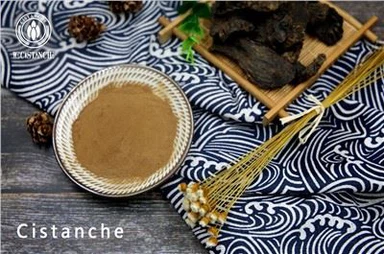
Cistanche deserticola is a traditional Chinese medicinal herb believed to have a protective effect on the liver. It contains various active ingredients, such as echinacoside and total glycosides of Cistanche deserticola, which can help renew liver cells, protect liver cells, and detoxify liver cells. Cistanche deserticola also has the effects of tonifying kidney and nourishing essence, moistening intestines, and promoting bowel movements, which may be beneficial for people with poor liver and kidney function. In addition, Cistanche deserticola can promote the synthesis of liver glycogen, help eliminate fatigue, and enhance physical strength. For hypertensive patients, Cistanche deserticola may also help repair the liver damaged by long-term use of blood pressure medication.
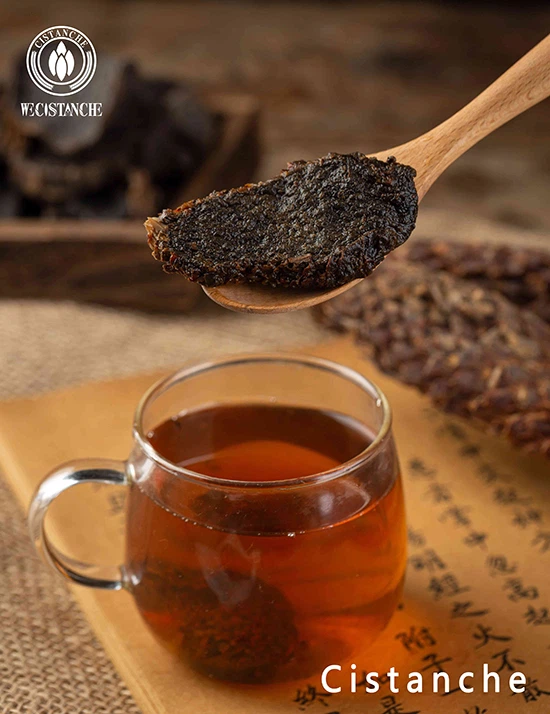
Cistanche tea
Click here to view Cistanche deserticola liver protection products
【Ask for more】 Email:cindy.xue@wecistanche.com / Whats App: 0086 18599088692 / Wechat: 18599088692
However, Cistanche deserticola is not suitable for all populations. It should be avoided for those with yin deficiency and excessive fire, as well as those with loose stools and diarrhea. It should also be avoided for those with hot constipation and women during menstruation. It is best to consult a doctor or traditional Chinese medicine practitioner for advice before using any supplements or medications.