Mechanisms Of Cistanche Tubulosa Extract in Improving Cognitive Function: From Animal Experiments To Human Clinical Trials
Nov 20, 2026
Mechanisms of Cistanche tubulosa Extract in Improving Cognitive Function: From Animal Experiments to Human Clinical TrialsAbstract
Cistanche tubulosa (Schrenk) Wight, traditionally known as the "ginseng of the deserts," has long been used in Chinese medicine for tonifying the kidney and enriching essence. Modern pharmacology identifies its phenylethanoid glycosides (PhGs)-principally echinacoside (ECH) and acteoside/verbascoside (ACT)-as the signature neuroprotective constituents. This review systematically examines the evidence chain from in vitro and animal studies to human clinical trials regarding the cognitive-enhancing effects of Cistanche tubulosa extract (CTE) and its total glycosides (GCT). In animal models, CTE/GCT improve learning and memory through multi-target mechanisms including antioxidant defense (Nrf2/HO-1), suppression of neuroinflammation (TLR4/NF-κB, NLRP3 inflammasome), microglial phenotype shift (M1→M2), promotion of Aβ clearance and inhibition of Tau hyperphosphorylation, activation of PI3K/AKT and PI3K/Akt/mTOR-HIF-1α survival pathways, and remodeling of the gut microbiota–fatty acid metabolism–neuroinflammation axis. In humans, Cistanche tubulosa glycoside capsules (Memoregain®) and CTE combined with Ginkgo biloba extract (CG) have demonstrated cognitive benefits with favorable safety profiles in mild cognitive impairment, Alzheimer's disease, and middle-aged/elderly populations. Limitations such as low oral bioavailability and the lack of large-scale confirmatory trials are discussed, alongside future research directions.
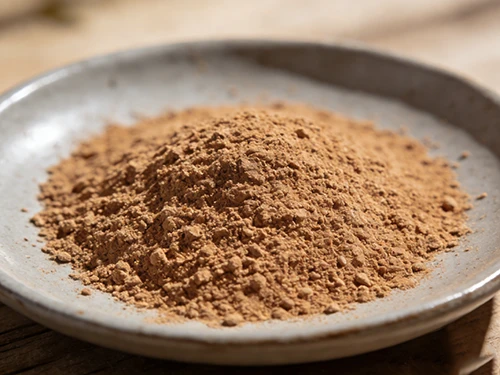
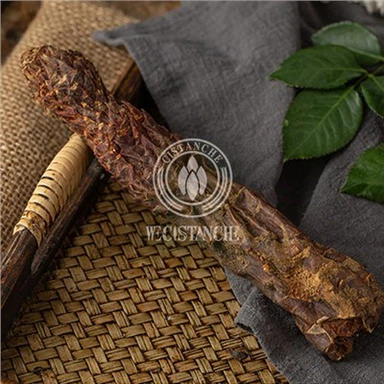
Cistanche tubulosa extract
Keywords
Cistanche tubulosa; phenylethanoid glycosides; echinacoside; acteoside; cognitive function; Alzheimer's disease; gut-brain axis; animal study; clinical trial
1. Introduction
Population aging has made cognitive impairment a major global health burden. Alzheimer's disease (AD), the most common cause of dementia, is pathologically characterized by abnormal β-amyloid (Aβ) deposition, neurofibrillary tangles composed of hyperphosphorylated Tau, chronic neuroinflammation, and synaptic loss. Current symptomatic treatments-acetylcholinesterase inhibitors and memantine-offer only transient relief and cannot halt disease progression. There is therefore an urgent need for multi-target, low-toxicity neuroprotective candidates.
Cistanche, first recorded in Shennong Ben Cao Jing (The Divine Farmer's Materia Medica) as a superior-grade herb, was officially included in China's medicine-food homology catalog in 2023. Comparative studies indicate that C. tubulosa is superior in "tonifying the kidney," with a higher phenylethanoid glycoside content, making it the principal material for neuroprotection research. The team of Tu Pengfei and Zeng Kewu at Peking University identified the direct target of echinacoside as the catalytic subunit of protein kinase CK2α′: ECH specifically modifies lysine 171 of CK2α′, inducing a conformational change that activates the Wnt signaling pathway and promotes mitochondrial fusion independent of CK2's classical kinase activity-providing a modern molecular basis for the traditional effect of "tonifying the kidney and replenishing the marrow."

cistanche-prevents Alzheimer's disease
2. Active Constituents and Quality Control
2.1 Principal constituents
The signature bioactive components of C. tubulosa are phenylethanoid glycosides (PhGs). Echinacoside (ECH) and acteoside/verbascoside (ACT) are the predominant, best-studied representatives, accompanied by tubuloside B, isoacteoside, 2′-acetylechinacoside, Cistanche polysaccharides, and iridoids.
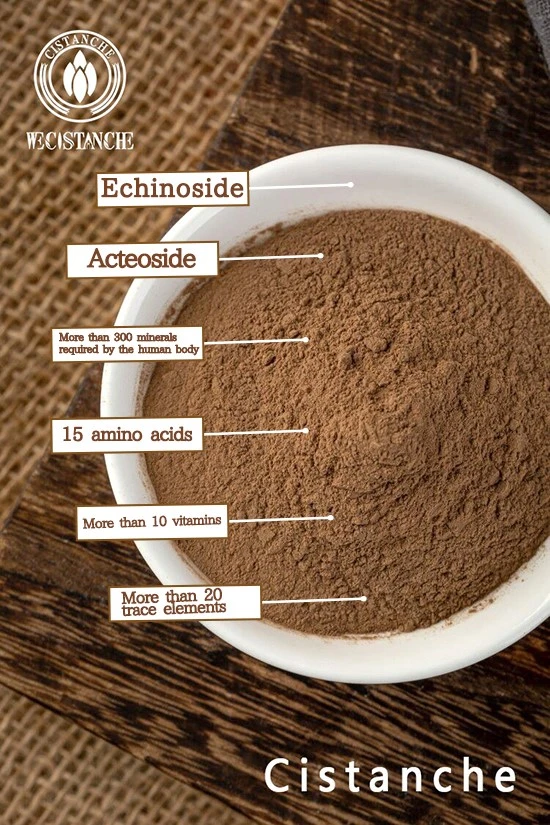
Main Chemical Constituents of Cistanche tubulosa
2.2 Content determination and preparations
In the 2026 high-altitude hypoxia rat study, HPLC quantification of the ethanol extract (CTE) yielded echinacoside at 236 ± 2.78 mg/g and acteoside at 12.7 ± 0.57 mg/g, in compliance with the Chinese Pharmacopoeia. The total glycoside capsule (CRZG) is derived from C. tubulosa and is clinically used for mild-to-moderate vascular dementia due to marrow-sea insufficiency. The Cistanche tubulosa glycoside capsule (CTG capsule, Memoregain®; 300 mg total glycosides per capsule) was the first PhG-containing botanical prescription drug for dementia approved in mainland China. Echinacoside and its tablet formulation for vascular dementia have completed Phase I clinical trials.
3. Animal Experimental Evidence
3.1 APP/PS1 transgenic AD models
(1) Combined PhGs. The 2023 Neuromolecular Medicine study treated APP/PS1 mice with total PhGs, ECH, and ACT. All three enhanced learning
and memory and attenuated brain pathology: expression of M1 microglial markers (CD11b, iNOS, IL-1β) decreased, whereas M2 markers (Arg-1, TGF-β1) increased, indicating a shift from a pro-inflammatory to an anti-inflammatory phenotype. PhGs also downregulated TLR4/NF-κB signaling proteins and upregulated synaptic proteins.
Cistanche prevents Alzheimer's disease
(2) Echinacoside alone. In the 2022 Molecular Neurobiology study, APP/PS1 mice received ECH (50 mg/kg/day, i.p.) for 3 months. Morris water maze and nest-building tests demonstrated restored spatial learning and memory. Mechanistically, ECH activated PI3K/AKT/Nrf2/PPARγ, reduced BACE1 expression and Aβ1-42 deposition, attenuated ROS formation, and suppressed the TXNIP/Trx-1–NLRP3 inflammasome axis with reduced IL-1β and TNF-α release.
(3) Acteoside alone. The 2024 Phytotherapy Research study showed that ACT ameliorated anxiety-like behavior and spatial memory impairment in APP/PS1 mice (open field, Y-maze, novel object recognition), lowered Aβ40/Aβ42 in serum, cortex, and hippocampus, promoted Aβ degradation, and inhibited Tau hyperphosphorylation partly via suppression of GSK3β.

Phenylethanol glycoside is the main active component of Cistanche tubulosa
3.2 5×FAD model and neuroinflammation
A 2025 study reported that CRZG improved cognitive deficits in 5×FAD mice by modulating the NF-κB/NLRP3 pathway, reducing aberrant microglial activation, and inhibiting central neuroinflammation. Prior work similarly showed that Cistanche constituents reduce Aβ deposition, alleviate cognitive impairment in APP/PS1 mice, and suppress Caspase-1–dependent neuroinflammation.
3.3 Chronic high-altitude hypobaric hypoxia (HH) rat model
Published in Nutrients in 2026, this study randomized 60 male SD rats into six groups (n=10/group): normoxic control, untreated HH model, Rhodiola rosea positive control, and low-/medium-/high-dose CTE. Chronic HH was induced in a hypobaric chamber. In the Morris water maze, CTE reversed deficits in a non-monotonic dose-dependent manner, with the medium dose most effective (escape latency reduced by approximately 61.53%, center activity time increased by 101.52%, platform crossings increased by 300.00%). Mechanistically: (i) hippocampal and serum SOD and GSH-Px activities recovered while MDA fell; (ii) over-accumulated HIF-1α was reduced and PI3K/Akt/mTOR phosphorylation restored; (iii) CA1 neuronal disarray, edema, and hemorrhage on HE staining were attenuated; and (iv) 16S rRNA sequencing revealed a gut microbiota shift toward beneficial taxa (Lactobacillales, Muribaculaceae, Oscillospiraceae), plausibly acting via the gut-brain axis. Efficacy was comparable to or better than that of the R. rosea positive control.
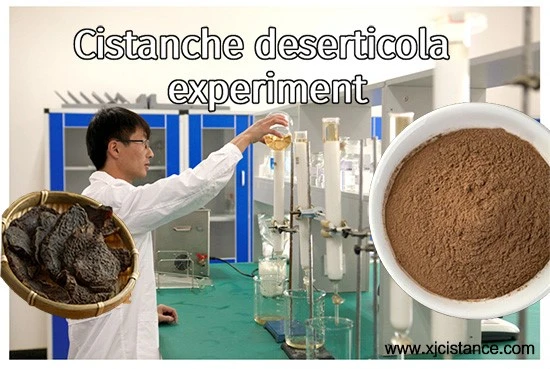
Cistanche tubulosa experiment
3.4 Multi-omics: the gut microbiota–fatty acid metabolism axis
The 2025 Frontiers in Pharmacology study treated 6-month-old APP/PS1 mice with GCT at three doses or donepezil for 60 days. Multi-omics revealed that GCT rapidly enriched Akkermansia (e.g., A. muciniphila; in vitro growth-curve assays confirmed direct promotion of its proliferation) and suppressed Firmicutes from day 7 onward. This was accompanied by increased neuroprotective short-chain fatty acids (e.g., β-hydroxybutyrate) and decreased pro-inflammatory long-chain fatty acids in serum and brain. Hippocampal IL-6 fell by 52% and TNF-α by 48%; Aβ1-42 decreased by approximately 35%, cortical plaques by about 61%, and p-Tau-positive cells by roughly 54%. These findings establish a novel "gut microbiota–fatty acid metabolism–neuroinflammation" axis as a primary anti-AD mechanism, offering a new explanation for how low-bioavailability phytochemicals exert systemic benefits via the gut-brain axis.
3.5 Additional in vivo and in vitro evidence
In aging (D-galactose-induced), vascular dementia, and cerebral ischemia-reperfusion models, Cistanche total glycosides and PhGs consistently show antioxidant, anti-apoptotic, NGF/BDNF-promoting, hippocampal synaptic-protective, and cerebral blood flow-improving effects. At the cellular level, PhGs protect SH-SY5Y cells against Aβ25-35, glutamate, and MPP⁺-induced toxicity by preventing cytochrome c release, maintaining mitochondrial membrane potential, and inhibiting caspase-3 activation.
4. Human Clinical Evidence
4.1 Open-label study of Memoregain® in moderate AD
Published in 2013, this open-label, non-placebo-controlled trial (Huashan Hospital, Fudan University) enrolled 18 AD patients (50–80 years; MMSE 10–18) who received Memoregain® (300 mg/capsule, 2 capsules three times daily) for 48 weeks. Efficacy was assessed using ADAS-cog, MMSE, ADL, the Blessed Behavioral Scale, and CGI. MMSE changed from 14.78 ± 2.51 at baseline to 14.06 ± 4.26 at completion. ADAS-cog improved, deteriorated, and was unchanged in 10, 7, and 1 patients, respectively. ADL and CGI showed no significant change from baseline; all adverse reactions were mild. The authors concluded that cognitive function, daily living ability, and overall condition remained stable without obvious aggravation, suggesting Memoregain® as a potential option for mild-to-moderate AD, while larger trials are required. The study was limited by its small sample, single-center, non-randomized, unblinded, and placebo-free design.
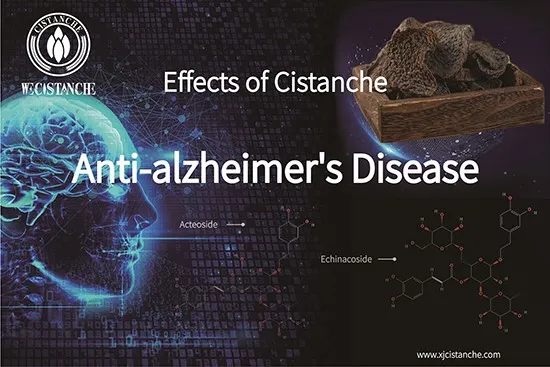
cistanche-prevent Alzheimers disease
Click here to view Cistanche Improving Memory Preventing Alzheimer's Disease products
【Ask for more】 Email:cindy.xue@wecistanche.com / WhatsApp: 0086 18599088692 / WeChat: 18599088692
4.2 Randomized double-blind CG combination trials
(1) 90-day trial in middle-aged and elderly people. This randomized, double-blind, placebo-controlled trial enrolled 100 Chinese participants who received two tablets daily for 90 days, each tablet pair containing 72 mg echinacoside and 27 mg flavonol glycosides. At baseline, day 45, and day 90, cognitive scales and blood biomarkers were measured. The CG group improved significantly more than placebo on MMSE (26.5 → 27.1, p<0.001), MoCA (23.4 → 25.3, p<0.001), and WHO Quality of Life (81.6 → 84.2, p<0.001). Cognitrax and the Wechsler Memory Scale–Revised showed enhanced long-term and delayed memory. Total Tau, pT181, pS199, pT231, pS396, and TSH decreased, whereas T3 and free T3 increased. No treatment-related adverse events were reported, and routine blood and urine tests remained stable.
(2) 30-day fMRI trial in healthy adults. A randomized double-blind placebo-controlled trial of 117 healthy adults (30–65 years) assessed clinical memory scales and MRI before and after 30 days of CG or placebo. Directional memory, associative learning, free recall, portrait memory, total memory, and Memory Quotient all improved (p<0.01). fMRI revealed increased activity in the cerebellar culmen, positively correlating with improvements in directional memory (p=0.031) and total memory (p=0.007), suggesting that CG enhances memory via cortico-cerebellar network reorganization. The trial was registered at ChiCTR2400084102.
4.3 Other human evidence
A 2026 double-blind randomized placebo-controlled study enrolled 85 healthy volunteers (MMSE ≥ 24), randomized to 600 mg CTE, 300 mg CTE, or placebo once daily for 6 weeks. Clinical memory scales plus BDNF and AChE measurements showed statistically significant changes in both treatment groups versus baseline and placebo, with significantly improved summary memory scores (p<0.01). Complementary tau-GFP and 3×Tg-AD zebrafish assays confirmed anti-tauopathy, anti-secretase, and neuroprotective properties. Another study in postoperative degenerative cervical myelopathy patients reported that 2400 mg/day of extract (containing 149 mg ACT and 667 mg ECH) for 24 weeks improved pain and numbness without serious adverse events. Safety data indicate an acute LD50 > 26,400 mg/kg in mice, no chronic toxicity or genotoxicity in rats after 180 days at 1650 mg/kg, and generally favorable long-term (48-week) tolerability in humans.
5. Integrated Mechanisms and Discussion
The cognitive benefits of C. tubulosa extract arise from a coordinated "multi-component–multi-target–multi-pathway" network (Table 1). The antioxidant and anti-inflammatory axes form the foundational protection (via Nrf2/HO-1 and suppression of TLR4/NF-κB and NLRP3/Caspase-1); glial homeostasis is modulated by shifting microglia toward an M2 phenotype; AD core pathology is targeted through Aβ clearance, BACE1 inhibition, and GSK3β-mediated Tau dephosphorylation; pro-survival and synaptic plasticity are supported by PI3K/AKT, Wnt, and BDNF/cAMP-PKA-CREB pathways; and the gut-brain axis is remodeled by enriching beneficial bacteria and reshaping short-chain and long-chain fatty acid metabolism. A target-validation study further identified CK2α′ as the direct binding target of echinacoside, linking mitochondrial protection and Wnt activation at the molecular level.
cistanche-Improve memory
Three translational bottlenecks remain. First, oral bioavailability of PhGs is low (echinacoside bioavailability ~0.05), and extensive gut microbial biotransformation produces metabolites resembling monoamine neurotransmitters, implying that brain entry of the parent compounds is not the sole mode of action. Human metabolic pathways therefore require systematic clarification. Second, human evidence, though consistently positive, is dominated by small-sample, short-duration studies with partial placebo control, leaving a gap in large, multicenter, long-term confirmatory trials-particularly Phase III trials in diagnosed AD. Third, unified quality-control standards and formulation technologies are needed; microencapsulation and nanocarrier strategies may improve stability and absorption. Future research should (1) map PhG metabolism–efficacy relationships in humans, (2) conduct head-to-head randomized trials against cholinesterase inhibitors, (3) explore combination regimens, and (4) harmonize compositional quality control with biomarker evaluation frameworks.
6. Conclusion
Cistanche tubulosa extract and its total glycosides improve cognition in diverse animal models of impairment through antioxidant, anti-inflammatory, glial-regulatory, Aβ/Tau-modulating, pro-survival, and gut-brain-axis remodeling mechanisms. Preliminary human clinical evidence supports cognitive gains and favorable safety in mild cognitive impairment, AD, and middle-aged/elderly populations. The case for its use as a functional food or dietary supplement is relatively well supported; its development as a therapeutic drug still lacks large-sample multicenter clinical confirmation. Overall, C. tubulosa provides a robust modern pharmacological basis for the traditional concept of "tonifying the kidney, replenishing the marrow, delaying aging, and safeguarding memory," and holds substantial translational value.
Benefits of Cistanche tubulosa- Treatment of Parkinson's disease
Table 1. Summary of representative animal and human studies
|
Study type / Model |
Intervention |
Key findings |
Proposed mechanism |
|
APP/PS1 mice (2022) |
ECH 50 mg/kg/day × 3 mo |
Improved MWM & nesting; ↓ Aβ1-42 |
PI3K/AKT/Nrf2/PPARγ; TXNIP/Trx-1–NLRP3 |
|
APP/PS1 mice (2023) |
PhGs / ECH / ACT |
M1→M2 shift; ↓ TLR4/NF-κB |
Glial phenotype; synaptic proteins |
|
APP/PS1 mice (2024) |
ACT |
↓ Aβ40/42; ↓ Tau-P |
GSK3β inhibition; Aβ degradation |
|
5×FAD mice (2025) |
CRZG |
Improved cognition |
NF-κB/NLRP3; microglia |
|
APP/PS1 mice (2025) |
GCT × 60 d |
↓ Aβ, IL-6, TNF-α; ↑ SCFA |
Gut microbiota–fatty acid axis |
|
HH rats (2026) |
CTE (low/mid/high) |
MWM recovery; ↑ SOD/GSH-Px |
PI3K/Akt/mTOR-HIF-1α; gut microbiota |
|
AD patients (2013) |
Memoregain® × 48 wk |
Stable cognition; mild AEs |
Anti-apoptosis; neuroprotection |
|
Healthy/middle-aged (2024) |
CG × 90 d |
↑ MMSE/MoCA; ↓ total Tau/p-Tau |
Cognitive & memory scales; biomarkers |
|
Healthy adults (2024) |
CG × 30 d |
↑ memory domains; cerebellar fMRI changes |
Cortico-cerebellar reorganization |
|
Healthy volunteers (2026) |
CTE 300/600 mg × 6 wk |
↑ memory score; ↑ BDNF, ↓ AChE |
Neurotrophic; anti-secretase (zebrafish) |
References (selected)
[1] Wang H, Zeng Q, Jing W, et al. Cistanche tubulosa (Schrenk) Wight Extract Ameliorates Learning and Spatial Memory Abilities in High-Altitude Hypobaric Hypoxia Rats. Nutrients. 2026;18(16):2744.
[2] Hou R, Song W, Nan Y, et al. Cistanche tubulosa glycosides ameliorate cognitive decline in APP/PS1 mice via modulation of gut microbiota and fatty acid metabolism. Front Pharmacol. 2025.
[3] Gao L, Wang D, Ren J, et al. Acteoside ameliorates learning and memory impairment in APP/PS1 transgenic mice by increasing Aβ degradation and inhibiting tau hyperphosphorylation. Phytother Res. 2024.
[4] Guo Q, Zhou Y, Wang CJ, et al. An open-label, non-placebo-controlled study on Cistanche tubulosa glycoside capsules (Memoregain®) for treating moderate Alzheimer's Disease. Am J Alzheimers Dis Other Demen. 2013;28(4):363-370.
[5] Chen L, Liu X, Zheng J, et al. A randomized, double-blind, placebo-controlled study of Cistanche tubulosa and Ginkgo biloba extracts for the improvement of cognitive function in middle-aged and elderly people. Phytother Res. 2024; doi:10.1002/ptr.8275.
[6] Chou CT, Wang CJ, Wu BK, et al. A Comprehensive Approach to Preventing Tauopathy and Enhancing Learning and Memory through Neurotrophic Factor Induction with Cistanche tubulosa Extract. Open Access Library Journal. 2026;13.
[7] Tu P, Zeng K. Small molecule induces mitochondrial fusion for neuroprotection via targeting CK2 without affecting its conventional kinase activity. Signal Transduct Target Ther. (Peking University reports).
[8] Therapeutic Potential of Phenylethanoid Glycosides: A Systematic Review. LJMU Research Online; 2025.