Misregulation Of Wnt Signaling Pathways At The Plasma Membrane in Brain And Metabolic Diseases Part 1
Jul 29, 2024
Abstract:
Wnt signaling pathways constitute a group of signal transduction pathways that direct many physiological processes, such as development, growth, and differentiation.
Growth and memory are inseparable. As we grow, we go through a lot of learning and memorizing. As our bodies grow, our brains also continue to develop and expand, further affecting our cognitive and memory abilities.
During childhood, the body and brain grow rapidly, which is why childhood is the golden age for learning and memory. The learning and experiences during this period will have a profound impact on the future. According to research, people in this period can better master languages, learn new skills and arts, and retain memories longer.
As we age, the ability to remember things gradually decreases. However, we can take steps to improve our memory, such as exercise, good sleep and eating habits, brain training games, etc. These measures can also improve our intelligence, enhance brain function, and help us better remember information.
Positive attitudes and thinking patterns also have a positive impact on memory. People who are optimistic and confident can better reduce anxiety and stress, thereby improving memory. On the contrary, negative emotions affect the function of the brain and reduce memory.
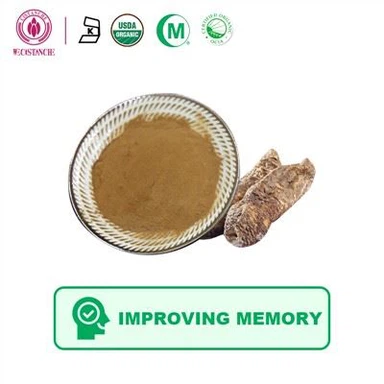
In short, growth and memory are closely related. Our growth and experiences have a huge impact on our future memory and cognitive abilities. We can take a series of measures to improve our memory and intelligence, and it is also crucial to maintain a positive attitude. It can be seen that we need to improve our memory, and Cistanche can significantly improve memory because Cistanche is a traditional Chinese medicinal material with many unique effects, one of which is to improve memory. The effect of Cistanche comes from the various active ingredients it contains, including tannic acid, polysaccharides, flavonoid glycosides, etc. These ingredients can promote brain health in many ways.

Click Know Ways to Improve Memory
Dysregulation of these pathways is thus associated with many pathological processes, including neurodegenerative diseases, metabolic disorders, and cancer. At the same time, alterations are observed in plasma membrane compositions, lipid organizations, and ordered membrane domains in brain and metabolic diseases that are associated with Wnt signaling pathway activation.
Here, we discuss the relationships between plasma membrane components-specifically ligands, (co) receptors, and extracellular or membrane-associated modulators-to activate Wnt pathways in several brain and metabolic diseases.
Thus, the Wnt–receptor complex can be targeted based on the composition and organization of the plasma membrane, to develop effective targeted therapy drugs.
Keywords: Wnt signaling pathway; plasma membrane; ordered domain; lipid raft; Alzheimer's disease; Parkinson's disease; Schizophrenia; diabetes; obesity; nonalcoholic fatty liver disease; nonalcoholic steatohepatitis.
1. Introduction
Wnt signaling pathways are highly conserved in the animal kingdom, based on their components and functional roles in the regulation of development, tissue homeostasis, and regeneration [1–8].
Thus, it is not surprising that changes in Wnt pathway components and modulators-including loss or gain of function-play a role in many pathologies associated with growth, development, and cancer.
Although major pathway components have been characterized in detail, misregulation of Wnt signaling within the context of human diseases is extremely complex and remains only partially understood. Understanding of this underlying complexity will enable the identification of novel therapeutic targets for many diseases associated with the Wnt pathway [9–11].
The plasma membrane plays a fundamental role in the regulation of cell signaling. Regulation occurs through the surface receptors, modulators, and associated lipids that actively control the transmission of molecular signals from the outside to the inside and activate downstream signaling events.
The plasma membrane consists of nanodomains-the so-called ordered membrane domains or lipid rafts that are defined as dynamic assemblies of various saturated lipids, sterols, glycosphingolipids, and glycosyl-phosphatidylinositol (GPI)-anchored proteins [12–14].
These domains influence membrane fluidity and receptor trafficking, thereby playing a key role in the functioning of receptors, protein sorting, and regulation of receptor-mediated signaling [15–18].

These nanodomains have been revealed to be altered in various diseases, including cancer, neurological and neurodegenerative diseases, and metabolic diseases [19–21].
Changes in the composition and organization of membrane proteins and lipids also play an important role in Wnt pathway activation and, thus, in the pathology of pathway-associated diseases [22,23].
Since the membrane proteins account for over 60% of the targets of all FDA-approved small-molecule drugs, it is critical to characterize Wnt pathway components that act across the plasma membrane as potential therapeutic targets [9,22,24,25].
Here, we review the abnormal regulation of the Wnt signaling pathway in brain and metabolic disorders.
In particular, we address how plasma membrane components of Wnt pathways and membrane domain organization are affected in Alzheimer's disease (AD), Parkinson's disease (PD), Schizophrenia (SZ), diabetes, obesity, nonalcoholic fatty liver disease (NAFLD), and nonalcoholic steatohepatitis (NASH).
2. Wnt Signaling Pathways
Wnt signaling is an evolutionarily conserved signaling pathway that controls a wide range of biological responses, including proliferation, differentiation, preservation of the stem cell pool, control of lineage-specific tissue differentiation during embryogenesis, and maintenance of adult tissue homeostasis [3–5].
The Wnt pathway is divided into two main groups-i.e., β-catenin-dependent (canonical) and β-catenin-independent (non-canonical)- which can be further divided into the planar cell polarity (PCP) and the Wnt/Ca2+ pathways (Figure 1).
The canonical Wnt cascade is inactive in the absence of Wnt ligands, and this leads to phosphorylation of β-catenin by a cytoplasmic multiprotein complex that contains the kinases glycogen synthase kinase 3β (Gsk3β) and casein kinase 1a (Ck1a), the scaffold protein Axin, and adenomatous polyposis coli (Apc) [26,27].
This phosphorylation targets cytoplasmic β-catenin for degradation by the ubiquitin-proteasome system. Canonical Wnt signaling is activated by binding of Wnt ligands to the membrane receptor Frizzled (Fzd) and the co-receptor low-density lipoprotein-receptor-related protein (Lrp) 5/6.
Formation of the Wnt–receptor complex leads to the recruitment of the core components of the destruction complex to the cell surface, phosphorylation of the cytoplasmic tail of Lrp6 by Gsk3β and Ck1α, and stabilization of β-catenin in the cytoplasm and its nuclear translocation.
In the nucleus, β-catenin interacts with the T-cell factor/lymphoid enhancer factor (Tcf/Lef) family of transcription factors and regulates the expression of target genes [28,29].
The PCP pathway was originally described in the fruit fly Drosophila melanogaster, and controls coordinated, uniformly polarized cellular behavior in a wide variety of cells [30].
In mammals, PCP regulates key developmental processes ranging from neural tube closure to determination of left-right (L–R) asymmetry and demonstrates essential roles in vertebrate development [31].

In the PCP pathway, the non-canonical Wnt ligands interact with the receptor Fzd and co-receptors (receptor tyrosine kinase-like orphan receptor (Ror)/receptor tyrosine kinase-related tyrosine kinase (Ryk)/protein tyrosine kinase 7 (Ptk7)).
These interactions regulate the small GTPase molecules Rho, Rac, and Cdc42, and activate the kinases c-Jun N-terminal kinase (Jnk), the mitogen-activated protein kinase (MAPK) pathways, and Rho/Rho-associated coiled-coil-containing protein kinase (Rock) to control cell polarization and migration [32–34].
In the Wnt/Ca2+ pathway, intracellular Ca2+ is activated by the binding of Wnt to Fzd and coupling between Fzds and G proteins.
This further activates protein kinase C (PKC), calcium/calmodulin-dependent protein kinase type II (CaMKII), and nuclear factor of activated T cells (NFAT), and regulates cell movement, cell fate, and cell migration as well as suppressing the canonical Wnt pathway (Figure 1) [33–35].

Figure 1. Wnt signaling pathway activation. The canonical Wnt signaling pathway: In the Wnt-off state, Gsk3β, and Apc phosphorylate β-catenin and degrade it by ubiquitination.
The canonical Wnt binds to Fzd receptors and Lrp5/6 co-receptors in the Wnt-on state. This interaction recruits Dvl and Axin to the Wnt–receptor complex and causes stabilization of β-catenin in the cytosol.
Next, β-catenin is translocated into the nucleus, where it binds to the Tcf/Lef regions and activates Wnt target genes. Non-canonical Wnt signaling pathways: In the calcium pathway, binding of non-canonical Wnt ligands to Ror-Ryk-Fzd recruits Dvl which, in turn, binds to small GTPase to activate phospholipase C (PLC) further.
In the PCP pathway, non-canonical Wnt ligands bind to the Ror/Ryk-Fzd receptor complex, recruiting Dvl to the plasma membrane and activating Rac and Daam1. Next, target genes are transcriptionally activated through JNK and MAPK. Created with BioRender.com.
Wnt pathways are fine-tuned by several positive and negative regulators that can affect the ligand-receptor complex interactions at the plasma membrane, cytoplasmic events, or nuclear control of transcription [22,36–43].
The plasma membrane plays key roles in the protection of the cell from its surroundings, providing a stable environment inside the cell, management of molecular transport, and cell-cell communication.
Embodying numerous receptors and lipids that take part in cell signaling, the plasma membrane is critical for the reception of signals and their transmission through a series of molecular switches to internal signaling pathways.
The activity of the canonical Wnt signaling pathway is also dependent on the membrane components that tightly regulate the interaction of ligands with their (co)receptors in the specialized membrane nanodomains, i.e., the ordered membrane domains or lipid rafts (Figure 2).
The ordered domains are necessary not only for the proper interaction of the canonical Wnt ligand with its (co)receptors, phosphorylation of Lrp6, endocytosis of receptor complexes, and downstream canonical signaling activity but also for the regulation of non-canonical Wnt signaling activity [15,42,44,45].
The roles of the ordered membrane domains in the activation of Wnt pathways have been reviewed in detail previously [22]. Here, we focus on the involvement of Wnt–receptor complex components and ordered membrane domains or lipid rafts in certain brain disorders and metabolic diseases.

For more information:1950477648nn@gmail.com