New Promising Therapeutic Avenues Of Curcumin in Brain DiseasesⅡ
Apr 27, 2023
3. Therapeutic Effects of Curcumin in PD
PD is the second most common neurodegenerative disease after AD. An estimated 10 million people are suffering from PD worldwide in 2020 (https://www.epda.eu.com/, accessed on 27 October 2021) [72]. PD predominantly affects dopamine-producing neurons in the substantia nigra of the midbrain leading to severe motor and cognitive dysfunction. In idiopathic PD, the pathophysiological mechanisms include the production of α-synuclein and mitochondrial respiratory dysfunction-affecting complex I, caused by ROS [73]. It is also characterized by the accumulation of protein aggregates, consisting mainly of α-synuclein, due to the failure of protein degradation mechanisms such as the lysosomal system [74,75].

Click to organic cistanche for Alzheimer's disease and Parkinson's disease
Most of the existing treatment modalities are only symptomatic. This includes a dopamine supplement that temporarily controls the motor dysfunction caused by the degeneration of the dopaminergic nigrostriatal system. Deep brain stimulation (DBS) is used in drug-resistant PD. To prevent oxidative stress and reduce disease progression, the use of natural antioxidants remains a potential alternative therapy. Given the neuroprotective, anti-neuroinflammatory, and anti-oxidant effects against stress-induced neurodegeneration of curcumin, here we discuss the recent findings related to the beneficial effects of curcumin in reducing PD progression and prevention [12].
Although the pathogenesis of PD is still widely unclear, several mechanisms have been proposed and various evidence supports the important role of mitochondrial dysfunction in PD pathogenesis [76]. A recent study reports the protective effects of curcumin against mitochondrial dysfunction and cell death in a siRNA-mediated PINK1 knock-down model of PD [77]. Another study describes the effects of curcumin on mitochondrial dysfunction in a paraquat-induced toxicity model of PD, in fibroblasts derived from LRRK2-mutation-positive PD and health control.
Pre-treating this cell model with curcumin before paraquat treatment, improved maximal respiration and ATP-associated respiration without affecting the respiratory capacity. After the paraquat treatment, the post-treatment of fibroblasts with curcumin did not improve mitochondrial respiration across the three parameters (maximal respiration, ATP-associated respiration, and spare respiratory capacity), thus suggesting the preventive effect of curcumin before the onset of PD [78]. A recent study by Motawi et al. [79] investigating the effects of curcumin and dietary supplements on the rotenone mouse model of PD showed an overall statistically significant improvement.
Indeed, the administration of curcumin in rotenone-treated mice improved α-synuclein levels and reduced Lewy bodies. The behavior of animals was also improved and the levels of inflammatory mediators were significantly reduced in curcumin-treated mice when compared to the control group. These include IL-6, CRP, and Ang II, previously shown with pro-inflammatory and pro-fibrotic effects that contribute to the progressive deterioration of organ function in PD [80]. When evaluating the PD markers, a significant decrease in the adenosine A2AR gene expression level was found in the mouse treated with curcumin compared to the rotenone group. Another promising improvement in dopamine and serotonin levels was noted in curcumin-treated mouse models of PD.
In addition, treatment with curcumin leads to reduced oxidative stress in PD mouse models [79]. Other supportive evidence shows similar results in rats’ models of PD with higher responses of rats to curcumin treatments regarding the oxidative stress and energetic indices. Therefore, curcumin attenuated the severe effects of PD in the rat model and can be viewed as a potential dietary supplement [81]. Evidence from the literature has shown that the impairment of the autophagy-lysosome pathway (ALP) plays a crucial role in the pathogenesis of PD. A recent study focused on the effect of curcumin on the alpha-synuclein (αS) oligomer through a molecular dynamics simulation method showed that curcumin reduced the structural stability of the α S-oligomer by perturbing its general properties.
Furthermore, the aggregation of α-synuclein oligomers was prevented and the formation of fibril formation was inhibited by curcumin [82]. Because of the ability of curcumin in reducing misfolded α-synuclein by promoting autophagy, recent studies have investigated its effects on autophagy regulation. Thus, the treatment of the cellular model for PD has shown an increased expression of microtubule-associated protein 1 light chain 3 (LC3-II), nuclear plasma protein determination of nuclear transcription factor EB (TFEB), and autophagy-related protein lysosome membrane protein 2 (ALAMP2A).
This results in promoting autophagy-lysosome synthesis and autophagic clearance of α-synuclein [83,84]. TFEB has been identified as one of the critical key regulators of autophagy and lysosome biogenesis [85,86]. This has reinforced the hypothesis that TFEB can be considered a new therapeutic target of PD. Curcumin derivative, called E4 (curcumin analog), was able to activate and promote the translocation of TFEB from the cytoplasm into the nucleus.
This translocation is accompanied by the stimulation of autophagy and lysosomal biogenesis. Mechanistically, compound E4 activated TFEB via the inhibition of the AKT-MTORC1 pathway. Additionally, in the PD cell models, E4 has been shown to reduce α-synuclein levels and protect against the cytotoxicity of MPP+ (1-methyl-4-phenyl pyridinium ion) in neural cells. These promising data showing the in vitro protective effects of E4 however still require further in vivo experimental tests since brain bioavailability of E4 is still not known. The neuroprotective efficacy of E4 needs to be further explored in PD animal models [87].

In addition, in vivo intraperitoneal injection of curcumin promoted LC3-II protein expression and inhibited P62 expression in favor of autophagy. Curcumin inhibited αsynuclein expression and the apoptosis of dopamine neurons in the MPTP-induced PD mouse model (curcumin 80 mg/kg for 14 days) and improved the movement disorder in the mouse [33]. It has been shown that sevoflurane anesthesia induces cognitive impairment by activating autophagy in the hippocampus of young mice [88]. Interestingly, curcumin was able to modulate autophagy at 300 mg/kg for six days and inhibit memory impairment in mice induced by sevoflurane [89].
The protective effects of curcumin were investigated in administered orally in a 6-hydroxylamine (6-OHDA)-an induced animal model of PD. The neuroprotective effects of curcumin at (200 mg/kg) 2 weeks pre- and post-surgery were assessed by morphological and behavioral analyses. Motor function was assessed three weeks after the surgery. Curcumin has significantly improved abnormal motor behavior and was shown to protect against the reduced dopaminergic neurons in the substantia nigra and caudate-putamen nucleus as demonstrated by tyrosine hydroxylase (TH) immunoreactivity.
The intraperitoneal administration of the α7-nAChR-selective antagonist methyllycaconitine reversed these neuroprotective effects. This confirmed the implication of α7-nAChRs in curcumin-mediated effects. In this study, it was shown that curcumin has a neuroprotective effect in a 6-hydroxylamine (6-OHDA) rat model of PD via an α7- nAChR-mediated mechanism [90]. Zhang et al. have demonstrated that the expression of G2385R-LRRK2 induced neurodegeneration in human neuroblastoma SH-SY5Y and mouse primary neurons. This neurotoxicity mediated by oxidative stress results in the activation of the apoptotic pathway.
Curcumin, which exhibits antioxidant activity, has significantly protected against the combined G2385R-LRRK2-induced neurodegeneration by attenuating the mitochondrial ROS levels, caspase-3/7 activation, and PARP cleavage and reducing the cellular environmental stressor H2O2 (Figure 2). These results provide new insight into the mechanisms of G2385R-LRRK2-related neurodegeneration and a potential therapeutic effect of curcumin in PD patients carrying G2385R [91].
In addition to the above-discussed curcumin-neuroprotective mechanisms against PD, a new growing interest in the gut-brain axis in PD could explain the neuroprotective properties of curcumin despite its limited bioavailability. Curcumin can act indirectly on the CNS via the microbiota-gut axis. The complex bidirectional system which plays an essential role in brain health remains not fully understood. Recent studies have shown that curcumin restores the dysbiosis of the gut microbiome. Dysbiosis is defined as a stable microbial community condition that functionally contributes to the etiology, diagnosis, or treatment of disease [92].
However, modifications of curcumin by bacteria do not form a more active metabolite of curcumin [93]. This mutual interaction could maintain balanced physiological functions and play a key role in neuroprotection and prevention against PD development and progression. Despite the increased, research interest in PD-associated non-motor symptoms such as depression, olfactory deficit, constipation, sleep, and behavioral disorder the effects of curcumin on PD needs further investigation.
Taken together, curcumin showed promising effects in the treatment of PD (Table S1) (see Figure 1). However, exploring more curcumin formulations in vivo models and clinical trials would provide further advancement in the use of curcumin as a preventive therapy to block or slow the onset of PD.
4. Curcumin as a Therapeutic Candidate in MS
MS is a chronic, neuroinflammatory, autoimmune demyelinating disease of the CNS in young adults that affects millions of people [94]. MS is associated with several pathophysiological processes including chronic inflammation, altered immune system, breaching of the BBB as relapsing-remitting (RR) episodes, infiltration of a large number of leukocytes, oxidative stress, demyelination that consequently leads to axonal and neuronal damage, remyelination and repair systems activation [95–98].
Although the underlying cause of MS is still unknown, scientists believe that MS is a multifactorial disease that involves a combination of genetic, environmental, and autoimmunological factors that contribute to the risk of developing MS [99]. The initial phase of inflammation is characterized by the contribution of IL-22, IL-17, and T cells leading to the activation of an inflammatory cascade and other pathophysiological MS features, which are the cause of the demyelination and axonal damage [100].
To date, only symptomatic treatment is available for MS, which focuses on treating relapses and remitting episodes of illness. Current MS treatment is known as a disease-modifying therapy (DMT) in which various compounds have been developed. Most of these therapies are immunomodulatory compounds, approved for the treatment of different types of MS and target different pathophysiological pathways [101,102]. Other treatment strategies are being used involving the use of stem cell therapy as autologous hematopoietic stem cell transplantation (aHSCT) and B-cell depleting monoclonal therapies [102].
Relapses are the dominant clinical feature of RRMS but also occur in the initial phase of secondary progressive MS [103]. The choice of a treatment strategy for relapsing and remitting MS (RRMS), present in 85–90% of patients with MS, remains controversial [104]. This is due to the variability of the associated symptoms with MS for each individual. Despite the numerous therapies available, new challenges have been raised concerning the identification of the appropriate therapeutic strategy for each case. In addition, the safety and efficacy profile for these compounds, as well as the understanding of possible side effects remain challenging.

The side effects, therapy failures, toxicity reports, and the high cost of current chemical drugs are factors that favor the consideration of medicinal plants, including curcumin, for therapeutic purposes. Several properties of curcumin have recently been identified, some of which may be effective in treating MS, particularly its anti-inflammatory properties by inhibiting the secretion of pro-inflammatory cytokines (Figure 1) [103].
Here, we are going to review the various properties and main effects of curcumin for treating MS (Table S1). Given the indispensable role of astrocytes in the improvement and recovery from MS, the human astrocyte cell line (U373-MG) was used as the cellular model of MS in an earlier study [105]. In cells pretreated cells with LPS, curcumin reduced the release of both IL6 and MMP9 activity, although it did not affect either insulin-like growth factor (IGF)-1 or neurotrophin-3 mRNA levels. This supports the anti-inflammatory effect of curcumin on astrocytes in the CNS [106]. The experimental autoimmune encephalomyelitis (EAE) produced by the injection of myelin into mice was used as an experimental model to study MS.
Interest in curcumin as a potential therapeutic candidate for MS is also growing. Interestingly, recent findings on the effects of curcumin on Lewis rat models of EAE have shown that polymerized nanoCUR (PNC) administered at a dosage of 12.5 mg/kg had an efficient therapeutic effect with significant effects on the EAE scores and showed myelin repair mechanisms.
PNC increased myelination through an enhanced repair mechanism that induces enhanced neurotrophic factors. In addition, it reversed EAE-induced neuroinflammation by inhibiting the pro-inflammatory gene expression NF-kB, IL-1, IL-17, TNF-α, and MCP-1 and increasing the anti-inflammatory gene expression IL-4, IL-10, FOXP3, and TGF-β. In addition, PNC modulated the expression of oxidative stress markers.
More interestingly, pretreatment with PNC has increased the progenitor cell markers and delayed EAE development [27,107,108]. Given the importance of oligodendrocytes and their immature progenitors, which are important targets for therapeutic strategies for the treatment of demyelinating diseases, the effects of curcumin on oligodendrocytes were studied. Investigation of the effects of curcumin on the differentiation of oligodendrocyte progenitor (OP), particularly in inflammatory diseases, has shown that curcumin improves the differentiation of OPs through the increased expression of the markers associated with different developmental stages.
Curcumin was able to activate PPAR-γ in OPs by showing a curcumin-dependent nuclear translocation of PPAR-γ [109]. The ability of curcumin to promote the differentiation of OPs into (immature oligodendrocytes) OLs involved several mechanisms, including PPAR-γ and ERK1/2 activation and prevention of TNF-α-induced deleterious effects. A recent study has confirmed the effectiveness of the nanoformulation of curcumin on the inflammatory characteristics in patients with MS. Indeed, curcumin significantly decreased the expression of miRNAs including miR-145, miR-132, miR-16, as well as inflammatory mediators such as STAT-1, NF-kB, AP-1, IL-1β, IL-6, IFN-γ, CCL2, CCL5, TNF-α.
On the other hand, nanoCUR has induced a significant increase in expression levels of Sox2, Sirtuin-1, Foxp3, and PDCD1. In addition, the secretion levels of IFN-γ, CCL2, and CCL5 were drastically reduced in the patient group treated with curcumin compared to the placebo group [110]. T helper 1 (Th1) and T helper 17 (Th17) cells are involved in the MS pathogenesis and are believed to be therapeutic targets [111] (see Figure 2). Recent research on EAE models and MS patients highlighted a critical role for Th17 cells in mediating autoimmune neuroinflammation. Th17, the pro-inflammatory lineage of effector Th cells is believed to be the most important cytokines producer of IL17 [112].
Hence, these cells are involved in demyelination and axonal/neuronal degeneration. Interestingly, when compared to the placebo group, the proportion of Th17 cells and the expression level of RORγt and IL-17 were significantly decreased in MS patients who received weekly interferon β-1a (Actovex) injections and supplemented with NanoCUR for 6 months [113]. Predominantly, the EDSS score in the group of MS patients who were supplemented with nanoCUR showed a better quality compared to the placebo group. Overall, nanoCUR can inhibit disease progression in MS patients. In conclusion, nanoCUR could potentially be viewed as a neuroprotective agent against the progression of MS, primarily targeting the inflammatory properties of MS.
Other studies using EAE models have suggested the central role of CD4+ regulatory T (Treg) cells in MS pathogenesis and exacerbation [114–117]. It is important to emphasize that the frequency and suppressive function of Treg cells are impaired in patients with MS [118,119]. Another recent study by Dolati et al. described nanoCUR effects on Treg function and frequency in patients with MS. A group of them received nanoCUR capsules effects for at least six months, another group received a placebo as a control group. An increased frequency of circulating Treg with higher expression of FoxP3 has been observed in MS patients.
Overall, nano-formulation of curcumin was able to lower the EDSS score in MS patients compared to baseline, suggesting recovery from relapse events rather than real improvement. Based on the above results, it is found that nanoCUR is considered an immunomodulatory agent by regulating the function of immune system function and preventing autoreactivity by modulating the proportion and function of Treg cells in MS patients [120].
These observations show that nanoCUR can restore the frequency and function of Treg cells
in MS patients, highlighting the emerging therapeutic mechanisms of curcumin in MS
treatment as a strategy to promote remyelination.
The mechanism of Cisanche anti-Alzheimer's disease and Parkinson's disease
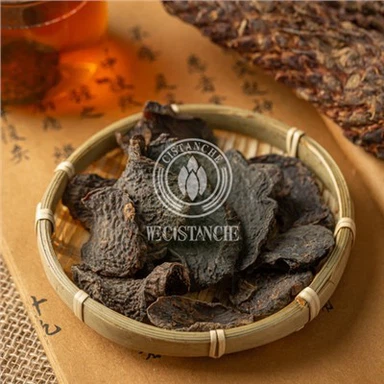
Cistanche is a traditional Chinese herbal medicine that has been used for centuries to treat a variety of conditions, including Alzheimer's disease and Parkinson's disease. The mechanism of action of Cistanche in these diseases is not completely understood, but there are several potential ways in which it may be beneficial.

One of the main ways in which Cistanche may help with Alzheimer's disease is by reducing the production of beta-amyloid plaques in the brain. These plaques are thought to be a key contributor to the development of Alzheimer's disease, and reducing their production may help to slow or prevent the progression of the disease.
Cistanche may also have neuroprotective effects, helping to protect brain cells from damage and degeneration. This could be particularly helpful in Parkinson's disease, which is characterized by the degeneration of dopamine-producing neurons in the brain. Additionally, Cistanche may have anti-inflammatory effects, which could help to reduce inflammation in the brain and improve cognitive function. Inflammation is believed to play a role in the development of Alzheimer's disease and Parkinson's disease.
To be continued...
Tarek Benameur 1,†, Giulia Giacomucci 2,† , Maria Antonietta Panaro 3,† , Melania Ruggiero 3 , Teresa Trotta 4 , Vincenzo Monda 4,5 , Ilaria Pizzolorusso 6 , Dario Domenico Lofrumento 7 , Chiara Porro 4,* and Giovanni Messina 4
1 Department of Biomedical Sciences, College of Medicine, King Faisal University, Al-Ahsa 31982, Saudi Arabia; tbenameur@kfu.edu.sa
2 Department of Neuroscience, Psychology, Drug Research and Child Health, University of Florence, 50134 Florence, Italy; giuliagiacomucci.md@gmail.com
3 Biotechnologies and Biopharmaceutics, Department of Biosciences, University of Bari, 70125 Bari, Italy; mariaantonietta.panaro@uniba.it (M.A.P.); melania.ruggiero@uniba.it (M.R.)
4 Department of Clinical and Experimental Medicine, University of Foggia, 71121 Foggia, Italy; teresa.trotta@unifg.it (T.T.); vincenzo.monda@unicampania.it (V.M.); Giovanni.messina@unifg.it (G.M.)
5 Unit of Dietetic and Sports Medicine, Section of Human Physiology, Department of Experimental Medicine, Luigi Vanvitelli University of Campania, 81100 Naples, Italy
6 Child and Adolescent Neuropsychiatry Unit, Department of Mental Health, ASL Foggia, 71121 Foggia, Italy; ilaria.pizzolorusso@virgilio.it
7 Department of Biological and Environmental Sciences and Technologies, Section of Human Anatomy, University of Salento, 73100 Lecce, Italy; dario.lofrumento@unisalento.it