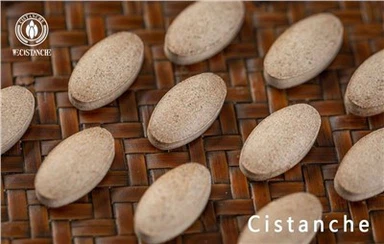
New Promising Therapeutic Avenues Of Curcumin in Brain DiseasesⅠ
Apr 27, 2023
Abstract:
Curcumin, the dietary polyphenol isolated from Curcuma longa (turmeric), is commonly used as an herb and spice worldwide. Because of its bio-pharmacological effects, curcumin is also called the “spice of life”, in fact, it is recognized that curcumin possesses important properties such as antioxidant, anti-inflammatory, anti-microbial, antiproliferative, anti-tumoral, and anti-aging.

Click to cistanche tubulosa extract for Alzheimer's disease and Parkinson's disease
Neurodegenerative diseases such as Alzheimer’s disease, Parkinson’s Disease, and Multiple Sclerosis are a group of diseases characterized by a progressive loss of brain structure and function due to neuronal death; at present there is no effective treatment to cure these diseases. The protective effect of curcumin against some neurodegenerative diseases has been proven by in vivo and in vitro studies.
The current review highlights the latest findings on the neuroprotective effects of curcumin,
its bioavailability, its mechanism of action, and its possible application for the prevention or treatment
of neurodegenerative disorders.
Keywords: curcumin; natural flavonoid; neuroinflammation; anti-inflammatory; neurodegenerative diseases; Alzheimer’s diseases; Parkinson’s diseases; multiple sclerosis; glioblastoma multiforme; epilepsy
1. Introduction
Recent evidence suggests that the use of nutraceuticals, and dietary supplements may bring protection to the central nervous system (CNS) by preserving neurons against stress-induced damage, suppressing neuroinflammation, and by increasing neurocognitive performance. Curcumin is one of the curcuminoid constituents present in turmeric (Curcuma longa Linn) and is a perennial herb of the Zingiberaceae family.
Turmeric, also called “golden spice” is used as a remedy in traditional medicine and is also widely used in Asian cuisine as a food additive and as a coloring agent in the beverage industry [1]. The (1E,6E)-1,7-bis(4-hydroxy-3-methoxyphenyl)-1,6-heptane-3,5-dione is the IUPAC name of curcumin, its chemical formula is C21H20O6 and it has a molecular weight of 368.38 g/mol.
Various biological activities and therapeutic properties of curcumin are due to its chemistry, in particular phenolic hydroxyl groups, the central bis-α, β-unsaturated β-diketone, double conjugated bonds, and methoxy groups are responsible for its bio-pharmacological effects. Curcumin is a lipophilic molecule, with poor solubility in water or hydrophilic solutions, instead, it is easily soluble in organic solvents such as methanol, ethanol, acetone, and dimethyl sulfoxide, chloroform [2].
Curcuminoid complex contains curcumin, demethoxycurcumin and bis-deme thoxycurcumin [3]. Curcumin, like other phytochemicals, has pleiotropic activity on cells, in fact, due to its ability to interact with many proteins, curcumin can provoke cellular responses to external stimuli. In addition, curcumin up- and down-regulates various miRNAs and can cause epigenetic changes in cells.
Several in vitro, in vivo and clinical trials have focused on the potential therapeutic effects of curcumin including antioxidant [4], immunomodulatory, cardio-protective [5], nephroprotective [6], hepatoprotective [7,8], anti-neoplastic [9,10], anti-microbial, anti-diabetic [11], anti-rheumatic [12] anti-aging [13], anti-inflammatory especially anti-neuroinflammatory [14], as well as inhibiting properties for microglia [15].
Despite its numerous therapeutic benefits, this bioactive compound has poor bioavailability due to insufficient absorption, chemical instability, and rapid metabolism in the body. To increase the bioavailability of curcumin, nanocarriers have been proven to be a promising strategy, to enhance its therapeutic effects. Due to their nanometric size and chemical property, nanoparticles [16], liposomes [17,18], micelles, phospholipid vesicles [19], and polymeric nanoparticles [20,21] can increase the effectiveness of curcumin. Among the natural nanocarriers, extracellular vesicles, especially exosomes, are used as a system for drug delivery. Exosomes are released from cells by exocytosis after the maturation of multivesicular bodies.
Exosomes can mediate cellular communication with their protein, lipid, and nucleic acid composition [22]. The lipid membrane of the exosome contains curcumin by the interaction between the hydrophobic tails and hydrophobic active ingredient. The insertion in the lipid bilayer guarantees the protection of curcumin from degradation [23]. Curcumin with an exosomal formulation is more effective with respect to liposomal curcumin and free curcumin [23]. Zhang et al. have demonstrated that intranasal administrated curcumin-loaded exosomes in inflammation-mediated disease models, such as Lipopolysaccharide (LPS) - induced brain inflammation model, experimental autoimmune encephalitis, and a GL26 brain tumor model, induce neuroprotection by reducing neuroinflammation or tumor size [24].
In ischemia-reperfusion (I/R) injuries, curcumin-loaded exosomes can downregulate reactive oxygen species (ROS) production in lesions, reduce blood–brain barrier (BBB) damage and suppress mitochondria-mediated neuronal apoptosis [25]. Liposomes are nanovesicles made up of single or multiple bilayers of phospholipids that enclose hydrophilic, lipophilic, and amphiphilic molecules [26], that could be used to deliver drugs to target sites. Mohajeri et al. has demonstrated the anti-inflammatory and anti-oxidant effects of polymerized nano-curcumin which had positive effects on an experimental autoimmune encephalomyelitis model of multiple sclerosis, and induced myelin repair mechanisms [27].
Nano-curcumin has neuroprotective effects on early brain injuries, it is able to attenuate BBB dysfunction following subarachnoid hemorrhage by preventing the destruction of the tight junction protein (ZO-1, occludin, and claudin-5). In addition, nano-curcumin up-regulates the glutamate transporter-1 which reduces the glutamate concentration in cerebrospinal fluid (CSF) following subarachnoid hemorrhage and inhibits the activation of microglia [28]. A combination of ω-3 fatty acids and nano-curcumin significantly reduces the frequency of migraine attacks by modulation of IL-6 gene expression and C-Reactive Protein levels, as evidenced in a set of clinical trials [29].
CUR-loaded liposomes reduce angiotensin-converting enzyme activity in target regions of the brain and potentiate memory restoration in rats with Alzheimer’s disease (AD) [30]. As life expectancy increases worldwide, neurodegenerative diseases increase and this leads to a greater burden of socio-economic discomfort for patients, families, and communities [31].
Neurodegenerative diseases are characterized by disorders that conduct to a progressive disruption of the structure and/or function of neurons and of their synaptic network that finally induces a loss of brain function. AD, Parkinson’s disease (PD), Huntington’s disease (HD), Multiple Sclerosis (MS), and amyotrophic lateral sclerosis (ALS) are the most common neurodegenerative diseases present in the elderly.

Factors that lead to neurodegenerative diseases include genetic polymorphisms, increasing age, gender, poor education, endocrine diseases, oxidative stress, inflammation, stroke, hypertension, diabetes, smoking, head trauma, depression, infection, tumors, vitamin deficiencies, immune and metabolic disorders, and chemical exposure [32]. The inflammatory response within the brain or spinal cord is known as neuroinflammation. Neuroinflammation is common in several brain diseases, including AD, PD, MS, and many others.
This process is mediated through the production of cytokines, chemokines, reactive oxygen species, and secondary messengers, which could destroy the BBB, resulting in cell damage and loss of neuronal functions [33]. Glia, endothelial cells, and peripherally derived immune cells produced these mediators. Among the glial cells, microglia and astrocytes play a central role in the pathophysiology of neurodegenerative diseases.
Astrocytes work together to maintain CNS homeostasis
and promote neuronal survival by regulating metabolite traffic and blood flow. Microglial
cells perceive the disturbance of brain tissue homeostasis, and function as CNS phagocytes [34,35]. The purpose of this review is to emphasize the importance of curcumin in the
treatment of AD, PD, MS glioblastoma, and epilepsy focusing on its potential mechanism of
action in improving their course.
2. Curcumin and AD
AD represents the main cause of dementia worldwide, accounting for 60–80% of cases who are diagnosed with dementia [36]. Clinically, AD is typically featured by memory loss, progressive cognitive decline, and impairment of previous levels of functioning and performance at work or usual activities. Neurodegeneration has been attributed and is driven by extracellular aggregates of amyloid β (Aβ) plaques and intracellular neurofibrillary tangles (NFTs) made of hyperphosphorylated tau protein in cortical and limbic areas of the human brain [37].
The formation of Aβ plaques starts from the anomalous processing of amyloid precursor protein (APP) by β-secretases (BACE1) and γ-secretases, leading to the production of different types of Aβ monomers, among which Aβ40 and Aβ42 (highly insoluble and aggregation-prone). As a result, Aβ monomers continue to oligomerize and aggregate into plaques. NFTs are the second pathological hallmark of AD and consist of hyperphosphorylated tau localized in the cytoplasm of neurons [38].

Tau has a microtubule-binding domain and assembles with tubulin, resulting in the formation of stable microtubules. Aβ may activate several kinases, including glycogen synthase kinase 3 β (GSK-3β), cyclin-dependent kinase 5 (CDK5), and others like Protein Kinase C, Protein Kinase A, extracellular signal-regulated kinase 2 (ERK2), a serine/threonine kinase, which phosphorylates tau, leading to its oligomerization [39]. As a consequence, microtubules become unstable, and their subunits transform into big chunks of tau filaments, which further aggregate into NFTs. NFTs are highly insoluble and lead to an abnormal loss of communication between neurons and signal processing and finally apoptosis in neurons [40]. According to the amyloid hypothesis, pathological alterations of tau are considered to be downstream events of Aβ deposition.
However, it has also been hypothesized that Aβ and tau act in parallel pathways that cause AD and amplify each other’s toxic effects [41]. Given the social and economic impact, it is important to understand which risk factors could influence the development of AD and also to find medications that can prevent the onset or stop the disease course. At the state of the art, there are a limited number of drugs that are available for the treatment of AD, such as acetylcholinesterase inhibitors (donepezil, rivastigmine, and galantamine) and glutamate antagonist memantine, which are not effective in stopping the disease's progressive course [42].
Recently, the FDA approved the use of the first drug with a putative disease-modifying mechanism, Aducanumab, which is a human monoclonal antibody that selectively reacts with Aβ aggregates and reduces Aβ plaques in the brain, thus predicting important clinical benefits. However, post-approval clinical trials are needed to verify the real drug’s clinical benefit [43]. Several natural compounds have been recently investigated to better understand their potential efficacy in the “treatment” of AD [44]. Current research is focused on curcumin’s mechanism of action and its role in the modulation of AD progression.
Curcumin’s mechanisms of action are pleiotropic (Table S1) [45] and target both Aβ and tau (see Figure 1). Moreover, it modulates other aspects of the disease process: it also binds copper, lowers cholesterol levels, modifies microglial activity, inhibits acetylcholinesterase, enhances the insulin-signaling pathway, and acts as an antioxidant [45]. Curcumin seems to target Aβ at different levels. It has been described that it inhibits Aβ production; moreover, curcumin inhibits aggregation both in vitro and in mouse models thus preventing the formation of plaques and it promotes disaggregation of the fibrillar form [46].

Concerning Aβ production, in vitro studies showed that curcumin acts as an inhibitor of BACE1, which is involved in the cleavage of APP [47]. These results were confirmed in mouse models of AD, demonstrating that curcumin downregulates the expression of BACE1, thus reducing Aβ formation [48]. In addition, curcumin appears to inhibit the GSK-3β-dependent presenilin 1 (PS1) activation and consequently reduce Aβ production. Neuroblastoma SHSY5Y cells treated with curcumin showed a marked decrease of PS1 and GSK-3β levels and a marked reduction of Aβ production in a dose- and time-dependent manner [49].
GSK-3β is activated when it is dephosphorylated at the Ser9 site. Its activity is regulated upstream by Akt, a serine/threonine-specific protein kinase. Phosphatidylinositol (PIP) and PDK-mediated phosphorylation of Akt at Ser473 and Thr308 sites lead to Akt activation and consequent phosphorylation and inhibition of GSK-3β. Akt activity is negatively regulated by PTEN, which catalyzes phosphoinositide to dephosphorylate deactivating PIP3 signaling.
PI3K/Akt/GSK-3β signaling pathway is also directly affected by Aβ exposure [50], indeed, oligomers active GSK-3β through dephosphorylation at the Ser9 site. Moreover, Aβ induces downregulation of the phosphorylation of Akt and also overexpression of PTEN, its negative regulator, which leads to downstream activation of GSK-3β. Curcumin inhibits both overexpression of PTEN mRNA, and the downregulation of phosphorylation-mediated activation of Akt, and also Aβ-mediated GSK-3β activation [51,52], thus reducing Aβ production and build-up of plaques (Figure 2).

Regarding the role of curcumin in inhibiting the aggregation of Aβ, it has been suggested that curcumin destabilizes the attractive forces required for the formation of β-sheets in amyloid plaques through its hydrophobicity or its interaction between the keto or enol rings and aromatic ring of Aβ dimers [53]. The destabilization of β-sheets is also influenced by the interaction between curcumin’s hydroxyl groups on the aromatic rings and the polar pockets of Aβ [54]. Interestingly, recent in vitro studies have focused on curcumin’s role in preventing Aβ neurotoxicity.
Thapa et al. showed that curcumin reduces the rate of Aβ insertion into the plasma membrane and consequently acts as a protective factor against Aβ membrane toxicity. In more detail, curcumin reduced the disruption of the plasmatic membrane due to Aβ, thus avoiding elevated calcium influx and cell death [55]. The neuroprotective effect of curcumin, probably membrane-mediated, seems to act by reducing toxicity induced by a wide range of Aβ conformers, including monomeric, oligomeric, pre-fibrillary, and fibrillary Aβ [56].
Interestingly, it has also been described that curcumin promotes the formation of “off-pathway” soluble oligomers and pre-fibrillar aggregates that are non-toxic [56]. Another study by Huang et al. showed that curcumin can attenuate Aβ-mediated activation of the NMDA receptor of glutamate and thus inhibits the intracellular increase in Ca2+, which is involved in glutamate toxicity. The effect of curcumin on the depression of the NMDA receptor/Ca2+ pathway seems to prevent cell damage induced by Aβ [57]. Despite these interesting results, in vivo, studies are yet necessary to translate these findings and find a potential clinical use.
Concerning NFTs, GSK-3β regulates the phosphorylation of tau by adding phosphate groups on serine and threonine amino acid residues. Curcumin has been shown to prevent the hyperphosphorylation of tau acting as a GSK-3β inhibitor [45,47]. In more detail, Huang et al. [51] showed that curcumin inhibits Aβ-induced tau hyperphosphorylation involving PTEN/Akt/GSK-3β pathway in human cell cultures and consequently influences the inhibition of tau hyperphosphorylation preventing aggregation in NFTs.
Curcumin may also play a role in NFTs clearance with a consequent reduction in tau-induced toxicity. Indeed, in mouse neuron cell cultures, curcumin, at low concentration, upregulates the expression of BCL2-associated athanogene 2 (BAG2), a molecular chaperone that delivers tau to the proteasome for degradation [58]. However, since this study was not performed on pathological neurons, these results need to be confirmed. Another study by Miyasaka et al. described those levels of acetylated α-tubulin, an indicator of microtubule stabilization, was significantly greater in curcumin-treated nematodes, suggesting that curcumin may mitigate tau-mediated neurotoxicity by improving microtubule stabilization [59]. Besides Aβ and NFTs, other factors should be taken into account in AD pathogenesis.
Microglia have a critical role in the innate immune response of the CNS and can be classified in M1 (which secretes neurotoxic cytokines, prostaglandins, ROS, and nitric oxide) and M2 phenotype (which releases neuroprotective and anti-inflammatory mediators and phagocyte toxic protein aggregates). The role of microglia in AD has been deeply studied [60]. Aβ deviates microglia from neuroprotective M2 to neurotoxic M1 phenotype [61]. Additionally, Aβ accumulation activates microglia, which produces inflammatory mediators thus promoting further Aβ accumulation, leading to this positive feedback loop.

Curcumin appears to play a role in reducing neurotoxicity due to Aβ induced microglia activation [62]. In this regard, it was reported that curcumin blocks ERK1/2 and p38 kinase signaling in Aβ activated microglia thus reducing the production of TNF-α, IL-1β and IL-6 [63] and, in addition, attenuates the release of nitric oxide [64].
Moreover, curcumin suppresses phosphoinositide 2 kinases (PI3K)/Akt phosphorylation and the activation of nuclear factor κB (NF-κB), which drive microglia activation and neuroinflammation pathways [64]. Interestingly, curcumin induces the increase of the peroxisome proliferator-activated receptor γ (PPARγ) protein levels, thus enhancing PPARγ anti-inflammatory activity in the downregulation of NF-κB and ERK pathways. On the other hand, curcumin may enhance the neuroprotective effect of M2 microglia: in fact, Aβ phagocytosis seems to be increased in microglia from AD patients treated with curcuminoids in vitro [65]. A significant reduction in neurogenesis has been widely described in AD and other neurodegenerative diseases [66].
Previous works found that curcumin regulates neurogenesis through the activation of the Wnt pathway in vitro and the hippocampus and subventricular zone of adult rats. Wnt interacts with the 7-transmembrane Frizzled receptor and phosphorylated co-receptor low-density lipoprotein (LRP-5/6), thus leading to the activation of cytoplasmic disheveled (Dvl) protein. Once activated, the Dvl protein interacts with Axin/APC/GSK-3β destruction complex and inhibits GSK-3β.
The inhibition of GSK-3β leads to the accumulation of cytoplasmic β-catenin and its translocation into the cell nucleus. In the nucleus, β-catenin interacts with the TCF/LEF promoter complex, leading to the activation of target genes that are involved in the proliferation and differentiation of CNS. Curcumin seems to influence this pathway at different levels. In more detail, curcumin interacts with Wif-1 and Dkk-1, which are Wnt inhibitory molecules, thus increasing Wnt levels. Moreover, curcumin may likely interact with GSK-3β, thus enhancing the levels of cytoplasmic β-catenin, and enhancing β-catenin nuclear translocation, leading to enhanced TCF/LEF and cyclin-D1 promoter activity and increased neurogenesis.
Interestingly, it has been showing that although low brain concentrations of curcumin (500 nM) stimulated neurogenesis, high brain concentrations (10 µM) inhibited neurogenesis and neuroplasticity [67]. Therefore, the choice of concentration of curcumin should be carefully chosen. Preclinical models have predominately demonstrated a positive effect of curcumin on AD, however, only a limited number of clinical studies have examined curcumin’s effect on human cognitive functioning in AD and results are less consistent.
The findings on Aβ reduction are ambiguous since no significant changes in the Aβ or tau levels in plasma or CSF were found between curcumin and placebo [68,69]. On the other hand, neuroimaging supports that curcumin reduces Aβ deposits in the brain on 2-(1-{6-[(2-[F18]fluoroethyl)(methyl)amino]-2-naphthyl}ethylidene) malononitrile positron emission tomography (FDDNP-PET) in non-demented patients [70]. These inconsistencies may be related to differences in methodology and the included population [71].
Moreover, curcumin shows low bioavailability and its effects on antioxidant pathways and neurogenesis probably need more time to induce a significant improvement in cognitive capacity and Aβ reduction. Thus, the mild effects previously described could also be due to the relatively short duration of treatment. Further studies are needed to improve curcumin’s bioavailability and to better explore curcumin’s effect on Aβ and NFTs, to understand if curcumin may be a new potential contributor in the prevention and treatment of AD.
The mechanism of Cisanche anti-Alzheimer's disease and Parkinson's disease
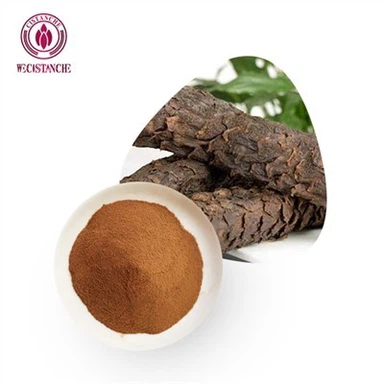
Cistanche is a traditional Chinese herbal medicine that has been used for centuries to treat a variety of conditions, including Alzheimer's disease and Parkinson's disease. The mechanism of action of Cistanche in these diseases is not completely understood, but there are several potential ways in which it may be beneficial.
One of the main ways in which Cistanche may help with Alzheimer's disease is by reducing the production of beta-amyloid plaques in the brain. These plaques are thought to be a key contributor to the development of Alzheimer's disease, and reducing their production may help to slow or prevent the progression of the disease.
Cistanche may also have neuroprotective effects, helping to protect brain cells from damage and degeneration. This could be particularly helpful in Parkinson's disease, which is characterized by the degeneration of dopamine-producing neurons in the brain.
Additionally, Cistanche may have anti-inflammatory effects, which could help to reduce inflammation in the brain and improve cognitive function. Inflammation is believed to play a role in the development of Alzheimer's disease and Parkinson's disease.
To be continued...
Tarek Benameur 1,†, Giulia Giacomucci 2,† , Maria Antonietta Panaro 3,† , Melania Ruggiero 3 , Teresa Trotta 4 , Vincenzo Monda 4,5 , Ilaria Pizzolorusso 6 , Dario Domenico Lofrumento 7 , Chiara Porro 4,* and Giovanni Messina 4
1 Department of Biomedical Sciences, College of Medicine, King Faisal University, Al-Ahsa 31982, Saudi Arabia; tbenameur@kfu.edu.sa
2 Department of Neuroscience, Psychology, Drug Research and Child Health, University of Florence, 50134 Florence, Italy; giuliagiacomucci.md@gmail.com
3 Biotechnologies and Biopharmaceutics, Department of Biosciences, University of Bari, 70125 Bari, Italy; mariaantonietta.panaro@uniba.it (M.A.P.); melania.ruggiero@uniba.it (M.R.)
4 Department of Clinical and Experimental Medicine, University of Foggia, 71121 Foggia, Italy; teresa.trotta@unifg.it (T.T.); vincenzo.monda@unicampania.it (V.M.); Giovanni.messina@unifg.it (G.M.)
5 Unit of Dietetic and Sports Medicine, Section of Human Physiology, Department of Experimental Medicine, Luigi Vanvitelli University of Campania, 81100 Naples, Italy
6 Child and Adolescent Neuropsychiatry Unit, Department of Mental Health, ASL Foggia, 71121 Foggia, Italy; ilaria.pizzolorusso@virgilio.it
7 Department of Biological and Environmental Sciences and Technologies, Section of Human Anatomy, University of Salento, 73100 Lecce, Italy; dario.lofrumento@unisalento.it