PART 1 Echinacoside Inhibits Glutamate Release By Suppressing Voltage-Dependent Ca2+ Entry And Protein Kinase C in Rat Cerebrocortical Nerve Terminals
Mar 07, 2022
Cheng Wei Lu 1,2, Tzu Yu Lin 1,2, Shu Kuei Huang 1 and Su Jane Wang 3,*
1 Department of Anesthesiology, Far-Eastern Memorial Hospital, Pan-Chiao District, New Taipei City 22060, Taiwan; drluchengwei@gmail.com (C.W.L.); drlin1971@gmail.com (T.Y.L.);nskh9450n@yahoo.com.tw (S.K.H.)
2 Department of Mechanical Engineering, Yuan Ze University, Taoyuan 32003, Taiwan
3 School of Medicine, Fu Jen Catholic University, No. 510, Zhongzheng Rd., Xinzhuang Dist., New Taipei 24205, Taiwan.
Abstract: The glutamatergic system may be involved in the effects of neuroprotectant therapies. Echinacoside, a phenylethanoid glycoside extracted from the medicinal Chinese herb Herba Cistanche, has neuroprotective effects. This study investigated the effects of echinacoside on 4-aminopyridine-evoked glutamate release in rat cerebrocortical nerve terminals (synaptosomes). Echinacoside inhibited Ca2+-dependent, but not Ca2+-independent, 4-aminopyridine-evoked glutamate release in a concentration-dependent manner. Echinacoside also reduced the 4-aminopyridine-evoked increase in cytoplasmic free Ca2+ concentration but did not alter the synaptosomal membrane potential. The inhibitory effect of echinacoside on 4-aminopyridine-evoked glutamate release was prevented by cu-conotoxin MVIIC, a wide-spectrum blocker of Cav2.2 (N-type) and Cav2.1 (P/Q-type) channels, but was insensitive to the intracellular Ca2+ release-inhibitors dantrolene and 7-chloro-5-(2-chlorophenyl)-1,5-dihydro-4,1-benzodiazepine-2(3H)-one (CGP37157). Furthermore, echinacoside decreased the 4-aminopyridine-induced phosphorylation of protein kinase C, and protein kinase C inhibitors abolished the effect of echinacoside on glutamate release. According to these results, we suggest that the inhibitory effect of echinacoside on evoked glutamate release is associated with reduced voltage-dependent Ca2+ entry and subsequent suppression of protein kinase C activity.
Keywords: echinacoside; glutamate release; cerebrocortical nerve terminals; voltage-dependent Ca2+ channels; protein kinase C of Parkinson's disease, Alzheimer's disease, and middle cerebral artery occlusion [9-12]. However, the mechanism through which echinacoside induces neuroprotection is not fully understood.
For more information please contact: Joanna.jia@wecistanche.com

Echinacoside in cistanche have many functions
1. Introduction
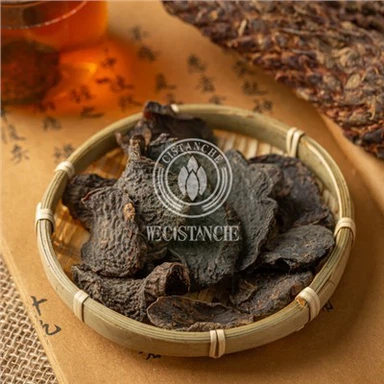
Echinacoside is a major phenylethanoid glycoside present in Herba Cistanche, a well-known traditional Chinese medicine used to treat forgetfulness, impotency, and chronic constipation [1]. Echinacoside possesses various bioactivities such as antioxidation, anti-inflammation, anticancer, hepatoprotection, and immune modulation [2–4]. Notably, echinacoside has neuroprotective effects; for example, it can protect against oxidative stress- or neurotoxin-induced neurotoxicity in primary rat cortical neurons, human neuroblastoma SH-SY5Y cells, and pheochromocytoma (PC12) cells [5–8]. Furthermore, echinacoside attenuates brain damage and improves cognitive function in animal models of Parkinson’s disease, Alzheimer's disease, and middle cerebral artery occlusion [9–12]. However, the mechanism through which echinacoside induces neuroprotection is not fully understood.
Neuroprotection is a complex process of preserving neuronal structure and function upon toxic insults. Glutamate excitotoxicity reduction is considered a potential mechanism involved in brain neuroprotection. Glutamate, an excitatory amino acid neurotransmitter, has a crucial role in several brain functions [13]. However, the overactivation of glutamate receptors under high glutamate concentrations causes intracellular Ca2+ overload, mitochondrial dysfunction, free radical production, and neuronal death [14,15]. This pathological process is implicated in numerous brain disorders including cerebral ischemia, traumatic brain injury, epilepsy, and neurodegenerative disease [16,17]. Hence, inhibitors blocking pathophysiological glutamatergic transmission are considered potential neuroprotective drugs. Notable examples of these are glutamate receptor antagonists [18,19]; however, clinical trials for these drugs have failed because of less effectivity and undesired, or even cytotoxic side effects [20,21]. In addition to direct glutamate receptor blockade, glutamate release inhibition may be an effective strategy for neuroprotection. Several neuroprotectants (e.g., memantine and riluzole) can reduce glutamate release in rat brain tissues [22–24].
Considering the role of glutamate in excitotoxicity and the neuroprotective profile of echinacoside, the present study used isolated nerve terminals (synaptosomes) purified from the rat cerebral cortex to investigate the effect of echinacoside on glutamate release and further explored potential mechanisms. The isolated nerve terminal preparation is a well-established model for studying the presynaptic regulation of neurotransmitter release by drugs in the absence of any postsynaptic effects [25]. By using this model, we evaluated the effect of echinacoside on glutamate release, membrane potential, presynaptic Ca2+ influx, and protein kinase C activity. According to our review of the literature, this is the first report documenting the mechanism through which echinacoside inhibits endogenous glutamate release at the presynaptic level.

Echinacoside can anti-oxidation
2. Results
2.1. Echinacoside Inhibits 4-Aminopyridine-Evoked Glutamate Release from Rat Cerebrocortical Nerve Terminals by Reducing Vesicular Exocytosis
Figure 1 illustrates the concentration-dependent effect of echinacoside on 4-aminopyridine-evoked glutamate release from purifified rat cerebrocortical synaptosomes. In synaptosomes incubated with 1 mM CaCl2, 1 mM 4-aminopyridine evoked a glutamate release of 7.4 ˘ 0.1 nmol/mg/5 min, which was reduced by 1, 5, 10, 30, and 50 µM echinacoside to 6.5 ˘ 0.2, 5.8 ˘ 0.3, 4.8 ˘ 0.2, 4.1 ˘ 0.1, or 2.3 ˘ 0.4 nmol/mg/5 min, respectively (F(5,24) = 67.1, p = 0.000). The IC50 value for echinacoside-mediated inhibition of 4-aminopyridine-evoked glutamate release, derived from a dose-response curve, was 24 µM. Moreover, the glutamate release evoked by 1 mM 4-aminopyridine in an extracellular Ca2+-free solution containing 300 µM ethylene glycol bis(β-aminoethyl ether)-N,N,N1,N1 -tetraacetic acid (EGTA) was 2.1 ˘ 0.2 nmol/mg/5 min (F(2,12) = 310.65, p = 0.000), and this Ca2+-independent component of 4-aminopyridine-evoked glutamate release was unaffected by 20 µM echinacoside (1.8 ˘ 0.2 nmol/mg/5 min; p = 0.58; Figure 1). In synaptosomes treated with 0.1 µM bafifilomycin A1, a vesicular transporter inhibitor [26], 4-aminopyridine-evoked glutamate release was reduced signifificantly (2.2 ˘ 0.2 nmol/mg/5 min; F (2,12) = 249.518, p = 0.000). In the presence of bafifilomycin A1, 20 µM echinacoside failed to signifificantly inhibit the release of glutamate (2.1 ˘ 0.2 nmol/mg/5 min; p = 0.94; Figure 1). By contrast, 10 µM DL-threo-beta-benzyl-oxyaspartate (DL-TBOA, a glutamate reuptake inhibitor) [27], increased 4-aminopyridine-evoked glutamate release to 11.8 ˘ 0.4 nmol/mg/5 min (t(8) = ´11.31, p = 0.000). Even in the presence of DL-TBOA, 20 µM echinacoside inhibited 4-aminopyridine-evoked glutamate release signifificantly (7.7 ˘ 0.2 nmol/mg/5 min; F(2,12) = 87.23, p = 0.000; Figure 1)

2.2. Echinacoside Reduces Cytosolic Ca2+ Concentration but Does Not Alter the Synaptosomal
Mem brane Potential
Synaptosome depolarization caused by 1 mM 4-aminopyridine increased Ca2+ concentration (p = 0.000; Table 1). The application of 20 |vM echinacoside did not significantly affect baral Ca2+ concentration (t(8) = 0.06, p = 0.95) but significantly reduced the 4-aminopyridine-induced increase iia Ca2+ concentration (t(10) = 6.16, p = 0.000). In addition, 1 mM 4-aminopyridine increased in 3',3',3'-dipropylthiadicarbocyanine iodide [DiSC3(5)] fluorescence (p = 0.000). The addition o( 20 fdM echinacoside did not alter the resting membrane potential (t(8) = 0.976, p = 0.36) or significantly change the 4-aminopyridine-mediated increase in DiSC3(5) fluorescence (t(8) = —0.014, p = 0.99; Table 1).

Cistanche echinacoside can treat kidney disease
2.3. Reduced- CO2+ Influx through the Cav2.2 (N-Type) and Cav2.1 (P/Q-Type) Channels May Be Associated with the Inhibition of 4-Aminopyridine-Evoked Glutamate Release by Echinacoside
Figure 2 shows that 2 cu-conotoxin MVIIC, an N- and P / Q-type Ca2+ channel blocker,
reduced 4-aminopyridine-evoked glutamate release from 7.4 土 0.2 to 2.0 土 0.1 nmol/mg/5 min (t(9) = 25.35, p = 0.000). In the presence of cu-conotoxin MVIIC, the effect of 20 pM echinacoside on 4-aminopyridine-evoked glutamate release was nonsignificant (1.8 土 0.2 nmol/mg/5 min; t(8) = 1.06, p = 0.32). Dantrolene (10 ^M), an inhibitor of intracellular Ca2+ release Crom the endoplasmic reticulum [28], reduced 4-aminopyridine-evoked glutamate release (5.6 土 0.3 nmol/mg/5 min; F(2,14) = 104.95, p = 0.000). However, in the presence of dantrolene, 20 pJM echinacoside could still inhibit glutamate release significantly (3.3 土 0.2 nmol/mg/5 min; p = 0.000). Similar results were observed using 100 pM 7-chloro-5-(2-chloropheny)-1,5-dihydro-4,1-benzothiazepin-2(3H)-one (CGP37157), a membrane-permeaWe blocker of mitochondrial Na+/Ca2+ exchange. In the five examined synaptosomal preparations, 20 pM echinacoside combined with 100 pM CGP37157 reduced 4-aminopyridine-evoked glutamate release by 48.3% 土 5.2% (F(2,13) = 136.79, p = 7.000), similar to the inhibition by echinacoside alone (46.2% 土 2.3%; p = 0.89;

2.4. Echinacoside Inhibcts 4-Aminopyridine-Evoked (Glutamate Release by Signaling through Protein Kinase C
As illustrated in Figure 3, 10 °jlM 2-[1-(3-dimethylaminopropyl)indol-3-yl]-3-(indol-3-yl) maleimide (GF109203X), a gen er al protein kinase C inhibitor [29], reduc ed 4-aminopyridine-evoked glutamate release (F(2,13) = 19.46, p = 0.000). In the GF109203X-treated synaptosomes, 20 pM echinacoside reduced 4-aminopyridine-evoked glutamate release by only 5.5% 土 1.8% (p = 0.89), less than that by echinacoside alone (42.4% 土 2.3%; p = f.000). Similar results were obtained with 5,6,7,13-tetrahydro-13-methyl-5-oxo-12H-indolo[2,3-a]pyrrolo[3,4-c]carbazole-12-propanenitrile (Go6976), a selective for Ca2+-dependent protein kinase C isoforms (a, |3I, |3II, y) [29]. In the presence of 3 pM Go6976, 20 pM echinacoside reduced glutamate release by 11.9% 土 2.9% (p = 0.59), signifying a significant reduction compared with that by echinacoside alone (42.4% 土 2.3%; p = 0.000; Figure 3). By contrast, 3 pM rottlerin, a Ca2+-independent protein kinase C6 inhibitor [30], did not significantly alter 4-aminopyridine (1 mM)-evoked glutamate release (p = 0.45). Nevertheless, in the presence of rottlerin, 20 pM echinacoside effectivelyt caused an average inhibition of 37.1% 土 5.6% of the release (F(2,13) = 19.72, p = 0.000), similar to that by echinacoside alone (p = 0.41; Figure 3). In addition, the mitogen-activated protein kinase inhibitor 2-(2-amino-3-methoxyphenyl)-4H-1-benzopyran-4-one) (PD98059) (50 pM) and the protein kinase A inhibitor N-[2-(p-bromocinnamylamino)ethyl]-5-isoquinolinesulfonamide (H89) (100 pM) reduced 4-aminopyridine-evoked glutamate release (p = 0.000). Even in the presence of PD98059 or H89, 20 pM echinacoside effectively reduced the release (F(2,13) = 52.3, p = 0.000; Figure 3).

Figure 4 shows tha11 mM 4-aminopyridine increased the phosphorylation of protein kinase C in synaptosomes (t(4) = —6.871, p = 0.002). When synaptosomes were pretreated with 20 pM echinacoside for 10 min before the addition of 4-aminopyridine, 4-aminopyridine induced phosphorylation of protein kinase C considerably decreased (F(2a6) = 29.202, p = 0.00 1).

Echinacoside in cistanche can boost the immune system
2.5. Echinacoside-Mediated Inhibition of Glutamate Release Does Not Involve a Gamma-Aminobutyric Acid Type A (GAB3AA) Receptor
In Figure 5, the effect of echinacoside on 4-aminopyridine-evoked glutamate release in the absence or presence of SR95531 (an antagonist of the GABAA receptor) was compared. In addition, 100 pM SR95531 did not significantly alter 4-aminopyridine (1 mM)-evoked glutamate release. In the
SR95531-treated synaptosomes, application of 20 pM echinacoside resulted in a 43% inhibition on 4-aminopyridine-evoked glutamate release (F(2,12) = 42.63, p = 0.000), which was not significantly different from the inhibition produced by echinacoside alone (40%; p = 0.000). A similar result was obtained with another GABAa receptor antagonist, bicuculline (50 pM). The release measured in the presence of bicuculline and