PART 2 Antidepressant-Like Effects Of Cistanche Tubulosa Extract On Chronic Unpredictable Stress Rats Through Restoration Of Gut Microbiota Homeostasis
Mar 05, 2022
For more information please contact: Joanna.jia@wecistanche.com

in rats, makes us believe it has less harmful side effects and is very safe when used therapeutically (Gao et al., 2016).

Cistanche deserticola has many effects, click here to know more
CTE Modulates Neurotransmitters and Neurotrophins
Results from this study indicate that CTE administration can significantly increase CUS-induced hippocampus 5-HT level and BDNF expression, along with 5-HT level in the colon. This could well explain the antidepressant activities that CTE exerts. More than 90% of 5-HT in the body is synthesized by specialized endocrine cells in the gut called enterochromaffin cells (Gershon and Tack, 2007; Yano et al., 2015). Previous research demonstrated that spore-forming bacteria in mouse and human microbiota promoted 5-HT biosynthesis from colonic enterochromaffin cells, which supply 5-HT to the mucosa, lumen, and circulating platelets for hosting 5-HT regulation (Yano et al., 2015). So it would be critical to clarify the association between altered gut microbiota structure and 5-HT concentration in Cistanche the colon after oral administration of CTE, which will shed light upon the pharmacological mechanism of action for the antidepressant-like Cistanche activity of CTE. Although CTE administration led to significant gut microbiota changes and 5-HT amount increases in the colon, no correlation was found between the altered gut microbiota and the changed 5-HT level in the colon based on Pearson's correlation coefficients. Therefore, it remains unclear whether the homeostasis of gut microbiota led to 5-HT biosynthesis in the colon after CTE administration of the CUS rats. Our ongoing experiment of microbiota transplantation in germ-free mice is to further investigate this.
It has been reported that the aqueous extract of C. tubulosa exhibited an antidepressant effect in the mouse model, modulation of the monoamine system and HPA axis both contributes to the antidepressant effect of C. tubulosa (Wang D. et al., 2017). In our present study, CTE significantly improved depression-like behaviors in rats under CUS by regulating neurotransmitters and neurotrophins in the hippocampus. This well-defined extract, which is composed of 48.6% PhGs, 6.9% iridoid glycosides, and 20.0% total saccharides suggests this mixture might exert the antidepressant effect in multiple ways. For example, PhGs can increase DA levels in the striatum (Tian and Pu, 2005; Geng et al., 2007), iridoids can restore HPA axis dysfunctions and upregulate BDNF expression (Cai et al., 2015; Wang et al., 2015). However, the exact target of the antidepressant effect of CTE on the molecular level, and the contributions from the main constituents in the extract remain unknown, further study is needed to elucidate the comprehensive antidepressant mechanism of CTE.
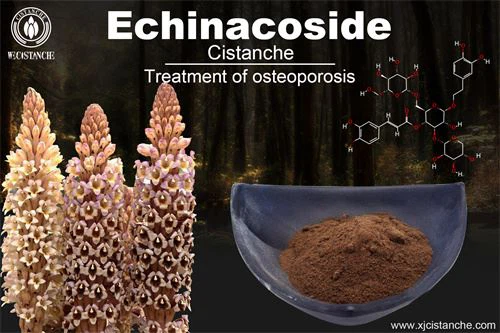
cistanche can treat osteoporosis
CTE Restores Gut Microbiota Composition and SCFAs Production
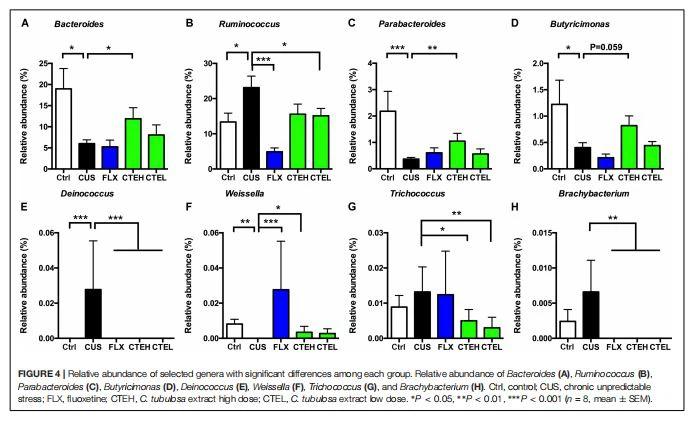
In this study, the homeostasis of gut microbiota composition was restored by CTE in the CUS model. An abundance of Bacteroides, strict anaerobes with high importance in the gut from early life (Arboleya et al., 2015), was elevated after CTE administration. Previous studies indicate that Bacteroides fragilis could reverse autism-like behaviors in mice (Hsiao et al., 2013). Our results demonstrate that Bacteroides was positively associated with 5-HT in the hippocampus, and negatively associated with SCFAs, which is correlated with the observed anti-depressive effect of CTE. Moreover, changes in microbial composition have recently been linked to host immunity (Round and Mazmanian, 2009). For example, various Bacteroides spp. can expand the Treg cell population, bias the TH1/TH2 phenotype, or suppress host inflammatory responses by SCFAs (Samuelson et al., 2015). The immune system provides an additional connection between gut microbiota and depression (Miller et al., 2009). Hence, whether CTE affects the Bacteroides population, further regulates the immune system, and then exerts its anti-depressive effects on the host, needs to be investigated in the future. A previous publication indicated prebiotic administration resulted in a significant increase in the abundance of Bacteroides and Parabacteroides, and a decrease in the abundance of Ruminococcus (Burokas et al., 2017). CTE administration also led to a similar increase of Bacteroides and Parabacteroides, as well as a decrease of Ruminococcus. This is probably because the oligosaccharides and polysaccharides in CTE are potential sources of prebiotics. Low abundance of Deinococcus was only detected in the CUS-induced model group, but not detected in control and CTE administration group. This suggests that the role of these non-dominant bacteria in depression should not be ignored.
Deinococcus was first discovered in 1956 and is known for its remarkable resistance to damage caused by a range of factors一ionizing radiation, desiccation, UV radiation, and oxidizing agents (Gerber et al., 2015). Additionally, Deinococcus possesses the ability to degrade and metabolize sugars due to the presence of genes encoding sugar-metabolizing enzymes (Gerber et al., 2015). In this study, a dramatic increase in the relative abundance of Deinococcus was observed in the CUS-induced group, and following CTE administration the level of Deinococcus dropped significantly to the level of the control group. This implies that CUS might lead to a disordered sugar metabolism level in gut microbiota, and an increase in Deinococcus might attribute to the stress response in CUS rats. After long-term treatment of CTE, CUS rat's sugar metabolism levels could become normal, and the abnormal growth of Deinococcus would then disappear. Based on this, non-dominant bacteria such as the genus Deinococcus can serve as a diagnostic marker for the onset of depression and demonstrate the practicability for the study of the regulation of gut microbiota as a therapeutic target.
Many species from genus Weissella have been isolated and used as probiotic lactic acid bacteria (LAB) due to their beneficial anti-inflammatory, immunomodulatory, and anti-oxidation effects (Ojekunle et al., 2017; Park et al., 2017; Sandes et al., 2017). There is no publication so far that focuses on the connection between the genus Weissella and depression. Our results show that 28 days stress procedure caused a significant reduction in the relative abundance of Weissella in the CUS model group compared to the control non-stressed rats, and daily oral administration of CTE caused a significant increase in the relative abundance of Weissella compared to CUS rats. Interestingly, W. beninensis at species level showed consistent results as Weissella did at the genus level. This confirms a substantial relationship between Weissella and the application of CTE for the treatment of depression. Thus, the combinational use of Weissella probiotics and CTE would be even more beneficial for depression patients.
Short-chain fatty acids are the key molecules that modulate microglia maturation and function, as well as depression (Erny et al., 2015; Dinan and Cryan, 2017). In this study, it was found that CTE could reverse the disordered concentration of acetate and hexanoic acid to a reasonable level. Previous research demonstrated that acetate directly interacts with the hypothalamic mechanisms in the brain (Frost et al., 2014), implying that CTE could regulate disordered acetate and HPA axis for anti-depression. However, there is no published study focusing on the association between hexanoic acid and depression development, which we will further investigate in the future.

Cistanche has neuroprotective effects
CONCLUSION
In conclusion, CTE exerted potent antidepressant activities via restoring the level of 5-HT, BDNF, and SCFAs, and modulating the relative abundance of gut microbiota in genus level in CUS rats. Correlation analysis revealed that altered gut microbiota genera were also substantially with changed neurotransmitters, neurotrophins, and SCFAs levels. Therefore, CTE was identified as a potential therapeutic agent for depression targeting the microbiota-gut-brain axis.
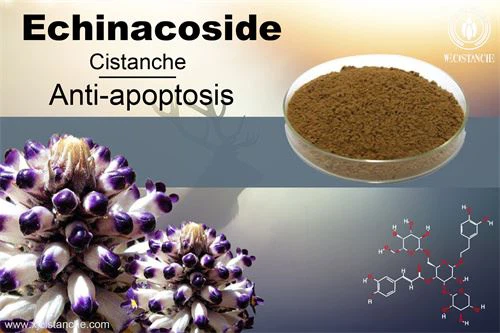
Cistanche has neuroprotective and antidepressant effects
REFERENCES
Arboleya, S., Sanchez, B., Milani, C., Duranti, S., Solis, G., Fernandez, N., et al. (2015). Intestinal microbiota development in preterm neonates and effect of perinatal antibiotics. J. Pediatr. 166, 538-544. DOI: 10.1016/j.jpeds.2014.09.041
Bharwani, A., Mian, M. F., Surette, M. G., Bienenstock, J., and Forsythe, P. (2017). Oral treatment with Lactobacillus rhamnosus attenuates behavioral deficits and immune changes in chronic social stress. BMC Med. 15:7. DOI: 10.1186/ s12916-016-0771-7
Bravo, J. A., Forsythe, P., Chew, M. V., Escaravage, E., Savignac, H. M., Dinan, T. G., et al. (2011). Ingestion of Lactobacillus strain regulates emotional behavior and central GABA receptor expression in a mouse via the vagus nerve. Proc. Natl. Acad. Sci. U.S.A. 108, 16050-16055. DOI: 10.1073/pnas.1102999108
Burokas, A., Arboleya, S., Moloney, R. D., Peterson, V. L., Murphy, K., Clarke, G., et al. (2017). Targeting the microbiota-gut-brain axis: prebiotics has anxiolytic and antidepressant-like effects and reverses the impact of chronic stress in mice. Biol. Psychiatry 82, 472-487. DOI: 10.1016/j.biopsych.2016.12.031
Cai, L., Li, R., Tang, W. J., Meng, G., Hu, X. Y., and Wu, T. N. (2015). Antidepressant-like effect of geniposide on chronic unpredictable mild stress-induced depressive rats by regulating the hypothalamus-pituitary-adrenal axis. Eur. Neuropsychopharmacol. 25, 1332-1341. DOI: 10.1016/j.euroneuro.2015. 04.009
Chang, C. J., Lin, C. S., Lu, C. C., Martel, J., Ko, Y. F., Ojcius, D. M., et al. (2017). Ganoderma lucidum reduces obesity in mice by modulating the composition of the gut microbiota. Nat. Commun. 8:16130. DOI: 10.1038/ncomms16130
Chow, P. S., and Landhausser, S. M. (2004). A method for routine measurements of total sugar and starch content in woody plant tissues. Tree Physiol. 24, 1129-1136. DOI: 10.1093/tree pays/24.10.1129
Clayton, A. H. (2001). Recognition and assessment of sexual dysfunction associated with depression. J. Clin. Psychiatry 62, 10-21.
Clayton, A. H., El, H. S., Iluonakhamhe, J. P., Ponce, M. C., and Schuck, A. E. (2014). Sexual dysfunction associated with major depressive disorder and
DATA AVAILABILITY
All raw sequences were deposited in the NCBI Sequence Read Archive under accession number SRP128788. The authors declare that all other data supporting the findings of this study are available within the article and its Supplementary Material, or are available from the corresponding author on request with no restrictions.
AUTHOR CONTRIBUTIONS
YL, YP, PT, and XL designed the experiments. YL, PM, HY, and HX carried out the experiments. YL, YP, MW, CP, and LX analyzed the data. YL, YP, and XL wrote the manuscript.
FUNDING
This work was supported by grants from the National Key Research and Development Program of China (SQ2017YFC170458) and the Shanghai Key Laboratory of Psychotic Disorders (16-K02).
SUPPLEMENTARY MATERIAL
The Supplementary Material for this article can be found online at: https://www.frontiersin.org/articles/10.3389/fphar. 2018.00967/full#supplementary- material
antidepressant treatment. Expert Opin. Drug Saf. 13, 1361-1374. doi: 10.1517/ 14740338.2014.951324
Chinese Pharmacopoeia Commission (2015). The Pharmacopeia of the People's Republic of China, 2015 ed. Part I. Beijing: China Medical Science Press, 135.
Dai, Y., Li, Z., Xue, L., Dou, C., Zhou, Y., Zhang, L., et al. (2010). Metabolomics study on the anti-depression effect of xiaoyaosan on a rat model of chronic unpredictable mild stress. J. Ethnopharmacol. 128, 482-489. doi: 10.1016/j.jep. 2010.01.016
Dang, H., Chen, Y., Liu, X., Wang, Q., Wang, L., Jia, W., et al. (2009). Antidepressant effects of ginseng total saponins in the forced swimming test and chronic mild stress models of depression. Prog. Neuropsychopharmacol. Biol. Psychiatry 33, 1417-1424. doi: 10.1016/j.pnpbp.2009.07.020
Dinan, T. G., and Cryan, J. F. (2017). The microbiome-gut-brain axis in health and disease. Gastroenterol. Clin. North Am. 46, 77-89. doi: 10.1016/j.gtc.2016.09.007
Duman, R. S., Heninger, G. R., and Nestler, E. J. (1997). A molecular and cellular theory of depression. Arch. Gen. Psychiat. 54, 597-606. doi: 10.1001/archaic. 1997.01830190015002
Erny, D., de Angelis, A. L. H., Jaitin, D., Wieghofer, P., Staszewski, O., David, E., et al. (2015). Host microbiota constantly controls the maturation and function of microglia in the CNS. Nat. Neurosci. 18, 965-977. doi: 10.1038/nn. 4030
Feng, D., Tao, T., Lin, X., Yang, Z., Shu, Y., Xia, Z., et al. (2016). Nine traditional Chinese herbal formulas for the treatment of depression: an ethnopharmacology, phytochemistry, and pharmacology review. Neuropsych. Dis. Treat. 12, 2387-2402. doi: 10.2147/NDT.S114560
Ferguson, J. M. (2001). SSRI antidepressant medications: adverse effects and tolerability. Prim. Care Companion J. Clin. Psychiatry 3, 22-27. doi: 10.4088/ PCC.v03n0105
Foster, J. A., and Neufeld, M. V. (2013). Gut-brain axis: how the microbiome influences anxiety and depression. Trends Neurosci. 36, 305-312. doi: 10.1016/ j.tins.2013.01.005
Frost, G., Sleeth, M. L., Sahuri-Arisoylu, M., Lizarbe, B., Cerdan, S., Brody, L., et al. (2014). The short-chain fatty acid acetate reduces appetite via a central homeostatic mechanism. Nat. Commun. 5:3611. doi: 10.1038/ncomms4611
Fu, Z., Fan, X., Wang, X., and Gao, X. (2017). Cistanches herba: an overview of its chemistry, pharmacology, and pharmacokinetics property. J. Ethnopharmacol. 219, 233-247. doi: 10.1016/j.jep.2017.10.015
Gao, Y., Qin, G., Wen, P., Wang, Y., Fu, W., Li, H., et al. (2016). Safety assessment of powdered Cistanche deserticola Y. C. Ma by a 90-day feeding test in Sprague- Dawley rats. Drug Chem. Toxicol. 40, 338-389. doi: 10.1080/01480545.2016. 1242013
Geng, X., Tian, X., Tu, P., and Pu, X. (2007). Neuroprotective effects of echinacoside in the mouse MPTP model of Parkinson's disease. Eur. J. Pharmacol. 564, 66-74. doi: 10.1016/j.ejphar.2007.01.084
Gerber, E., Bernard, R., Castang, S., Chabot, N., Coze, F., Dreux-Zigha, A., et al. (2015). Deinococcus as new chassis for industrial biotechnology: biology, physiology, and tools. J. Appl. Microbiol. 119, 1-10. doi: 10.1111/jam.12808
Gershon, M. D., and Tack, J. (2007). The serotonin signaling system: from basic understanding to drug development for functional GI disorders. Gastroenterology 132, 397-414. doi: 10.1053/j.gastro.2006.11.002
Guo, Q., Zhou, Y., Wang, C. J., Huang, Y. M., Lee, Y. T., Su, M. H., et al. (2013). An open-label, non-placebo-controlled study on Cistanche tubulosa glycoside capsules (Memoregain®) for treating moderate Alzheimer's disease. Am. J. Alzheimer's Dis. Dement. 28, 363-370. doi: 10.1177/1533317513488907
Han, P., Han, T., Peng, W., and Wang, X. R. (2013). Antidepressant-like effects of essential oil and asarone, a major essential oil component from the rhizome of Acorus tatarinowii. Pharm. Biol. 51, 589-594. doi: 10.3109/13880209.2012. 751616
Hou, T., Li, X., and Peng, C. (2017). Borneol enhances the antidepressant effects of asiaticoside by promoting its distribution into the brain. Neurosci. Lett. 646, 56-61. doi: 10.1016/j.neulet.2017.02.068
Hsiao, E. Y., McBride, S. W., Hsien, S., Sharon, G., Hyde, E. R., McCue, T., et al. (2013). Microbiota modulates behavioral and physiological abnormalities associated with neurodevelopmental disorders. Cell 155, 1451-1463. doi: 10.1016/j.cell.2013.11.024
Huang, S. (1982). Shennong's Herbal Classic. Beijing: China Ancient Books Press.
Jiang, Y., and Tu, P.-F. (2009). Analysis of chemical constituents in Cistanche species. J. Chromatogr. 1216, 1970-1979. doi: 10.1016/j.chroma.2008.07.031
Jin, Z. L., Gao, N., Li, X. R., Tang, Y., Xiong, J., Chen, H. X., et al. (2015). The antidepressant-like pharmacological profile of Yuanzhi-1, novel serotonin, norepinephrine, and dopamine reuptake inhibitor. Eur. Neuropsychopharmacol. 25, 544-556. doi: 10.1016/j.euroneuro.2015.01.005
Kang, A., Xie, T., Zhu, D., Shan, J., Di, L., and Zheng, X. (2017). Suppressive effect of ginsenoside Rg3 against lipopolysaccharide-induced depression-like behavior and neuroinflammation in mice. J. Agric. Food Chem. 65, 6861-6869. doi: 10.1021/acs.jafc.7b02386
Kelly, J. R., Borre, Y., O'Brien, C., Patterson, E., El, A. S., Deane, J., et al. (2016). Transferring the blues: depression-associated gut microbiota induces neurobehavioural changes in the rat. J. Psychiatr. Res. 82, 109-118. doi: 10.1016/ j.jpsychires.2016.07.019
Krishnan, V., and Nestler, E. J. (2008). The molecular neurobiology of depression. Nature 455, 894-902. doi: 10.1038/nature07455
Mcintyre, R. S. (2017). The role of new antidepressants in clinical practice in Canada: a brief review of vortioxetine, levomilnacipran ER, and vilazodone. Neuropsychiatr. Dis. Treat. 13, 2913-2919. doi: 10.2147/NDT.S150589
Meng, Y., Jia, H., Chao, Z., Yong, Y., Yang, Z., Yang, M., et al. (2017). Variations in gut microbiota and fecal metabolic phenotype associated with depression by 16S rRNA gene sequencing and LC/MS-based metabolomics. J. Pharm. Biomed. Anal. 138,231-239. doi: 10.1016/j.jpba.2017.02.008
Miller, A. H., Maletic, V., and Raison, C. L. (2009). Inflammation and its discontents: the role of cytokines in the pathophysiology of major depression. Biol. Psychiatry 65, 732-741. doi: 10.1016/j.biopsych.2008.11.029
Montejogonzalez, A. L., Llorca, G., Izquierdo, J. A., Ledesma, A., Bousono, M., Calcedo, A., et al. (1997). SSRI-induced sexual dysfunction: fluoxetine, paroxetine, sertraline, and fluvoxamine in a prospective, multicenter, and descriptive stuclinicaldy of 344 patients. J. Sex Marital Ther. 23, 176-194. doi: 10.1080/00926239708403923
Ojekunle, O., Banwo, K., and Sanni, A. I. (2017). In vitro and in vivo evaluation of Weissella cibaria and Lactobacillus Plantarum for their protective effect against cadmium and lead toxicities. Lett. Appl. Microbiol. 64, 379-385. doi: 10.1111/ lam.12731
Park, H., Kang, K., Kim, B., Lee, S., and Lee, W. (2017). Immunomodulatory potential of Weissella cibaria in aged C57BL/6J mice. J. Microbiol. Biotechnol. 27, 2094-2103. doi: 10.4014/jmb.1708.08016
Porsolt, R. D., Anton, G., Blavet, N., and Jalfre, M. (1978). Behavioral despair in rats: a new model sensitive to antidepressant treatments. Eur. J. Pharmacol. 47, 379-391. doi: 10.1016/0014-2999(78)90118-8
Round, J. L., and Mazmanian, S. K. (2009). The gut microbiota shapes intestinal immune responses during health and disease. Nat. Rev. Immunol. 9, 313-323. doi: 10.1038/nri2515
Samuelson, D. R., Welsh, D. A., and Shellito, J. E. (2015). Regulation of lung immunity and host defense by the intestinal microbiota. Front. Microbiol. 6:1085. doi: 10.3389/fmicb.2015.01085
Sandes, S., Alvim, L., Silva, B., Acurcio, L., Santos, C., Campos, M., et al. (2017). Selection of new lactic acid bacteria strains bearing probiotic features from mucosal microbiota of healthy calves: looking for immunobiotics through in vitro and in vivo approaches for immunoprophylaxis applications. Microbiol. Res. 200, 1-13. doi: 10.1016/j.micres.2017.03.008
Sarris, J., Panossian, A., Schweitzer, I., Stough, C., and Scholey, A. (2011). Herbal medicine for depression, anxiety, and insomnia: a review of psychopharmacology and clinical evidence. Eur. Neuropsychopharmacol. 21, 841-860. doi: 10.1016/j.euroneuro.2011.04.002
Sherwin, E., Dinan, T. G., and Cryan, J. F. (2017). Recent developments in understanding the role of the gut microbiota in brain health and disease. Ann. N. Y. Acad. Sci. 12:e0177977. doi: 10.1111/nyas.13416
Su, Z. H., Li, S. Q., Zou, G. A., Yu, C. Y., Sun, Y. G., Zhang, H. W., et al. (2011). Urinary metabonomics study of anti-depressive effect of Chaihu-Shu-Gan-San on an experimental model of depression induced by chronic variable stress in rats. J. Pharm. Biomed. Anal. 55, 533-539. doi: 10.1016/j.jpba.2011.02.013
Su, G. Y., Yang, J. Y., Wang, F., Ma, J., Zhang, K., Dong, Y. X., et al. (2014). Antidepressant-like effects of Xiaochaihutang in a rat model of chronic unpredictable mild stress. J. Ethnopharmacol. 152, 217-226. doi: 10.1016/j.jep. 2014.01.006
Thase, M. E., Entsuah, A. R., and Rudolph, R. L. (2001). Remission rates during treatment with venlafaxine or selective serotonin reuptake inhibitors. Br. J. Psychiatry 178, 234-241. doi: 10.1192/bjp.178.3.234
Tian, X. F., and Pu, X. P. (2005). Phenylethanoid glycosides from Cistanches salsa inhibit apoptosis induced by 1-methyl-4-phenylpyridinium ion in neurons. J. Ethnopharmacol. 97, 59-63. doi: 10.1016/j.jep.2004.10.014
Wang, D., Wang, H., and Gu, L. (2017). The antidepressant and cognitive improvement activities of the traditional Chinese herb Cistanche. Evid. Based Complement. Alternat. Med. 2017:3925903. doi: 10.1155/2017/3925903
Wang, G. L., He, Z. M., Zhu, H. Y., Gao, Y. G., Zhao, Y., Yang, H., et al. (2017). Involvement of serotonergic, noradrenergic, and dopaminergic systems in the antidepressant-like effect of ginsenoside Rb1, a major active ingredient of Panax ginseng C.A. Meyer. J. Ethnopharmacol. 204, 118-124. doi: 10.1016/j.jep.2017. 04.009
Wang, J. M., Yang, L. H., Zhang, Y. Y., Niu, C. L., Cui, Y., Feng, W. S., et al. (2015). BDNF and COX-2 participate in anti-depressive mechanisms of catalpol in rats undergoing chronic unpredictable mild stress. Physiol. Behav. 151, 360-368. doi: 10.1016/j.physbeh.2015.08.008
Wang, R., Peng, Y., Meng, H., and Li, X. B. (2016). Protective effect of polysaccharides fractions from Sijunzi decoction in reserpine-induced spleen deficiency rats. RSCAdv. 6, 60657-60665. doi: 10.1039/C6RA06361F
Wei, G., Pan, L., Du, H., Chen, J., and Zhao, L. (2004). ERIC-PCR fingerprinting based community DNA hybridization to pinpoint genome-specific fragments as molecular markers to identify and track populations common to healthy human guts. J. Microbiol. Methods 59, 91-108. doi: 10.1016/j.mimet.2004.06.007
White, J. R., Nagarajan, N., and Pop, M. (2009). Statistical methods for detecting differentially abundant features in clinical metagenomic samples. PLoS Comput. Biol. 5:e1000352. doi: 10.1371/journal.PCBs.1000352
Willner, P. (1997). Validity, reliability, and utility of the chronic mild stress model of depression: a 10-year review and evaluation. Psychopharmacology 134, 319-329. doi: 10.1007/s002130050456
Xu, J., Chen, H. B., and Li, S. L. (2017). Understanding the molecular mechanisms of the interplay between herbal medicines and gut microbiota. Med. Res. Rev. 37, 1140-1185. doi: 10.1002/med.21431
Xu, L. Z., Xu, D. F., Han, Y., Liu, L. J., Sun, C. Y., Deng, J. H., et al. (2016). BDNF-GSK-3^书-Catenin pathway in the mPFC is involved in antidepressant-like effects of Morinda officinalis oligosaccharides in rats. Int. J. Neuropsychopharmacol. 20, 83-93. doi: 10.1093/ijnp/pyw088
Xue, R., Jin, Z. L., Chen, H. X., Yuan, L., He, X. H., Zhang, Y. P., et al. (2013). Antidepressant-like effects of 071031B, a novel serotonin and norepinephrine reuptake inhibitor. Eur. Neuropsychopharmacol. 23, 728-741. doi: 10.1016/j. euroneuro.2012.06.001
Yan, L., Hu, Q., Mak, M. S. H., Lou, J., Xu, S. L., Bi, C.W. C., et al. (2016). A Chinese herbal decoction, reformulated from Kai-Xin-San, relieves the depression-like symptoms in stressed rats and induces neurogenesis in cultured neurons. Sci. Rep. 6:30014. doi: 10.1038/srep30014
Yano, J. M., Yu, K., Donaldson, G. P., Shastri, G. G., Ann, P., Ma, L., et al. (2015). Indigenous bacteria from the gut microbiota regulate host serotonin biosynthesis. Cell 161, 264-276. doi: 10.1016/j.cell.2015. 02.047
Zheng, P., Zeng, B., Zhou, C., Liu, M., Fang, Z., Xu, X., et al. (2016). Gut microbiome remodeling induces depressive-like behaviors through a pathway mediated by the host's metabolism. Mol. Psychiatry 21, 786-796. doi: 10.1038/ mp.2016.44
Conflict of Interest Statement: The authors declare that the research was conducted in the absence of any commercial or financial relationships that could be construed as a potential conflict of interest.
Copyright © 2018 Li, Peng, Ma, Yang, Xiong, Wang, Peng, Tu and Li. This is an open-access article distributed under the terms of the Creative Commons Attribution License (CC BY). The use, distribution, or reproduction in other forums is permitted, provided the original author(s) and the copyright owner(s) are credited and that the original publication in this journal is cited, in accordance with accepted academic practice. No use, distribution, or reproduction is permitted which does not comply with these terms.