echinacoside from cistanche anti-osteoporosis
Mar 10, 2022
Contact: Audrey Hu Whatsapp/hp: 0086 13880143964 Email: audrey.hu@wecistanche.com
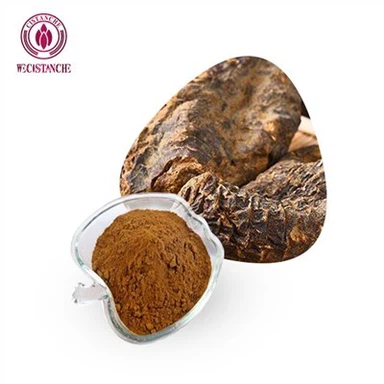
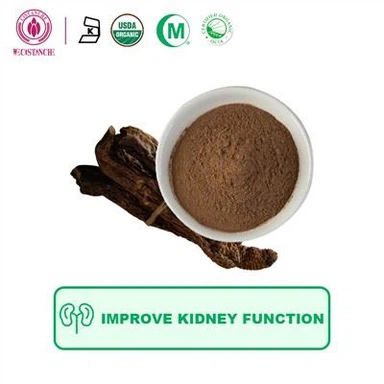
Echinacoside (ECH) is an effective substance derived from the herb cistanche. Cistanche contains a variety of active ingredients with great medicinal value, including polysaccharides, glycoproteins, alkyl amides, and total glycoside.ECH (echinacoside) as the main active ingredient of cistanche was first isolated from the root of the cistanche herb, and it is one of the main effective components of cistanche. ECH (echinacoside) can also be isolated from other Chinese herbal medicines, such as Rehmannia glutinosa, Scrophulariaceae, and Limestone, Pedicularis, etc., the content of echinacoside in Cistanche tubulosa is as high as 30% [2].
The molecular formula of ECH (echinacoside) is C35H46O20, and its chemical structure is composed of sugar groups, phenylethanoid groups. Studies have shown that the pharmacological effects of ECH (echinacoside) are mainly anti-oxidation, anti-inflammatory, anti-tumor, protect the liver, protect nerves, promotion of wound healing, protect bones, improve learning and memory ability, and immune regulation.
This study is aimed to investigate the efficacy and safety of ECH (echinacoside) on osteopenia rats, and the results showed that ECH (echinacoside) treatments improved total femur BMD, bone microarchitecture, and biomechanical properties, and decreased serum marker levels. Moreover, we also found that the ECH (echinacoside) administration significantly increased osteoprotegerin (OPG) level, and decreased receptor activator of nuclear factor ligand (RANKL) level in serum, as well as in proximal femur. Importantly, ECH (echinacoside) treatment ameliorated the lipid parameters without the overall incidences of adverse events of the uterus and mammary gland compared to OVX and SHAM groups. This study demonstrated that administration of ECH (echinacoside) for 12 weeks can effectively and safely prevent OVX induced osteoporosis in rats via increasing the OPG/RANKL ratio.

Echinacoside treats osteoporosis
Osteoporosis is a disorder characterized by fragility fractures resulting from loss of bone mass and strength. The remodeling activity is essential to retain bone quality in healthy bone and to produce bones that can adapt appropriately to ECH (echinacoside)stimulus. Because the resorption phases of bone remodeling are short and the period required for osteoblastic replacement of the bone is long, any increase in the rate of bone remodeling will result in a loss of bone mass. Animals develop substantial osteoporosis after ovariectomy within several weeks [17]. The bone loss in ovariectomized (OVX) rats shares many similarities to the process observed in human bodies and therefore serves as a validated and wildly used experimental model of postmenopausal osteoporosis. In this study, we evaluated the effect of ECH (echinacoside) on the protection against ovariectomy model of estrogen deficiency-induced bone loss in mature rats. E2 was also included as a reference drug for the effect of bone modeling and remodeling. In our study, OVX induced a significant increase of serum TRACP-5b; a surrogate for osteoclast activity was also observed. The decreases in the bone resorption-related biomarker [24] agree with previous reports. In line with this, administration of the different doses of Echinacoside (30, 90, and 270 mg/kg/day) increased BV/TV, Tb.N., and Tb. Th. and decreased Tb. Sp. and SMI in OVX rats, accompanied by a pronounced upregulation in bone mineral density (BMD). Further investigations suggested that ECH (echinacoside) administration resulted in lower RANKL levels and higher OPG concentrations in serum, which led to an enhanced OPG/RANKL ratio. There were no statistically significant differences between Echinacoside groups and SHAM group in lipid parameters (TC and TG) and frequency of endometrial cancer or mammary cancer according to the levels of CEA, CA-125, and histomorphometric analysis of uterus and mammary gland. Altogether, our findings demonstrated the safety and effectiveness of Echinacoside, the mEchinacosideanism of which may be attributed to the increase of bone formation and the suppression of the bone resorption via upregulating the OPG/RANKL ratio.
Bone maintains its normal structural and functional integrity through continuous remodeling activity, characterized by the equilibrium between osteoblastic bone formation and osteoclastic bone resorption. However, the homeostasis formation and bone resorption. In a rat ovariectomy model of estrogen deficiency, OVX caused a significant increase in bone remodeling after 12 weeks of treatment. This finding agrees with those of other investigators [25, 26]. Furthermore, OVX significantly increased the level of RANKL and decreased the OPG level as well as the OPG/RANKL ratio in serum, demonstrating that the efficiency of ECH (Echinacoside) in OVX bone loss was mainly associated with enhancing bone formation and inhibiting bone resorption probably through increasing the ratio of OPG/RANKL.

Echinacoside treat bone loss
The trabecular bone microarchitecture is generally considered to be a good predictor of bone mass loss and bone structure deterioration [27]. Micro-CT as a new high-resolution digital imaging ECH (echinacoside) has recently been widely used in experimental studies to provide detailed quantitative nondestructive analysis of 3D microscopic bone architecture [28]. We evaluated the metaphyseal region close to the growth plate of the distal femur because it is the most recently formed trabecular bone and presumably the most sensitive to dietary factors affecting mineralization. As noted previously in the Micro-CT analysis, the normal trabecular bone structure was severely destroyed post-OVX [9]. Consistent with these findings, our results also demonstrated notable trabecular bone deterioration induced by OVX. Further observation suggested that all three doses of ECH (echinacoside) treatment had significant effects on trabecular microarchitectural properties, such as BV/TV, Tb.N, Tb. Th, and SMI; however, neither three Echinacoside treatment groups nor E2 group were able to recover the trabecular bone properties completely. These findings are in line with other research articles in which the trabecular structure was unable to be restored after deterioration occurred, suggesting that, in order to prevent trabecular bone loss, the treatment should be initiated at the very first stage after OVX [29].
BMD has been described as a surrogate measure of bone strength and the main contributor to bone quality [30]. In addition, since trabecular bone is more prone to bone loss, in order to evaluate the true effect of treatments on trabecular bones. In this study, we showed a rapid decrease in bone mineral density after OVX as well as a more pronounced decrease in bone strength and we demonstrated that Echinacoside treatment effectively protected against OVX-induced loss of bone mineral density. Osteoporosis is mostly caused by increased bone resorption, resulting from increased recruitment, activation, and/or activity of osteoclasts driven by the RANKL signaling [31].

echinacoside from cistanche strength bones
Given the crucial functional roles, RANKL and OPG played in regulating physiological and pathological bone turnover. The equilibrium between OPG and RANKL is critical for the homeostasis of bone remodeling. In this study, we observed estrogen deficiency with a concurrent decrease in the OPG/RANKL ratio, which lead to an increased rate of bone turnover and ultimately accelerated bone loss [32, 33]. Both RANKL and OPG circulate in the blood and serum RANKL and OPG measurement has been the subject of numerous studies seeking to relate these levels to various clinical conditions.
In this study, we observed a lower OPG/RANKL ratio caused by increased RANKL levels and reduced plasma OPG in OVX rats. Ovariectomies have been shown to increase RANKL levels in various animal models which lead to the activation of osteoclasts [33]. Our findings in this study are consistent with previous reports that describe decreased serum OPG concentrations in postmenopausal osteoporotic women [34] and the OVX animal model [35] with increased bone turnover TRACP-5b. It has been suggested that elevated OPG in this condition reflects a compensatory reaction. These results also agreed with our in vitro data showing that ECH (echinacoside) significantly increases OPG levels and inhibits RANKL expression in osteoblasts [16]. Overall, these results seemed to indicate that Echinacoside is exerting its effect through suppressing the activity of osteoclasts and enhancing the function of osteoblasts via increasing the ratio of OPG/RANKL and therefore attenuating osteoporosis in OVX rat models.
Cancer Antigen 125 (CA-125) is a tumor marker or biomarker that may be elevated in the blood of some specific types of cancers, elevated marker not only for ovarian cancer in serum but also in other malignant cancers, including those originating in the endometrium, fallopian tubes, lungs, breast, and gastrointestinal tract; CEA, one of the first oncofetal antigens to be described and exploited clinically, is associated with the plasma membrane of tumor cells, from which it may be released into the blood, and elevated CEA levels were not only identified in colon cancer but also found in a variety of cancers including pancreatic, gastric, lung, and breast ones [36]. Moreover, Ahmadi et al. determined the effects of Salvia officinalis extract on serum level of CEA in male rats and showed that appropriate dose of Salvia officinalis extract can decrease serum level of CEA, on which medicinal application of this extract particularly in cancers accompanied by CEA increased serum level is conceivable [37]. Zhou et al. explored the effects of the extracts of Salvia Bunge (SMB) on the serum levels of CA-125 in the peritoneal fluids of rat endometriosis models and found that SMB decreased the serum CA-125 levels [38]. Therefore, we tested the serum CEA, CA-125 levels by using ELISA kits to testify the potential effect of E2 and ECH (echinacoside) on mammary glands and uteri in OVX rats.
As implicated through our results, treatment of ECH (echinacoside) can also significantly diminish the markers of cancer and cardiovascular disorders. These promising findings highlighted the great advantages of Echinacoside in avoiding undesirable side effects in postmenopausal osteoporotic patients. Compared to the E2 group (50 g/kg/day, six times a week), which increased TC, TG levels and expression of tumor markers, the ECH (echinacoside) treatment groups displays improved lipid parameters and reduced tumor markers CA-125 and CEA expression

anti-osteoporosis cistanche echinacoside
5. Conclusions
Our study is the first to report that ECH (echinacoside) administration could safely and effectively prevent OVX-induced bone loss through increasing OPG/RANKL ratio, which was evidenced by the serum biochemical analysis, bone mineral density assay, Micro-CT analysis, immunohistochemical evaluation, and histology assessment results. These findings shed some light on the potential of Echinacoside, as a naturally derived compound, to be developed into a safe and effective agent for the prevention or treatment of osteoporosis in postmenopausal osteoporotic women.
References
[21]M. L. Bouxsein, S. K. Boyd, B. A. Christiansen, R. E. Guldberg,
K. J. Jepsen, and R. Mu¨ller, “Guidelines for assessment of bone microstructure in rodents using micro-computed tomography,” Journal of Bone and Mineral Research, vol. 25, no. 7, pp. 1468– 1486, 2010.
[22]J. S. Thomsen, A. Laib, B. Koller, S. Prohaska, L. Mosekilde, and W. Gowin, “Stereological measures of trabecular bone structure: comparison of 3D micro-computed tomography with 2D histological sections in human proximal tibial bone biopsies,” Journal of Microscopy, vol. 218, no. 2, pp. 171–179, 2005.
[23]S. Rehm, H. A. Solleveld, S. T. Portelli, and P. J. Wier, “Histologic changes in ovary, uterus, vagina, and mammary gland of mature beagle dogs treated with the SERM idoxifene,” Birth Defects Research B, vol. 80, no. 3, pp. 225–232, 2007.
[24]H. Shimizu, H. Nakagami, M. K. Osako, et al., “Angiotensin II accelerates osteoporosis by activating osteoclasts,” The FASEB Journal, vol. 22, no. 7, pp. 2465–2475, 2008.
[25]W. Qi, P. J. Wang, W. J. Guo, Y. B. Yan, Y. Zhang, and W. Li, “The Echinacosideanism of cordyceps Sinensis and strontium in the prevention of osteoporosis in rats,” Biological Trace Element Research, vol. 143, pp. 302–309, 2011.
[26]K. M. Thrailkill, L. Liu, E. C. Wahl, et al., “Bone formation is impaired in a model of type 1 diabetes,” Diabetes, vol. 54, no. 10, pp. 2875–2881, 2005.
[27]D. Chopard, M. F. Basle´, E. Legrand, and M. Audran, “Trabecular bone microarchitecture: a review,” Morphologie, vol. 92, no. 299, pp. 162–170, 2008.
[28]M. M. Sran, S. K. Boyd, D. M. L. Cooper, K. M. Khan, R. F. Zernicke, and T. R. Oxland, “Regional trabecular morphology assessed by micro-CT is correlated with failure of aged thoracic vertebrae under a posteroanterior load and may determine the site of the fracture,” Bone, vol. 40, no. 3, pp. 751–757, 2007.
[29]A. Laib, J. L. Kumar, S. Majumdar, and N. E. Lane, “The temporal changes of trabecular architecture in ovariectomized rats assessed by microCT,” Osteoporosis International, vol. 12, no. 11, pp. 936–941, 2001.
[30]M. L. Bouxsein, “Echinacoside of osteoporosis therapy: a bone strength perspective,” Clinical Cornerstone, vol. 5, supplement 2, pp. S13–S21, 2003.
[31]G. A. Rodan and T. J. Martin, “Therapeutic approaches to bone diseases,” Science, vol. 289, no. 5484, pp. 1508–1514, 2000.
[32]Y. Kobayashi, N. Udagawa, and N. Takahashi, “Action of RANKL and OPG for osteoclastogenesis,” Critical Reviews in Eukaryotic Gene Expression, vol. 19, no. 1, pp. 61–72, 2009.
[33]A. E. Kearns, S. Khosla, and P. J. Kostenuik, “Receptor activator of nuclear factor B ligand and osteoprotegerin regulation of bone remodeling in health and disease,” Endocrine Reviews, vol. 29, no. 2, pp. 155–192, 2008.
[34]K. Yano, E. Tsuda, N. Washida, et al., “Immunological characterization of circulating osteoprotegerin/osteoclastogenesis inhibitory factor: increased serum concentrations in postmenopausal women with osteoporosis,” Journal of Bone and Mineral Research, vol. 14, no. 4, pp. 518–527, 1999.
[35]Y. J. Bae and M. H. Kim, “Calcium and magnesium supplementation improve serum OPG/RANKL in calcium-deficient ovariectomized rats,” Calcified Tissue International, vol. 87, no. 4, pp. 365–372, 2010.
[36]S. Swaminathan, P. Gangadaran, T. Venkatesh, and M. Ghosh, “Association between serum copper and tumor markers CEA & CA 125,” Journal of Pharmaceutical and Biomedical Sciences, vol. 9, pp. 1–6, 2011.
[37]R. Ahmadi, Z. H. Mirzaee, and M. Mafi, “The effects of Salvia officinalis extract on serum level of CEA in male rats,” Razi Journal of Medical Sciences, vol. 100, pp. 37–42, 2012.
[38]Z. H. Zhou, Q. Weng, J. H. Zhou, and J. Zhou, “Extracts of Salvia milt Bunge on the cytokines of rat endometriosis models,” African Journal of Traditional, Complementary, vol. 100, pp. 303–314, 2012.