Part Ⅰ The Serum Concentration Of Vancomycin As A Diagnostic Predictor Of Nephrotoxic Acute Kidney Injury in Critically Ill Patients
May 10, 2023
Abstract
The impact of serum concentrations of vancomycin is a controversial topic. Results: 182 critically ill patients were evaluated using vancomycin and 63 patients were included in the study. AKI occurred in 44.4% of patients on the sixth day of vancomycin use. Vancomycin higher than 17.53 mg/L between the second and the fourth days of use was a predictor of AKI, preceding AKI diagnosis for at least two days, with an area under the curve of 0.806 (IC 95% 0.624–0.987, p = 0.011). Altogether, 46.03% of patients died, and in the Cox analysis, the associated factors were age, estimated GFR, CPR, and vancomycin between the second and the fourth days. Discussion: The current 2020 guidelines recommend using Bayesian-derived AUC monitoring rather than trough concentrations. However, due to the higher number of laboratory analyses and the need for an application to calculate the AUC, many centers still use therapeutic trough levels between 15 and 20 mg/L. Conclusion: The results of this study suggest that a narrower range of serum concentration of vancomycin was a predictor of AKI in critically ill septic patients, preceding the diagnosis of AKI by at least 48 h, and it can be a useful monitoring tool when AUC cannot be used.
Keywords
acute kidney injury; nephrotoxicity; vancomycin; sepsis; Cistanche benefits.
Click here to get more about what are the effects of Cistanche
Introduction
The impact of the serum concentrations of vancomycin in hospitalized patients in intensive care units (ICU) is a controversial topic, and it is necessary to improve the knowledge of sepsis and the safe and effective use of vancomycin.
Sepsis is a frequent diagnosis in ICUs and corresponds to the primary etiology of acute kidney injury in this scenario with high mortality [1–5]. Thus, the early administration of broad-spectrum antibiotics is justified [6].
Vancomycin is widely used in ICUs. Due to the pharmacokinetic changes of the critical patient related to the distribution, elimination, and metabolization of the drug, there is an increased risk of subtherapeutic concentrations, which may compromise the treatment and induce bacterial resistance. On the other hand, it is a drug whose main side effect is nephrotoxicity [5–9].
An area under the curve over the minimum inhibitory concentration (AUC/MIC) equal to or greater than 400, determining the optimum activity of the antimicrobial, is usually obtained in patients with a vancomycin serum concentration in the trough of 15 to 20 mg/L. Such troughs are rarely needed to achieve this AUC target and may exceed and cause toxicity [10,11]. The association between serum vancomycin concentration and clinical outcomes is poorly studied.
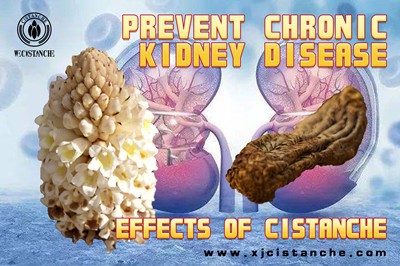
Cistanche tubulosa
Materials and methods
The patients who entered the hospital’s ICU of Botucatu Medical School from August 2016 to July 2017 and initiated vancomycin in the preceding 48 h were included in a prospective cohort study. The quick-SOFA tool was used to identify patients with sepsis [2]. The initial dose of vancomycin was 25 mg/kg at maintenance of 15 mg/kg. The dosing interval was 12/12 h up to 96/96 h, varying according to the serum concentration.
The following patients were excluded: patients who developed AKI in less than 48 h from the start of vancomycin use, patients with installed AKI before the introduction of vancomycin, patients with AKI of other etiologies (obstructive, vascular, glomerular, or ischemic AKI), kidney transplant, or stage V of chronic kidney disease (with estimated or measured serum creatinine clearance less than 15 mL/min), patients who were pregnant, or under 18 years old.
This study was registered in the Brazilian Registry of clinical trials (ReBEC) under Number RBR-4zrwtz and was approved by the Research Ethics Committee of Botucatu School of Medicine with number CAAE 65827117.4.0000.5411. All the research was performed following current regulations and a written informed consent statement was obtained from all participants or their legal guardians.
The patient included in the study had his clinical and laboratory evaluation taken daily by the same observer, who consulted his electronic medical record until his treatment with vancomycin or his clinical outcome ended.
The lowest value baseline creatinine was considered in 6 months if the prior creatinine or lower creatinine were available during hospitalization since the patient was not on dialysis. KDIGO used the AKI definitions as any of the following: increase in serum creatinine by 0.3 mg/dL or more within 48 h, or increase in serum creatinine to 1.5 times baseline or more within the last 7 days, or urine output less than 0.5 mL/kg/h for 6 h [5].

Cistanche extract
The serum toxic, subtherapeutic, and therapeutic concentrations were defined as trough concentrations higher than 20 mg/L, lower than 15 mg/L, and between 15 and 20 mg/L, respectively, in two consecutive dosages.
Frequency and measures of central tendency and dispersion were calculated for the categorical and continuous variables, respectively, and established as outcome variables: AKI and death. Student’s t-test was used to compare parametric variables between two groups and the Mann–Whitney test was used for non-parametric variables. Categorical variables were compared with the chi-square or Fisher’s exact test. Variables with significant univariate associations were considered as candidates for Cox regression analysis, which was performed using backward variable selection, with the exit criteria set at p < 0.20.
ROC curves were built to evaluate the cutoff points of serum concentration of vancomycin as predictors of the diagnosis and prognosis of AKI in the moments until the second day (T0-2), between the second and the fourth days (T2-4), and between the fourth and the sixth days (T4-6).
Areas under the curve (AUC) between 0.7 and 0.79 were considered a satisfactory performance and between 0.8 and 0.89 an optimum performance.
Using Lee Formula for an alpha error of 0.05 and study power of 80%, the sample size calculation was performed, and considering that the prevalence of the AKI outcome would be 30% higher in patients with a toxic concentration of vancomycin [12], 30 patients were estimated with toxic concentrations and 30 without toxic concentrations (total of 60 patients).

Cistanche pills
Effectiveness of Cistanche on Acute Kidney Injury
Acute kidney injury (AKI) is a condition characterized by rapid kidney damage that can lead to decreases in urine output, electrolyte imbalances, and complications that threaten the patient's life. There are currently no effective conventional treatments for preventing or delaying AKI progression, leading to an interest in alternative therapies like traditional Chinese medicine (TCM).
Cistanche, a plant used for centuries in TCM, has been found to have potential therapeutic effects on AKI. Recent research indicates that Cistanche extract may protect kidneys against oxidative stress, inflammation, apoptosis, and renal fibrosis - all associated with acute kidney injury.
Animal studies have demonstrated that Cistanche extract reduces kidney damage by promoting regeneration in tubular cells, preventing cell apoptosis, and improving the glomerular filtration rate. Additionally, clinical trials have shown that Cistanche extract increases urine output, improves GFR, and reduces blood urea nitrogen and serum creatinine levels in patients with AKI.
Cistanche extract has been used in combination with other Chinese herbal medicines in both animal models and human trials, indicating that the combined therapy can improve renal function and prevent or reduce renal scarring formation in AKI patients.
Despite promising results, the ideal dosage and long-term safety of Cistanche extract require standardization and further extensive research. Nonetheless, current evidence suggests that Cistanche has the potential to be an effective alternative or complementary therapy for AKI treatment. Patients need to consult with their healthcare provider before considering any alternative therapies to avoid adverse effects and ensure safety.
To conclude, the development of Cistanche extract as a potential therapy for AKI could significantly improve the management and prevention of this severe medical condition. Further studies and standardization are needed to evaluate the full pharmacological potential of Cistanche extract in treating AKI.
References
1. Lentini, P.; De Cal, M.; Clementi, A.; Angel, A.; Ronco, C. Sepsis and AKI in ICU patients: The Role of plasma biomarkers. Crit. Care Res. Pract. 2012, 2012, 856401.
2. Singer, M.; Deutschman, C.S.; Seymour, C.W.; Shankar-Hari, M.; Annane, D.; Bauer, M.; Bellomo, R.; Bernard, G.R.; Chiche, J.; Coopersmith, C.M.; et al. The Third International Consensus Definitions for Sepsis and Septic Shock (Sepsis3). JAMA 2016, 315, 801–810.
3. Schrier, R.W.; Wang, W. Acute Renal Failure and Sepsis. N. Engl. J. Med. 2004, 351, 159–169.
4. Zarjou, A.; Agarwal, A. Sepsis and Acute Kidney Injury. J. Am. Soc. Nephrol. 2011, 22, 999–1006.
5. Kidney Disease: Improving Global Outcomes (KDIGO) Acute Kidney Injury Work Group. KDIGO Clinical Practice Guideline for Acute Kidney Injury. Kidney Int. Suppl. 2012, 2, 1–138.
6. Eyler, R.F.; Mueller, B. Antibiotic dosing in critically ill patients with acute kidney injury. Nat. Rev. Nephrol. 2011, 7, 226–235.
7. Lewis, S.J.; Mueller, B.A. Antibiotic Dosing in Patients with Acute Kidney Injury. J. Intensiv. Care Med. 2014, 31, 164–176.
8. Zamoner, W.; Freitas, F.M.; Garms, D.S.S.; Oliveira, M.G.; Balbi, A.L.; Ponce, D. Pharmacokinetics and pharmacodynamics of antibiotics in critically ill acute kidney injury patients. Pharmacol. Nothing Perspect. 2016, 4, e00280.
9. Hiramatsu, K. Vancomycin resistance in Staphylococci. Drug Resist. Updates 1998, 1, 135–150.
10. Rybak, M.J.; Lomaestro, B.M.; Rotschafer, J.C.; Moellering, R., Jr.; Craig, W.; Billeter, M.; Dalovisio, J.R.; Levine, D.P. Therapeutic monitoring of vancomycin in adults summary of consensus recommendations from the American Society of Health-System Pharmacists, the Infectious Diseases Society of America, and the Society of Infectious Diseases Pharmacists. Pharmacotherapy 2009, 29, 1275–1279.
11. Fisherman, M.; Lomaestro, B.; Rotschafer, J.C.; Moellering, R., Jr.; Craig, W.; Billeter, M.; Dalovisio, J.R.; Levine, D.P. Therapeutic monitoring of vancomycin in adult patients: A consensus review of the American Society of Health-System Pharmacists, the Infectious Diseases Society of America, and the Society of Infectious Diseases Pharmacists. Am. J. Health-Syst. Pharm. 2009, 66, 82–98.
Welder Zamoner 1, Karina Zanchetta Cardoso Eid 1 , Lais Maria Bellaver de Almeida 1 , Isabella Gonçalves Pierri 1 , Adriano dos Santos 2 , André Luis Balbi 1 and Daniela Ponce 1
1. Botucatu School of Medicine, University São Paulo State—UNESP, Botucatu 18618-687, SP, Brazil; karinaeid27@gmail.com (K.Z.C.E.); bellaver.lais@gmail.com (L.M.B.d.A.); isagpierri@gmail.com (I.G.P.); andre.balbi@unesp.br (A.L.B.); daniela.ponce@unesp.br (D.P.)
2. Clinics Hospital Pharmacy, Botucatu School of Medicine, Botucatu 18618-687, SP, Brazil; adrianosantosbtu@yahoo.com.br