Part Ⅱ The Serum Concentration Of Vancomycin As A Diagnostic Predictor Of Nephrotoxic Acute Kidney Injury in Critically Ill Patients
May 10, 2023
Results
We evaluated 63 patients (Figure 1), aged 54.67 ± 18.7 years, with a male predominance (66.7%), BMI 26.1 ± 6.8, and the use of vancomycin for 11.4 ± 7.33 days. The vast majority of patients (92%) had performed the serum vancomycin measurement, the number of serum concentrations dosages and the number of posologic adjustments were 3.87 and 1.84, respectively; 53.96% were in concentrations considered toxic (higher than 20 mg/L), an average of 25.5 ± 11.90 mg/L. AKI prevalence was 44.4%, with stage KDIGO 3 being the most common (46.4%), and 46% died.

Clinical and laboratory variables are shown in Table 1, and vancomycin characteristics are shown in Table 2, distinguishing patients who developed AKI or not.


The only variable identified as a risk factor for AKI was the vancomycin concentration between the second and the fourth days (T2-4) in the Cox regression analysis (HR = 1.086, p = 0.009), without statistically significant differences in other variables, as shown in Table 3.

Vancomycin serum concentration in T2-4 days higher than 17.53 was a predictor of AKI with a sensitivity of 79.7% and specificity of 83.3% by ROC curve analysis, with an AUC of 0.806 (IC 95% 0.624–0.987, p = 0.011), as shown in Figure 2. AKI occurred on average on the sixth day of vancomycin use, and the founded value preceded the diagnosis of AKI by two days.

Based on the values of cutoff obtained by the ROC curve at 2 to 4 days, the free time curve for AKI was constructed. It was observed that in the group with serum concentration >20 mg/L the free time for the development of AKI was lower when compared to the group that had serum concentrations between 17.5 and 20 mg/L, which also presented shorter free time compared to the group with a serum concentration <17.5 mg/L, log-rank <0.001 (Figure 3).

Table 4 shows the clinical and laboratory variables, and Table 5 shows the characteristics related to vancomycin, distinguishing patients who died or survived.


When the two groups were analyzed using Cox regression, it was observed that the variables age (HR = 1.13, p= 0.018), glomerular filtration rate estimated by CKD-EPI (HR 1.23, p = 0.015), levels of serum concentration at the moment 2 to 4 days (HR = 1.60, p = 0.021) and mean C-protein reactive value (HR 1.26, p = 0.011) were identified as risk factors for death, as shown in Table 6.

Based on the values of cutoff obtained by the ROC curve at 2 to 4 days, the free time curve for death was constructed. it was observed that, in the group with serum concentration>20 mg/L, the free time for the development of AKI was lower when compared to the group that had serum concentrations between 17.5 and 20 mg/L, which also presented a lower free time compared to the group with a serum level <17.5 mg/L and log-rank 0.018, as shown in Figure 4.

Discussion
Due to the pharmacokinetic changes of the critical patient related to the drug distribution, elimination, and metabolization, two concerns still permeate vancomycin use, related to its efficacy and safety. There is an increased risk of subtherapeutic concentrations, which may compromise the treatment and induce bacterial resistance. On the other hand, it is a drug whose main side effect is nephrotoxicity, with AKI risk and short- and long-term problems.
This study assessed the impact of therapeutic monitoring of vancomycin on clinical outcomes. It is known that the serum concentration of vancomycin in the trough between 15 and 20 mg/L corresponds to an area under the curve over the minimum inhibitory concentration (AUC/MIC) equal to or greater than 400, determining the optimum activity of the antimicrobial [10,11]. However, the association between serum vancomycin concentration and clinical outcomes is poorly studied.
Were evaluated 182 critically ill patients using vancomycin, and 63 patients were included in the study. This difficulty of studying vancomycin nephrotoxicity arises from the following problem: high serum levels are a consequence or cause of AKI due to the accumulation of the drug, which is caused by a reduction in its renal whitening due to septic AKI, as approached by Álvarez et al. [12] and by American guideline [11]. Therefore, the presence of AKI already installed or started before 48 h of vancomycin use was an exclusion criterion for this study.
Most critically ill patients (92%) had performed the serum vancomycin measurement, and the mean measurements of serum concentrations and dose adjustments were 3.87 and 1.84, respectively. Considering that the average time of use was 11.43 days, and according to the protocol already established in the literature, there is an indication that it is not always serum concentrations determined and adjusted by the ICU team, which can contribute to subtherapeutic concentrations of the antimicrobial. Iwamoto et al. [13] found an increased risk of AKI and nephrotoxicity in patients who were not submitted to the monitoring of serum concentrations of vancomycin (OR = 0.25 and p < 0.05).
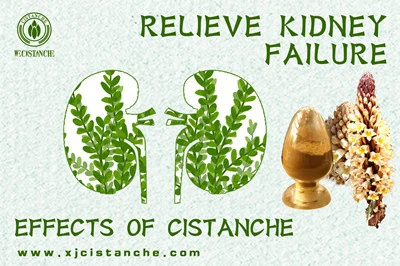
Click here to know the benefits of Cistanche
A study conducted by Davis et al. [14] assessed adherence to the guidelines established by the American consensus [11] and showed that only 19% of the institutions questioned used a standard definition to identify nephrotoxicity associated with vancomycin. The most current 2020 guidelines recommend using Bayesian-derived AUC monitoring rather than trough concentrations [14].
Despite the availability of therapeutic drug monitoring, there is difficulty in achieving and maintaining adequate serum concentrations, especially in the intensive care environment, due to the collection, the patient, and the pharmacokinetic variation of the drugs [8]. In our study, this difficulty also occurred, with high rates of toxic and subtherapeutic concentration.
AKI occurred in 44.4% of patients, with a mortality rate of 46%. On average, the development of AKI occurred on the sixth day of vancomycin use, compatible with data from the literature in which nephrotoxic AKI generally occurs from 4 to 8 days after the initiation of treatment [15,16]. Such data indicate that it was possible to evaluate the role of the nephrotoxicity of vancomycin as the cause of AKI in septic patients in ICUs. Since the role of sepsis was more critical than that of nephrotoxicity, the incidence of AKI (close to 60%), as well as mortality (higher than 70%), would be higher.
The only variable that showed an association with AKI by Cox regression analysis was the highest level of serum vancomycin between the second and fourth days. It differs from previous studies that identified other variables (use of vasoactive drugs, basal creatinine, and age) as predictors of AKI in ICU patients [17,18]. In our study, we evaluated a specific population using vancomycin after ICU admission, and patients with AKI were excluded before introducing the antimicrobial agent, which could justify the different risk factors identified in other studies.
Serum concentrations above 17.53 mg/L between the second and fourth day of use were an excellent predictor of AKI in the critical population, with AUC higher than 0.8 and sensitivity and specificity close to 80%, preceding the diagnosis of AKI in at least 48 h. However, this value is within the range considered therapeutic for severe infections (15–20 mg/L), suggesting that therapeutic concentrations should be less in the critical population due to the presence of other risk factors for AKI: advanced age, previously diminished renal function, dehydration, and the duration of sepsis; the concomitant administration with other nephrotoxic drugs, such as amphotericin B, aminoglycosides, intravenous contrast way, and loop diuretics; and the need for vasopressors due to hemodynamic instability [19,20]. A free time curve was built for AKI, stratifying the serum concentration levels in less than 17.5 mg/L, between 17.5 mg/L and 20 mg/L, and higher than 20 mg/L, showing the shorter free time and higher serum levels, with a significant difference between curves.

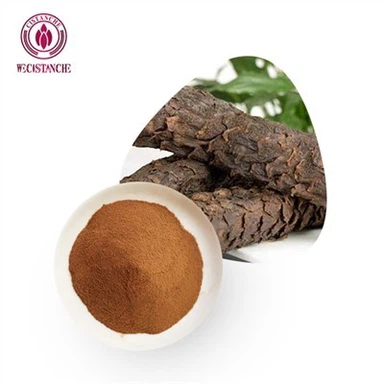
Cistanche tubulosa
Bosso et al. [15] evaluated 288 patients in a prospective multicentric study and found AKI in 29.6% of patients with serum concentrations levels higher than 15 mg/L and 8.9% of the patients with vancomycin concentrations lower than 15 mg/L. Gupta et al. [19] identified AKI incidence in 27% of patients, with vancomycin concentrations higher than 15 mg/L as a predictor of nephrotoxicity. Thus, it is questionable whether the ideal therapeutic concentrations aim to prevent AKI.
Age, mean PCR value, the serum concentration of vancomycin between the second and fourth days, and estimated glomerular filtration rate were associated with mortality. Chertow et al. [20] showed that small increases in serum creatinine were significantly associated with the increase in AKI patients’ mortality. Liangos et al. [21] found that chronic diseases such as diabetes Mellitus (DM) were associated with a higher risk of development of AKI, with a consequent increase in mortality. CPR concentration indicating systemic inflammation was shown in the literature associated with mortality, as presented by Villacorta et al. [22] in patients with heart failure, in which CPR > 3 mg/dL was associated with higher mortality in comparison to individuals with lower values (p = 0.018).
This study presents some limitations: the obtained sample was small due to the difficulty of studying nephrotoxicity in critically ill patients since there are many exclusion variables; the data were obtained in a single center; the agents’ resistance to vancomycin was not studied; and the serum concentration levels were not studied as a prognostic predictor of AKI (severity and need for acute renal support). Despite these limitations, this was the first study of the therapeutic monitoring of vancomycin to present cutoff values to refine the management in the population of septic patients in an intensive care scenario, when AUC cannot be used.
Conclusions
The current 2020 guidelines [23] recommend using Bayesian-derived AUC monitoring rather than trough concentrations. However, due to a higher number of laboratory analyses and the need for an application to calculate the AUC, many centers still use therapeutic trough levels between 15 and 20 mg/L. The results of this study suggest that a narrower range of serum concentration of vancomycin was a predictor of AKI in critically ill septic patients, preceding the diagnosis of AKI in at least 48 h, and can be a useful monitoring tool when AUC cannot be used.
When the early identification of serum vancomycin levels is performed, it is possible to make dose adjustments essential to prevent AKI or modify its natural history.

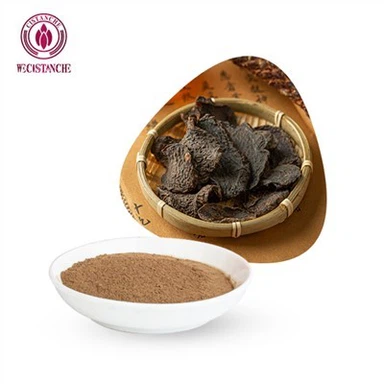
Cistanche supplements
Effectiveness of Cistanche Extract on Acute Kidney Injury
Acute kidney injury (AKI) is a serious medical condition that causes a sudden decline in renal function, often leading to mortality and morbidity if not treated immediately. While no specific treatment exists to prevent or delay the progression of AKI, traditional Chinese medicine (TCM) has been explored as an alternative therapy.
Cistanche extract, derived from the plant Cistanche deserticola, has been used in TCM for many years to treat various health conditions, including those related to renal function. Recent studies have focused on the effectiveness of Cistanche extract in preventing and treating AKI.
Animal models indicate that Cistanche extract administration significantly improves kidney function by reducing oxidative stress, inflammation, apoptotic cell death, and renal fibrosis. Moreover, studies on patients with cardiac surgery-associated AKI showed that Cistanche extract administration increased urine output, improved Glomerular Filtration Rate (GFR), and reduced serum levels of Urea nitrogen and Creatinine.
However, several limitations exist with Cistanche extract, including safety concerns with long-term uses, variability of concentrations, and mismatch between doses therefore, further research with larger samples, highly controlled protocols, and standardized preparations is necessary to fully evaluate the clinical efficacy of Cistanche extract on AKI prevention and management.
In conclusion, although Cistanche extract shows promise in reducing the severity of AKI, more extensive research on its therapeutic potential must be conducted to establish optimal dosage recommendations and long-term safety for clinical use. Alternative therapies like Cistanche extract can offer valuable contributions to the management and prevention of AKI. Patients should always consult their doctor before considering alternative therapies and avoid self-medication to ensure safety and avoid adverse effects.

Cistanche pills
References
10. Rybak, M.J.; Lomaestro, B.M.; Rotschafer, J.C.; Moellering, R., Jr.; Craig, W.; Billeter, M.; Dalovisio, J.R.; Levine, D.P. Therapeutic monitoring of vancomycin in adults summary of consensus recommendations from the American Society of Health-System Pharmacists, the Infectious Diseases Society of America, and the Society of Infectious Diseases Pharmacists. Pharmacotherapy 2009, 29, 1275–1279.
11. Fisherman, M.; Lomaestro, B.; Rotschafer, J.C.; Moellering, R., Jr.; Craig, W.; Billeter, M.; Dalovisio, J.R.; Levine, D.P. Therapeutic monitoring of vancomycin in adult patients: A consensus review of the American Society of Health-System Pharmacists, the Infectious Diseases Society of America, and the Society of Infectious Diseases Pharmacists. Am. J. Health-Syst. Pharm. 2009, 66, 82–98.
12. Alvarez, R.; López Cortés, L.E.; Molina, J.; Cisneros, J.M.; Pachón, J. Optimizing the clinical use of vancomycin. Antimicrob. Agents Chemother. 2016, 60, 2601–2609.
13. Iwamoto, T.; Kagawa, Y.; Kojima, M. Clinical Efficacy of Therapeutic Drug Monitoring in Patients Receiving Vancomycin. Biol. Pharm. Bull. 2003, 26, 876–879.
14. Davis, S.L.; Scheetz, M.H.; Bosso, J.A.; Goff, D.A.; Rybak, M.J. Adherence to the 2009 Consensus Guidelines for Vancomycin Dosing and Monitoring Practices: A Cross-Sectional Survey of U.S. Hospitals. Pharmacother. J. Hum. Pharmacol. Drug Ther. 2013, 33, 1256–1263.
15. Bosso, J.A.; Nappi, J.; Rudisill, C.; Wellein, M.; Bookstaver, P.B.; Swindler, J.; Mauldin, P.D. Relationship between vancomycin trough concentrations and nephrotoxicity: A prospective multicenter trial. Antimicrob. Agents Chemother. 2011, 55, 5475–5479.
16. Okamoto, T.Y.; Yoshihara Dias, J.C.; Taguti, P.; Sacon, M.F.; Cup, I.A.M.; Carrilho, C.M.D.M.; Cardoso, L.T.Q.; Grion, C.M.C.; Matsuo, T. Acute renal injury in patients with severe sepsis: Prognostic factors. Sci. Med. 2012, 22, 138–141.
17. Ponce, D.; Zorzenon, C.d.P.F.; Santos, N.Y.; Teixeira, U.A.; Balbi, A.L. Acute kidney injury in intensive care unit patients: A prospective study on incidence, risk factors, and mortality. Rev. Bras. Ter. Intensiva 2011, 23, 321–326.
18. Elyasi, S.; Khalili, H.; Dashti-Khavidaki, S.; Mohammadpour, A. Vancomycin-induced nephrotoxicity: Mechanism, incidence, risk factors, and special populations. A literature review. Eur. J. Clin. Pharmacol. 2012, 68, 1243–1255.
19. Gupta, A.; Biyani, M.; Khaira, A. Vancomycin nephrotoxicity: Myths and facts. Neth. J. Med. 2011, 69, 379–383.
20. Chertow, G.M.; Burdick, E.; Honour, M.; Bonventre, J.V.; Bates, D.W. Acute kidney injury, mortality, length of stay, and costs in hospitalized patients. J. Am. Soc. Nephrol. 2005, 16, 3365–3370.
21. Liangos, O.; Wald, R.; O’ Bell, J.W.; Prince, L.; Pereira, B.J.; Jaber, B.l. Epidemiology and outcomes of acute renal failure in hospitalized patients: A national survey. Clin. J. Am. Soc. Nephrol. 2006, 1, 43–51.
22. Villacorta, H.; Masetto, A.C.; Mosque, E.T. C-Reactive Protein: An Inflammatory Marker with Prognostic Value in Patients with Decompensated Heart Failure. Arq. Bras. Cardiol. 2007, 88, 585–589.
23. Rybak, M.J.; Le, J.; Lodise, T.P.; Levine, D.P.; Bradley, J.S.; Liu, C.; Mueller, B.A.; Pai, M.P.; Wong-Beringer, A.; Rotschafer, J.C. Therapeutic monitoring of vancomycin for serious methicillin-resistant Staphylococcus aureus infections: A revised consensus guideline and review by the American Society of Health-System Pharmacists, the Infectious Diseases Society of America, the Pediatric Infectious Diseases Society, and the Society of Infectious Diseases Pharmacists. Am. J. Health Syst. Pharm. 2020, 19, 835–864.
Welder Zamoner 1, Karina Zanchetta Cardoso Eid 1 , Lais Maria Bellaver de Almeida 1 , Isabella Gonçalves Pierri 1 , Adriano dos Santos 2 , André Luis Balbi 1 and Daniela Ponce 1
1. Botucatu School of Medicine, University São Paulo State—UNESP, Botucatu 18618-687, SP, Brazil; karinaeid27@gmail.com (K.Z.C.E.); bellaver.lais@gmail.com (L.M.B.d.A.); isagpierri@gmail.com (I.G.P.); andre.balbi@unesp.br (A.L.B.); daniela.ponce@unesp.br (D.P.)
2. Clinics Hospital Pharmacy, Botucatu School of Medicine, Botucatu 18618-687, SP, Brazil; adrianosantosbtu@yahoo.com.br