Part Two Effect Of Influenza Vaccination On The Outcomes Of Hospitalization For Kidney Disease in A Geriatric Population: A Propensity-score Matched Study
Jun 16, 2023
Results
The unmatched baseline characteristics of patients with KD who did or did not receive IV are shown in Table 1 (N = 22,590). After matching (Table 2), no differences in the baseline characteristics were observed between patients with KD who did or did not receive IV (N = 8772).


Before matching by propensity score (S1 Table), IV was associated with mortality (OR 0.66, 95% CI 0.50–0.88), septicemia (OR 0.83, 95% CI 0.76–0.92), and intensive care (OR 0.87, 95% CI 0.79–0.95). After propensity-score matching (Table 3), patients with KD and a previous IV had lower risks of septicemia (OR 0.77, 95% CI 0.68–0.87), need for intensive care (OR 0.85, 95% CI 0.75–0.96), and in-hospital mortality (OR 0.56, 95% CI 0.39–0.82), compared with the control group. The length of hospital stay (10.0±11.5 vs. 11.4±15.1 days, p<0.0001) and medical expenditures (1973±3157 vs. 2294±3580 US dollars, p<0.0001) were both lower in patients with KD who received IV than in non-IV controls. After propensity-score matching, the linear regression analyses showed that IV was associated with reduced length of hospital stay (beta = -1.4, p<0.0001) and medical expenditures (beta = -320.8, p<0.0001).

After propensity-score matching, the stratified analysis (Table 4) showed that receiving IV was associated with reduced adverse events during KD admission (including septicemia, intensive care, and mortality) among men (OR 0.72, 95% CI 0.60–0.87), women (OR 0.79, 95% CI 0.67–0.93), and patients aged 75–79 years (OR 0.78, 95% CI 0.62–0.98), 80–84 years (OR 0.67, 95% CI 0.51–0.87), and ≥85 years (OR 0.66, 95% CI 0.49–0.90). In addition, IV was associated with adverse events in patients with one medical condition (OR 0.61, 95% CI 0.50–0.74).

Discussion
As shown in the present study, elderly patients receiving IV within the previous 12 months had reduced risks of septicemia, intensive care, and mortality during hospitalizations for KD. A shorter length of hospital stay and lower medical expenditures were also noted in IV users compared to non-IV patients during KD admission. The beneficial effect of IV was especially significant in patients with KD aged ≥ 75 years. To our knowledge, this study is the first to focus on the short-term outcomes during KD admission, which provides an important clinical implication in the context of kidney failure.

Click here to know what are the benefits of Cistanche and to buy Cistanche products
Few studies have investigated the relationship between IV and KD outcomes [20–24]. Compared with previous studies [20–24], we included a variety of kidney diseases and performed a comprehensive evaluation of critical outcomes in patients with KD to increase the generalizability of our results. A prior IV was associated with lower risks of all-cause mortality, septicemia, and the need for intensive care, consistent with previous studies [20–24]. Although the rates of pneumonia and stroke were lower in the vaccine cohort than in the control cohort, the association did not reach statistical significance, in contrast to some studies [13, 16, 17, 21]. This discrepancy is possibly attributable to our relatively shorter follow-up period compared with previous studies [13, 16, 21]. IV before hospitalization reduces the risks of mortality and readmission among geriatric populations admitted with pneumonia [25, 26]. Based on our results, the protective effect of IV may be generalizable to hospitalized patients with KD, irrespective of the types of kidney disease and different medical conditions. Notably, our stratified analyses showed that the association between IV and a reduced number of adverse events was stronger in the subgroup of age ≥ 75 years, consistent with some other studies [22, 23].

Cistanche tubulosa
We proposed the following explanations for the observed phenomena in this study. First, patients with influenza virus infection are susceptible to a secondary bacterial infection, which contributes to serious complications, such as mortality and the need for intensive care [27]. IV may protect against secondary bacterial infections by preventing influenza infection and improving the in-hospital outcome during KD admission. Second, previous studies suggested that IV reduces the risk of hospitalizations for influenza, pneumonia, cardiovascular diseases, and all-cause mortality [13–19, 22, 23, 25, 26]. Influenza infection might exacerbate coexisting diseases, especially in fragile patients with KD. The health condition of vaccine recipients may have been better than nonrecipients and hence improved in-hospital outcomes of KD hospitalization. Third, hospitalized patients are susceptible to nosocomial influenza and pneumonia [16, 28]. A prior IV might protect against possible nosocomial infections and thereby reduce overall mortality. Fourth, we found that IV was associated with fewer adverse events in patients aged ≥ 75 years but not < 75 years. Based on this finding, older people are more vulnerable to influenza infection and associated complications than younger people [29]. Therefore, older patients might have benefitted more from IV than their younger counterparts in this study. Finally, patients receiving IV annually might have higher levels of health consciousness, ambulatory independence, and support from family members and social networks than nonrecipients. Patients’ knowledge, attitudes, and practice of health behaviors and socioeconomic factors may influence the outcomes of patients with KD [30, 31].

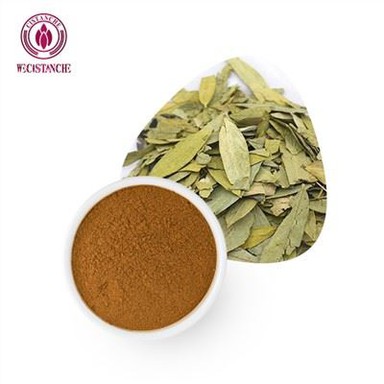
Cistanche extract
Our results indicate an urgent need to promote IV for elderly patients with KD. However, the administration of vaccines to this vulnerable population is challenging. Antibody responses to IV, measured as seroconversion and seroprotection, decrease with increasing age [32]. The immunogenicity of the influenza vaccine is also attenuated in patients with kidney failure [33]. Current guidelines highly recommend the annual administration of seasonal inactivated influenza vaccines to adults with KD [34]. Among geriatric patients with KD, a high-dose trivalent influenza vaccine may be safe and immunogenic [35, 36]. In addition, an MF59-adjuvanted influenza vaccine exhibited better immunogenicity in patients with end-stage renal disease in a previous study [37]. Regarding the optimal influenza vaccine schedules for patients with KD, sufficient scientific evidence from large-scale randomized trials is unavailable [35, 38].
Our study has some limitations. First, distinct serotypes of seasonal influenza vaccines and vaccine adjuvants may activate different levels of immunogenic reactions [37, 39]. Although the present study was unable to standardize types of vaccines, we used the stated serotypes of vaccines used each year. Second, our database did not contain information on host-related factors that may affect influenza vaccine responsiveness, such as preexisting immunity and genetic polymorphisms [40]. Third, baseline kidney function and the duration of KD for each subject were unknown due to data unavailability. Fourth, the cause of death was unclear, and a causal relationship between vaccination and a reduced mortality rate is difficult to infer. Fifth, we did not measure markers of inflammatory and immune responses and therefore were unable to elucidate the biological mechanism underlying the results of our statistical analyses. Finally, we admitted that residual confounding possibly existed in this study since we were unable to control all potential confounding factors in the current analysis.

Standardized Cistanche
In conclusion, prior receipt of IV was significantly associated with reduced mortality, septicemia, and the need for intensive care in geriatric patients hospitalized for KD. Additionally, vaccine recipients had a shorter length of hospitalization and lower medical expenditures than nonrecipients. The protective effect of IV was especially significant in patients aged ≥75 years. These results provide evidence to promote the delivery of influenza vaccines to patients with KD as a prophylactic measure to protect against adverse events.
References
13. Nichol KL, Nordin JD, Nelson DB, Mullooly JP, Hak E. Effectiveness of influenza vaccine in the community-dwelling elderly. N Engl J Med. 2007; 357: 1373–1381. https://doi.org/10.1056/NEJMoa070844 PMID: 17914038
14. Liu WC, Lin CS, Yeh CC, Wu HY, Lee YJ, Chung CL, et al. Effect of IV against postoperative pneumonia and mortality for geriatric patients receiving major surgery: A nationwide matched study. J Infect Dis. 2018; 217: 816–826. https://doi.org/10.1093/infdis/jix616 PMID: 29216345
15. Voordouw AC, Sturkenboom MC, Dieleman JP, Stijnen T, Smith DJ, van der Lei J, et al. Annual revaccination against influenza and mortality risk in community-dwelling elderly persons. JAMA. 2004; 292: 2089–2095. https://doi.org/10.1001/jama.292.17.2089 PMID: 15523069
16. Nichol KL, Nordin J, Mullooly J, Lask R, Fillbrandt K, Iwane M. Influenza vaccination and reduction in hospitalizations for cardiac disease and stroke among the elderly. N Engl J Med. 2003; 348: 1322– 1332. https://doi.org/10.1056/NEJMoa025028 PMID: 12672859
17. Lam F, Chen TL, Shih CC, Lin CS, Yeh CC, Lee YJ, et al. Protective effect of influenza vaccination on outcomes in geriatric stroke patients: A nationwide matched cohort study. Atherosclerosis. 2019; 282: 85–90. https://doi.org/10.1016/j.atherosclerosis.2019.01.008 PMID: 30711633
18. Huang HH, Chen SJ, Chao TF, Liu CJ, Chen TJ, Chou P, et al. Influenza vaccination and risk of respiratory failure in patients with chronic obstructive pulmonary disease: A nationwide population-based case-cohort study. J Microbiol Immunol Infect. 2019; 52: 22–29. https://doi.org/10.1016/j.jmii.2017.08. 014 PMID: 28927683
19. Sung LC, Chen CI, Fang YA, Lai CH, Hsu YP, Cheng TH, et al. Influenza vaccination reduces hospitalization for acute coronary syndrome in elderly patients with chronic obstructive pulmonary disease: a population-based cohort study. Vaccine. 2014; 32: 3843–3849. https://doi.org/10.1016/j.vaccine.2014. 04.064 PMID: 24837769
20. Bond TC, Spaulding AC, Krisher J, McClellan W. Mortality of dialysis patients according to influenza and pneumococcal vaccination status. Am J Kidney Dis. 2012; 60: 959–965. https://doi.org/10.1053/j. asked.2012.04.018 PMID: 22694948
21. Wang IK, Lin CL, Lin PC, Liang CC, Liu YL, Chang CT, et al. Effectiveness of influenza vaccination in patients with end-stage renal disease receiving hemodialysis: A population-based study. PLoS One. 2013; 8: e58317. https://doi.org/10.1371/journal.pone.0058317 PMID: 23516462
22. Chen CI, Kao PF, Wu MY, Fang YA, Miser JS, Liu JC, et al. Influenza vaccination is associated with a lower risk of acute coronary syndrome in elderly patients with chronic kidney disease. Medicine (Baltimore). 2016; 95: e2588. https://doi.org/10.1097/MD.0000000000002588 PMID: 26844466
23. Fang YA, Chen CI, Liu JC, Sung LC. Influenza vaccination reduces hospitalization for heart failure in elderly patients with chronic kidney disease: A population-based cohort study. Acta Cardiol Sin. 2016; 32: 290–298. https://doi.org/10.6515/acs20150424l PMID: 27274169
24. Wang IK, Lin CL, Lin PC, Chang SN, Chou CY, Yen TH, et al. Seasonal influenza vaccination is associated with reduced morbidity and mortality in peritoneal dialysis patients. Nephrol Dial Transplant. 2016; 31: 269–274. https://doi.org/10.1093/ndt/gfv360 PMID: 26453199
25. Berry BB, Ehlert DA, Battiola RJ, Sedmak G. Influenza vaccination is safe and immunogenic when administered to hospitalized patients. Vaccine. 2001; 19: 3493–3498. https://doi.org/10.1016/s0264- 410x(01)00068-8 PMID: 11348716
26. Herzog NS, Bratzler DW, Houck PM, Jiang H, Nsa W, Shook C, et al. Effects of previous influenza vaccination on subsequent readmission and mortality in elderly patients hospitalized with pneumonia. Am J Med. 2003; 115: 454–461. https://doi.org/10.1016/s0002-9343(03)00440-6 PMID: 14563502
27. MacIntyre CR, Chughtai AA, Barnes M, Ridda I, Seale H, Toms R, et al. The role of pneumonia and secondary bacterial infection in fatal and serious outcomes of pandemic influenza an (H1N1)pdm09. BMC Infect Dis. 2018; 18: 637. https://doi.org/10.1186/s12879-018-3548-0 PMID: 30526505
28. Nichol KL, Wuorenma J, von Sternberg T. Benefits of influenza vaccination for low-, intermediate-, and high-risk senior citizens. Arch Intern Med. 1998; 158: 1769–1776. https://doi.org/10.1001/archinte.158. 16.1769 PMID: 9738606
29. Thompson WW, Shay DK, Weintraub E, Brammer L, Bridges CB, Cox NJ, et al. Influenza-associated hospitalizations in the United States. JAMA. 2004; 292: 1333–1340. https://doi.org/10.1001/jama.292. 11.1333 PMID: 15367555
30. Taylor DM, Fraser S, Dudley C, Oniscu GC, Tomson C, Ravanan R, et al. Health literacy and patient outcomes in chronic kidney disease: a systematic review. Nephrol Dial Transplant. 2018; 33: 1545– 1558. https://doi.org/10.1093/ndt/gfx293 PMID: 29165627
31. Hounkpatin HO, Fraser SDS, Johnson MJ, Harris S, Uniacke M, Roderick PJ. The association of socioeconomic status with incidence and outcomes of acute kidney injury. Clin Kidney J. 2019; 13: 245–252. https://doi.org/10.1093/ckj/sfz113 PMID: 32297881
32. Goodwin K, Viboud C, Simonsen L. Antibody response to influenza vaccination in the elderly: a quantitative review. Vaccine. 2006; 24: 1159–1169. https://doi.org/10.1016/j.vaccine.2005.08.105 PMID: 16213065
33. Kosmadakis G, Albaret J, Correia EDC, Somda F, Aguilera D. Vaccination practices in dialysis patients: A narrative review. Semin Dial. 2018; 31: 507–518. https://doi.org/10.1111/sdi.12709 PMID: 29742283
34. Kidney Disease: Improving Global Outcomes (KDIGO) CKD Work Group. KDIGO 2012 practice guideline for the evaluation and management of chronic kidney disease. Kidney Int. 2012; 2013(Suppl 3): 1–150.
35. Kim DK, Riley LE, Hunter P. Recommended immunization schedule for adults aged 19 years or older, United States, 2018. Ann Intern Med. 2018; 168: 210–220. https://doi.org/10.7326/M17-3439 PMID: 29404596
36. Bosaeed M, Kumar D. Seasonal influenza vaccine in immunocompromised persons. Hum Vaccin Immunother. 2018; 14: 1311–1322. https://doi.org/10.1080/21645515.2018.1445446 PMID: 29485353
37. Noh JY, Song JY, Choi WS, Lee J, Seo YB, Kwon YJ, et al. Immunogenicity of trivalent influenza vaccines in patients with chronic kidney disease undergoing hemodialysis: MF59-adjuvanted versus nonadjuvanted vaccines. Hum Vaccin Immunother. 2016; 12: 2902–2908. https://doi.org/10.1080/ 21645515.2016.1191717 PMID: 27802078
38. Kumar D, Blumberg EA, Danziger-Isakov L, Kotton CN, Halasa NB, Ison MG, et al. Influenza vaccination in the organ transplant recipient: review and summary recommendations. Am J Transplant. 2011; 11: 2020–2030. https://doi.org/10.1111/j.1600-6143.2011.03753.x PMID: 21957936
39. Gomez Lorenzo MM, Fenton MJ. Immunobiology of influenza vaccines. Chest. 2013; 143: 502–510. https://doi.org/10.1378/chest.12-1711 PMID: 23381315
40. Castrucci MR. Factors affecting immune responses to the influenza vaccine. Hum Vaccin Immunother. 2018; 14: 637–646. https://doi.org/10.1080/21645515.2017.1338547 PMID: 28617077
Chien-Chang LiaoID1,2,3,4,5, Ying-Hsuan Tai3,6, Chun-Chieh Yeh7,8, Yung-Ho Hsu9 , TaLiang Chen2,3,10, Yih-Giun CherngID3,6
1 Department of Anesthesiology, Taipei Medical University Hospital, Taipei, Taiwan,
2 Anesthesiology and Health Policy Research Center, Taipei Medical University Hospital, Taipei, Taiwan,
3 Department of Anesthesiology, School of Medicine, College of Medicine, Taipei Medical University, Taipei, Taiwan,
4 Research Center of Big Data and Meta-Analysis, Wan Fang Hospital, Taipei Medical University, Taipei, Taiwan,
5 School of Chinese Medicine, College of Chinese Medicine, China Medical University, Taichung, Taiwan,
6 Department of Anesthesiology, Shuang Ho Hospital, Taipei Medical University, New Taipei City, Taiwan,
7 Department of Surgery, China Medical University Hospital, China Medical University, Taichung, Taiwan,
8 Department of Surgery, University of Illinois, Chicago, Illinois, United States of America,
9 Department of Nephrology, Shuan Ho Hospital, Taipei Medical University, New Taipei City, Taiwan,
10 Department of Anesthesiology, Wan Fang Hospital, Taipei Medical University, Taipei, Taiwan