Part2: Polyphenols As A Diet Therapy Concept For Endometriosis—Current Opinion And Future Perspectives
Mar 18, 2022
For more information, contact tina.xiang@wecistanche.com
Click the link for Part 1: https://www.xjcistanche.com/news/polyphenols-as-a-diet-therapy-concept-for-endo-55045838.html
5. Potential of Polyphenol Compounds in Endometriosis Management
There are increasing investigations about the beneficial effect of bioactive compounds in preventing chronic non-communicable diseases, including cardiovascular diseases and cancers. Several studies have evaluated the relationship between polyphenols' administration, such as flavonoids and phytoestrogens, and female cancer risk. Grosso et al. (2016)observed that regular consumption of diets rich in flavonoids is associated with decreased breast and ovarian cancer risk [80]. In the meta-analysis, Micek et al.(2020)have found that higher dietary intake of phytoestrogens (i.e., isoflavones)is inversely correlated with the risk of breast cancer mortality and recurrence [81]. Endometriosis and breast cancer are estrogen-dependent conditions and share similar cellular processes like proliferation, invasion, neo-angiogenesis, metastases, and reproduction-associated risk factors. Significant similarities between endometriosis and cancer encourage investigating the protective effect of natural bioactive molecules against this disease [82].
Moreover, endometriosis has been linked to chronic systemic inflammation, oxidative stress, and an atherogenic lipid profile, leading to initiating and maintaining cardiovascular diseases [83]. The meta-analysis showed the linear relationship between increased dietary intake of total flavonoids and a lower risk of cardiovascular disease [84]. Similar dietary patterns rich in bioactive food compounds may exert beneficial effects toward endometriosis.
Specific plant-derived bioactive compounds, exhibiting anti-proliferative, anti-oxidant, anti-inflammatory, anti-angiogenic, pro-apoptotic, immunomodulatory, and estrogen modulating activities, can affect different pathways involved in endometriosis's etiopathogenesis and provide new strategies for treating or regressing endometriosis [85,86]. Numerous preclinical research and clinical trials in endometriosis studies have attributed to phytochemicals a broad range of beneficial biological activities and described molecular mechanisms and pathways through which they may effectively influence disease progression [68,87]. The studies on potential therapeutic phytochemicals had mostly focused on polyphenolic compounds.
Click here to learn more details
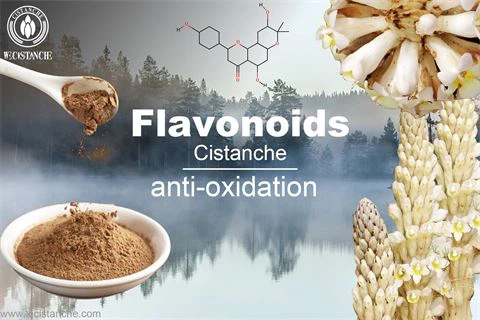
Polyphenols comprise a large group of bioactive compounds synthesized by plants that are an integral part of the human diet, widely recognized for their multiple functional health-promoting benefits, mainly anti-oxidant and anti-inflammatory properties, with importance in endometriosis [88]. Phenol-Explorer, the first comprehensive database on polyphenol content in foods(http://phenol-explorereu/)(accessed on 12 April 2021), classifies polyphenols into six primary groups: flavonoids, lignans, non-phenolic metabolites, other polyphenols, phenolic acids, and stilbenes. Flavonoids constituting the largest group of dietary polyphenols have been divided into nine subgroups, including anthocyanins, chalcones, dihydrochalcones, dihydro flavonols, flavonols, flavanones, flavones, flavonols, and isoflavonoids(http://phenol-explorer.eu/)(accessed on 12 April 2021). The above classification has been applied to organize structurally different polyphenol compounds as promising candidates for developing novel strategies in treating endometriosis. This article describes polyphenols' molecular action profiles, which target fundamental disease processes complex pathophysiology. Table 1 summarizes polyphenols' mechanisms of action and molecular targets in endometriosis management.


5.1. Flaconoids
5.1.1.Flavonols Quercetin
Quercetin is a naturally occurring flavonol found in various fruits and vegetables such as onions, cauliflower, apples, berries, and chili peppers [89]. Quercetin exerts the anticancer effects by reducing cancer cell viability and enhancing apoptosis and autophagy through the modulation of Akt, mammalian target of rapamycin (mTOR), and HIF-1αsignaling pathways [130]. An in vitro study demonstrated that quercetin inhibits cell proliferation and induces cell cycle arrest and apoptosis in endocervical cell lines VK2/E6E7 and End1/E6E7. Cell apoptosis symptoms included DNA fragmentation, loss of mitochondrial membrane potential, and downregulation of extracellular signal-regulated kinase 1/2(ERK1/2), p38 mitogen-activated protein kinase (p38 MAPK), and AKT signaling molecules [89].
Antiproliferative and anti-inflammatory effects of intraperitoneally injected quercetin were observed in an auto-implanted mouse model of endometriosis. A decrease in cyclin D1 expression in the luminal and glandular epithelium was observed in response to quercetin injection [89]. In rats with induced endometriosis, quercetin administration significantly decreased endometrial implants size and serum E2 and TNF-α levels compared to the related control group. The results indicated that quercetin treatment significantly increased antioxidant NAD(P)H enzyme quinone oxidoreductase 1(NOO1)activity and its major transcription factor nuclear factor erythroid 2-related factor 2(Nrf2)expression. The study depicted that quercetin, unlike conventional treatments of endometriosis, does not undesirably affect estrogen and progesterone production, emphasizing an advantage of this compound over the currently used medications. Furthermore, regression of endometrial lesions was found as an effect of enhanced autophagy through mTOR inhibition and overexpression autophagy-related markers, including Beclin-1 and Atg5, after the combined treatment with quercetin and metformin [90].
Favorable effects of natural active ingredients affecting the main pathophysiological path-ways of endometriosis demonstrated in preclinical models require proof in clinical trials. Signorile et al. (2018) investigated 30 patients defined as stage IV of endometriosis treated for three months with a dietary supplement containing, e.g.,200 mg quercetin. Clini cians assessed the reduction in the inflammatory response and endometriosis's symptoms and its harmful effects on affected organs in patients with endometriosis. Experimental data obtained proved a significant effect in reducing the pain and other disabling disease symptoms in the patients treated with a dietary supplement. The substantial decrease in serum PGE2 levels observed after treatment indicated supplement anti-inflammatory potential. Moreover, in treated patients, the endometriosis foci size was reduced due to the decreased serum CA-125 concentration, as the authors believe. The authors suggest that further studies of dietary supplements combined with standard therapies are necessary to establish potentially practical new endometriosis treatment strategies [91].

5.1.2.Flavones Apigenin
Scientists suggest that apigenin(4',5,6-trihydroxy flavone), present in significant amounts in various fruits (apples, grapes, oranges) and vegetables (onion, parsley, celery), is suitable for the prevention and treatment of diverse diseases such as diabetes, metabolic disorders, cardiovascular and neuronal diseases, and cancers [131]. Apigenin prevents or inhibits disease progression by the involvement in cell cycle arrest, apoptosis induction, anti-inflammatory, and free radical scavenging mechanisms; thus, it is also proposed as a potential therapeutic agent in reproductive disorders [92]. In this context, apigenin reduced the proliferation of two human endometriotic cell lines in a dose-dependent manner and induced apoptosis by inhibition of phosphorylation of ERK1/2 and c-Jun N-terminal kinase (JNK)proteins and increasing pro-apoptotic proteins, including BAX and cytochrome c. Additionally, apigenin-treated cells accumulated excessive ROS experienced lipid peroxidation and endoplasmic reticulum stress, and lost mitochondrial membrane potential with an increase in calcium ions in the cytosol [92]. In another study, apigenin reduced mitogenic activity, inflammatory response, and attenuated TNF-α-induced cell proliferation and COX-2/PGE2 synthesis via the inactivation of the NF-kB pathway in endometriotic stromal cells [93]. The biological potential of apigenin derivatives-rich extracts obtained from A. austriaca flowers has been shown in a rat endometriosis model. The most active apigenin-rich fraction remarkably decreased adhesion and endometriotic implant volumes and TNF-α, VEGF, and I-6 levels [94]. Consistent with apigenin's biological activity results, this flavone is suggested as a potential novel therapeutic agent to overcome current limitations in preventing or treating endometriosis. However, further preclinical basic research and clinical trials, in particular, are strongly required.
Baicalein
Baicalein (5,6,7-trihydroxy flavone)is a flavonoid derived from Scutellaria baicalensis Georgi's root, a traditional herb in Chinese herbal medicine [132]. Baicalein's pharmaco-logical properties, such as anti-tumor, anti-bacterial, anti-viral, anti-allergic, anti-oxidant, and cytoprotective effects, have been reviewed recently [95]. Anti-cancer effects, target mechanisms, and signaling pathways of baicalein are of increasing interest from scientists. Baicalein has been studied in many types of malignancy, including bladder, melanoma, prostate, and breast cancer, as well as in gynecologic tumors such as cervical and ovarian cancer [133]. Baicalein strongly inhibited the proliferation of breast cancer MCF-7 cells and induced apoptosis via suppressing 17β-estradiol-induced transactivation [134]Other in vivo studies revealed the inhibitory effect of baicalein against cervical cancer [135]. Molecular mechanisms described so far include regulation of cell cycle by inhibition several cyclins or cyclin-dependent kinases(CDK), cell proliferation arresting through the Wnt/β-catenin signaling pathway, suppression of PD-L1 expression to promote anti-tumor immunity, as well as induction of apoptosis and autophagy via the ERK/phosphatidylinositol-4,5-bisphosphate 3-kinase (PI3K)/Akt pathway and caspase activation [136-138]. Due to the reported anti-tumor properties, Jin et al. (2017) and Ke et al. (2021)evaluated baicalein anti-endometriotic potential using human endometrial stromal cells in vitro. The results indicated that baicalein reduces ectopic endometrial stromal cell viability and induces apoptosis through the NF-kB signaling pathway. Following baicalein treatment, the level of anti-apoptotic protein BCL-2 decreased significantly. The number of cells in the G1 phase increased with a simultaneous decline in the number of cells in the S and G2/M phases compared with non-treated control cells [95]. More recent findings indicate that baicalein reduces ectopic endometrial stromal cell invasiveness, as demonstrated by analysis of invasion-related proteins, including MMP-9, MMP-2, and membrane type 1-matrix metalloproteinase (MT1-MMP)[96]. In a mouse model of endometriosis, intraperitoneal administration of baicalein inhibited ectopic lesions growth, reduced MT1-MMP, proprotein convertase of MMPs(FURIN), and TGFB1 expression. Thus, baicalein with a potent pro-apoptotic and anti-invasive activity may provide a novel treatment strategy for endometriosis, as the authors suggested [96]. Promising preclinical research results indicate that undertaking clinical studies on endometriosis treatment with baicalein is warranted and recommended to obtain strong evidence for therapeutic baicalein potential.
Wogonin
Wogonin (O-methylated flavone), another flavonoid compound found in Scutellaria baicalensis Georgi root extract, has been reported in preclinical studies as an anti-tumor agent[97]. An anti-proliferative effect of wogonin has been analyzed in human endometrial stromal T-HESC cell line and primary stromal cell cultures established from endometrial biopsies from women with endometriosis. In these in vitro models, wogonin significantly inhibited primary and T-HESC cell proliferation causing cell cycle arrest at the G2/M phase and attenuating the ERa expression. In a murine model of endometriosis, wogonin reduced lesion size and decreased the number of cells in the proliferation state, simultaneously increasing the number of apoptotic cells [97].
5.1.3. Isoflavonoids Daidzein and Genistein
Isoflavones, a subgroup of the flavonoids found in soybeans, share a similar structure with estradiol but reportedly display antagonistic estrogen properties [22]. Structural similarities due to their heterocyclic phenolic structure facilitate isoflavones binding to estrogen receptors ERα and ERβ and mimic estrogenic actions [139]. Soy isoflavones are found mainly as glycosides with daidzein and genistein are the major representative isoflavone aglycones abundant in soybeans, which are converted by β-glycosidase derived from bacteria that colonize the small and large intestine [140,141].
A few in vitro and in vivo studies have investigated the effect of isoflavones on endometriosis. Daidzein-rich isoflavone aglycones(DRIA)inhibited cell proliferation of the endometriotic stromal cells at clinically relevant concentrations. DRIAs led to reduced expression of I-6, IL-8, COX-2, and limited aromatase activity, as well as decreased levels of glucocorticoid-regulated kinase and PGE, in serum. DRIAs also reduced the number, weight, and Ki-67 proliferative activity of endometriosis-like lesions in the murine endometriotic model [142]. Another study showed that genistein causes regression of an endometriotic implant in a rat model. In the presence of estrogen, genistein has demonstrated antagonistic estrogen activity on endometriotic implants [98]. The results from animal studies indicate DRIAs as a potential therapeutic agent for improving treatment strategies in endometriosis.
Clinical research showed the reduced risk of endometriosis development following soy isoflavones' ingestion. A significant correlation between higher urinary isoflavone levels(genistein and daidzein) and decreased risk of advanced endometriosis(stage I and IV), but not early endometriosis (stage I and II) occurrence, was observed within a case-control study involving Japanese women [99]. Future clinical studies and meta-analyses focusing on the benefits of phytoestrogen-rich product consumption by endometriosis patients are strongly required.
Puerarin
Puerarin is the primary bioactive ingredient isolated from the root of the Pueraria lobata. It has proven potential in managing cardiovascular diseases, cerebrovascular disorders, cancer, Parkinson's disease, Alzheimer's disease, diabetes, and diabetic complications[143]. Puerarin exerted a vasodilatory effect by activating large conductance voltage and calcium-activated potassium channels in rat models. Puerarin could significantly inhibit diabetic vascular complications by decreasing P-selectin, low-density lipoproteins, and cholesterol in the blood and downregulating mRNA expression of aorta vascular cell adhesion molecules in diabetic rats. The preventive activity of puerarin against oxidative stress-induced neurodegeneration has been attributed to blocking ROS overproduction and lipid peroxidation, inducing nuclear Nrf2 protein expression, and activating catalase and GSH peroxidase and the transcription and translation levels of heme oxygenase 1 [143].
Puerarin is commonly regarded as a phytoestrogen because it binds to estrogen receptors and competes with estradiol to exhibit an anti-estrogenic effect [144]. Its role in treating endometriosis, an estrogen-dependent disorder, has been well elucidated in several studies. Puerarin suppressed invasion and vascularization of endometriosis tissue activated by E2 by reducing the accumulation of MMP-9, ICAM-1, and VEGF and increasing the level of tissue inhibitor of metalloproteinase 1(TIMP-1)in primary endometriotic stromal cells and in chick chorioallantoic membrane in vivo model [100]. Puerarin can suppress estrogen-stimulated proliferation of endometriotic stromal cells and downregulate the transcription and protein level of cyclin D1 and cdc25A by promoting ERα corepressors recruitment and limiting the recruitment of coactivators. The investigation suggests that a puerarin-dependent interaction between ERα and corepressor complexes may be pivotal for puerarin's anti-estrogenic effect, indicating that this isoflavone could be a potential therapeutic compound for endometriosis treatment [101]. In vivo investigations showed that puerarin inhibits aromatase and COX-2 in ectopic endometrium, thereby reducing E2 and PGE2 and consequently preventing the growth of ectopic endometriotic cells [102]. Clinical studies on the potential of puerarin in the treatment of endometriosis have not been conducted to date.
5.1.4. Flavanones Naringenin
Naringenin, mainly found in citrus fruits, is known for having antioxidant, anti-proliferative, anti-inflammatory, and anti-angiogenic properties in chronic and metabolic diseases [145,146]. In cancers, as preclinical studies reported, naringenin induced ROS-mediated cell death and inhibited cell migration and invasion[146,147]. Naringenin being a phytoestrogen, impairs ERo signaling by interfering with MAPK, PI3K, and ERK1/2 signaling pathways[148]. Considering the biological potential, scientists undertook investigations to evaluate the ameliorative role of naringenin in endometriosis.
In vitro studies showed that naringenin suppresses proliferation and induces apoptosis in endometriosis cells by decreasing mitochondrial membrane potential and ROS generation. The apoptotic effect of naringenin involved activation of PI3K and MAPK cell signaling pathways [103]. An animal study revealed naringenin potential against endometriosis by reducing expression of various endometriosis prognostic markers (TAK1, PAK1, VEGF, PCNA, MMP2, and MMP-9) in endometriotic lesions developed in rats. Naringenin prevented endometriosis propagation via anti-inflammatory mechanisms by modulating the serum TNF-α, NOlevel, and proapoptotic effects as ROS overproduction and the loss of mitochondrial membrane potential. Further, naringenin provoked depletion of Nrf2, a transcriptional factor controlling transcription of endogenous antioxidant enzymes, which protect cells against oxidative damage and consequent down-regulation of cytoprotective genes, thereby inhibiting endometriotic cell proliferation [104]. The main direction for future studies indicated by scientists concerns the continuation of research on naringenin potential in endometriosis treatment by applying endometrium samples from a larger population of endometriotic patients [104].
5.1.5. Chalcones Xanthohumol
Xanthohumol, a prenylated flavonoid, originates from naringenin chalcone and is found in hop's female inflorescences (Humulus lupulus L.)[149]. Numerous studies have demonstrated its pleiotropic chemopreventive activity for cancer due to its anti-proliferative, anti-inflammatory, and anti-angiogenic properties [149]. Xanthohumol effectively inhibited endometriotic lesions development and reduced the level of PI3K protein in a BALB/c mouse model of endometriosis. Moreover, xanthohumol decreased the microvessels density and did not adversely affect the reproductive tract organs, suggesting its potential for the selective treatment of endometriosis [105].
5.1.6. Flavanols Epigallocatechin Gallate
Epigallocatechin gallate (EGCG) is the main flavanol found in black and white tea, especially in green tea [150]. This compound has received enormous pharmacological attention because of its putative beneficial health effects for treating different cancer types, based on its antioxidant, anti-angiogenic, and anti-proliferative properties [151,152]. Ex vivo studies showed that EGCG suppressed cell proliferation and induced cell death in endometrial epithelial cells from human biopsies [119]. Interestingly, EGCG more effectively inhibited cell proliferation of endometriotic stromal cells than their normal counterparts, such as endometrial stromal cells [152]. Studies performed by Matsuzaki and Darcha (2014)revealed that treatment with EGCG significantly inhibited proliferation,
migration, and invasion of endometrial and endometriotic stromal cells via inhibition of MAPK and Smad signaling pathways. EGCG also attenuated cell-mediated collagen gel contraction according to both endometriotic and endometrial cells. EGCG treatment substantially decreased the expression of markers αSMA, collagen-I, fibronectin (FN), and connective tissue growth factor(CTGF)known to be involved in fibrogenesis in endometriotic stromal cells [106]. Another study demonstrated that treatment with EGCG for two weeks reduced endometriotic lesions by downregulating angiogenic VEGFA mRNA expression and upregulating NF-kB and MAPK1 mRNA expression [153]. The subsequent experiments showed that EGCG exerted an inhibitory effect on endometriosis-associated angiogenesis by decreasing the number and size of microvessels and VEGF-C/VEGF receptor 2(VEGFR-2)expression and signaling [107]. A pro-drug of EGCG(pro-EGCG. EGCG out acetate) with improved stability and bioavailability exhibited higher antioxidant, antiangiogenic, and inhibitory activity than EGCG in the mice model. Treatment with the pro-EGCG resulted in poor lesion neovascularization and decreased plasma VEGF concentration [108]. EGCG, which exerts potent anticancer effects, could represent an anti-angiogenic agent for endometriosis.
Currently, the Chinese University of Hong Kong has started a clinical trial to evaluate green tea's efficacy and safety in endometriosis. In the study, 185patients with endometrioma will randomize into either an experimental group, which will receive high-purity EGCG (400 mg of SUNPHENON EGCG) twice per day, or a placebo group. Supplement administration will take three months before a planned surgery. Change in endometriotic lesion size will be a primary measured outcome of the study. Further, monitoring pain, quality of life, endometriotic lesions collected as biopsies, the number and density of neovasculature, and severe adverse events and side effects are scheduled as the secondary outcomes (Clinical Trials.gov ID: NCT02832271).

5.2. Other Polyphenols Curcumin
Curcumin is a polyphenolic monomer extracted from turmeric of Curcuma longa L. Scientific research suggests that curcumin represents some potential therapeutic roles as an anti-inflammatory, anti-cancer, and anti-aging agent [154]. Several in vitro and in vivo studies have proved its pharmacological activities in endometriosis management.
In human endometriotic stromal cells, curcumin attenuated TNF-α-stimulated expression of ICAM-1, VCAM-1, and secretion of IL-6, IL-8, and MCP-1 by inhibiting activation of the transcription factor NF-kB [109]. Additionally, curcumin reduced endometrial cell proliferation by decreasing estrogen levels [110]. Moreover, treatment with curcumin altered human endometriotic and endometrial stromal cell morphology, and interfered with cell proliferation and cell division. Curcumin arrested the cell cycle in the G1 phase and induced apoptosis via downregulation of VEGF expression in human endometriotic and endometrial stromal cells [111]. A recent study has shown that curcumin is a potent inhibitor of secretion of pro-inflammatory and pro-angiogenic chemokines and cytokines by stromal cells derived from eutopic endometrium in endometriosis and by normal endometrial stromal cells [112].
In the murine model, curcumin administration was associated with the reduction in endometriosis progression and apoptosis activation. Curcumin caused the regression of endometriosis predominantly via the cytochrome c-mediated mitochondrial pathway of apoptosis, and apoptotic responses include both p53-dependent and independent paths. Curcumin acted as an inhibitor of NF-kB translocation and downregulated MMP-3, thus mediating endometriosis regression [113]. Besides, curcumin therapy in endometriosis mice demonstrated a protective role against lipid peroxidation and protein oxidation [114]. In experimental rat models, curcumin decreased the weight and volume of endometriotic tissues in a dose-dependent manner via downregulating VEGF expression [115]. Curcumin inhibited endometriotic foci development by interfering with microvessel density, showing potent antiangiogenic activity [116]. In summary, curcumin targets multiple molecular
and cellular mechanisms in the pathogenesis of endometriosis, such as inflammation, attachment, and angiogenesis, that might considerably improve and relieve endometriosis management.
Interestingly, the Medical University of Vienna recruited endometriosis patients for a randomized interventional clinical trial of a curcumin dietary supplement called Flexofytol, administered in two capsules containing 42 mg of curcumin twice a day for four months. Clinicians assumed that the average pain score from baseline to four months after treatment begins would be a primary outcome measured. As the secondary outcomes, they defined a decrease in the number of days with pain, alleviation of dyspareunia, dysuria, dyschezia, and the change in the quality of life and sexual function(Clinical Trials.gov ID: NCT04150406).
5.3. Phenolic Acids Rosmarinic Acid
Rosmarinic acid, found in several plants such as Rosmarinus Officinalis, Salvia officinalis, and Thymus sp., is a phenolic compound with various health-promoting and therapeutic properties [155,156]. Its antioxidant, anti-inflammatory, anti-tumor, and anti-angiogenic functions may be relevant for endometriosis treatment. Farella's team(2018) assessed the anti-endometriosis potential of rosmarinic acid and carnosic acid(phenolic diterpene), which occur together in rosemary(Rosmarinus officinalis) and common sage (Salvia officinalis). They applied human endometrial stromal cell culture and a BALB/c model with induced endometriotic-like lesions. In the study, both compounds suppressed cell proliferation and reduced the size of endometriotic lesions in mice. Furthermore, rosmarinic acid promoted apoptosis in endometriotic tissue and reduced intracellular ROS accumulation in human endometrial stromal cells [97].
5.4.Stilbenes Resv eratrol
Resveratrol is a phytoalexin polyphenol, which various plants naturally produce in response to ultraviolet radiation and fungal infections [157l. Resveratrol naturally occurs in many plant species, including peanuts, berries, legumes, and grasses; however, resveratrol's richest sources are grapes and red wine. The first scientific reports about the resveratrol phenomenon presented in 1992 indicated resveratrol as a cardioprotective agent addressed to the French paradox and initiated extensive research activity on this compound [158]. Besides its cardioprotective effects, resveratrol has become well known due to its anti-cancer potential, first demonstrated a few years later, as appeared by its ability to suppress all carcinogenesis stages [159]. Ever since, numerous studies suggest that resveratrol has various health beneficial properties, including anti-cancer, anti-inflammatory, anti-oxidant, anti-microbial, and anti-angiogenic functions[160]. It can also protect against many age-related diseases, such as cardiovascular disease, diabetes, arthritis, and neurodegenerative disorders [161].
Several possible molecular targets for the protective effects of resveratrol have been proposed. COX-2, a key regulator of tumorigenesis development and circulatory homeostasis, has been inhibited by resveratrol in the in vitro and in vivo models of cancers. Cardiovascular benefits of resveratrol refer to its property to facilitate endothelial NOpro-duction, preventing thrombogenic and atherogenic processes by relaxing vascular smooth muscle cells and upregulating blood flow [161]. Resveratrol's capacity to extend lifespan underlies activation of silent mating type information regulation homolog 1(SIRT1), a class IⅢI histone deacetylase responsible for controlling gene expression, DNA repair, metabolism, response to oxidative stress, mitochondrial function, and biogenesis. SIRT1 protects cells from oncogenic transformation and acts on specific targets in defined cellular signaling pathways in tumors. Resveratrol has been reported to possess neuroprotective, anti-tumorigenic functions via SIRT1 activation [162].
Resveratrol is widely considered an innovative natural agent in the alternative and complementary therapy of severe conditions by affecting multiple pivotal transduction pathways involved in disease progression. Resveratrol anti-inflammatory potential, including prostaglandin synthesis inhibition, has been suggested to probably contribute to the prevention and treatment of endometriosis [163]. The therapeutic effect of resveratrol on endometriosis was first evaluated by Bruner-Tran et al.(2011). They reported that resveratrol could reduce the number and size of endometriotic lesions in a nude mouse model. The resveratrol effect correlated with decreased endometrial cell proliferation and increased apoptotic cell death in lesions. In an in vitro study, resveratrol induced a concentration-dependent reduction in endometrial stromal cell invasiveness [117]. Since that report, interest in resveratrol has grown significantly, including resveratrol's protective mechanisms in endometriosis.
In the next research, resveratrol reduced human endometrial epithelial cell proliferation and increased apoptosis in primary cultures |119]. Compared to estrogen, resveratrol acted as an agonist at low concentrations, whereas it played an antagonistic role at high concentrations. In the immunocompromised mouse model of endometriosis, reduced cell proliferation in the lesion has been observed with concomitantly decreasing epithelial ERa levels [118]. Moreover, a recent study revealed that resveratrol treatment reduced expression of IGF-1 and HGF, pivotal molecules in endometriotic lesion growth and angiogenesis, in eutopic and ectopic endometrial stromal cells derived from endometriosis patients [120]. Another recent study looked at the effect of resveratrol at different concentrations on tissue growth, angiogenesis and NO secretion, and expression of apoptosis-related genes in human endometriotic and endometrial tissue in 3D culture. The mean growth of endometriotic and endometrial tissue showed significant dose-dependent inhibition during the treatment with resveratrol. Furthermore, resveratrol dose- and time-dependently reduced NO concentration in endometriotic and endometrial tissues. Experimental data also demonstrated that the expression of proapoptotic genes P53, BAX, CASP3, and SIRT1 increased significantly in the endometriotic and endometrial tissues after treatment with various resveratrol doses [121]. In vitro study showed the anti-inflammatory effect of resveratrol reflected in the suppression of MCP-1, I-6, I-8, and RANTES in ectopic endometrial stromal cells of endometriotic women [122].
Several promising consistent in vivo studies reported the beneficial effects of resveratrol on endometriotic lesions in animal models. Namely, resveratrol attenuated the inflammatory response in the peritoneal environment and decreased endometriosis development through its anti-angiogenic and anti-inflammatory properties. Resveratrol's inhibitory effect was evaluated using an experimentally induced endometriosis rat model. Results showed a significant reduction in the implant size, a decrease in VEGF and MCP-1 in the peritoneal fluid and VEGF in plasma, and highly suppressed of VEGF expression in the endometriotic tissue within considerable histological changes in the endometriotic foci following 14-day treatment with resveratrol at a dose of 10 mg/kg [123]. In a similar rat model with induced endometriosis, resveratrol's effectiveness was evaluated based on its ability to inhibit angiogenesis and inflammation. After a 21-day administration, resveratrol in a 60 mg/kg dose reduced the implants areas and lowered VEGF and MCP-1 levels. Interestingly, resveratrol's therapeutic potential was comparable with leuprolide acetate, used as a drug in conventional endometriosis treatment |124]. In another study in the rat endometriosis model, resveratrol showed ameliorative effects on endometriotic implants due to its potent antioxidant properties. After treatment, scientists observed a dose-dependent reduction in endometriotic implant volumes and increased SOD and GPX activities in rats' sera and tissues [125]. In a more recent study, Kong et al. (2020) presented the role of epithelial-mesenchymal transition in endometriosis's pathogenesis and resveratrol suppressive potential within metastasis-associated pathways in endometriosis. Resveratrol inhibited the proliferation, migration, and invasion of endometrial stromal cells in in vitro cultures, and suppressed ectopic endometrium growth in the mouse endometrio-sis model. Kong's team observed that resveratrol suppressed the epithelial-mesenchymal transition process in endometriosis mice and endometrial cells. In these experimental models, resveratrol downregulated the expression of metastasis-associated protein 1(MTAl)and transcription factor zinc finger E-box-binding homeobox 2 (ZEB2), essential components that contribute to metastasis by promoting the transformation of epithelial cells into mesenchymal cells [126].
Clinicians also investigated the therapeutic potential of resveratrol in endometriosis in several clinical trials. Most clinical studies generally presupposed resveratrol's capacity to potentiate the actions of oral contraceptives in the treatment of endometriosis through its hypo-estrogenic action [164]. Maia et al. (2012) assessed the advantages of the association of resveratrol with oral contraceptives for the management of endometriosis-related pain. They monitored the resveratrol effect in 12 patients who failed to obtain pain relief after treatment with an oral contraceptive containing drospirenone with ethinylestradiol. After two months of using 30 mg of resveratrol to the standard hormone therapy, 82% of patients reported complete resolution of dysmenorrhea and a significant reduction in pain occurrence. In a separate experiment, the same authors investigated resveratrol's potential for regulating COX-2 and aromatase expression, as reducing these enzymes is significant in overcoming chronic pelvic pain. Clinicians analyzed the aromatase and COX-2 expression in the endometrial tissue of 42 patients, of which 26 patients administered the combination of resveratrol with an oral contraceptive. The results showed that the combined therapy successfully reduces the aromatase and COX-2 expression compared with hormone therapy alone [127].
Another clinical trial investigating the use of resveratrol as an adjuvant treatment of pain assumed a randomized, double-blind, controlled comparison of resveratrol versus placebo to treat endometriosis-related pain. The study involved 44 eligible women with a laparoscopic diagnosis of endometriosis. It investigated whether 40 mg/day of resveratrol with a monophasic contraceptive pill could attenuate pain scores after 42 days of administration. The result presented no difference between treatments when comparing pain scores between groups after treatment with resveratrol plus contraceptive and contraceptive with placebo. The secondary outcomes of this research measured the CA-125 and prolactin levels. The obtained data documented the reduction in CA-125 plasma level in both the placebo and resveratrol groups but did not find changes in prolactin level [165].
More recently, researchers at the Tehran University of Medical Sciences carried out an exploratory clinical trial, which included 34 patients with endometriosis-associated infertility. Participants of the study, randomly and equally divided into control and treatment groups, took 400 mg resveratrol twice daily for 12-14 weeks along with oral contraceptives in the last three weeks. The clinical trial showed that resveratrol could modify the inflammation process in the endometrium of women with endometriosis. The results obtained revealed downregulation of the mRNA and protein expression of MMP-2 and MMP-9 in endometrium tissue, endometrium fluid, and serum following resveratrol treatment. In conclusion, the authors emphasized the need for further research on the effect of resveratrol on MMP-2 and MMP-9 expression in women with endometriosis [128].
The same group of scientists examined the effect of resveratrol on VEGF and TNF-αexpression in the eutopic endometrium of infertile patients with endometriosis within the implantation window in a randomized exploratory trial. As previously, the study involved 34 patients, divided into a placebo-controlled group and treatment group of 17 patients administrated 400 mg of resveratrol for 12 to 14 weeks. The obtained results indicated that resveratrol decreased VEGF and TNF-α expression as markers of angiogenesis and inflammation. According to the authors, further clinical trials are necessary to reveal resveratrol involvement in different pathways like angiogenesis, inflammation, and oxidative stress to confirm resveratrol potential as a therapeutic approach in endometriosis treatment [129].
6. Conclusions and Future Perspectives
The pathophysiologic mechanisms involved in developing an extremely heterogeneous disease, like endometriosis, have not yet been fully elucidated, and available treatment interventions are currently limited. The discovery of new therapeutic agents and improvements in existing treatment strategies seems to be necessary. Natural polyphenols exhibit a pleiotropic action profile and could exert anti-endometriotic effects via comprehensive interactions with multiple molecular targets associated with endometriosis, such as cell proliferation, apoptosis, inflammation, oxidative stress, angiogenesis, and invasiveness. Moreover, some of these phytochemicals can exert a potent phytoestrogen effect modulating the estrogen networks without inducing severe side effects contrary to the conventional anti-estrogenic therapy against endometriosis. The available results of some studies reveal that natural bioactive compounds do not affect fertility, reproductive organs, and the development of offspring [105,108]. Additionally, an alternative endometriosis therapy approach with therapeutic potential similar to conventional management is inexpensive and suitable for long-term and safe endometriosis patients' treatment.
However, existing evidence suggesting the attractiveness of naturally occurring substances for treating endometriosis has been provided mainly by pre-clinical in vitro research and animal studies. Despite several clinical trials performed, there is still insufficient proof to recommend implementing natural treatment strategies in daily clinical applications. Be-sides, detailed pharmacokinetic and pharmacodynamic data on the administration of many polyphenols are still unavailable; thus, further clinical studies are necessary to confirm the efficacy of these compounds in the treatment of endometriosis. Another significant limitation is the lack of physiological relevance of high polyphenol doses not achievable at routine food consumption, usually applied in the experimental endometriosis in vitro models. Moreover, most in vitro studies showed the therapeutic potential of naturally occurring polyphenols without considering their gastrointestinal digestion and metabolism by gut microorganisms. The extensive gastrointestinal metabolism of polyphenol com-pounds influences their bioavailability and intestinal absorption and, consequently, their therapeutic efficacy in tissues and organs. Furthermore, in combining natural agents with conventional pharmacotherapy, studies on bioactive compound-drug interactions are mandatory. Knowledge of the precise mechanisms of action of the natural compounds in the endometriosis's network of several cell signaling pathways is required, and further studies on this topic are needed.
It is worth emphasizing that polyphenols' overconsumption, especially as highly concentrated supplements isolated from the food matrix, may cause harmful health effects [166]. Reduced thiamin and folic acid transport have been reported due to polyphenols' pre-absorptive interactions during digestion in the gastrointestinal tract. Similarly, significant changes in some drugs' bioavailability can be observed due to polyphenols' interaction with drug transporters or digestive enzymes [167]. Besides, polyphenols can exert an iron-chelating effect and reduce iron absorption, which leads to deterioration of iron status. Previously published research hypothesized that soy-derived isoflavones adversely affect patients with endometriosis and estrogen-sensitive breast and endometrial cancer due to estrogen-like biologic activities and hormone-interfering properties [168,169]. However, most recent clinical trials have not confirmed the adverse effects of isoflavones and other phytoestrogens on women with risk and active estrogen-dependent cancers [170,171]. According to the latest reports, isoflavone-rich food and supplements are safe dietary factors for peri- and post-menopausal women and endometriosis patients [99,172].
In our opinion, natural-based endometriosis therapies are unlikely to serve as an exclusive therapy strategy and exert a potent curative effect, but they can overcome endometriosis-related symptoms. Combined with precision medical methods individually tailored to adjust patients' needs, the natural compounds can constitute an integral part and a central direction of developing future endometriosis therapeutic concepts.
Funding: This publication was co-financed within the framework of the Polish Ministry of Science and Higher Education's program: "Regional Initiative Excellence" in the years 2019-2022(No. 005/RID/2018/19)", financing amount 12 000 000 PLN. Conflicts of Interest: The authors declare no conflict of interest.